





 Portuguese
  English
  Spanish
  4 min of reading
  0 comments



Renault Niagara 2026 Will Have Flex Engine 4×4, Robust Design, and Argentinian Production to Face the Fiat Toro; Learn All About the Brand’s New Pickup.
Renault confirmed that its new midsize pickup, named Niagara, will be produced at the Santa Isabel factory in Córdoba, Argentina, the same facility responsible for the Oroch and other models from the brand. The project is in the testing phase, and pre-production units have already been assembled, signaling that the schedule remains on track for an official launch in the second half of 2026.
Renault’s bet is clear: position the Niagara above the Oroch and compete in the segment currently dominated by models such as Fiat Toro, Ram Rampage, and Chevrolet Montana, increasing the brand’s share in the lucrative compact and midsize pickup market.
Flex Engine, 4×4 Drive, and Hybrid Versions
Although there is no detailed technical sheet yet, the expectation is that the Renault Niagara will have flex versions with 4×4 drive, in addition to hybrid configurations.
-
Six diseases that seem common but can prevent the renewal of the driver’s license for the elderly throughout Brazil and surprise experienced drivers — could any of them affect you without showing clear signs?

-
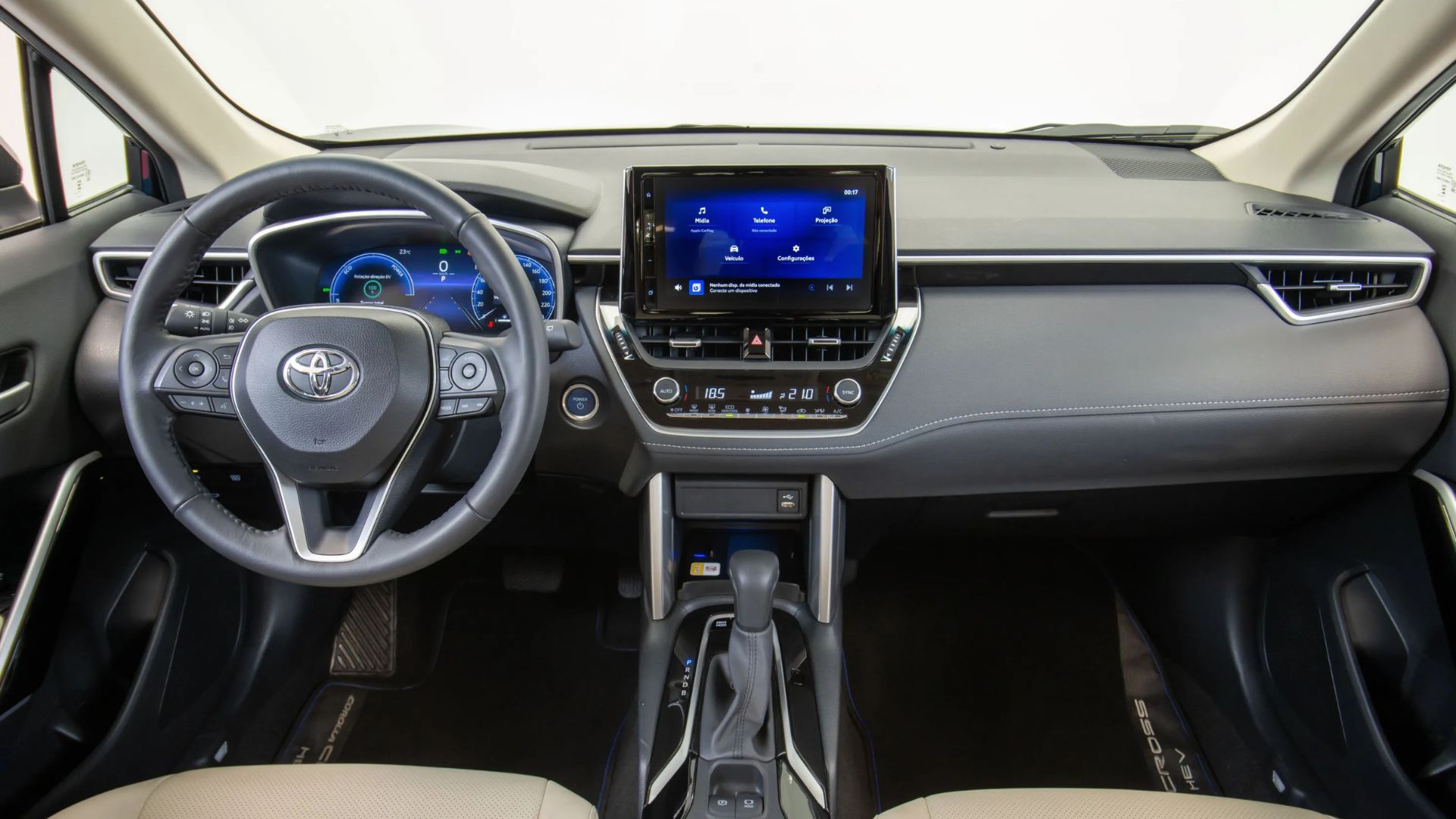
With 122 hp, fuel consumption of up to 17.7 km/l, and a trunk capacity of 440 liters, this hybrid SUV impresses even though it costs up to R$ 47,000 more than the Yaris — meet the Toyota Corolla Cross.
-
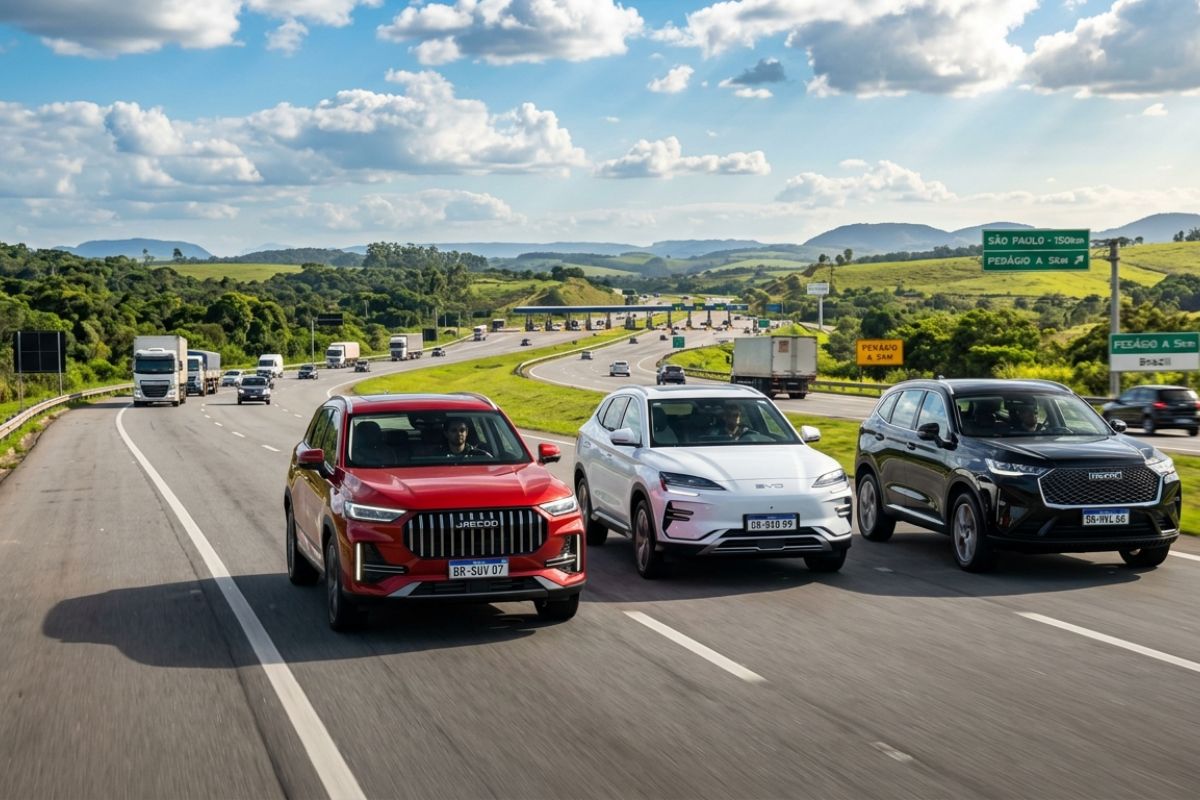
600 km with three Chinese plug-in SUVs, same mode and air conditioning on: Jaecoo 7, BYD Song Plus, and Haval H6 hit the road, and the pump reveals who was truly the most economical.
-
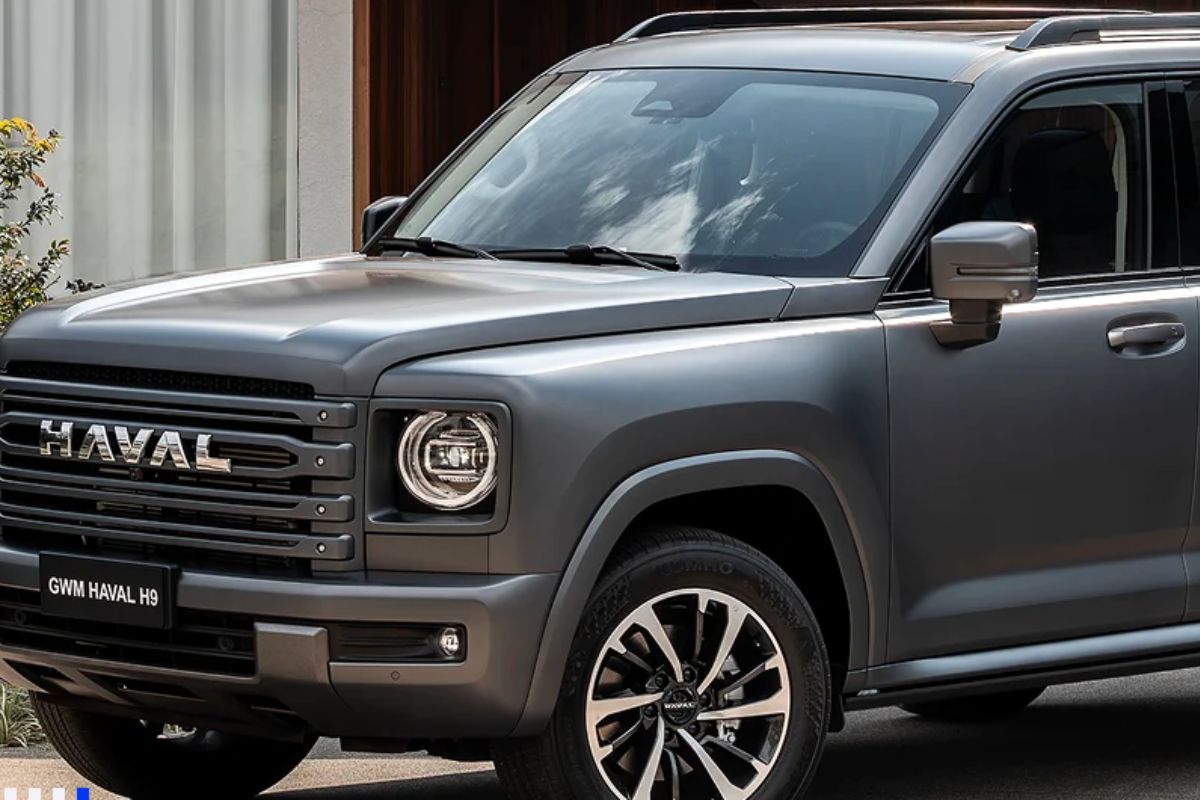
With a price almost R$ 100 thousand lower, the Haval H9 surpasses the SW4 for the first time in March, but Toyota still leads in the accumulated total for 2026; the Chinese SUV bets on technology and premium finishing to compete at the top.

The modular platform RGMP (Renault Group Modular Platform), the same one that serves as a base for the Kardian, has been designed to accommodate flex, turbo, and even electrified engines, with the possibility of all-wheel drive in certain versions.


Rumors indicate that the model may adopt the 1.3 turbo flex engine from Renault-Nissan, already used in vehicles like the Duster and Captur, but calibrated to deliver more power and torque, combining performance with efficiency.
The 4×4 drive will be an important differentiator to face the Fiat Toro diesel, which is currently a benchmark in the segment for its balance between power and consumption.
Robust Visual and Style Aligned with SUVs
The Renault Niagara will follow the brand’s new global visual language, featuring strong lines, an imposing front grille, and a “C” shaped LED signature.
The robust style reinforces its vocation for heavy-duty work, but without sacrificing urban appeal, which is essential to compete with models that have also carved out a space as family cars.
The cabin is expected to be equipped with a full digital dashboard, next-generation multimedia center, connectivity with Android Auto and Apple CarPlay, as well as driving assistance packages (ADAS) in more expensive versions, including adaptive cruise control, collision alert, and automatic emergency braking.
Direct Competition with Toro and Rampage
The arrival of the Renault Niagara reinforces the trend of growth in the intermediate pickup segment in Brazil and South America. Today, the Fiat Toro is the absolute leader, followed by Chevrolet Montana and, more recently, the Ram Rampage, which has brought a more premium offering.

Renault aims to replicate the success of the Oroch, which was a pioneer in the niche of compact pickups derived from SUVs, but now with a more refined product, capable of competing in price, technology, and performance.
The differentiator will be the offering of flex 4×4 versions, something rare in the market since most competitors rely on diesel engines or only front-wheel drive.
Launch and Price Expectation
The current schedule indicates that the Renault Niagara will be launched in the second half of 2026, initially in Argentina, with subsequent entry into the Brazilian market.
There is still no official information on prices, but the expectation is that the model will be positioned above the Oroch, which is currently in the range of R$ 130,000, and below traditional midsize models like Hilux and Ranger, which exceed R$ 250,000.
Thus, the most likely price range should vary between R$ 160,000 and R$ 200,000, depending on the engine and equipment level. This strategy would place the Niagara right in the middle of the competition against Toro Ultra Diesel and Ram Rampage Rebel.
Renault Aims for Leadership in Pickups in the Region
With the Niagara, Renault intends to consolidate its strength in the South American pickup market. Production in Argentina ensures scale and competitiveness to supply both the local market and Brazil, the main destination for the new model.
The brand is also betting on differentiators such as electrified versions and increased connectivity on board to attract consumers looking for a versatile vehicle: robust for work, but also comfortable for family use and travel.









Seja o primeiro a reagir!