





 Portuguese
  English
  Spanish
  4 min of reading
  0 comments


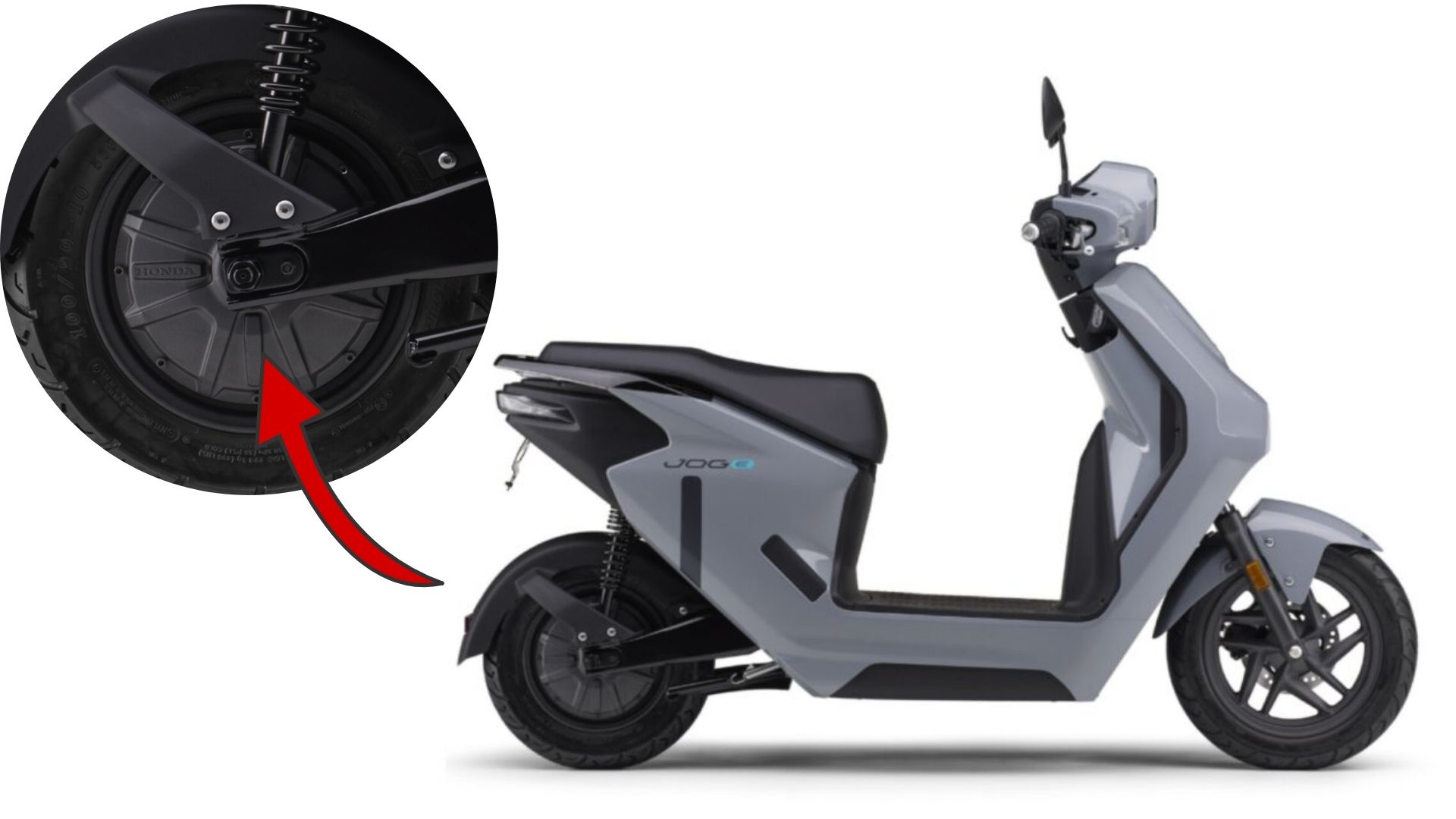
Yamaha Redefines The Market By Launching A Lightweight, Agile Electric Scooter Equipped With Honda Batteries, Offering Instant Torque Of 9.2 kgf.m, A Range Of 53 km, And A Quick Swap System That Promises To Transform Mobility In Major Japanese Cities
The Yamaha has made a bold decision by launching the new Jog E 2026, an electric scooter that unites two historically rival giants in the motorcycle market. The model, built for urban use, stands out for using interchangeable Mobile Power Pack batteries, developed by Honda — a move that marks a new chapter in the electrification of two-wheeled vehicles. According to Garagem360, this unprecedented collaboration results in a compact, lightweight, and extremely practical vehicle designed for the hustle and bustle of metropolitan areas.
The choice of a standardized system was not made by accident. Since 2019, Yamaha, Honda, Kawasaki, and Suzuki have been part of the Japanese consortium aiming to create a battery standard for electric motorcycles in Japan. Thus, the arrival of the Jog E symbolizes the first tangible fruit of this alliance and positions Yamaha within the Gachaco ecosystem, the company responsible for the battery swap stations distributed in major cities.

Compact Motor, High Torque, and 53 km Range: How The Jog E Performs On The Streets
Despite being small and extremely lightweight, the Jog E was designed to deliver quick responses in urban traffic. This becomes evident when analyzing the technical specifications: the electric motor offers power equivalent to 2.3 hp at 540 rpm and an impressive instant torque of 9.2 kgf.m available at just 25 rpm. This type of immediate delivery is one of the major advantages of electric scooters, and Yamaha has successfully leveraged it.
-
The car stored for 38 years: when opening the barn door, what appears is breathtaking and looks like a scene from a movie!

-
Fiat works miracles in the Brazilian market, lowers the price of its 0 km hatch to R$ 69,990, reestablishes the model as the cheapest car in the country, and reignites the battle against Kwid and C3.
-
Chevette with cooking gas: How the gas cylinder ends up being used in cars clandestinely and why this makeshift solution can result in leaks, explosions, damaged engines, and seized vehicles.

-
Fiat launches the new 2027 Toro hybrid with 48V, 176 hp, an electric motor of 15.5 hp, a 0.85 kWh battery, up to 7% fuel savings, 8% fewer emissions, and possible exemption from IPVA.

Additionally, the estimated range of approximately 53 km — measured at a constant speed of 30 km/h — is perfect for short daily trips. The lightness of the scooter is noteworthy: it weighs only 93 kg with the battery installed. This reduced weight makes a significant difference in handling, especially when starting, maneuvering in tight spaces, or climbing hills, also helping in energy consumption.
The aesthetics also follow the minimalist trend that has been dominating electric scooter design in Japan. The Jog E arrives with a clean, modern look and is available in dark gray and light gray, reinforcing its urban and discreet proposition.
Quick Swap System, Energy Subscription, And Availability In Japan: Understand The Operation Model

Unlike traditional electric motorcycles, Yamaha does not sell the Jog E with the battery included. Instead, the brand has adopted an energy subscription model. The consumer buys the scooter but separately contracts the battery-sharing service. This means that users do not need to wait hours recharging the equipment at home: they just need to go to an authorized station and immediately swap the empty battery for a fully charged unit.
The launch strategy also follows a gradual expansion logic. Initially, pre-sales will start on December 22, and the model will be sold only in Tokyo and Osaka — cities with greater battery swap infrastructure. According to the disclosed data, the availability map is as follows:
- Tokyo: 42 swap stations
- Osaka: 7 stations
- Saitama: 2 operational units
This geographic limitation is expected to decrease as the Gachaco network grows. Initially, the goal is to consolidate the daily use of the “swap and go” system in high-traffic areas before expanding to other Japanese provinces.
Competitive Price And Urban Focus: How Much Does The New Jog E 2026 Cost
One of the most remarkable points is the price. Yamaha has positioned the Jog E aggressively in the market: the suggested retail price is 159,500 yen, which corresponds to approximately R$ 6,000 in direct conversion, not including taxes, fees, or import costs. This lower price is possible precisely because the battery — the most expensive part of an electric vehicle — is not included in the purchase of the model.
On the other hand, users will incur monthly costs related to the energy subscription service, in addition to traditional costs such as registration and insurance. Nevertheless, the model becomes highly attractive for urban users seeking practicality, agility, and cost savings in their daily lives.
The adoption of a unique battery standard, something unimaginable in the past due to the rivalry between Yamaha and Honda, could pave the way for a silent revolution in the global market. If the model proves efficient in Japan, the trend is that other countries will follow the same format.
Now the question remains: should Brazilian manufacturers also unify their battery standards to make life easier for motorcyclists?








-

2 pessoas reagiram a isso.