





 Portuguese
  English
  Spanish
  3 min of reading
  3 comments


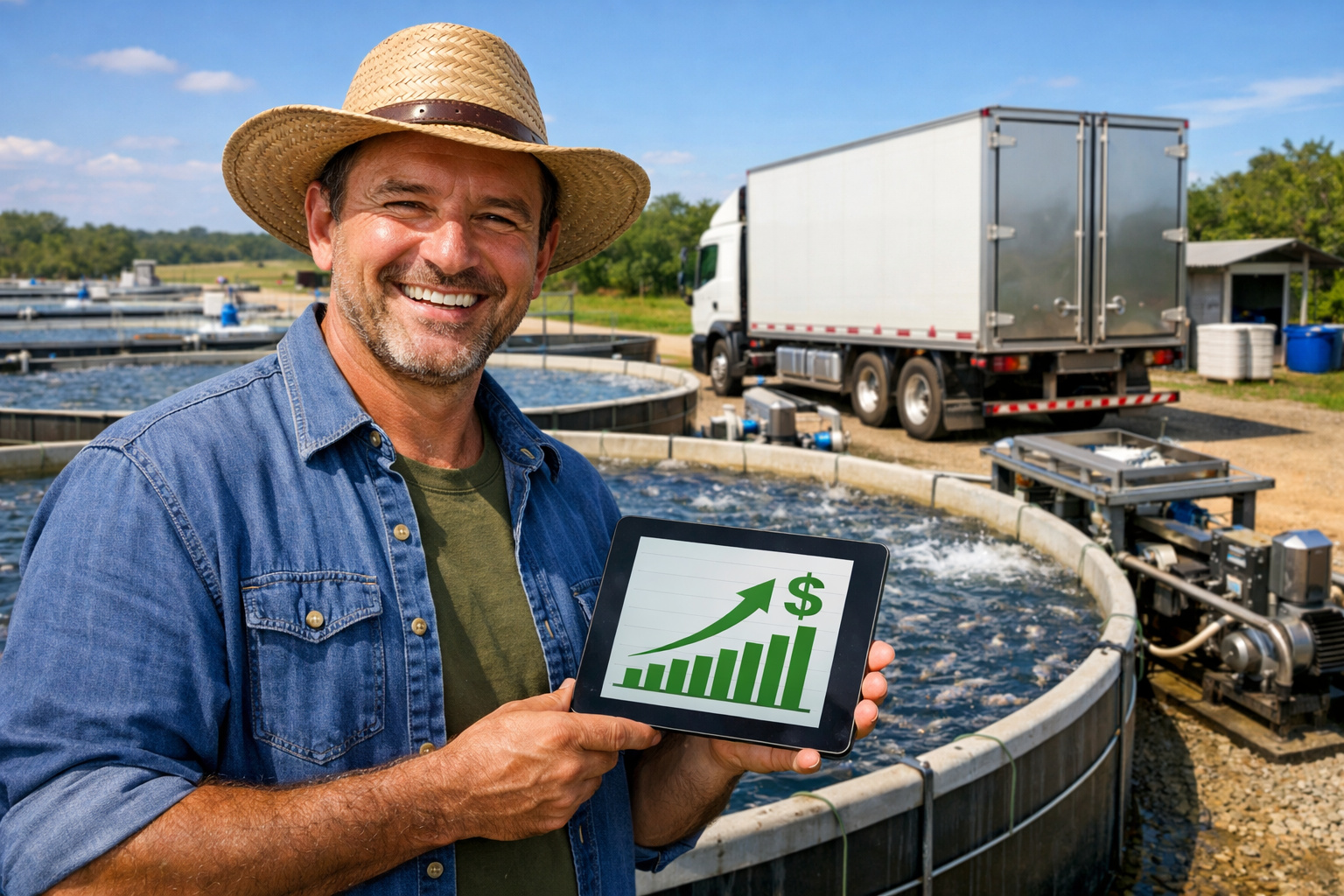


System Inspired by Poultry Farming Ensured Market, Technical Assistance, and Financial Predictability, Helping Rural Families Increase Production, Invest, and Change Their Lives in Less Than a Year
In the West of Paraná, rural producers who almost gave up on fish farming now live a completely different reality. The cultivation of tilapia, once marked by losses and insecurity in sales, has become a profitable and structured business after the adoption of the integration system with cooperatives.
In this context, entire families started to see the activity as a concrete opportunity for economic growth. The model offers technical assistance, inputs, guaranteed market, and financial predictability, factors that changed the course of fish production in the region.
This information was released in a report by the public television of Paraná, which closely followed the routine of integrated producers and the economic impacts of the new system in the region of Palotina.
-
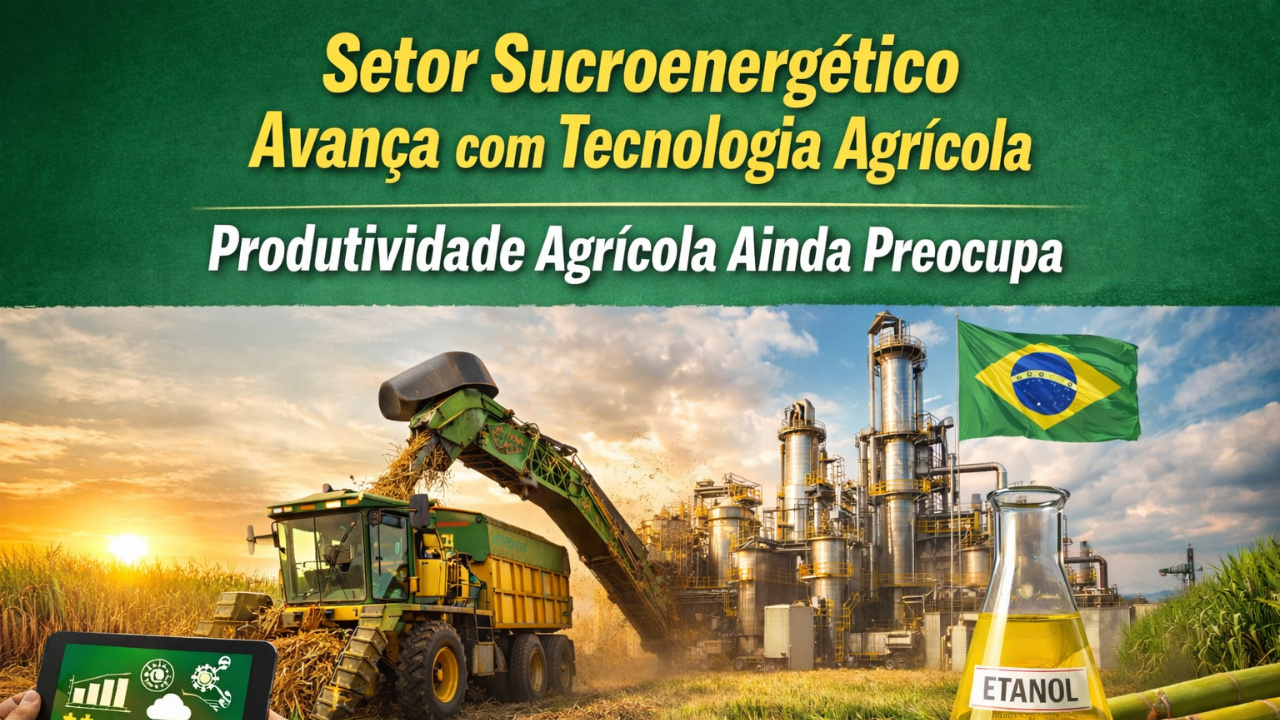
The sugar-energy sector advances with agricultural technology, but agricultural productivity still raises concerns.
-
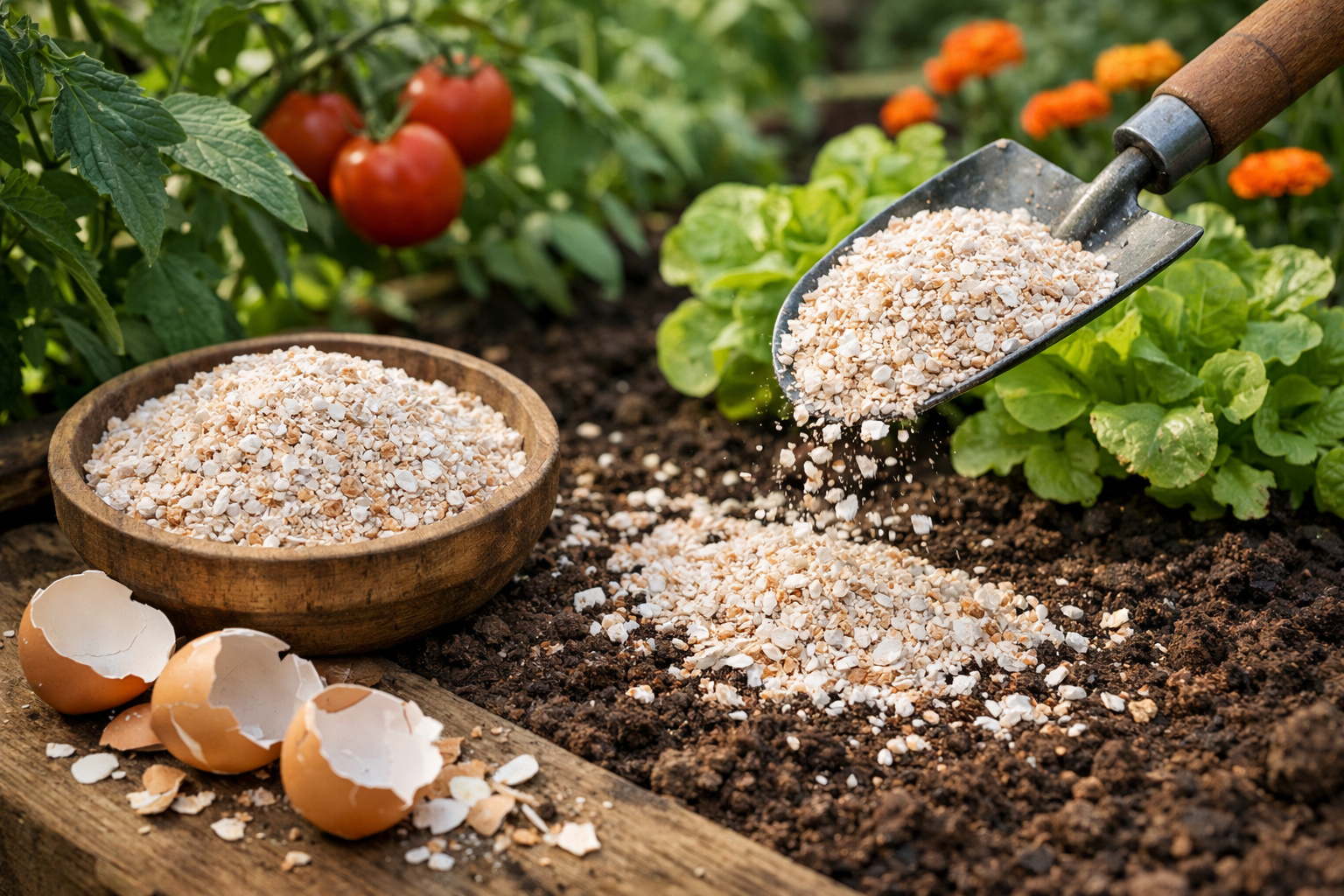
The eggshell that almost everyone throws away is made up of about 95% calcium carbonate and can help enrich the soil when crushed, slowly releasing nutrients and being reused in home gardens and vegetable patches.
-
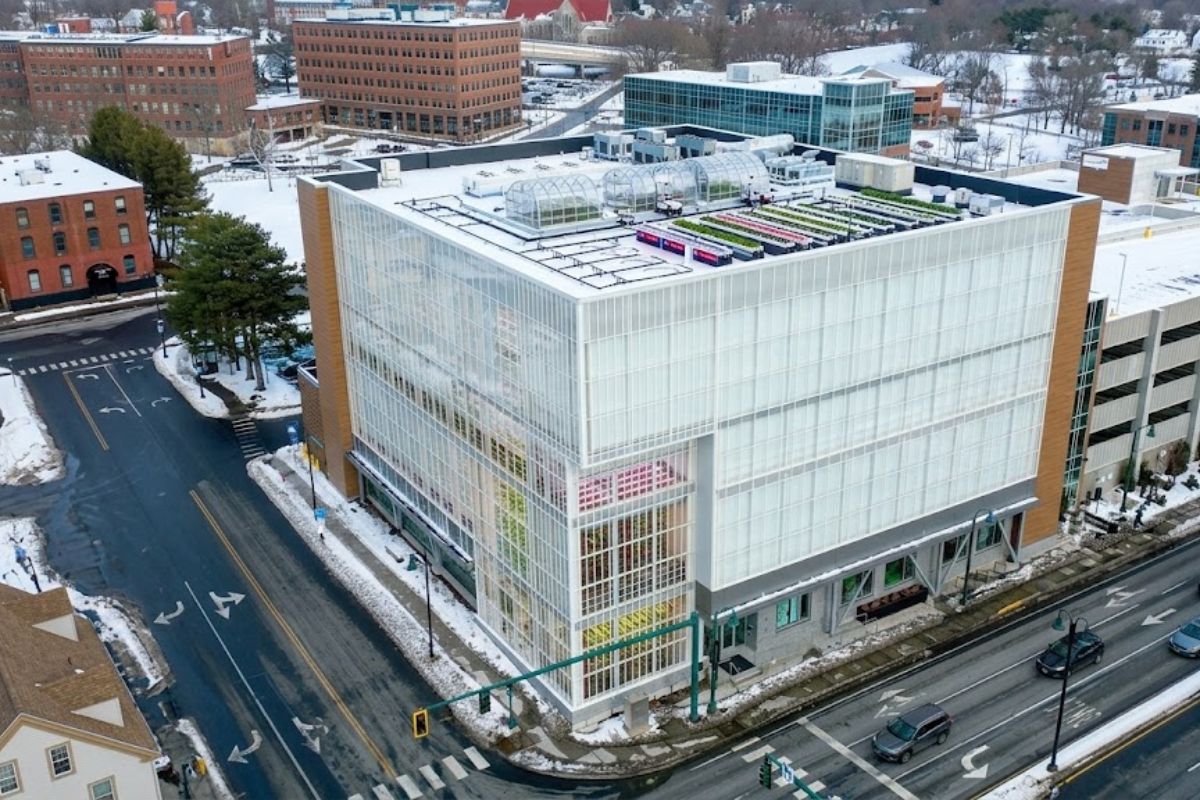
This farm in the United States does not use sunlight, does not use soil, and produces 500 times more food per square meter than traditional agriculture: the secret lies in 42,000 LEDs, hydroponics, and a system that recycles even the heat from the lamps.
-
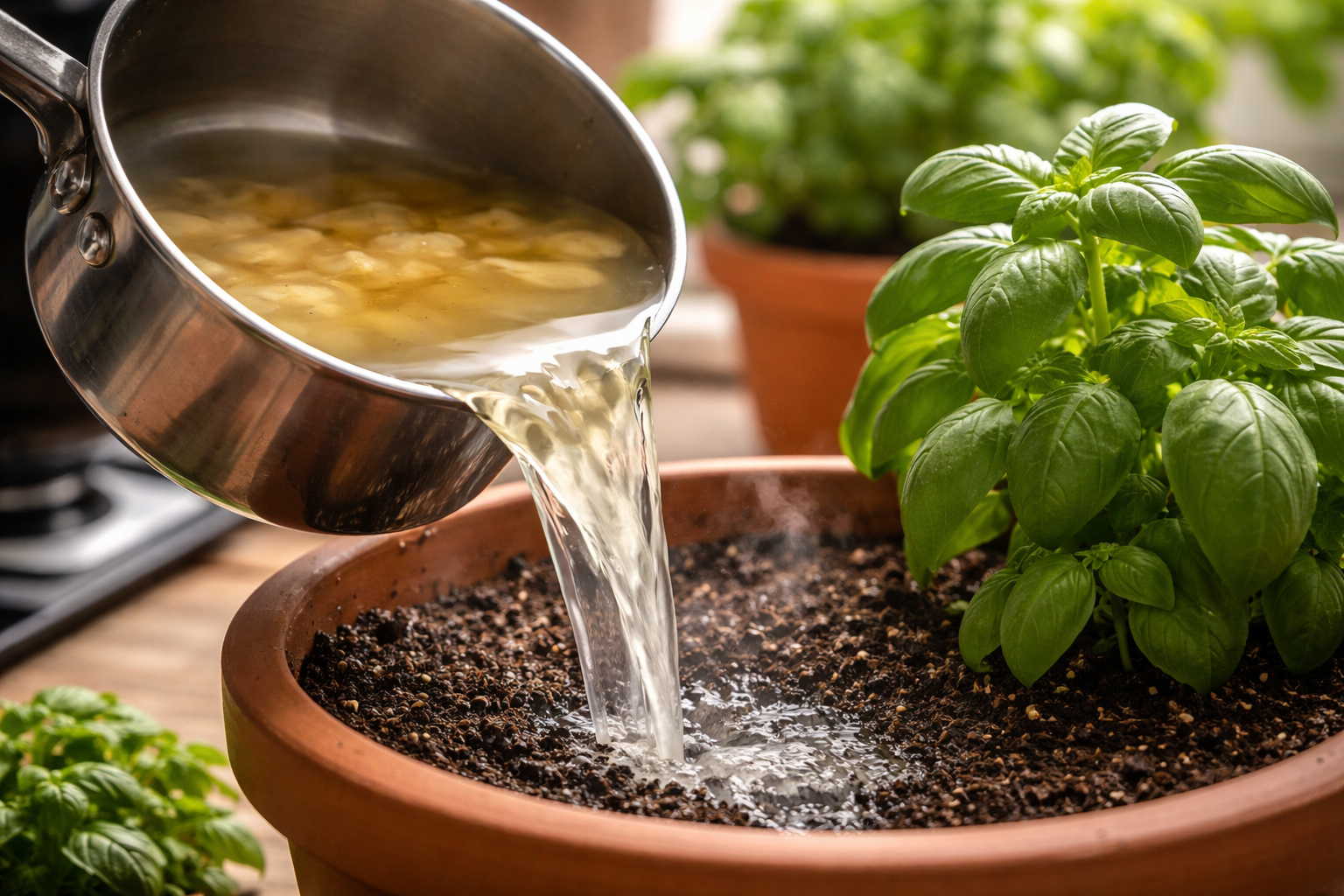
The water that almost everyone throws away after cooking potatoes carries nutrients released during the preparation and can be reused to help in the development of plants when used correctly at the base of gardens and pots, at no additional cost and without changing the routine.

Before the Integration, Losses and Insecurities Almost Led Producers to Give Up the Activity
For many years, raising tilapia in Paraná was a constant challenge. Producers reported difficulties in selling fish, delays in payments, and even frequent defaults. Furthermore, the lack of scale and technical assistance compromised the profitability of the activity.
In light of this, many considered completely abandoning fish farming. Even with available flooded areas and accumulated experience, financial risk deterred new investments. Meanwhile, activities like soybean and corn seemed like safer options.
However, this scenario began to change when cooperatives in the region started to invest in the integration of fish farming into the agribusiness chain. The proposal was simple but effective: organize production, guarantee purchases, and standardize management.
How the Integration System Works that Boosts Tilapia Farming


The integration system works similarly to that adopted in the raising of chickens and pigs. The producer receives the fry, the feed, technical support and constant guidance. In return, they commit to follow management and sustainability protocols.
Additionally, the cooperative guarantees the purchase of all production. This eliminates the main problem previously faced: uncertainty in sales. Consequently, the producer can plan investments and expand their activity with more security.
At the same time, the cooperative invests in slaughterhouses, feed factories, and logistics. In Palotina, a slaughterhouse inaugurated with an investment of about R$ 100 million processes tens of thousands of tilapia daily, generating direct and indirect jobs.
Meanwhile, specialized companies produce millions of fry per harvest, ensuring genetic quality and uniform growth of the fish. The result is an integrated, efficient, and highly competitive production chain.
Profit, Expansion, and Job Creation Transform Fish Farming into a Super Opportunity

The numbers prove the success of the model. In some properties, profits reach R$ 20 for every thousand fish produced. In a single year, integrated producers achieved gains exceeding R$ 150,000 just from the juvenile phase of tilapia.
On the other hand, the comparison with traditional crops draws attention. One hectare of water surface can generate the equivalent of production from up to 15 hectares of soybeans, making fish farming an extremely attractive alternative in the countryside.
Moreover, the sector generates formal jobs in slaughterhouses, feed factories, and transportation. Many workers report improvements in their quality of life and plans to reunite their families thanks to the stability of the new job.
Still, growth requires environmental care. Some producers already adopt effluent treatment systems to prevent river contamination. Newer projects only receive licenses if they meet these requirements, strengthening the sustainability of the sector.
Finally, fish consumption in Brazil is still below the global average, indicating great potential for expansion. With a growing internal market and export possibilities, tilapia is consolidating itself as one of the largest opportunities in Brazilian agribusiness.
Do you believe that integrated fish farming can become one of the main sources of income for Brazilian agribusiness in the coming years?








Interessante…
E super interessada!!
Crescimento semelhante ao frango, suínos …
Crescimento semelhante ao frango, suínos…