





 Portuguese
  English
  Spanish
 4 min of reading
  0 comments


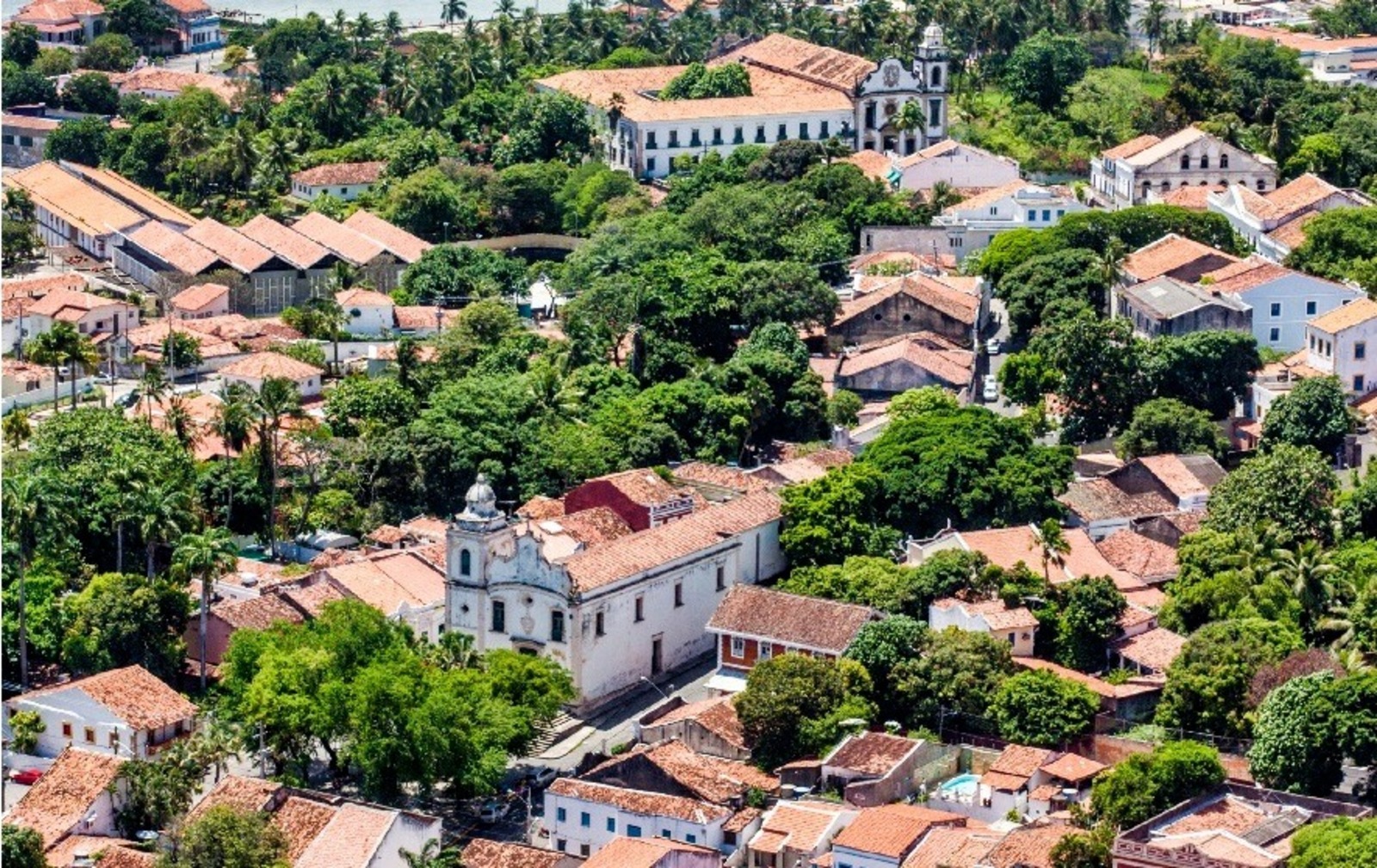
Olinda Hosts Secular Slopes, World Heritage Recognized in 1982, and Direct Connection to Recife 7 km Away, Consolidating the Upper City as a Historical, Cultural, and Touristic Hub That Preserves Colonial Architecture, Religious Practices, and Popular Traditions on the Coast of Pernambuco
Olinda, in Pernambuco, preserves the Upper City as a living historical core, seven km from Recife, gathering colonial architectures, international recognition, and a constant flow of tourism, whose cultural relevance shapes regional identity and attracts visitors throughout the year.
The experience of walking through the slopes places the visitor in front of an open-air museum, where colorful facades, historic churches, and sloping streets narrate centuries of occupation, faith, and local cultural resistance.
The incline demands physical readiness, but offers shade from fruit trees, a constant Atlantic breeze, and natural viewpoints that turn the effort into visual reward throughout the entire historic urban journey.
-
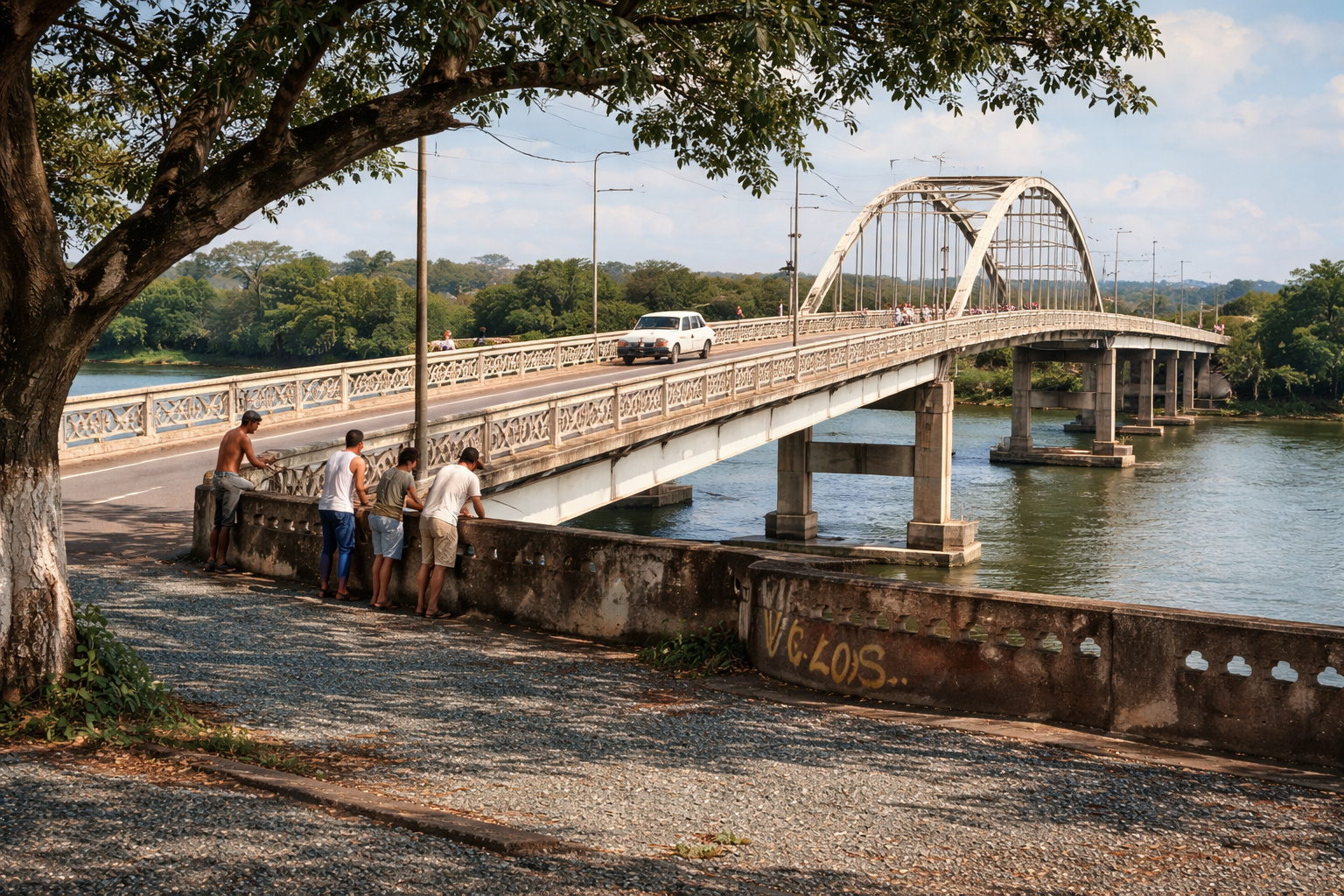
Families have been living for over 30 years under a bridge in Mato Grosso, revealing a housing deficit, irregular occupation in APP, and dependence on fishing as the main source of income.
-
What Changed at Florianópolis Beaches? New Rule Surprises Pet Owners and Restricts Dogs on the Sand at Specific Times

-
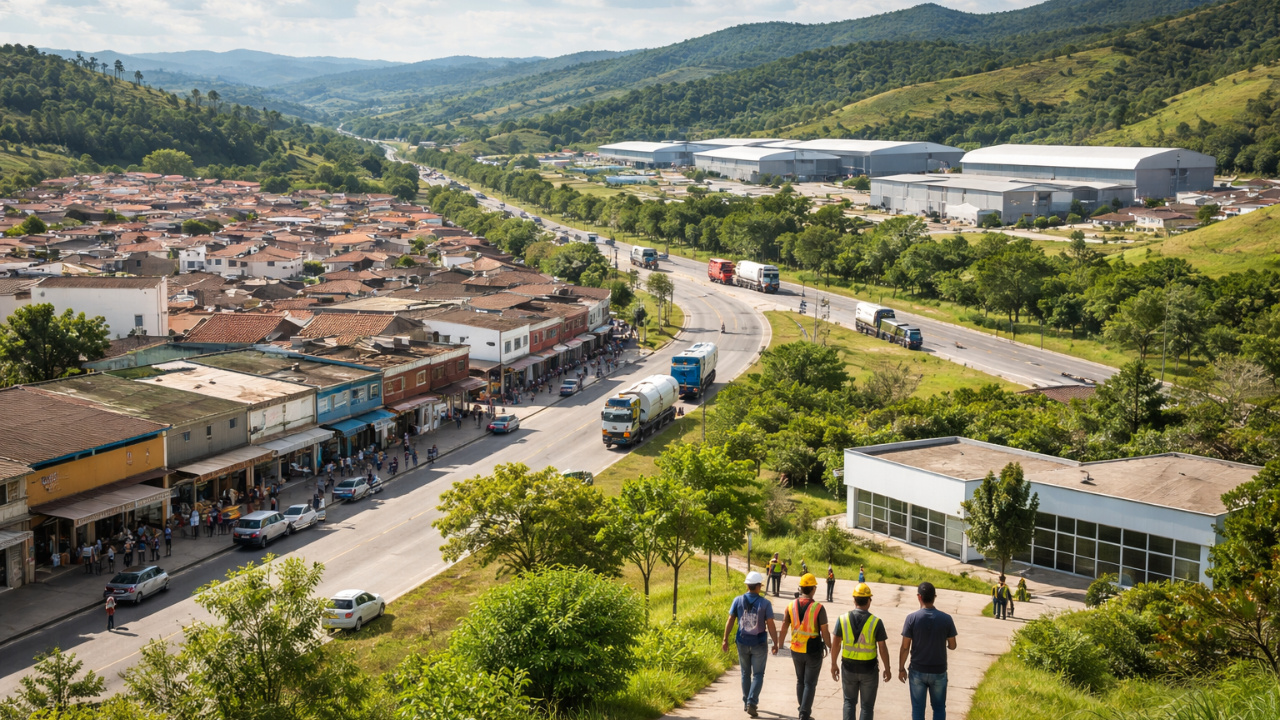
Economic Diversification Accelerates in Itatiaiuçu to Reduce Mining Dependence
-
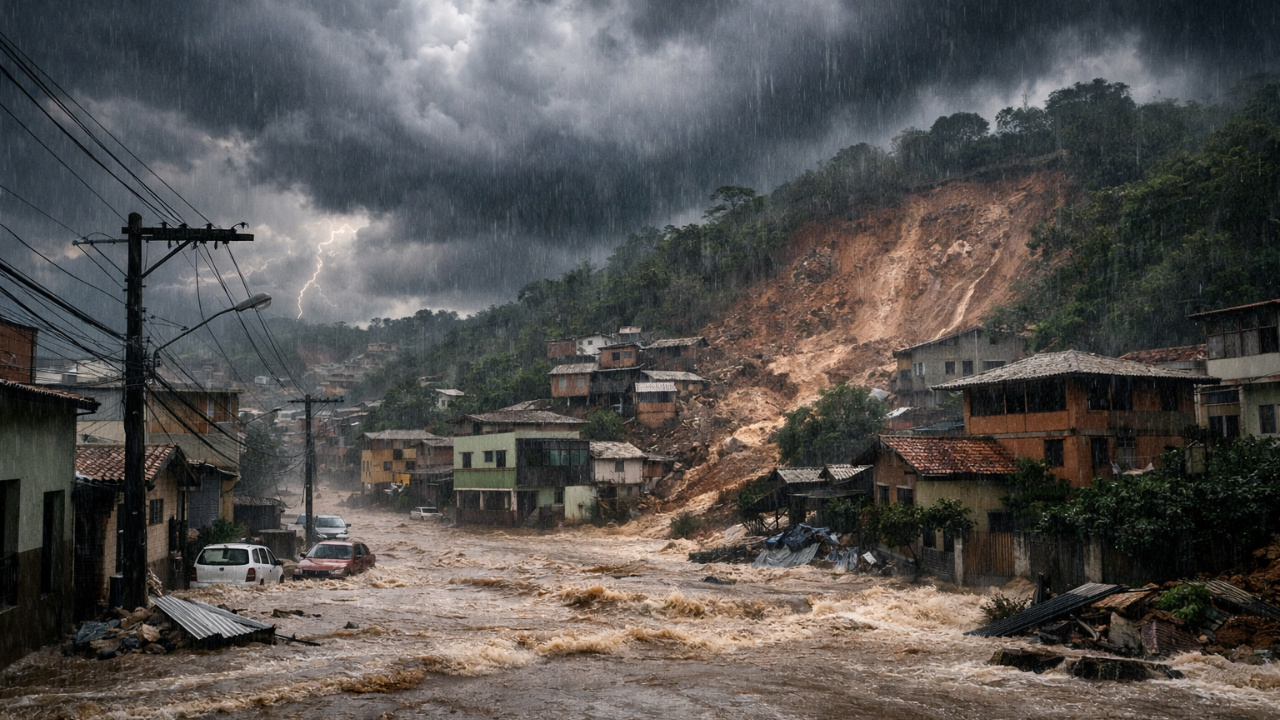
Extreme Rains: Cold Front, Supercell, and Atmospheric Trough Cause Tragedy in MG

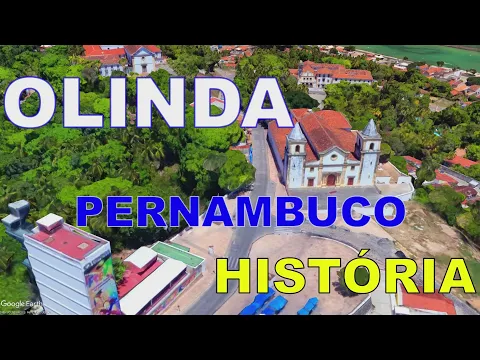

Monuments That Structure Visual and Religious Identity
The route connects central monuments that define the landscape and religiosity, reinforcing the historical reading of the territory and organizing the daily tourist flow through winding streets.
The Alto da Sé occupies the highest point, combining sunset, panoramic views of the sea and modern Recife buildings, becoming a visual reference and permanent meeting point.
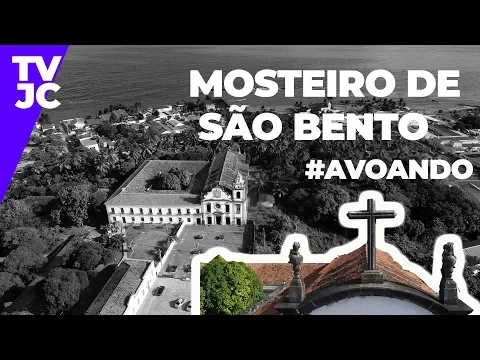
The Monastery of São Bento stands out for its gold-covered altar and Sunday Gregorian chant performances, integrating devotion, sacred music, and preserved artistic heritage.
The Convent of São Francisco, the first Franciscan convent in Brazil, features Portuguese tiles with biblical passages, reinforcing the religious and aesthetic heritage of the colonial period.
The Ribeira Market, an old commercial center from the 17th century, currently houses ateliers and clay crafts, maintaining a cultural vocation adapted to the local creative economy.
The Ladeira da Misericórdia, famous for its steep incline, challenges physical endurance and offers unique photographic framing of the historic buildings, solidifying its status as an urban symbol.
The Museu do Mamulengo preserves traditional puppets, strengthening oral tradition and popular festivals, connecting memory, education, and regional artistic expressions.
International Recognition and Institutional Protection
International prestige was consolidated in 1982, when the United Nations Educational, Scientific and Cultural Organization declared the historic center a World Heritage Site, ensuring architectural and landscape protection.
This distinction prevents changes that would distort the original urban harmony, establishing strict preservation rules and ensuring the visual continuity of the colonial ensemble over time.
In addition to the world endorsement, the municipality was the first capital of the captaincy of Pernambuco, exercising significant political importance until the 17th century, a central fact for its historical projection.
Continuous preservation is led by the National Institute of Historic and Artistic Heritage, which keeps the street layout faithful to the original colonial design.
Flavors That Represent Local Tradition
The local cuisine combines fresh seafood with ingredients from the hinterlands, such as cassava and grilled queijo coalho, reflecting cultural encounters present at the Olinda table.
Restaurants housed in old mansions preserve centuries-old recipes using coconut, integrating historical architecture, traditional cuisine, and a complete sensory experience for the visitor.
In Alto da Sé, the tapioca from local tapioqueiras, recognized as intangible heritage, is accompanied by fresh coffee and sounds of frevo, creating a unique daily atmosphere.
Climate, Events, and Best Time to Visit
Between December and March, the hottest period occurs, coinciding with the pre-Carnival festivities when tourist flow increases and the city takes on an intense rhythm of cultural celebration.
During this phase, the intense sun and festive programming transform the historic space into a continuous stage for popular manifestations, expanding the visibility of urban heritage.
For those who prefer milder temperatures and less movement, the intermediate seasons favor extended walks, according to data from Climatempo.
Access and Transportation to the Upper City
The main access occurs through the Recife International Airport, located approximately 18 km from the historic core, facilitating the arrival of national and international tourists.
The drive or rideshare takes about 30 minutes under normal conditions, linking the capital to the historic site via the urban road network.
Bus lines connect the airport terminal to the main metropolitan points, allowing simple transportation for those staying in Recife and planning daily visits.
Audiovisual Content and Recent Tourist Interest
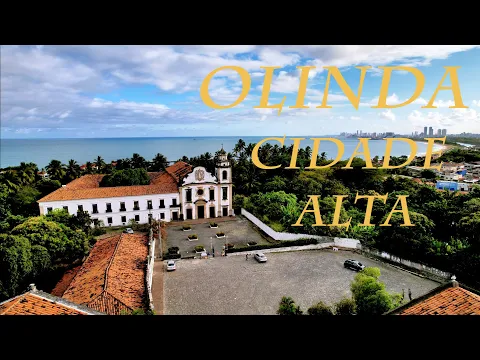
A video from the channel Diogo Kyrillos – Nomadic Life, with over 90,000 views, showcases Olinda in one day, highlighting Alto da Sé and local dining options.
The audiovisual material amplifies contemporary interest in the destination, complementing practical information and reinforcing the attractiveness for new traveling audiences.
Demographic Context and Continuous Cultural Preservation
The hospitality of about 347,000 inhabitants and colorful vibrancy reinforce authentic cultural immersion, balancing rigid preservation and vibrant artistic life in Olinda.
The proximity to the northern coast beaches, an active cultural agenda, and the presence of master artisans complete the scene, concluding the path with background that explains its historical permanence.
With information from O Antagonista.







Seja o primeiro a reagir!