





 Portuguese
  English
  Spanish
  4 min of reading
  0 comments


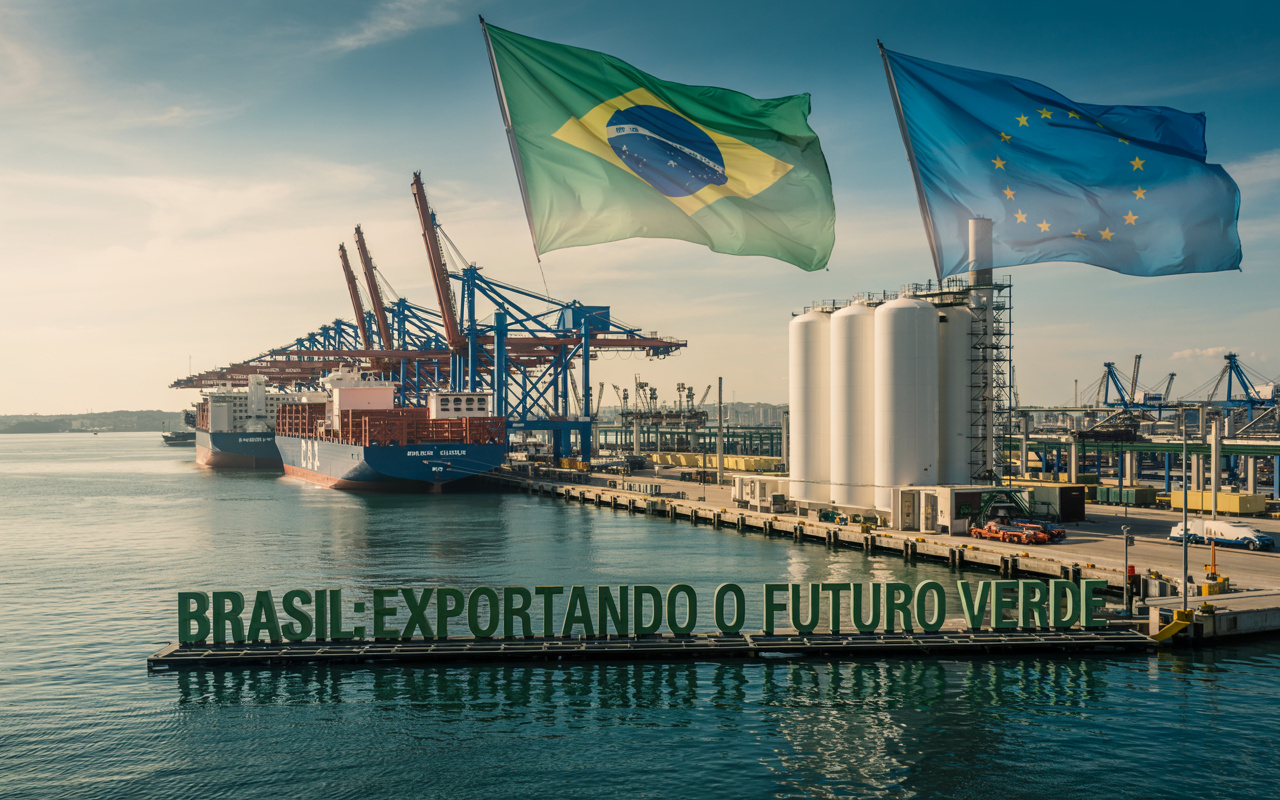
Port of Pecém and Suape Undergo Billion-Dollar Transformation to Export Green Hydrogen: Expanded Piers, Integrated Plants and Contracts with Europe and Asia Promise to Place Brazil at the Center of the Greatest Energy Revolution of the Century
Two northeastern ports are about to redefine Brazil’s role in the global energy landscape. Pecém, in Ceará, and Suape, in Pernambuco, have become epicenters of billion-dollar megaprojects aimed at exporting green hydrogen and its derivatives, such as ammonia and e-methanol.
While in the past these regions were synonymous with exports of ore and oil, they can now become the major exit corridors for Brazilian clean energy to Europe and Asia. What is at stake is a market that could generate trillions of dollars by 2050 and reposition Brazil as a key player in the global energy transition.
Pecém: The Most Advanced Hub
The Port of Pecém leads the race. Supported by the World Bank and the H2Brazil program, funded by Germany, the complex already has dozens of memorandums of understanding signed with multinationals interested in setting up green hydrogen plants.
-
A Canadian retiree creates a hydroelectric system on a real river, generating energy continuously throughout the day and demonstrating how the power of water can supply a house with stability even in a simple structure.

-
Petrobras reaffirms its commitment to the market and ensures that it will carry out the energy transition safely to maintain national sovereignty.

-
Researchers discover a possible hydrogen deposit of up to 46 million tons beneath an ancient coal basin, and the volume could exceed half of the entire global production.

-
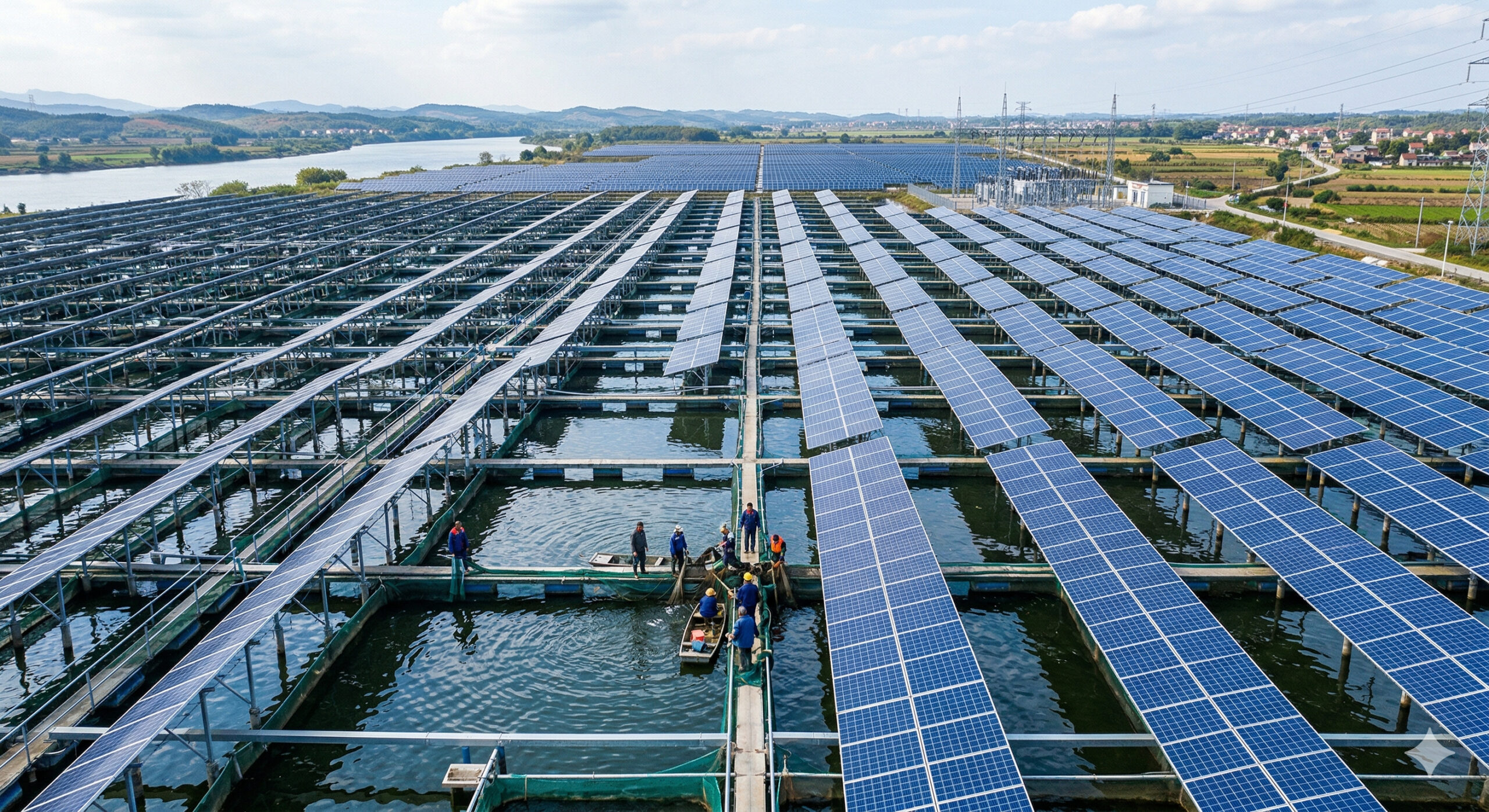
China bets on the Fishery-PV model and transforms fish farms into giant solar plants, covering ponds with panels that generate energy while utilizing the same space for large-scale aquaculture production.

Among the announced projects are plants that can total 500 MW of capacity, converting solar and wind energy into hydrogen and, subsequently, into ammonia for export. The port already has a direct agreement with the Port of Rotterdam, Netherlands, creating a green corridor that could supply the entire European Union in just a few years.
In addition, Chinese companies such as Envision and the state-owned SPIC have already confirmed interest in providing equipment and investing in the region, showing that Ceará has become the stage for a silent geopolitical dispute between Europe and China.
Suape: The E-Methanol Hub
In Pernambuco, the Port of Suape is following a similar path. It has already received projects aimed at producing e-methanol, a synthetic fuel obtained from green hydrogen combined with biogenic CO₂. The announced initial investment exceeds R$ 2 billion and involves partnerships with international groups.
Suape has also been included by the Ministry of Mines and Energy as one of the strategic hubs of the National Hydrogen Plan (PNH2), which should ensure access to federal and international financing lines. The expectation is that the port will become a benchmark in exporting hydrogen derivatives to the Asian market, particularly Japan and South Korea.
The Infrastructure Race
Transforming Pecém and Suape into green hydrogen export platforms requires massive infrastructure projects:
- Expansion of Piers to handle specialized ships for transporting ammonia and methanol.
- Construction of Exclusive Areas to safely store hydrogen derivatives.
- Installation of Internal Pipelines to connect production plants to port terminals.
- Integration with Solar and Wind Parks already in operation in the Northeast, which provide the renewable electricity necessary for electrolysis.
The total cost has not yet been consolidated, but specialists estimate that investments in infrastructure will exceed R$ 15 billion in the coming years.
Europe and Asia Eyeing the Northeast
The first contracts already indicate who the main buyers will be: European Union and Asia. Germany, seeking to reduce its dependence on Russian gas, has already expressed interest in importing Brazilian green hydrogen. The Port of Rotterdam has signed memorandums to receive ammonia from Ceará.
On the other side of the world, Japan and South Korea are already exploring Brazil as an alternative supplier of clean energy to fuel their heavy industry, which is highly dependent on fossil fuels.
This international demand reinforces the strategic weight of Pecém and Suape: whoever controls these hubs will dominate the export gateway for Brazilian green hydrogen to the world.
The Risk of Exporting Only Raw Energy
Despite the optimism, experts warn: Brazil runs the risk of repeating the historical mistake of exporting only cheap raw materials. If the hydrogen produced in the Northeast is sold as ammonia for European consumption, the country may lose the chance to develop a higher value-added internal industrial chain, such as green steel, sustainable fertilizers, and synthetic fuels for aviation.
To avoid this, state governments and the PNH2 itself advocate for policies of local content and technology transfer, ensuring that part of the wealth remains in the country.
Jobs and Regional Transformation
In addition to the global impact, the projects in Pecém and Suape could generate huge local benefits. Preliminary estimates point to the creation of over 50,000 direct and indirect jobs in the next ten years, just in the construction and operation phases of the plants.
For the Northeast, historically marked by inequalities, green hydrogen emerges as an opportunity for socioeconomic transformation, creating a new industrial vocation based on technology and clean energy.
The Arrival of a New Era for Brazilian Ports
Pecém and Suape have already been symbols of exporting ore, oil, and derivatives. Now, they are on the path to becoming the primary green hydrogen hubs in the Southern Hemisphere, placing Brazil at the center of an energy race that could define the future of the global industry.
If the country knows how to seize this historic window, it could not only export clean energy but also consolidate a new development matrix based on innovation, sustainability, and global integration.
The challenge is to ensure that the trillions promised by green hydrogen translate into wealth and progress for Brazilians—and not just into advantageous contracts for foreign powers.








Seja o primeiro a reagir!