





 Portuguese
  English
  Spanish
  5 min of reading
  33 comments


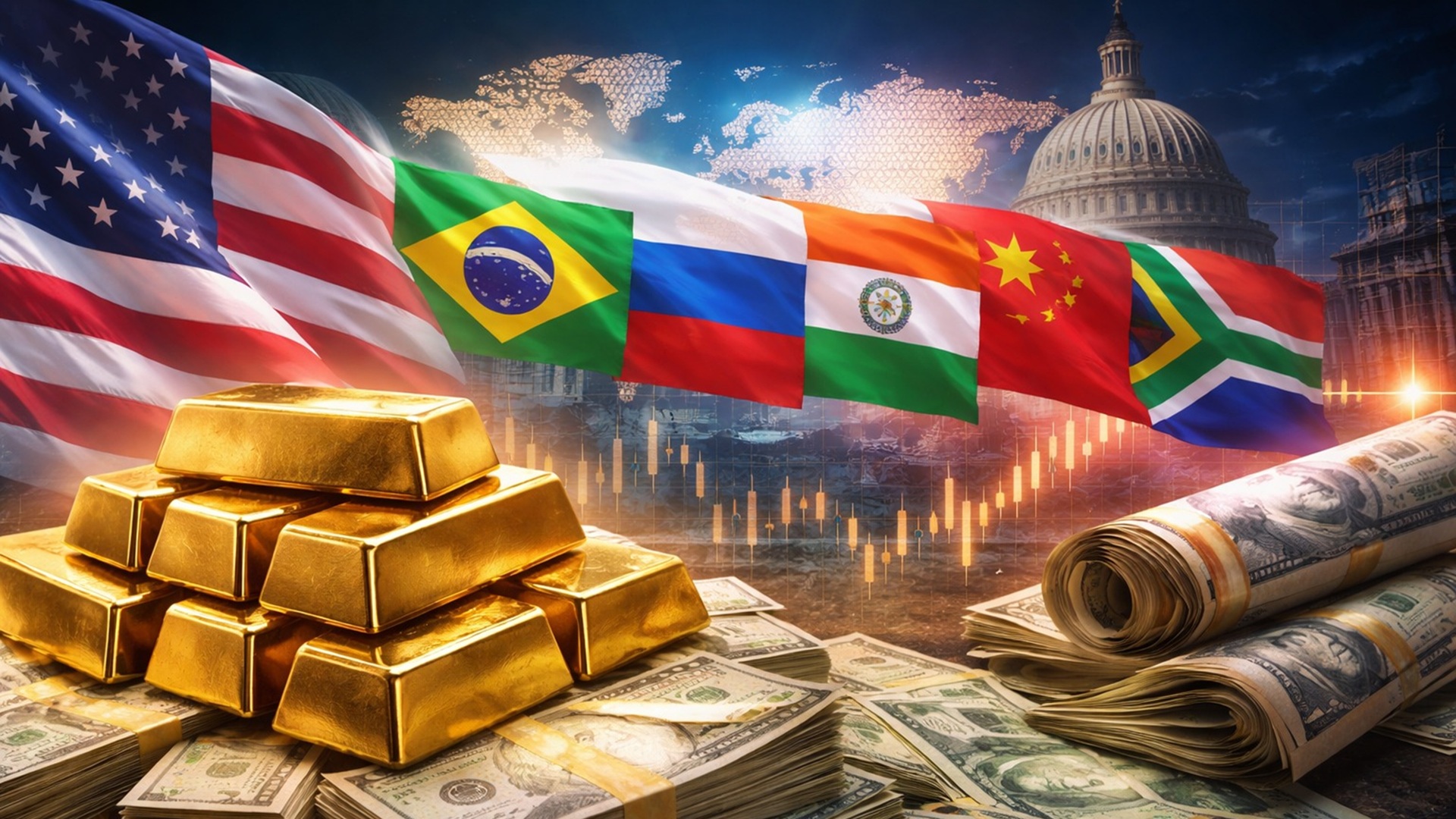


In The Midst Of The Surge In Gold, The Gradual Sale Of US Treasury Bonds And The Debate On Dollarization, US TV Commentators Express Concern About The BRICS Strategy To Reduce Dependence On The Dollar And Its Potential Impacts On Interest Rates, Inflation, And The US Global Financial Position
In Recent Years, A Structural Movement Of Dollarization Has Intensified Among BRICS Countries, Seeking To Reduce Dependence On The Dollar In Trade Flows, Foreign Exchange Reserves, And Liquidity Instruments,
At The Same Time, They Are Increasing The Accumulation Of Physical Gold And Promoting Financial Alternatives That Question The American Monetary Hegemony In A Context Of Geopolitical Tensions And Divergent Monetary Policies.
Gold As A Strategic Asset Amid Geoeconomic And Monetary Uncertainties
The Recent Surge In Gold Prices, Which Exceeded Historical Levels In 2025 – Reaching Over US$ 4,300 Per Ounce In December 2025 In Some Markets – Reflects Not Only The Traditional Role Of The Metal As A Safe Haven In Times Of Risk Aversion But Also Strategic Changes In Reserve Allocation By Central Banks.
-
Airfare prices may rise with increasing fuel costs, and the government is considering urgent measures to avoid a direct impact on the wallets of Brazilians.

-
Chocolate prices soar nearly 15% and become a luxury item for Easter 2026, with increases surpassing inflation and changes in Brazilian consumption habits.

-
The Federal Revenue issues a good alert for Brazilian taxpayers: 60.9% are already using the pre-filled tax return, automatic refunds via Pix reach millions, and the government plans for a fully automated income tax in the coming years.

-
India announces a plan of $3.06 billion to bring aviation to forgotten regions: 100 new airports, $1.07 billion in subsidies, and regional routes guaranteed for 10 years, from 2026 to 2036, away from the centers.

According To Market Reports And International Data Collected By Experts, Central Banks Worldwide Bought Over 4,800 Tons Of Gold Between 2020 And 2024, The Largest Collective Volume Since The End Of The Gold Standard In The 20th Century, With More Than Half Of This Acquisition Concentrated In Emerging Economies And BRICS Members.
Beyond This Global Movement, Concrete Initiatives From BRICS Countries Indicate A Deliberate Strategy To Strengthen Reserves In Non-Dollarized Assets.
China, For Example, Reported Total Foreign Exchange Reserves Exceeding US$ 3.3 Trillion In November 2025, Maintaining A Prominent Position Among The World’s Largest Holders Of International Financial Assets – Although The Specific Composition In Dollars Has Been Gradually Declining Since The Middle Of The Last Decade.
Sale Of US Treasury Bonds And Diversification Of Reserves
Part Of The Current Debate Centers Around Reports That Some Emerging Economies Are Shedding US Treasury Securities As A Diversification Strategy.
Recent Data Reveals That China, India, And Brazil Sold Approximately US$ 28.8 Billion In US Treasury Bonds In October 2025, Reducing Accumulated Exposure From Previous Years And Reflecting A Trend Of Adjustment In Foreign Reserves.
This Movement Occurs In Parallel To The Narrative That Excessive Dependence On The Dollar Limits The Financial Sovereignty Of Emerging Countries And Exposes Them To Geopolitical Risks – Such As Sanctions And Unilateral Financial Restrictions.
The Accumulation Of Gold Is Seen By Many Governments As A Form Of “Insurance” Against Dollar Volatility Or Adverse Monetary Policies, As Gold Is A Globally Recognized Asset And Does Not Rely On A Single Country’s Policies To Maintain Value.
BRICS, Common Currency And Financial Infrastructure Initiatives
In The Wake Of These Changes, BRICS Leaders Have Discussed Proposals For Alternative Financial Systems That Could Gradually Reduce Dependence On The Dollar In International Transactions.
One Example Is The Project For A Common Accounting Currency And A Cross-Border Payment System Similar To SWIFT, Supported By A Basket Of Assets And Physical Gold Reserves.
Although Such Proposals Face Significant Technical And Political Challenges – Especially Regarding Liquidity, Currency Volatility, And The Need For Investments In Financial Infrastructure – Their Mere Existence Fuels Debates About The Global Monetary Architecture.
Economists Emphasize That, Even With These Movements, The Dollar Still Dominates Around 56–58% Of Global International Reserves, According To Currency Composition Estimates Until Mid-2025.
The Narrative Of American Media And Its Political Impact
Debates On Dollarization And The Rise Of Gold Often Take On Dramatic Tones In US Media And National Political Voices, Who See These Movements As A Threat To American Economic Leadership. An Example Is A Debate On FOX NEWS.
Financial Commentators And Politicians In The United States Often Associate Recent Highs In Gold With Distrust In The Federal Reserve And Domestic Fiscal And Monetary Policies, Arguing That These Issues Legitimize Criticism Of The Dollar’s Hegemony.
Public Speeches By Prominent Political Figures, Such As Former Presidents And Economic Advisors, Reinforce This Climate By Linking The Strengthening Of The Dollar To National Economic Security And Dismissing Initiatives From Global Competitors.
However, Financial Analysts Point Out That Dollarization Is A Gradual, Multifaceted Process Deeply Rooted In The Evolution Of Trade And International Financial Relations – Less A Deliberate Coordinated Attack, And More An Adaptive Response From Countries Seeking Greater Resilience In The Face Of Systemic Risks.
The Role Of Gold And Prospects For The Dollar
Gold And The Dollar Have Existed For Decades As Complementary Pillars Of The International Financial System: The Dollar As The Primary Medium Of Exchange And Unit Of Account In Global Trade, And Gold As A Store Of Value And Diversification Instrument.
With Gold Prices At The Elevated Levels Recently Observed And Official Reserves Expanding In Various Emerging Countries, Many Economists Consider That This Is Not An Abrupt Replacement But A Long-Term Strategic Reallocation.
Even With The Growth Of Gold Reserves, The Dollar Still Maintains Its Predominance, Supported By Vast Capital Markets, The Depth And Liquidity Of Its Financial Assets, And The Historical Confidence Of Global Investors.
Dollarization, In This Sense, Does Not Automatically Imply The End Of The American Currency As The Main World Reserve, But Signals An Evolving Multipolar World, With Greater Plurality Of Assets And Liquidity Instruments.
End Of The BRICS Game Or Gradual Reconfiguration?
The Most Rigorous Analyses Indicate That The Current Scenario Incorporates Both Deep Structural Elements And Responses To Temporary Economic And Political Cycles.
The Accumulation Of Gold By Central Banks, The Modest Reduction Of American Securities In Reserves, And Discussions About Alternative Payment Systems Reflect A Legitimate Desire For Diversification And Financial Resilience Among Emerging Countries.
At The Same Time, The US Economy And The Dollar Remain Central To Global Trade And International Reserves, With Significant Flows Of Foreign Investment In American Securities Strengthening Market Liquidity.
Therefore, More Than “Ending A Game,” What Is Emerging Is A Complex And Gradual Reconfiguration Of The Global Financial System, In Which Gold, Local Currencies, And The American Dollar Coexist – Each Playing Distinct Yet Interdependent Roles In Risk Management, Macroeconomic Policies, And Value-Reserve Strategies Of Countries Around The World.






This America financially enslaved the whole world for so long. How is this possible in a sensible world to make a single country’s currency become the reserved currency of the entire nations of the world. We must have been brainwashed!!!!
We need a better sense of normal,not rule of law or my way or the highway 🛣. But peace of mind/stability, this where the brics come in
Something new,and different.
Eles que decidiram mandar suas empresas para países com mão de obra barata! Ué? O importante não era aumentar a eficiência e o lucro? A ganância tá cobrando o seu preço, quem fez a m* foram vocês mesmo! Tão falindo daí querem nos saquear!