





 Portuguese
  English
  Spanish
  4 min of reading
  125 comments


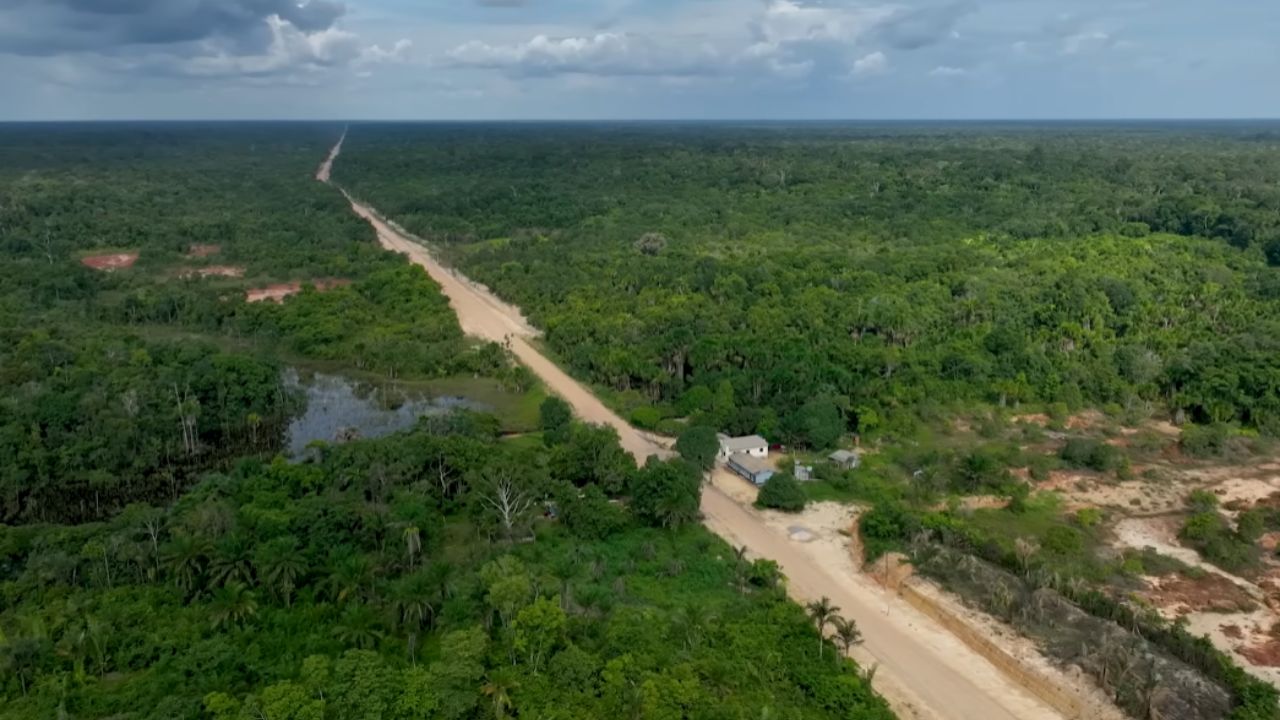


How BR-230 (Transamazonica) Became a Symbol of High Costs and BR-319 Now Faces Abandonment and a Complex Environmental Dilemma.
The image of a billion-dollar highway crossing the Amazon rainforest has become a symbol of Brazilian planning. This saga, however, does not tell the story of a single road, but rather the fusion of two monumental projects: Transamazonica (BR-230) and BR-319 (Manaus-Porto Velho). Together, they form a complex chapter of national infrastructure.
While the Transamazonica was the pharaonic project that generated astronomical costs, BR-319 demonstrates the legacy of discontinuity in maintenance. It is the road that today has sections overtaken by vegetation, as described by travelers from the “Backpacking World”, and it has become the epicenter of a new conflict: the mere expectation of its reconstruction is accelerating deforestation, according to “Mongabay”.
The Billion-Dollar Project and the Origin of a Criticism: BR-230
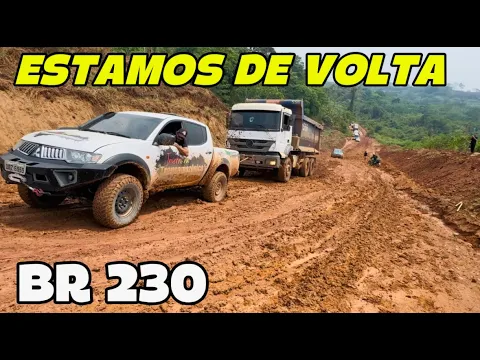

The saga begins in the 1970s, with the Military Regime and the motto “Integrate to Not Surrender”. The focus was on the Transamazonica Highway (BR-230), a geopolitical project to occupy the Amazon. The objective was not primarily economic, but rather one of sovereignty, aiming to establish the presence of the State.
-
These living root bridges and ladders are over 700 years old and help indigenous people survive in one of the rainiest regions in the world.

-
From sertanejo star to international investor: Ana Castela invests millions in a mansion in the USA, creates a themed accommodation in Orlando, and shows that the “boiadeira” also wants to grow away from the stage.

-
The 10 most stunning motorhomes in the world: a $3 million trailer with a rooftop nightclub and garage for a Ferrari, “palaces on wheels” with Italian marble, private cinema, and five-star hotel luxury for billionaires.
-
Trump wanted to spend $400 million on the White House, but the courts prohibited the million-dollar construction.
The cost, in fact, exploded, and BR-230 became the original billion-dollar highway. The waste of resources and equipment was so colossal that, according to records from the Chamber of Deputies Daily of 1975, the opposition at the time used a striking expression to criticize the government: the Transamazonica was turning into a “graveyard of machines”. The metaphor at the time was a stinging political critique of waste and the partial failure of the project.
The Highway of Abandonment: BR-319 and the Advancement of the Forest
If BR-230 originated the metaphorical criticism, BR-319 (Manaus-Porto Velho) symbolizes the discontinuity in maintenance and the natural advancement of the forest. Inaugurated in 1976 to connect the Amazon to the rest of the country by land, it had a short lifespan. A report from “Mongabay” details that, due to lack of maintenance in an unforgiving environment, the road became virtually impassable as early as 1988.
Today, BR-319 is the image of a “road overtaken by vegetation”. Reports from the “Backpacking World” describe the reality of traveling through the infamous “middle section”: hundreds of kilometers without gas stations, tire repair shops, or any cell phone signal. The original asphalt gave way to uneven soil, and what remains are “mud holes” that, especially during the rainy season, turn a trip that should take hours into an ordeal of up to 40 hours.
The Current Dilemma: Pave or Preserve?
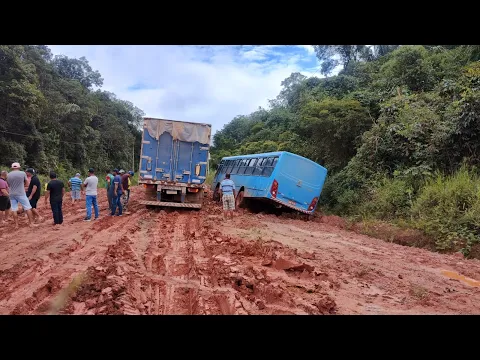
For decades, the difficult access of BR-319 has resulted in an unintentional ecological benefit. The low traffic created a natural barrier that protected one of the largest blocks of intact tropical rainforest in the world. However, for the communities living along the stretch, the road is a symbol of state abandonment. For them, paving is seen as synonymous with dignity, access to health, and basic supplies.
This is the latest chapter in the saga. The debate over the repaving of BR-319 is active, but the danger, points out “Mongabay”, is that destruction has already begun. The mere expectation of the return of asphalt is driving land grabbing (invasion and theft of public lands) and land speculation. This has generated an alarming leap of 41% in deforestation in the road’s area of influence in 2021, showing that reopening the route could significantly contribute to increased deforestation.
A Conflict Without Winners?
The saga of the billion-dollar highway is a story of geopolitical ambition that resulted in a legacy of discontinuity and a complex modern dilemma. The Transamazonica (BR-230) marked history for its cost and the political critique of the “graveyard of machines”; BR-319 today lives the real conflict between human need for connection and the risk of environmental devastation.
The future of BR-319 divides the country. On one side, the need for logistical connection and economic development for the communities and the state of Amazonas; on the other, scientists’ warnings about the risk of accelerated deforestation.
In your opinion, is it possible to find a middle ground? Do you believe that paving can be done with effective environmental control, or is the ecological cost simply too high to justify the work? We want to know what you think about this Amazonian dilemma.






É pura hipocrisia promover a COP30 e ao mesmo tempo “abrir a porteira” para grileiros, sujeitos e outros eiros mais, promoverem a devastação do coração do maior bem da natureza em nosso país que é a floresta amazônica. Não precisa pensar muito para saber que é uma questão de sobrevivência. Econômica para o agronegócio brasileiro que não poderá contar com os rios voadores formados pela floresta e também para todo planeta em razão do aumento da temperatura.
Somente uns poucos empresários devem se beneficiar dessa famigerada BR-319.
Quer ligar o Amazonas ao resto do Brasil por via terrestre? Por que não se estuda seriamente em ferrovia moderna? Os chineses estão aí para financiar.
Basta transformar em ferrovia. Mais simples, mais barato, mais rápido, mais barato, e infinitamente mais útil. Ou serei eu uma ****???
A questão mais importante é um censo das necessidades das distintas populações afetadas.