





 Portuguese
  English
  Spanish
  7 min of reading
  12 comments


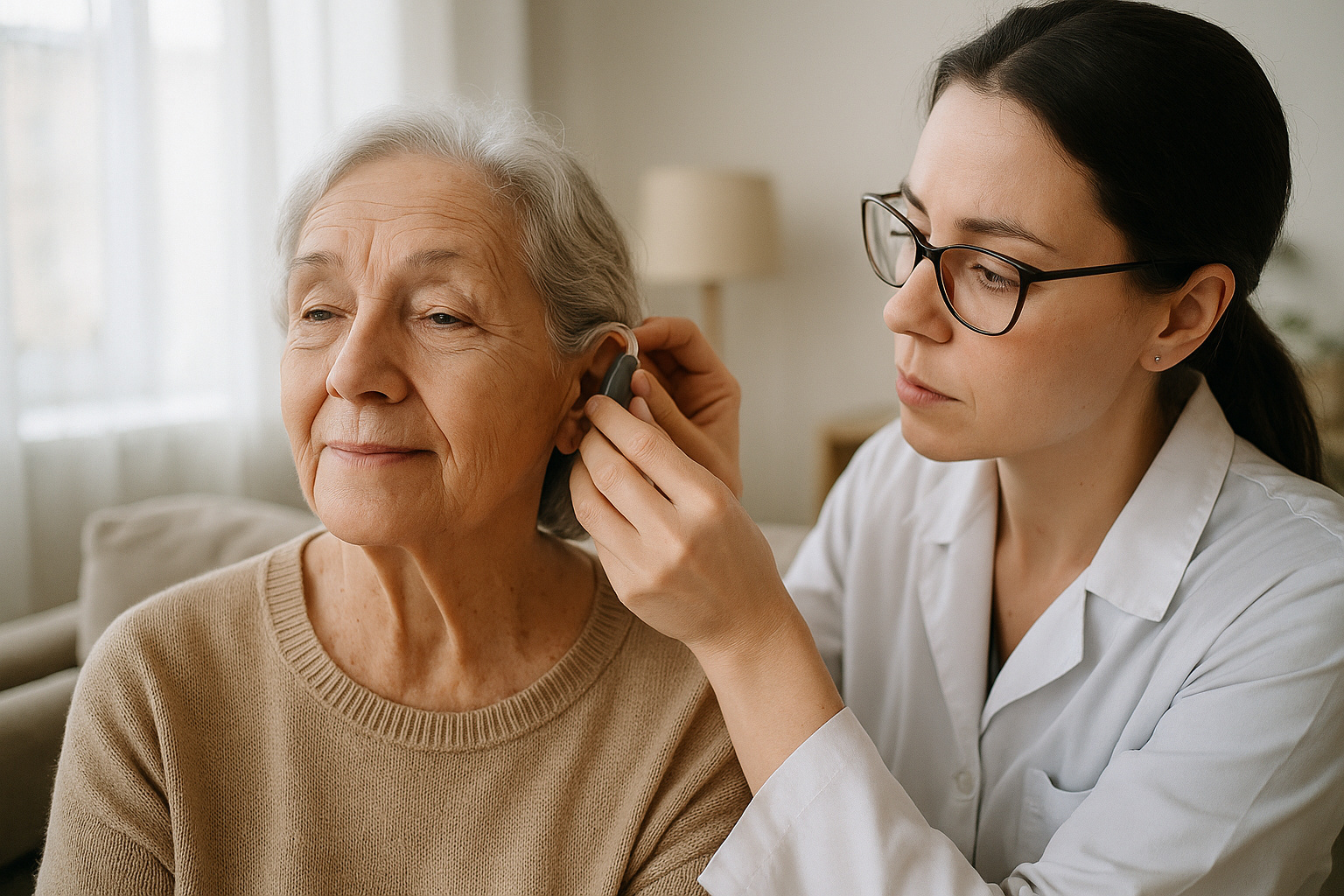


Five Corporations Control Nearly The Whole Global Hearing Aid Market, Influencing Prices And Restricting Competition. In Countries Like Brazil And Portugal, The Scenario Is Aggravated By Frauds And Disinformation That Mainly Affect The Elderly.
The Hearing Aid Industry Is One Of The Most Concentrated In The World. Currently, Only Five Major Corporations Are Responsible For About 98% Of The Global Market, Which Limits Competition And Keeps Prices High.
These Companies Are Sonova, From Switzerland; The Danish Demant And GN Store Nord; The American Starkey; And The WS Audiology Group, Resulting From The Merger Between Widex And Signia, Based In Norway, Denmark, And Singapore. According To A Report Published By Elementar, This Dominance Has Created A System In Which The Consumer Rarely Has Accessible Or Transparent Options In Practice.
In Many Countries, This Control Is Reflected In High Barriers To Entry For New Manufacturers, Preventing The Expansion Of The Supply Of Cheaper Models. Additionally, Exclusive Contracts With Health Professionals And Distributors End Up Restricting Access To Other Brands.
-
The longest public work in history began in Antiquity, spanned empires, was attempted by Nero, and was only completed 2,500 years later, turning the Corinth Canal into one of the most incredible stories of world engineering.

-
The USA invaded Brazil to create a city: founded after the war, the municipality of 250,000 inhabitants is the safest in São Paulo.

-
With a length of 399.9 meters and a capacity for over 24,346 containers, the MSC Irina becomes the largest ship in the world and revolutionizes global maritime transport.

-
With nearly 6,000 square meters and an investment of $100 million, the building that seems to move in Las Vegas has a reflective stainless steel façade, creates optical illusions, and has become a symbol of creativity worldwide.


Professionals Between Clinical Practice And Sales Model
Users On International Forums, Such As Reddit, Report Situations In Which Audiologists — Professionals Specialized In Hearing Rehabilitation — Also Act As Resellers Of Specific Brands. In These Situations, The Patient Is Advised To Purchase A Model Linked To That Brand, Which Can Raise Questions About Freedom Of Choice And Transparency In Service.
According To Testimonies Cited By Elementar, Some Patients Reported Feeling Pressured To Make A Purchase Right After The Consultation, Without Adequate Time To Compare Prices Or Seek A Second Opinion. This Type Of Practice Is More Common In Franchised Clinics Or Those Linked To Large Manufacturers, Which Offer Commissions And Incentives To Professionals Who Recommend Certain Products.
In The United States, The Group Formed By The Five Corporations Became Known As “The Big Five”, A Term Used To Refer To The Influence Of These Companies On The Global Hearing Market.
Lobbying And Resistance To Change In The North American Market
The Topic Gained International Attention In 2017 When The United States Congress Approved The Over-the-Counter Hearing Aid Act, Known As The Over-The-Counter Hearing Aid Law. The Aim Was To Allow People With Mild To Moderate Hearing Loss To Purchase Hearing Aids Directly From Pharmacies Without A Prescription — A Measure That Could Reduce Costs And Expand Access.
As Highlighted In A Report Prepared By Senators Elizabeth Warren And Chuck Grassley, Published On The Elementar Portal, Companies In The Industry Have Increased Investments In Lobbying And Communication Campaigns To Delay The Implementation Of The Law. In 2022, Spending Totaled Over US$ 1.2 Million On Political And Representative Actions, The Double The Amount Recorded In 2017.
Meanwhile, The Average Price Of A Hearing Aid Remained Around US$ 2,300, Reaching US$ 5,000 Per Pair — A High Price Compared To The Production Cost. Experts Point Out That Part Of This Price Results From The So-Called “Bundle Pricing”, A Model In Which The Consumer Pays, In The Same Package, For The Device And The Professional Services Of The Audiologist, Such As Exams, Adjustments, And Follow-ups.
This Format, Common In The United States And Europe, Is Defended By Companies As A Way To Ensure Quality Of Service, But It Also Complicates Price Transparency And The Comparison Between Products.


The New Regulation And The Attempt To Democratize Access
In 2022, The Food And Drug Administration (FDA), The Regulatory Agency Equivalent To Anvisa, Officially Approved Over-The-Counter Hearing Aids (OTC), Allowing Them To Be Sold In Pharmacies And Specialized Stores For Prices Below US$ 300. The Decision Was Considered A Milestone In The Sector, Opening Space For New Companies And Technologies.
However, According To Information From Elementar, The Market Adaptation Process Has Been Slow. Traditional Manufacturers Still Hold A Large Share Of Distribution Channels And Invest In Their Own Educational Campaigns, Which Maintains The Dominance Of The Major Brands.
In Developing Countries Like Brazil, The Scenario Is Even More Delicate. The Lack Of Adequate Oversight And The Presence Of Unlicensed Sellers Have Created A Breeding Ground For Frauds And Products Without Health Registration, Directly Affecting The Elderly Population — The Most Vulnerable Group.
Frauds And Disinformation: The Rise Of Frauds In Brazil And Portugal
While In The United States The Discussions Focus On Regulation And Corporate Lobbying, In Brazil And Portugal The Problem Takes On A Different Dimension. According To A Report Published By Elementar, The Lack Of Effective Oversight And The Vulnerability Of Elderly Consumers Have Created A Conducive Environment For Frauds And Disinformation.
In Brazil, Many Products Marketed As “Hearing Aids” Have No Registration With Anvisa. In Practice, They Are Generic Sound Amplifiers, Often Imported From China, Without Any Proof Of Safety Or Medical Efficacy. Even So, They Are Sold For Prices Ranging From R$ 3,500 To R$ 10,000, Accompanied By Promises Of “Cure” Or “Perfect Hearing”.
In Portugal, The “Product + Service” Model Of The Major Global Manufacturers Is Repeated. The Patient Is Induced To Purchase The Device Along With Consultation Packages, Molds, And Adjustments, Which Raises The Total Cost. In Some Cases, Vans Equipped As “Mobile Clinics” Travel Through Popular Neighborhoods, Offering Free Tests And Convincing Elderly People To Finance Equipment They Do Not Need.
Reports Released By The Portuguese Press Indicate Situations In Which Consumers Were Led To Sign Long-Term Credit Contracts Without Understanding That They Were Bank Loans. In One Case Mentioned By Elementar, An Elderly Woman Committed To A Financing Of 4,980 Euros (Over R$ 31,000) For A Device That Never Functioned Properly.
Oversight Failures And The Role Of The Consumer
In Brazil, The Legislation Is Clear: Every Individual Sound Amplification Device Must Have An Active Registration With Anvisa, As Established By The Board Of Directors Resolution (RDC) No. 185/2001. In Addition, The Federal Council Of Audiology, Through The Resolution No. 439/2013, Establishes That Only Companies With A Technical Audiologist Responsible Can Sell Such Products.
Despite This, Oversight Is Limited. Websites And Paid Ads Continue To Promote Products Without Certification, Using Fake Reviews And Fabricated Testimonials. The Regional Council Of Audiology Of São Paulo Emphasizes That These Devices, When Poorly Regulated, Can Worsen Hearing Loss, Comparing Inappropriate Use To “Street Vendor Glasses That Harm Vision”.
Elementar Highlights That Complaints Are Accumulating, But Digital Platforms Still Lack Effective Mechanisms To Block Irregular Ads On A Large Scale. The Situation Is Compared By Experts To The “Hydra Legend”: Each Removed Website Gives Way To Two New Ones, With New Names And The Same Practices.
The Challenge Of Free Access Through SUS
Another Sensitive Point In Brazil Is The Difficulty Of Accessing Free Hearing Aids Through The Unified Health System (SUS). Although The Benefit Exists, Many Patients Are Unaware Of This Right Or Face Long Wait Times.
According To Data From The Public Ministry Of Minas Gerais, A 2021 Legal Action Revealed That More Than 1,900 People With Hearing Impairments Had Been Waiting For The Devices For Two Years In Juiz De Fora And Surrounding Areas. The Justice System Set A Deadline Of 180 Days For Regularization, With A Daily Fine Of R$ 20,000 In Case Of Non-Compliance.
A Similar Situation Was Recorded In Tocantins In 2025, When A 58-Year-Old Driver With Severe Hearing Loss Was Waiting For Over A Year For The Prescribed Equipment. Even After A Favorable Court Decision, The Provision Had Not Yet Occurred. The Health Department Stated In A Note That “The Request Was Forwarded To The Supplying Company Within The Delivery Period.”
These Cases Illustrate The Mismatch Between Need And Public Supply, Aggravated By Bureaucracy And A Shortage Of Professionals. In Many Municipalities, The Process Requires Multiple Evaluations, Reports, And Technical Reviews, Which Delays Care And Discourages Patients.
When The Right To Hear Becomes A Privilege
The World Health Organization (WHO) Estimates That 477 Million People Worldwide Live With Some Degree Of Hearing Loss, With 48 Million In The United States And More Than 10 Million In Brazil. Projections Indicate That 1 In 4 People Will Have Some Type Of Hearing Loss By 2050.
Although 80% Of Cases Can Be Treated With Hearing Aids, Only 1 In 4 People Who Need One Uses The Device. Among The Reasons Are The High Cost, Lack Of Information, And, In Many Cases, The Fear Of Frauds.
Hearing Loss Is Not Just A Physical Problem. It Is Associated With Social Isolation, Depression, And Dementia In The Elderly. Nevertheless, The Topic Receives Little Attention From Public Policies. According To Experts Interviewed By Elementar, The Democratization Of Access Depends On Three Fundamental Pillars:
- Real Competition, With Diverse Brands And Certified Products;
- Clear Information To Consumers;
- Education About Hearing Prevention, Especially Among Young People Exposed To Noise And Earphones For Long Periods.
The Path To Accessible And Safe Hearing
Expanding Access Depends On Transparency And Education. Consumers Need To Be Informed About How To Identify Approved Products, Check Registration With Anvisa, And Be Skeptical Of Miraculous Promises. E-commerce Platforms, In Turn, Have An Essential Role In Restricting Ads For Irregular Products.
Elementar Emphasizes That When There Is Fair Competition And Effective Oversight, The Market Tends To Self-Regulate. Low-Cost And High-Quality Models Are Already Available In Some Countries, But They Face Logistical And Cultural Barriers To Reach The Brazilian Audience.
More Than An Economic Problem, It Is A Matter Of Accessibility And Dignity. The Right To Hear And Be Heard Is An Essential Part Of Social Inclusion. With Effective Public Policies, Reliable Information, And Corporate Responsibility, It Is Possible To Make Hearing An Accessible Right, Not A Privilege For Sale.
In The Face Of An Ever More Concentrated Market, With Reports Of Disinformation, High Prices, And Lack Of Oversight, How Do You Believe Access To Hearing Aids Could Be Democratized? Do You Know Someone Who Has Faced Difficulties, Frauds, Or False Promises When Trying To Regain Their Hearing? Share Your Opinion And Experience In The Comments.





Uso o aparelho a mais de 2 anos mas já me tentaram até fazer seguro.Isto e uma máfia.Obrigado pela reportagem,muito boa.
Eu moro em Belo Horizonte eu e minha mãe usamos aparelhos Auditivo fomos encaminhados para o programa da prefeitura através do posto de saúde e graças à Deus conseguimos os aparelhos sem custo.
Primeiro passo é pedir no encaminhamento para um Otorrino para avaliação.
Abraço a todos!
Não desista é um direito seu.
Fui diagnosticada com doença de Parkinson há quatro anos. Por mais de dois anos, dependi da levodopa e de vários outros medicamentos, mas, infelizmente, os sintomas continuaram piorando. Os tremores se tornaram mais perceptíveis e meu equilíbrio e mobilidade começaram a declinar rapidamente. No ano passado, por desespero e esperança, decidi experimentar um programa de tratamento à base de ervas da NaturePath Herbal Clinic.
Sinceramente, eu estava cética no início, mas, poucos meses após o início do tratamento, comecei a notar mudanças reais. Meus movimentos ficaram mais suaves, os tremores diminuíram e me senti mais firme ao caminhar. Incrivelmente, também recuperei grande parte da minha energia e confiança. Tem sido uma experiência transformadora. Me sinto mais eu mesma novamente, melhor do que me sentia há anos. Se você ou um ente querido está lutando contra a doença de Parkinson, recomendo muito que você considere a abordagem natural deles. Você pode visitar o site deles em www. naturepathherbalclinic .com