





 Portuguese
  English
  Spanish
 5 min of reading
  6 comments


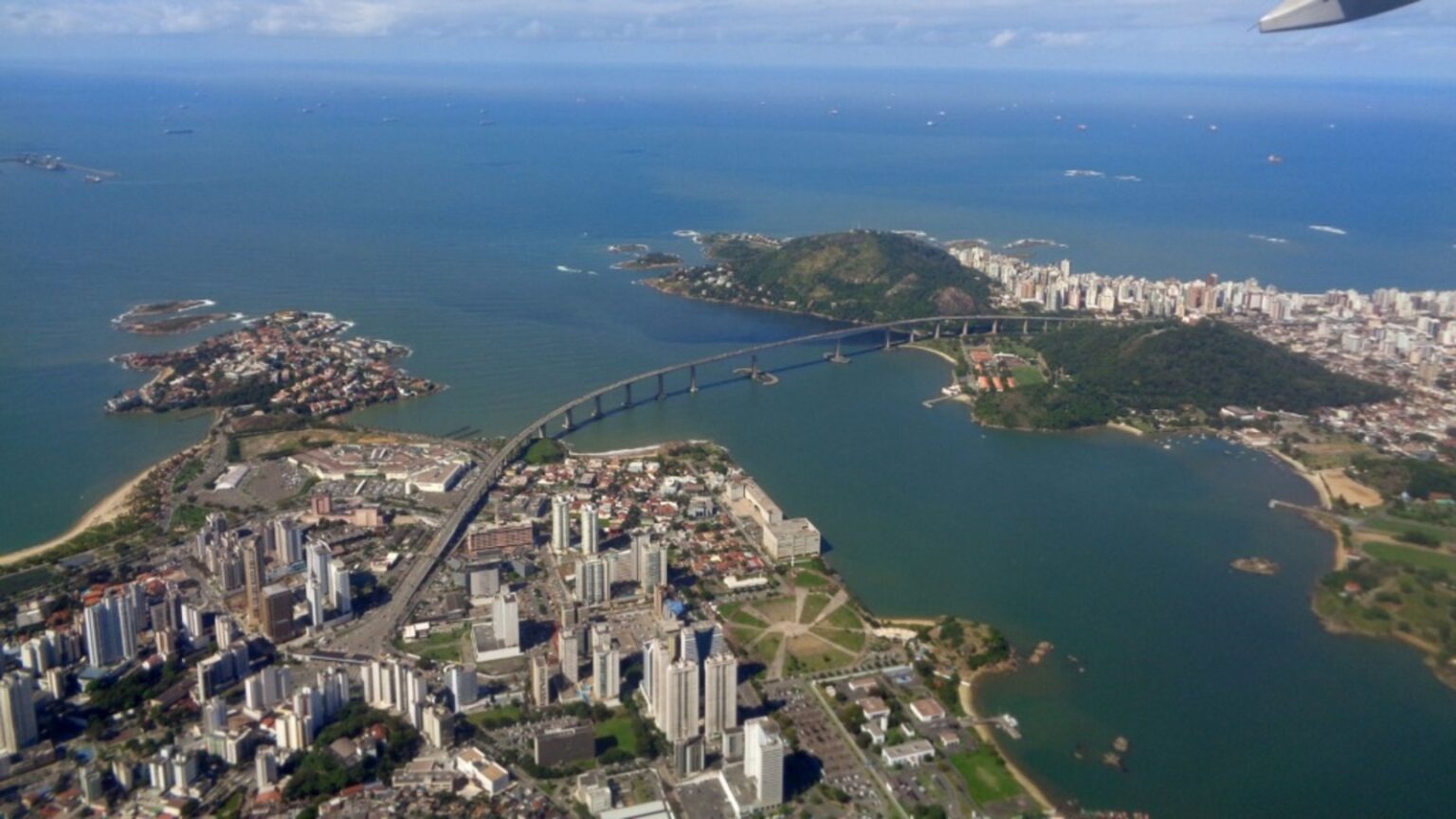


Vitoria Stands Out by Combining Beaches, Hills, and Efficient Infrastructure, Offering High Quality of Life, Good Mobility, and Valued Neighborhoods That Attract Residents and Visitors
Vitoria draws attention because it combines urban areas with postcard-like landscapes. The city spreads across bridges, bays, and small islands, creating scenes that impress both residents and visitors.
The geography marked by hills, water, and islands earned it the nickname “Island of Honey.” This view reinforces the sense that the capital of Espírito Santo offers its own unique rhythm.
The Human Development Index of 0.845, according to UNDP, highlights the quality of life. This number places Vitoria among the best capitals in the country, behind only Florianópolis.
-
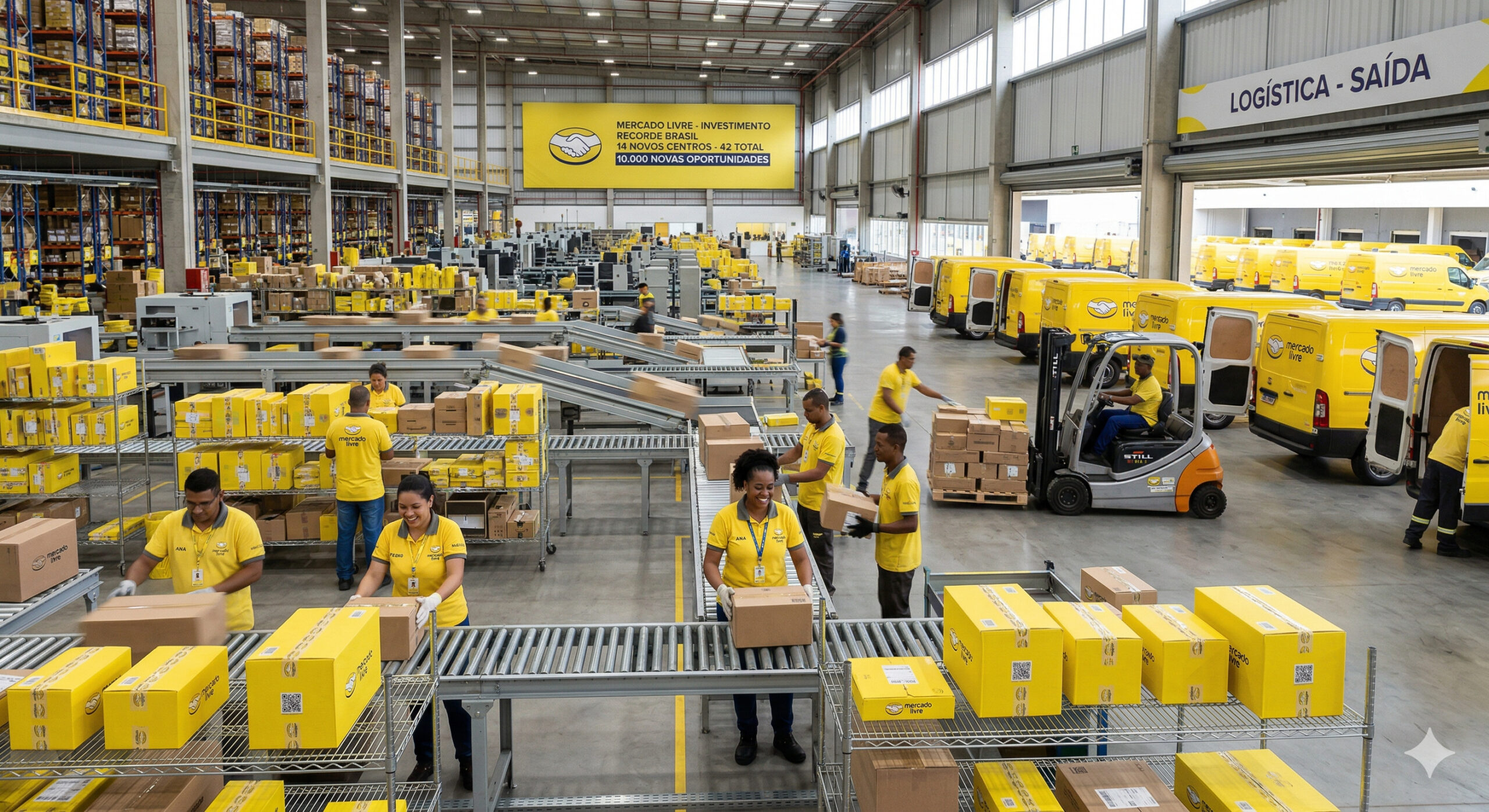
Mercado Livre “opens the vault” and announces a record investment of R$ 57 billion in Brazil in 2026, a value 50% higher than the previous year, with an expansion plan that includes 14 new logistics centers, totaling 42 units in the country and hiring an additional 10,000 employees.
-
How investment in technology can revolutionize the national economy and enhance industrial gains, according to a study that highlights the direct impact on productivity, innovation, and wealth retention within Brazil.

-
The largest food company on the planet, JBS, has just opened a 4,000 square meter laboratory in Florianópolis to develop customized proteins that modulate muscle mass gain, immune response, and metabolic performance.

-
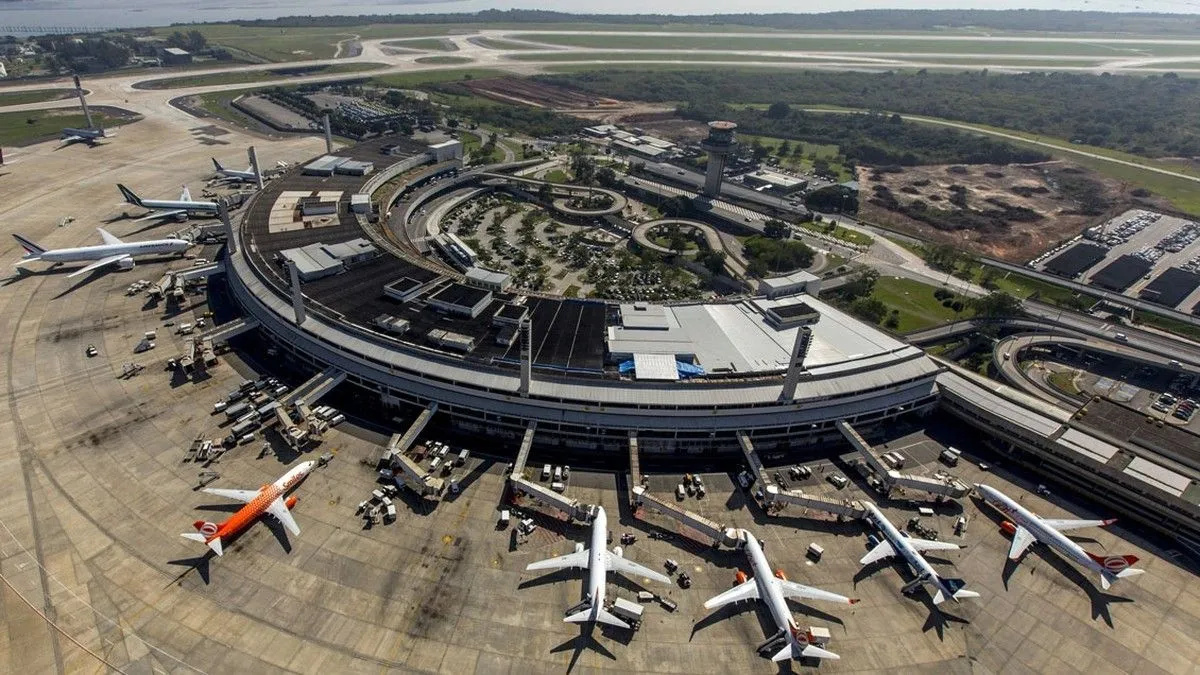
After nearly 30 bids and competition among industry giants, a Spanish company purchases one of the largest airports in Brazil for almost R$ 3 billion and takes over the management of Galeão in a concession that will last until 2039.

This result is reflected in more efficient public services and well-maintained streets. Therefore, many residents claim that the city manages to balance tranquility and modernity.
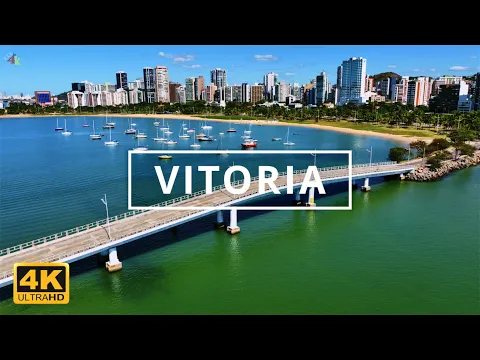

Furthermore, the routine tends to flow without major disruptions, even with the typical movement of a metropolis. This can be noticed in traffic, services, and the availability of public spaces.
The local economy relies on commerce, services, and the Port of Vitoria. This port is one of the most significant in Brazil and handles a large portion of the region’s operations.
The economic diversity ensures stability for the approximately 365,000 inhabitants. According to IBGE, this combination strengthens the job market and attracts new residents.
Infrastructure That Influences Well-Being
The urban infrastructure is one of the pride points among the residents of Espírito Santo. The city continuously invests in sanitation, mobility, and the preservation of green areas.
These improvements create a functional urban mesh integrated with the natural environment. Therefore, those living in Vitoria easily perceive this organization.
Some neighborhoods receive enhanced policing and have active social programs. This contributes to the sense of security.
The combination of security and urban planning attracts families and professionals. Many seek to live in a capital with good infrastructure without giving up tranquility.
Additionally, the public health system presents good indicators. The municipal schools also maintain positive performance, reinforcing the quality of life. These factors directly influence the decision of those choosing to live in the city.
Valued Neighborhoods and Distinct Lifestyles
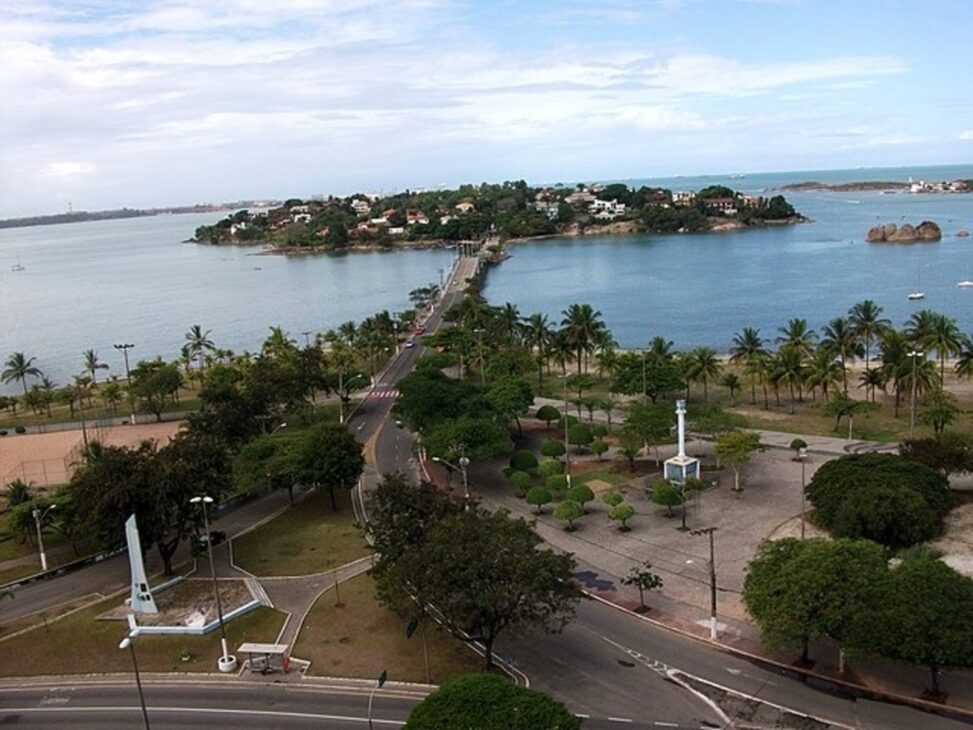
Praia do Canto is one of the most desired areas in Vitoria. The neighborhood features restaurants, various shops, and a lively boardwalk that attracts those who appreciate convenience. This coastal environment pleases those who enjoy walking by the sea.
Jardim Camburi presents a different style. The neighborhood has a family-friendly atmosphere and is close to Camburi Beach, which stretches six kilometers.
The area has schools, shopping centers, and many community spaces. This explains the constant demand for housing in the neighborhood.
Jardim da Penha is also highly sought after. The greenery and its proximity to the Federal University of Espírito Santo create a tranquil and residential environment.
Enseada do Suá is remembered for its views of the sea and lagoon. The neighborhood combines modernity and strategic location.
Santa Lúcia maintains a traditional air. The bustling commerce and good service options make the neighborhood a practical choice for those seeking mobility.
Tourist Spots That Define the Capital
Vitoria offers attractions that mark the visitor’s experience. The Convento da Penha, located in Vila Velha, is one of the most famous religious symbols in the country.
The sanctuary is perched on a cliff and provides one of the most beautiful views of the region. The area receives pilgrims and visitors year-round.
Praia de Camburi stands out as a meeting point. The bike path, kiosks, and sunset attract residents and tourists at any time.
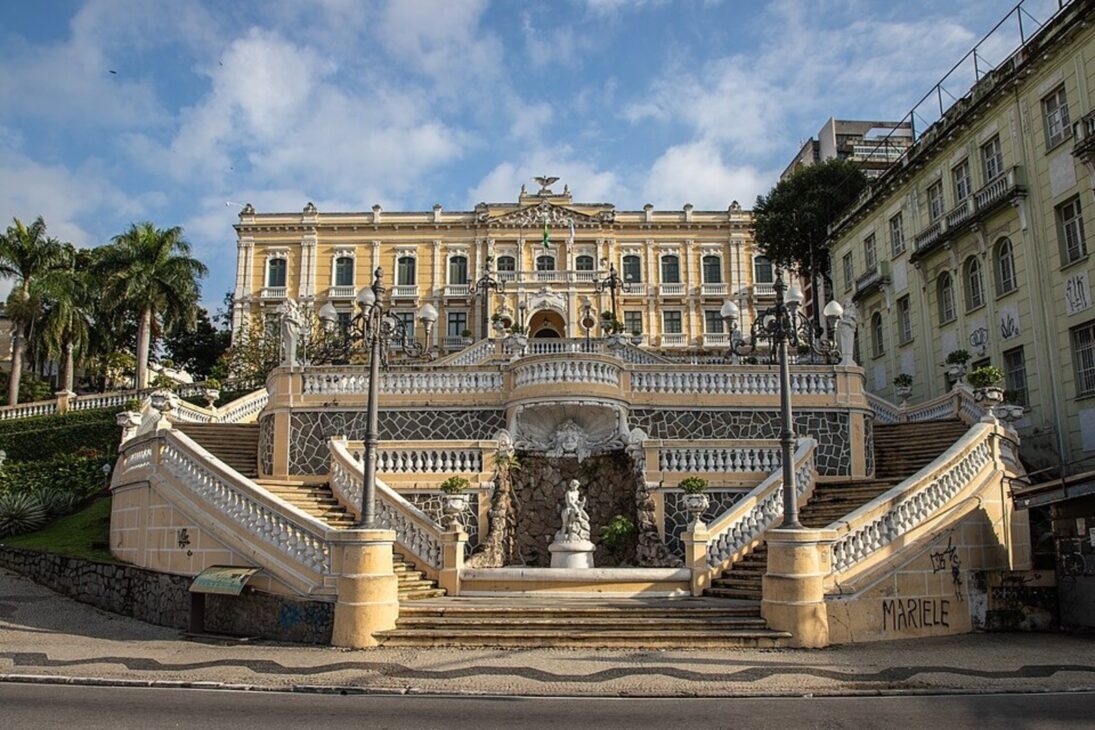
The Anchieta Palace, from 1570, marks the presence of history. Today, the site houses the state government and a museum featuring sacred art pieces.
Parque da Fonte Grande offers direct contact with nature. The lookout at 308 meters high ensures a broad view of the city.
Ilha do Frade completes the set. The calm waters enchant those looking for diving or peaceful boat rides.
Traditions, Faith, and Capixaba Flavors
The culture of Vitoria is marked by events, celebrations, and gastronomy. The local Carnival is one of the most lively in the Southeast, featuring parades and street blocks.
The Festa da Penha occurs in April and mobilizes the entire metropolitan region. It is one of the largest religious events in Brazil.
The Theatro Carlos Gomes, built in 1927, maintains a schedule of theater, dance, and music. The venue reinforces the importance of culture in the daily lives of residents.
Capixaba cuisine has very strong symbols. The moqueca prepared in a clay pot and without dendê is a state heritage.
At the Vila Rubim Market, residents and tourists find traditional dishes. Torta capixaba and crab are among the most sought options.
The fairs at Praça dos Namorados and Triângulo das Bermudas expand the cultural circuit. These spaces offer handicrafts, live music, and typical foods.
Sunny Climate and Light Routine
Vitoria is nicknamed the “City of the Sun.” The pleasant climate and sunny days are striking characteristics.
Between March and November, temperatures range from 23 °C to 28 °C, according to Climatempo.
These months are ideal for enjoying the beaches and outdoor activities.
Summer makes the city busier. Between December and February, the coastline fills up, and the pace intensifies.
During winter, temperatures rarely drop below 20 °C. This period attracts those seeking tranquility and more affordable accommodations.

A Capital That Stands Out in the Country
Vitoria ranks among the most competitive capitals in Brazil. The Center for Public Leadership attributes this distinction to good urban management.
Parks like Pedra da Cebola and Moscoso illustrate how the city preserves greenery. These spaces ensure environmental balance and well-being for the residents.
Mobility also receives constant attention. The capital encourages bicycles and prioritizes sustainable transport.
A Place Where the Sun Meets Quality of Life
Vitoria symbolizes the union of natural landscapes and efficient planning. The capital offers urban beaches, organized public services, and welcoming residents.
Those walking along the boardwalk notice why the city has gained national recognition. Between the sea and the mountains, Vitoria maintains its own shine on the Brazilian map.
With information from Correio Braziliense.






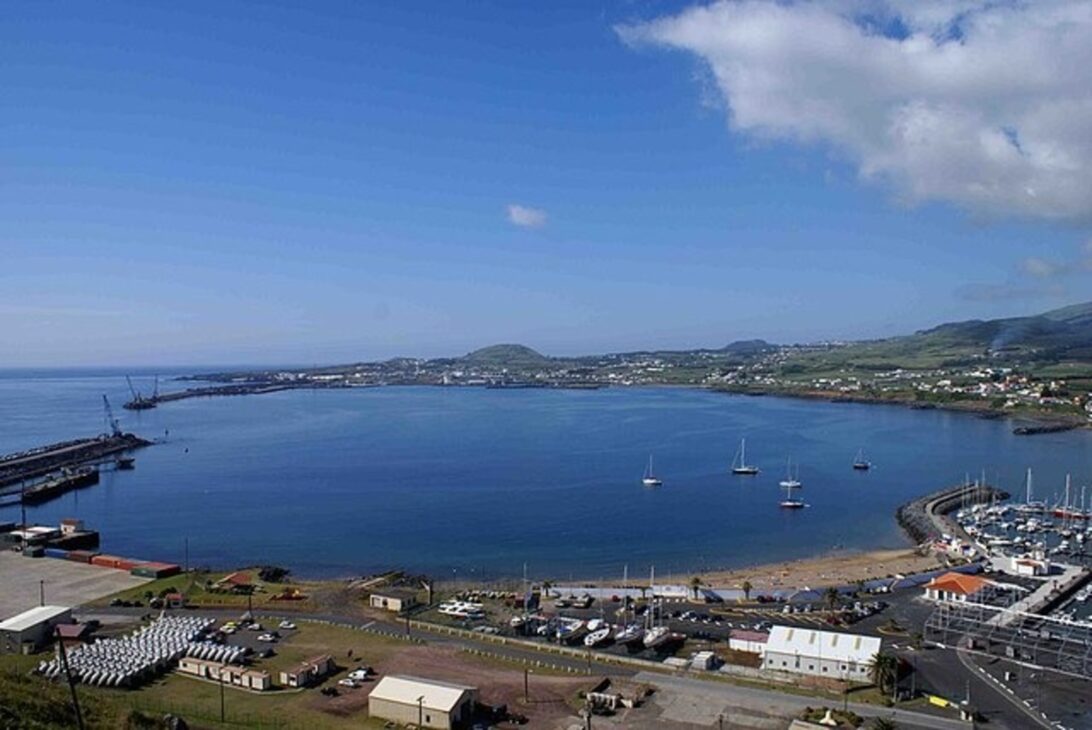
Postaram uma foto que não é de vitória, sequer é no ES. A IMAGEM: “Baía da Praia da Vitória, Prainha. Foto: Wikimedea Commons”
O calcanhar de Aquiles é a siderúrgica e o porto de Tubarão; por onde sai grande parte da produção da Vale, e fica encravado bem no meio de toda essa maravilha. Tem dias que é difícil respirar com tanta poeira preta do minério de ferro espalhada no ar.
Verdade
Mentira. Exagero!
Estou voltando..rsss