





 Portuguese
  English
  Spanish
  3 min of reading
  0 comments


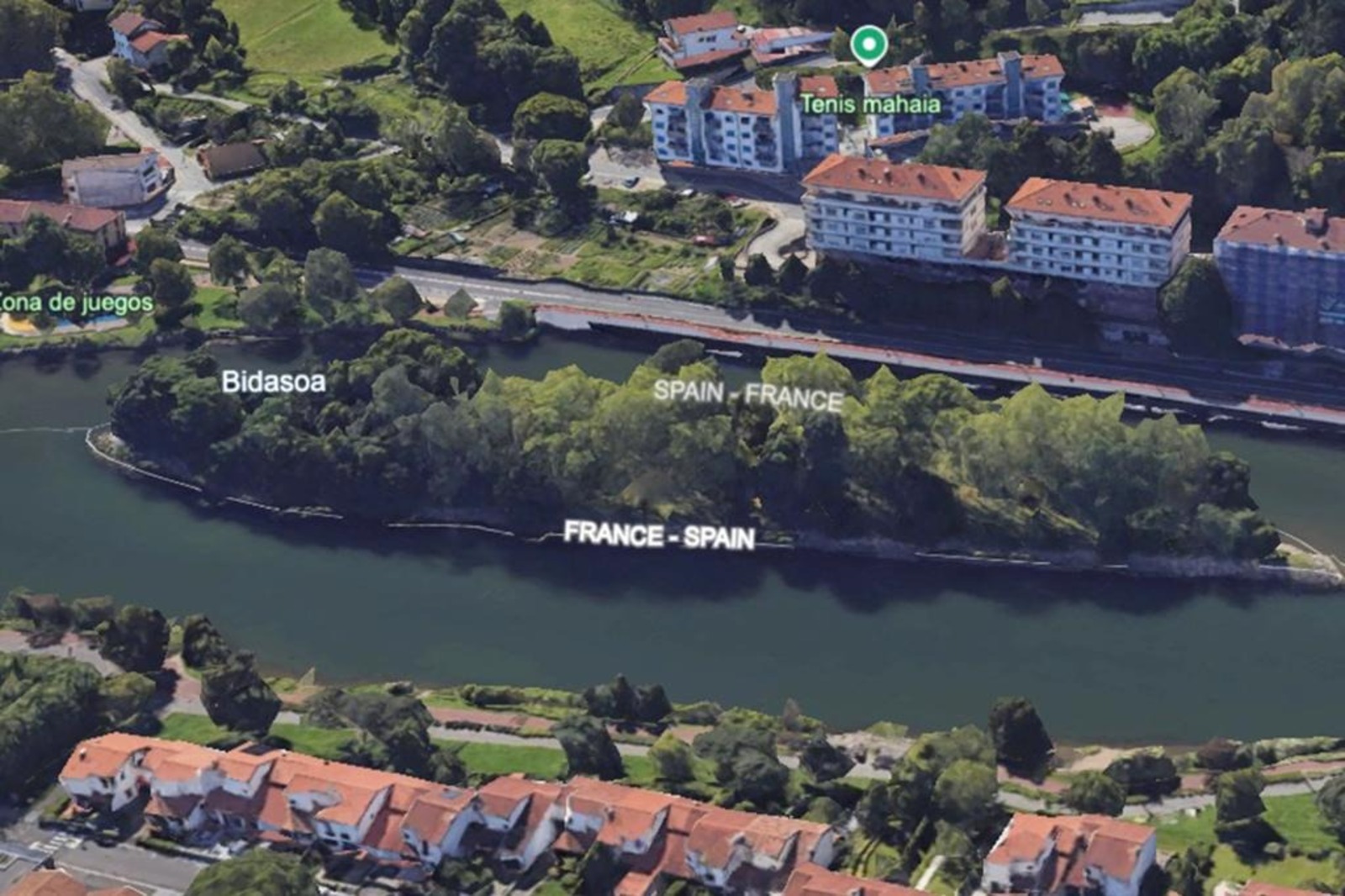
Small European Island Alternates Spanish And French Rule Every Six Months, Following 1659 Treaty That Maintains Historical Neutrality, Symbolic Military Ceremony And Restricted Access, Preserving Unique Diplomatic Memory On The Bidasoa River To This Day
A small European island switches nationality every six months because it follows an ancient treaty made between Spain and France. This constant change draws attention because the agreement is over three centuries old and is still in effect.
The Isle of The Pheasants is located between Irun and Hendaye. It is an uninhabited stretch of 200 meters in the Bidasoa River. The site is under Spanish administration for half the year and under French administration for the other half.
Historical Origin
The alternation derives from the Treaty of the Pyrenees. The document was signed on November 7, 1659. The agreement ended the Franco-Spanish War and designated the island as the border between the two nations.
-
Spain challenges the USA and closes its airspace for operations against Iran, raising global tension and provoking the threat of a trade rupture.

-
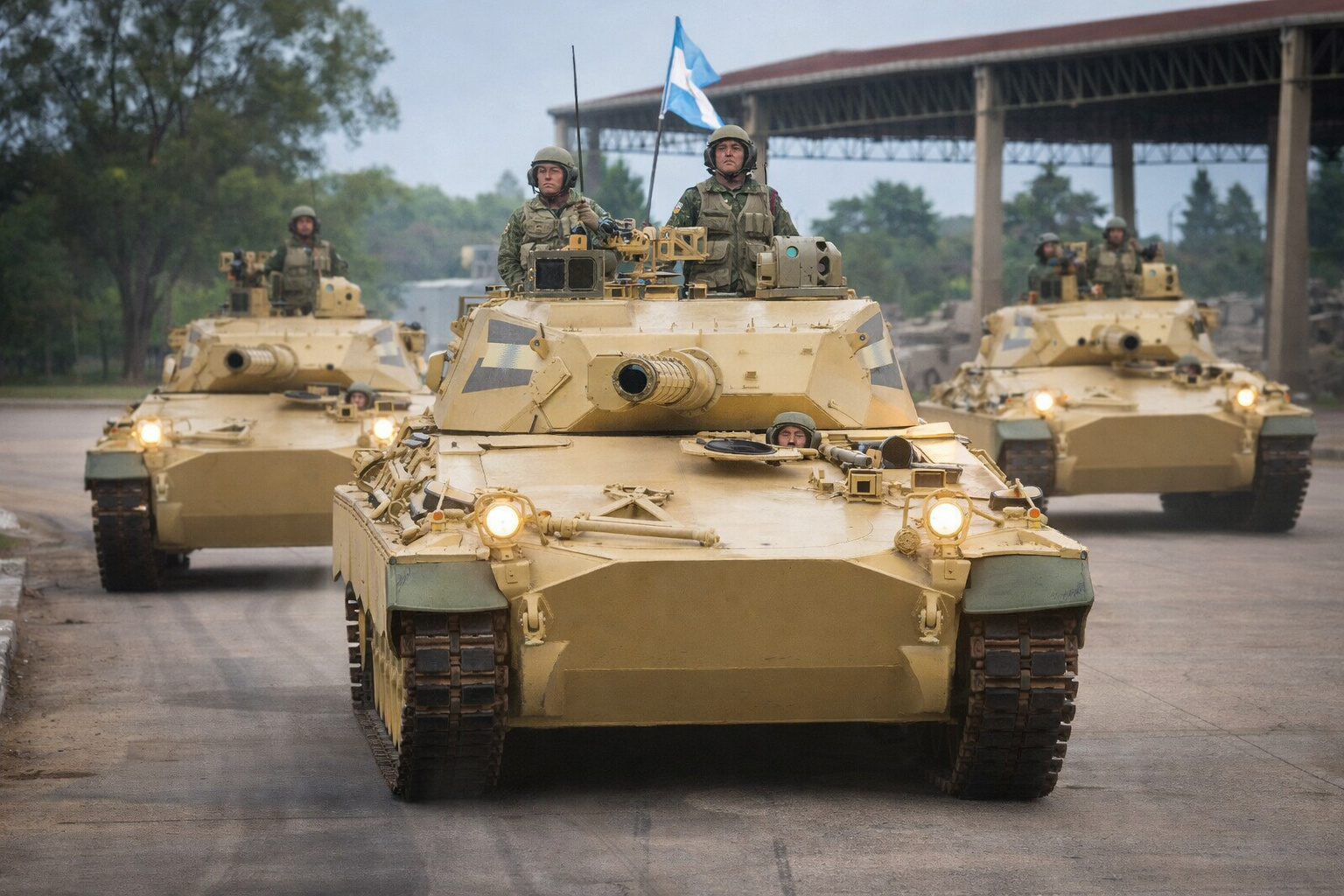
While no other country manufactures tanks in Latin America, Argentina activates the TAM 2C-A2 and raises a curiosity about the technological lag in the region.
-
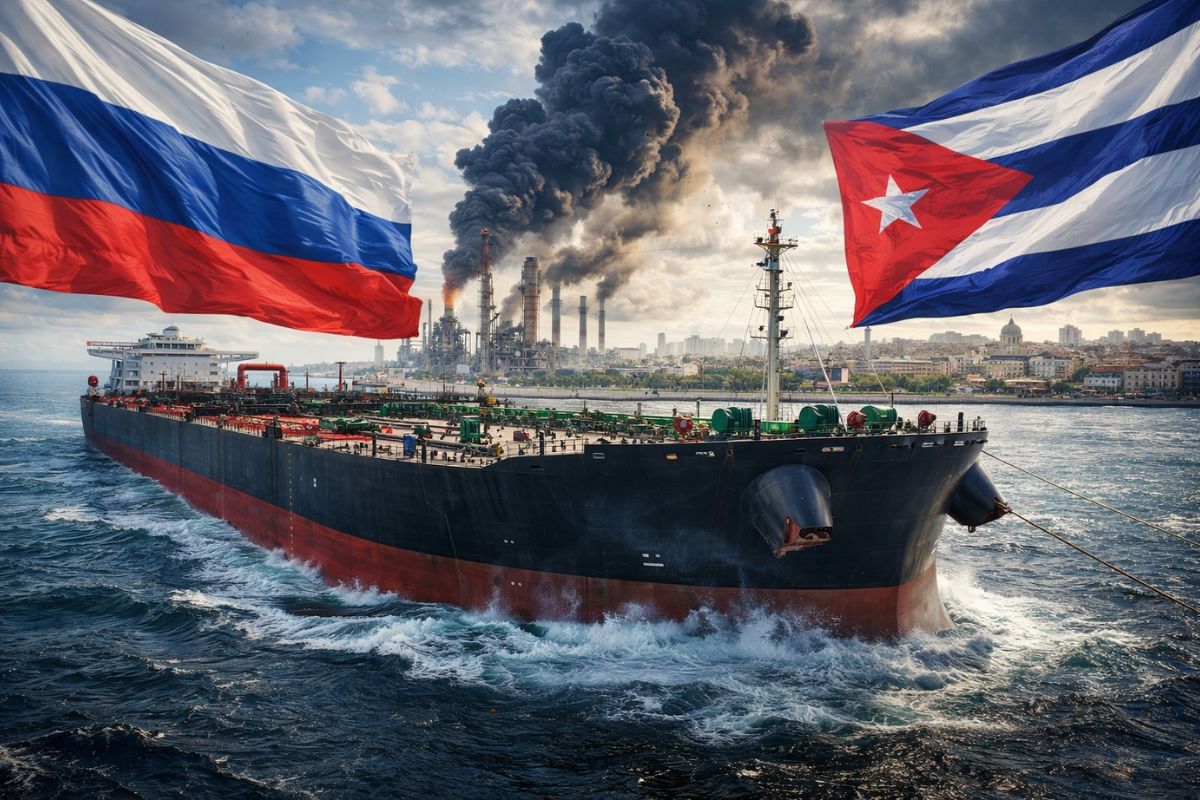
A Russian ship with 730,000 barrels of oil has just arrived in Cuba while Mexico negotiates fuel sales through private companies: the communist island is desperately seeking alternatives after losing its supply from Venezuela due to American military action.
-
Iranian drones and missiles destroyed a 270 million dollar American spy plane in Saudi Arabia, splitting the E-3 Sentry aircraft in half and injuring 12 military personnel in an attack that exposes the vulnerability of U.S. bases in the Persian Gulf.


The territory is under Spanish control from February 1 to July 31. Then, it passes to French rule from August 1 to January 31.
This cycle remains in place to this day. The alternation continues unchanged and reinforces the historical continuity of the treaty.
“When the wars between France and Spain ended, they kept the island as a neutral space,” said Sylvie Salaberria Mercier from the tourism sector in Hendaye. The statement highlights how neutrality has become a regional symbol to this day.
Memory And Symbolism
“It is a small island, but a reminder of the past. A reminder of wars and a reminder of peace.” This statement summarizes the symbolic weight of the place, which remains uninhabited and preserved.
A monolith was erected in the center of the island to record this history. The inscription highlights the cooperation between the two countries and reinforces the diplomatic value of the place.
The monument stands as a reference for visitors and scholars interested in the agreement.
Semiannual Ceremony
The power exchange occurs twice a year. The ceremony includes a formal military parade. The event takes place around the monolith, which has become the focal point of the celebration.
The island is known as the smallest condominium in the world. This nickname reinforces the curious administrative division and the idea of two rules coexisting in the same space.
Island Curiosities
The island hosted the meeting between Louis XIV and Maria Theresa of Spain. This moment marked the union that influenced European politics.
The area is densely wooded. Ironically, there are no pheasants there.
The space is only open to the public during the semiannual celebrations. The strict control ensures preservation.
The small bipartite island is located in the Basque Country. Access is restricted to military personnel.
With information from New York Post.







-

-

2 pessoas reagiram a isso.