





 Portuguese
  English
  Spanish
 5 min of reading
  31 comments


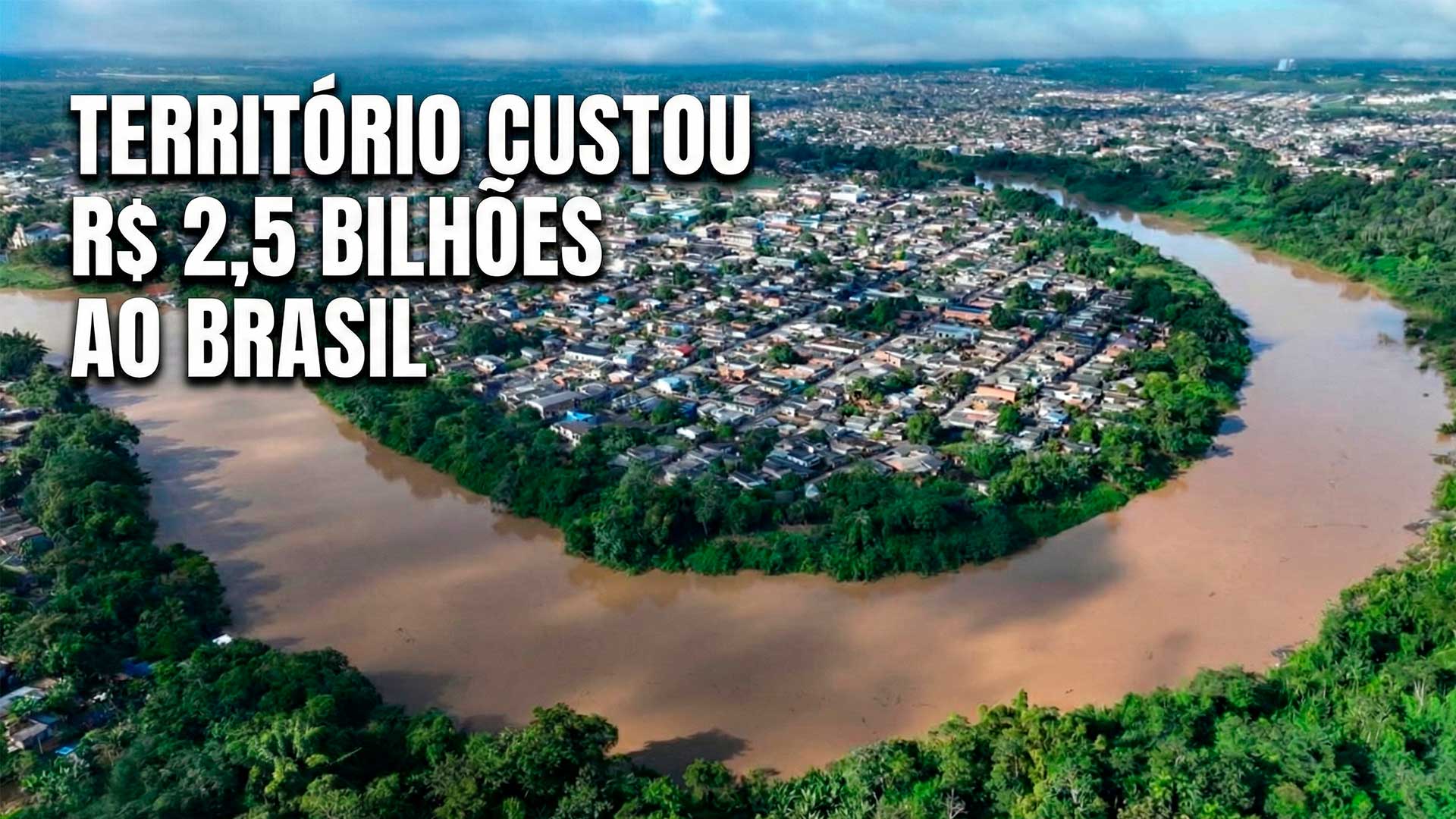


Acre, which officially entered the Brazilian map in 1903 after the Treaty of Petrópolis, now ranks among the states with the highest growth in the national economy, with GDP rising sharply and exports expanding.
Acre has once again gained national prominence by appearing as the third state that grows the most in Brazil in the 2024 State Competitiveness Ranking, produced by the Public Leadership Center (CLP). The highlight comes from the market potential pillar, which considers, among other factors, the rate of real GDP growth.
The CLP study uses about a hundred indicators distributed across pillars such as infrastructure, fiscal solidity, human capital, public safety, and innovation. The idea is to measure not only the size of the economy but also the capacity to sustain growth over time. In this context, Acre ranks just behind Roraima and Tocantins, states that are also being boosted by agribusiness and the expansion of services.
In practice, the result reflects an unusual economic performance for a state that represents about 0.2% of Brazil’s GDP.
-
Brazil Ignores Trump’s threats to BRICS, Buys 42 tons of gold and reduces the Dollar’s share by 6.45% in international reserves.

-
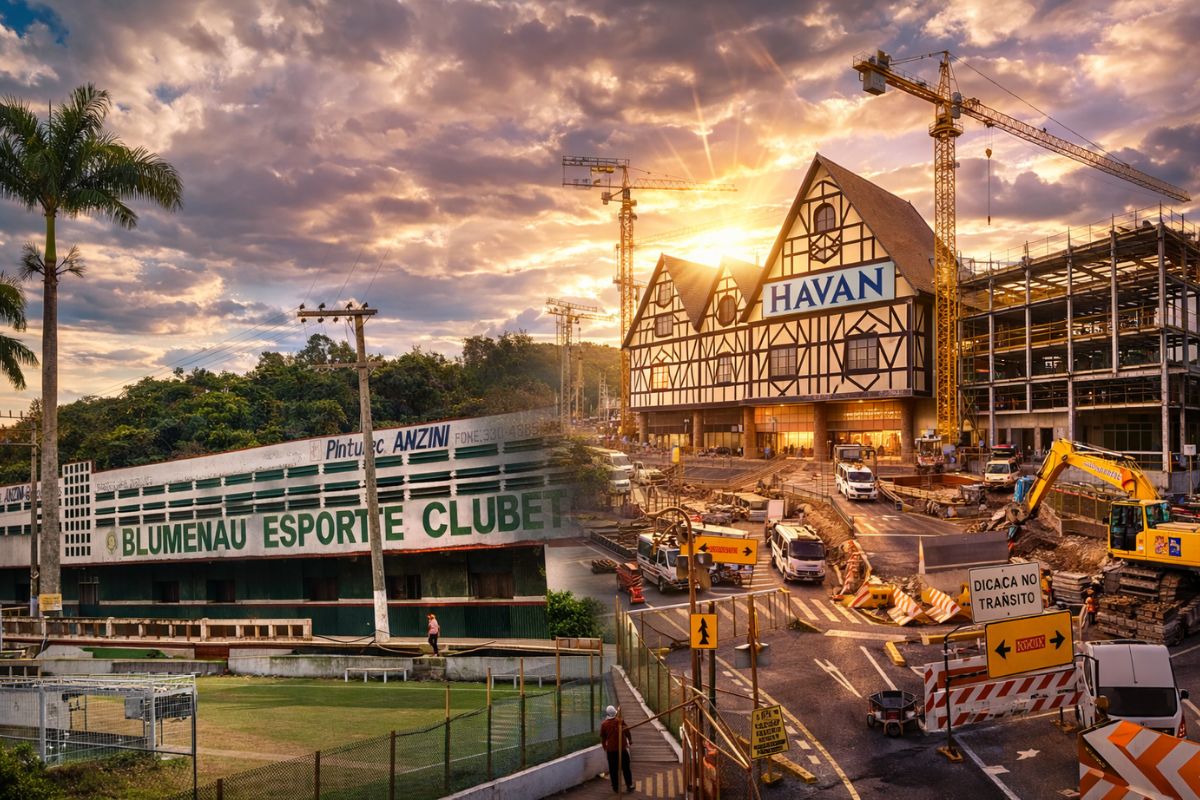
Havan buys historic football land in Blumenau for a million-dollar amount protected by a confidentiality clause and is already planning to change even the layout of streets to build a megastore in half-timbered style costing 80 million reais.
-
Mercado Livre “opens the vault” and announces a record investment of R$ 57 billion in Brazil in 2026, a value 50% higher than the previous year, with an expansion plan that includes 14 new logistics centers, totaling 42 units in the country and hiring an additional 10,000 employees.

-
How investment in technology can revolutionize the national economy and enhance industrial gains, according to a study that highlights the direct impact on productivity, innovation, and wealth retention within Brazil.


In 2024, Acre’s Gross Domestic Product totaled R$ 26.3 billion and recorded real growth of 14.7%, the largest increase in the historical series that started in 2002 and the highest among all federative units, according to IBGE and reports from the state Planning Secretariat.
This growth was significantly higher than the national average, where the economy advanced by 3.2% in 2023, and also above the North Region, which grew 2.9% in the same period. In the assessment of economists consulted by local media, Acre benefits from a combination of a still small economic base, agribusiness expansion, and the resumption of public investment in infrastructure, which increases the year-over-year variation rate.
From the Treaty of Petrópolis to the Recent Economic Leap
The contrast between the past and the present helps explain the renewed interest in the state. On November 17, 1903, the Treaty of Petrópolis ended the territorial dispute between Brazil and Bolivia and ensured Acre’s annexation to Brazilian territory. Under the agreement, Brazil paid 2 million pounds sterling to Bolivia, committed to building the Madeira Mamoré Railway, and ceded small portions of land at the border.
In updated values, the figure is often estimated at around R$ 2.5 billion, according to recent reports that compare the original amount with parameters of purchasing power and exchange rate correction.
The purchase, motivated at the time by the wealth generated by the rubber cycle and latex production, is now remembered as a symbol of how a territory once considered peripheral has gained weight on the national economic agenda.
Acre’s history also coexists with popular myths, such as the idea that the state was purchased for a horse, a folkloric version debunked by historians and scientific publications. In reality, the agreement was a complex negotiation of borders and financial compensation, conducted by Baron of Rio Branco at a time of redefining the political map of the Amazon region.
Exports and Agribusiness Drive Acre’s GDP Growth
Behind the current numbers, the main driver of Acre’s growth lies in exports linked to agribusiness. Between January and October of this year, the state recorded a 12% increase in external sales, primarily driven by shipments of beef, pork, and soy. During the same period, the trade surplus reached US$ 80.2 million, while imports fell by 7.1%, according to data from the Ministry of Development, Industry, Trade and Services (MDIC) compiled by the state government.
This local performance aligns with the national scenario, where agribusiness continues to be one of the main vectors of Brazil’s trade balance. Recent reports indicate that the sector’s exports remain at record levels, particularly for meats and soy, which helps explain the strong international demand for products originating from the Amazon and the Midwest.
In the case of Acre, agriculture carries even more weight, as the productive structure is more concentrated in beef cattle, grains, and legal timber than in manufacturing. The GDP growth of 14.7% in 2023 is directly linked to the advancement of this sector and the recovery of slaughterhouses authorized to export to new markets, according to analyses by local economists and data released by the state government itself.
At the same time, there are signs of expansion in services, commerce, and activities related to public administration, which historically have a significant share in Acre’s economy. The combination of public spending, infrastructure investments, and dynamism in the field creates a multiplier effect on income and consumption, enhancing the state’s position in national performance rankings.
However, experts point out that part of this leap is linked to a smaller economic base, making positive variations appear more intense in percentage terms. This does not diminish the relevance of the movement, but reinforces the need to focus on the quality and sustainability of growth, and not just the size of the annual rate.
Challenges for Acre Amid the Economic Boom
Despite the favorable moment, Acre still faces significant challenges in areas that also weigh on the States Competitiveness Ranking. The CLP indicates that the state remains in intermediate or low positions in indicators such as infrastructure, basic education, public safety, and innovation, showing that the GDP increase does not solve, on its own, historical development issues.
Another point of concern is the need to reconcile agribusiness expansion with environmental preservation. Part of Acre’s territory is located in sensitive areas of the Legal Amazon, and socio-environmental organizations warn of the risk of increased deforestation and pressure on traditional peoples if the opening of new productive areas is not accompanied by oversight and sustainable production technology.
Moreover, the very concentration of the economy in a few sectors makes the state more vulnerable to commodity price fluctuations and changes in international trade rules. For analysts, the challenge in the coming years will be to transform the current growth cycle into productive diversification, strengthening value chains linked to bioeconomy, nature tourism, and light industry, reducing the exclusive dependence on agriculture.
For all these reasons, Acre today occupies an ambivalent place on the map of Brazilian development: while it serves as an example of accelerated growth, it continues to be a laboratory for reconciling social inclusion, forest protection, and economic competitiveness in an Amazon border region. The outcome of this balance or imbalance will determine whether the label of “third fastest-growing state” will be a passing phenomenon or a mark of lasting transformation.
For you, this recent boom is proof that the state can become a new frontier for sustainable development or just a reflection of a small base that distorts the statistics. Leave your comment and tell us if you believe that the “R$ 2.5 billion deal” made in 1903 is finally paying off or if the country still overestimates this growth.








O Amazonas pagou a compra do Acre e, nada recebeu até hoje
O Amazonas parou a Compra do Acre e, até hoje não recebeu nada.
Eu vivo aqui e não vejo esse progresso. Ruas dos municípios esburacadas. A BR 364 a rodovia que interliga os municípios do Acre ao Brasil uma total destruição. Custo de vida alto. O M2 construído mais caro do Brasil, depois do DF. O estado é totalmente dependente de auxílios federais. Bolsa família é o carro chefe da economia. Pessoas migraram da zona RURAL. Então…