





 Portuguese
  English
  Spanish
  4 min of reading
  21 comments





Railway Investments Gain Strength in the Country with Ambitious Targets and Structural Works That Promise to Transform National Logistics.
The federal government foresees R$ 94 billion in railway investments in the coming decades, aiming to rebalance the country’s transport matrix and reduce dependence on highways, as stated by the Minister of Transport, Renan Filho, on the program Canal Livre of TV Bandeirantes.
According to him, Brazil currently moves about 18% of its production by rail.
The goal is to raise this percentage to approximately 35% by 2040, enhancing logistical efficiency and strengthening export corridors.
-
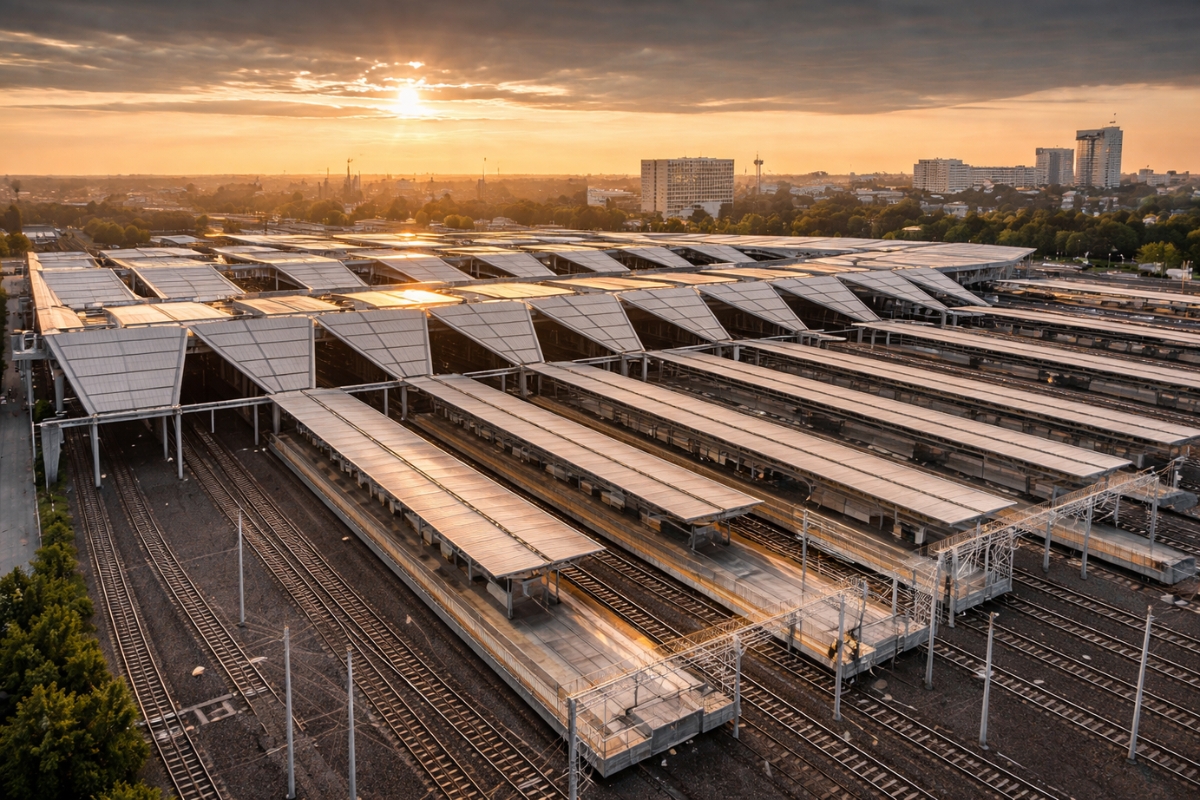
In A European City, The Country’s Largest Railway Junction Was Modernized Without Closing Its Doors, Kept Trains Running During Years Of Construction, Now Serves Up To 60,000 Passengers Per Day, And Installed Solar Panels That Generate About 30% Of Its Energy
-
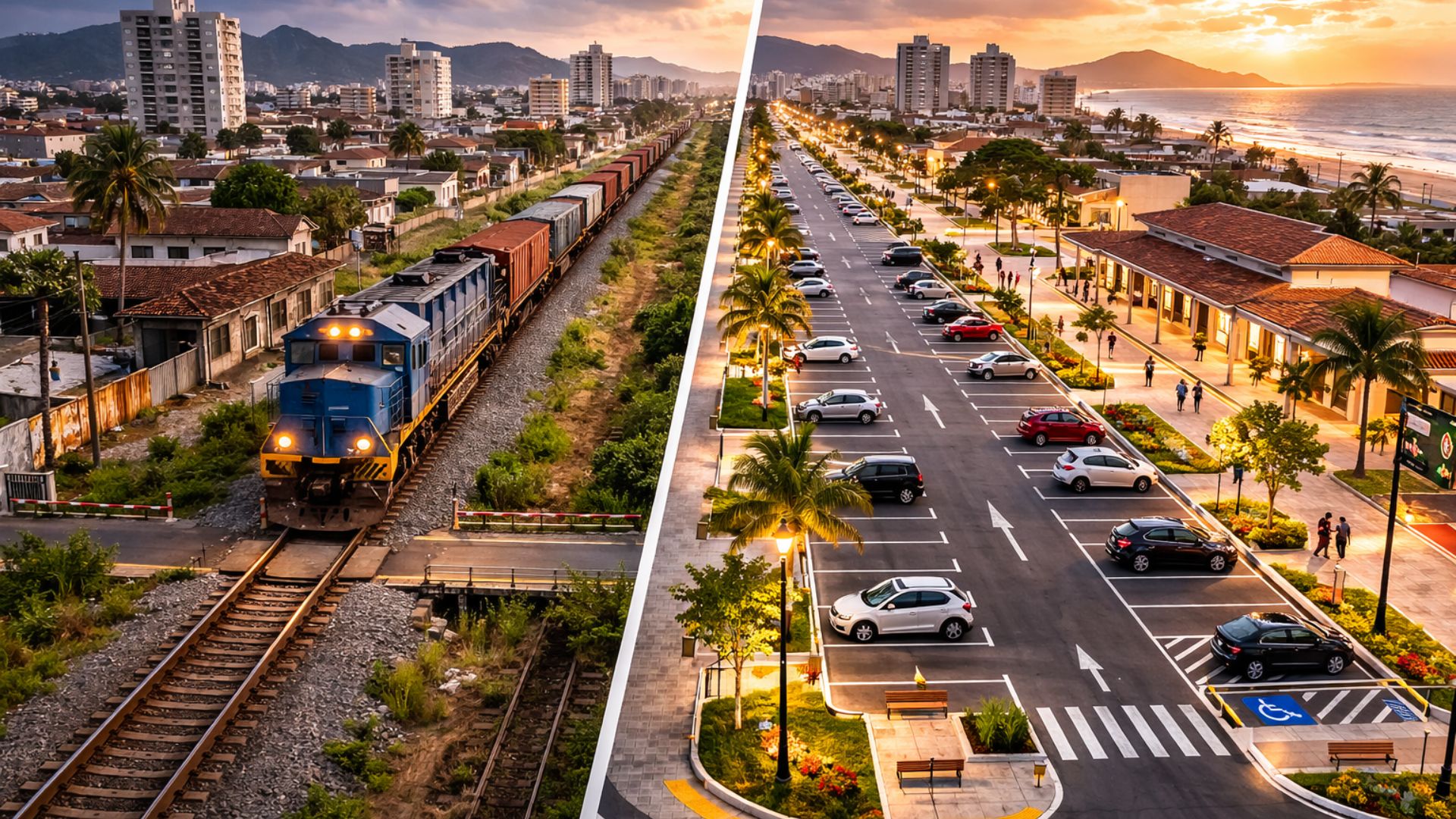
Famous Brazilian Railway May Become a Parking Lot
-
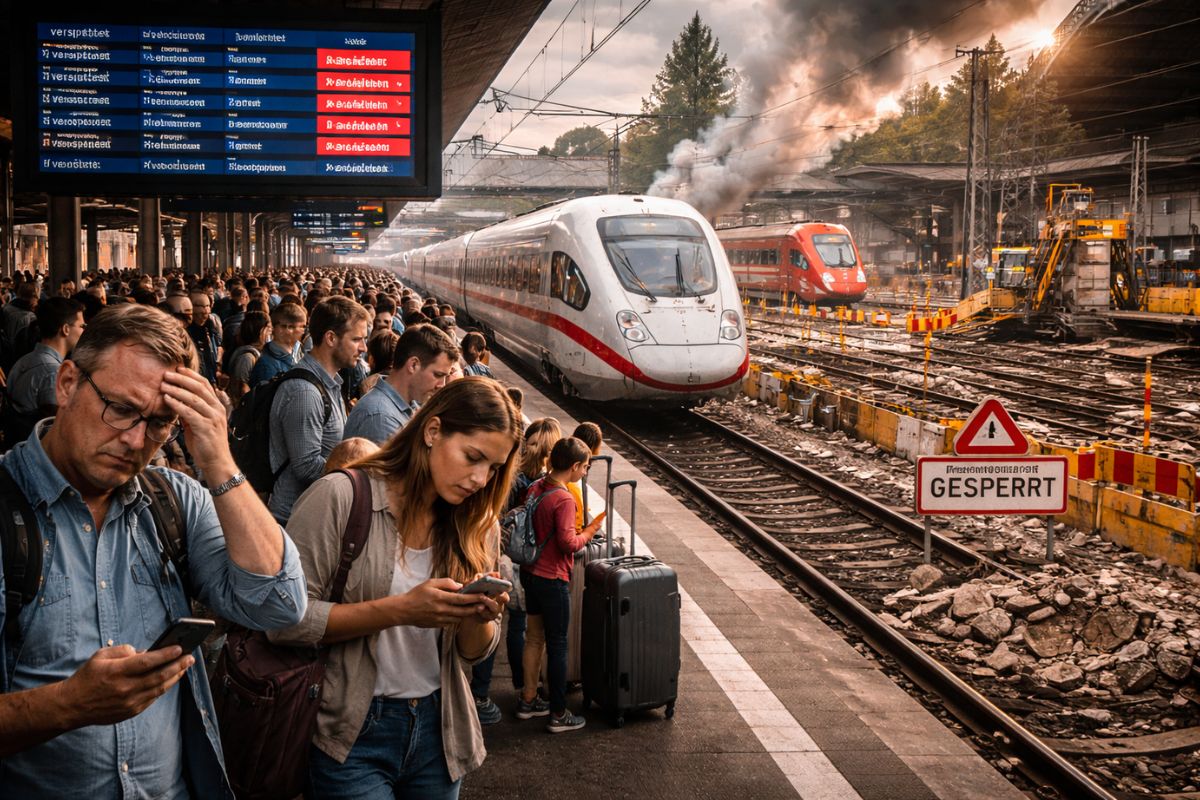
The Country of “Punctual As a Train” Admits It Has Lost Control: High-Speed Trains Delay, Stop, Disappear from the Map and Turn 6-Hour Trips into 10, While Deutsche Bahn Promises Restructuring in 2026 But Faces 19th Century Infrastructure, Staff Shortages and Sections Closed for Months
-
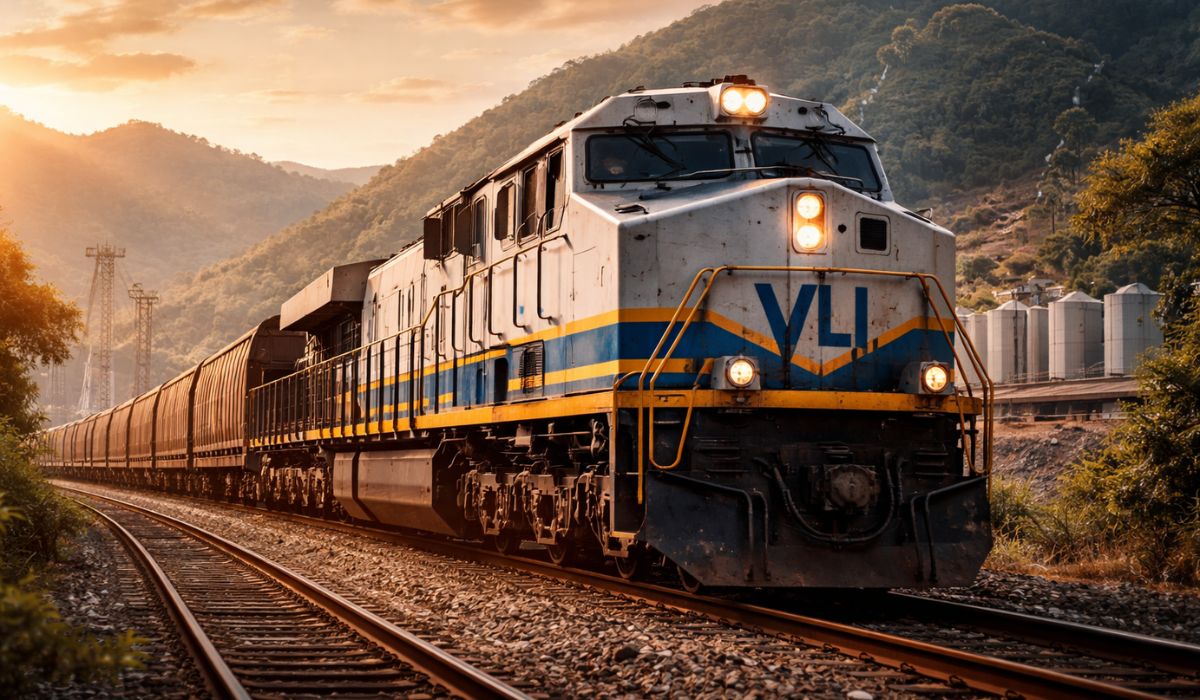
With an Investment of R$ 700 Million in One of the Country’s Main Rail Networks, VLI Reinforces Infrastructure, Receives 8 New Locomotives, and Expands the Corridor Connecting 7 States, Boosting Jobs and the Transportation of Grains, Ore, and Oil Products to the Port of Santos

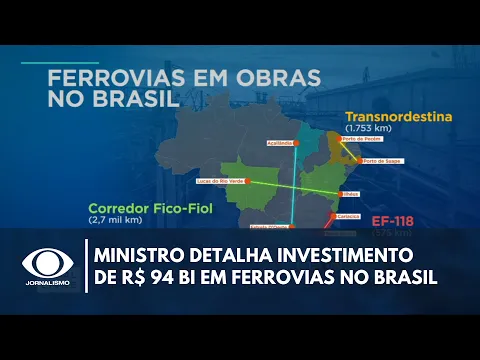
According to Renan Filho, this progress depends on the completion of major structural axes, including the Northern-Southern Railway, which is already completed, and the Eastern-Western Railway, which is undergoing simultaneous construction phases.
He stated that the ongoing transformation represents a historical milestone for the sector, as, for the first time, different previously disconnected sections form an integrated network capable of linking strategic ports in the North and Southeast.
Northern-Southern: Central Axis of New Railway Logistics
As the minister explained, the Northern-Southern Railway plays a central role in the new logistical framework.
The project, initiated decades ago, saw decisive advancements during the administrations of Luiz Inácio Lula da Silva and Dilma Rousseff.
“They built 90% of the railway,” said Renan Filho, highlighting that the venture is now fully operational.
According to the minister, the completion enables an unprecedented achievement.

“A locomotive can leave Itaqui, at the Port of São Luís, take the Carajás railway to Açailândia, in Maranhão, continue along the Northern-Southern to Estrela do Oeste, in São Paulo, and then access the São Paulo network heading to the Port of Santos.”
He emphasized that such a connection had never been possible because the sections were not fully linked.
The axis is considered strategic for the transport of grains, minerals, and industrial inputs.
Moreover, the integration between ports in the North and Southeast increases shipping options, especially during seasonal periods and highway congestion.
Expansion of the Eastern-Western Railway at an Accelerated Pace
The minister also detailed the progress of the Eastern-Western Railway, another key point in the goal to expand railway participation in the country.
As he explained on the Canal Livre, different segments of the project are being executed simultaneously, with fronts spread across sections of Bahia, Minas Gerais, and Goiás.
He recalled that this corridor connects directly to the Northern-Southern Railway, forming the so-called “railway cross,” a structure that is expected to change the logistical dynamics of the Midwest and Northeast.
Renan Filho stated that with the completion of these axes, agricultural and mineral production will have faster and less costly transportation alternatives.
He highlighted that railway expansion also helps reduce greenhouse gas emissions, as the mode uses less fuel per ton transported.
FICO Expands Connection with Agricultural Regions
Another project detailed by the minister during the interview was the FICO – Integrated Railway of the Midwest, which will connect Mara Rosa, in Goiás, to Água Boa, in Mato Grosso.
According to Renan Filho, the work is underway with around 8,000 workers, under the responsibility of the mining company Vale S.A.
He explained that FICO will be essential for the flow of production from Mato Grosso, bringing agricultural regions closer to high-capacity railway corridors.
Furthermore, according to the minister, the connection with the Northern-Southern Railway will allow cargo from the Midwest to reach the ports of Santos and Itaqui directly.

Complementary Investments in the Railway Network
In addition to the structural corridors, Renan Filho mentioned other ongoing or expanding projects.
He cited works operated by MRS Logística, investments by Rumo in the São Paulo network, and the continuation of the Transnordestina.
The minister also mentioned a railway built under state authorization to connect producing regions in Mato Grosso to the São Paulo network.
According to him, the sum of these projects places the country at a moment of “historical maximum” in investments in the sector.
Challenges to Increase the Participation of Railway Modal
Despite the optimism, Renan Filho acknowledged in the interview that the country still faces significant challenges.
Among them are environmental licensing, complex financing stages, and the need for modernization of cargo terminals.
He stated that the goal of raising railway participation to 35% by 2040 is ambitious but possible if the works maintain a steady pace.
The minister noted that increasing rail transport helps reduce national logistical costs, which have historically been high due to dependence on highways.
“Changing this ratio means greater competitiveness for Brazil,” he commented.
As he highlighted, such advances benefit exporters and industrial sectors that rely on long supply chains.
Perspectives for the Coming Decades
Renan Filho stated that investments should accelerate the expansion of the network in the coming years.
He emphasized that deliveries will occur gradually, with progressive integration of sections.
However, he did not provide specific dates for each corridor or ongoing section.
According to the minister, the convergence between the private initiative and the public sector creates unprecedented conditions for the railway resurgence.
He stated that the country is experiencing a moment that could redefine its transport infrastructure for the coming decades.
If these works are truly consolidated at the projected pace, how long will it take for railways to definitively surpass highways as the primary option for heavy cargo transport in Brazil?









Acredito que reduzirá os prejuízos nas estradas com os acidentes. O Brasil gasta muito com os acidentes e imposto sobre os produtos. O Brasil já era pra ter estradas de ferro,tanto pra transporte de produtos, quanto para passageiros. Que estaria incrementando o turismo no Brasil.
Governo Lula sempre insugura pedra fundamental , sempre dizendo que vai fazer . A Fico só está em andamento porque Tarcisio e Bolsobaro fizeram acontecer, sem corrupção e seriedade às coisas andavam até chegar este governo , já conhecido pelo bla bla bla , mas só sai do papel com muita corrupção , nao é Odebretch ? Não é Camarão Correa ?
**** LADRÃO DE JOIAS NADA FEZ NO PAÍS , A NÃO SER FAZER MOTOCIATAS E ANDAR DE JET-SKI!!
Contratos feitos pelo PR Bolsonaro