





 Portuguese
  English
  Spanish
 3 min of reading
  0 comments


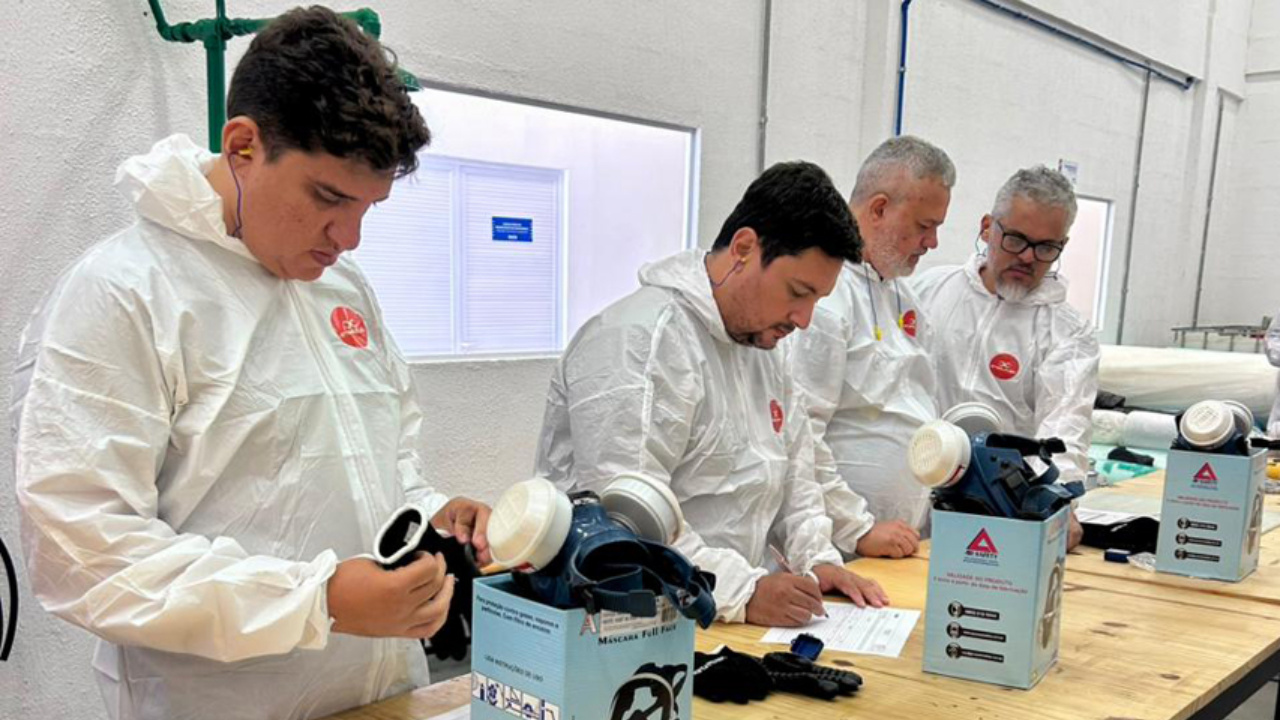
Wind Energy in Brazil Advances With the International Certification of SENAI Ceará by the Global Wind Organisation, Enabling the State to Train Professionals for the Global Wind Market.
Wind energy continues to expand its relevance in the Brazilian energy matrix. Alongside the expansion of wind farms, the demand for highly specialized labor capable of meeting international technical standards is growing. In this context, SENAI Ceará has achieved a historic milestone by becoming the only institution in the country certified by the Global Wind Organisation (GWO) to offer the wind blade repair course.
This achievement positions Brazil more competitively in the global wind energy landscape and strengthens the maintenance and operation chain of the sector.
International Audit Validates Structure and Technical Staff in Ceará
The certification was granted following an audit conducted by GWO representatives at the Center of Excellence for Energy Transition Prof. Jurandir Picanço, located at SENAI Barra do Ceará in Fortaleza. The evaluation included a detailed analysis of the laboratories, available equipment, and the quality of the lessons taught by the instructors.
-
Giant of the winds in Rio Grande do Norte: Serra do Tigre Wind Complex receives new investments and accelerates the expansion of clean energy generation to supply millions of Brazilian homes.
-
Urgent energy transition: Greenpeace advocates for massive investments and points to Brazil as a global leader in wind energy production in the coming years.
-
Conflict in the Sertão: Rural communities in Rio Grande do Norte report issues with wind farms and the new challenges of clean energy in the semi-arid region.
-
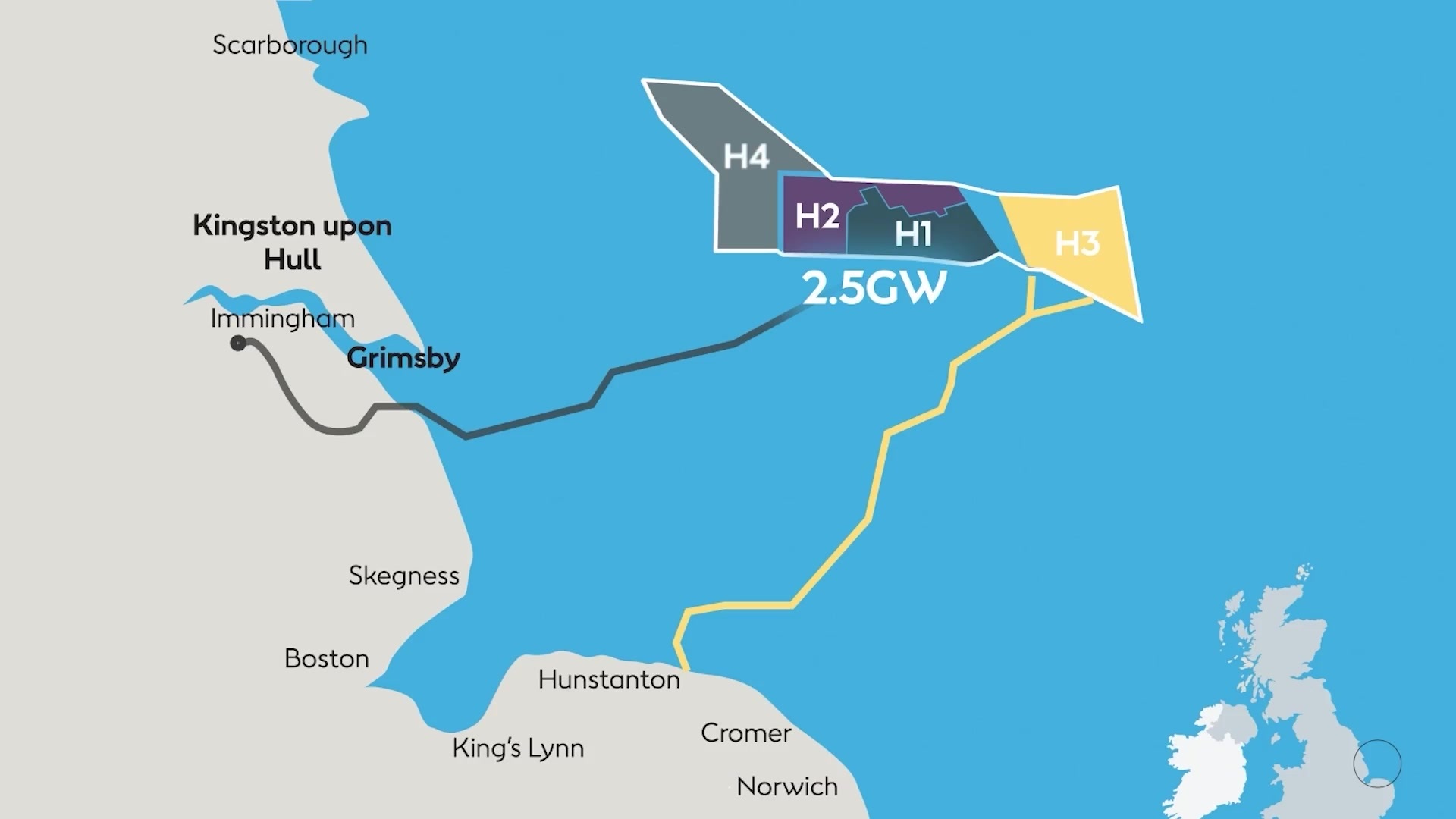
231 turbines of 260 meters at 160 km from the coast, monopiles weighing as much as nine blue whales embedded in the North Sea, and a crane ship taller than the Eiffel Tower: Hornsea 3 will be the largest offshore wind farm on the planet by 2027, and its first components have already arrived in England.

With the approval, SENAI Ceará now fully meets the global GWO standard requirements, ensuring that the trained professionals are equipped to work on wind energy projects anywhere in the world.
Training Aligned With Global Standards of Wind Energy
The certification confirms that the training offered in Ceará combines theoretical knowledge and advanced practical skills. This is considered essential in a segment where safety, technical precision, and operational efficiency are crucial.
“I thank the President of FIEC, Ricardo Cavalcante, who has invested in and encouraged actions from SENAI Ceará regarding energy transition. And to the National Department of SENAI, on behalf of the Superintendent of Education, for providing all the necessary support for the qualification of our instructors, ensuring that this project was successfully concluded. Lastly, I thank partners like Aeris Energy, which was fundamental for the implementation of our laboratories, by providing materials for the practical activities,” commented the Regional Director of SENAI Ceará and Superintendent of SESI Ceará, Paulo André Holanda.
National Partnership Strengthens Training in Wind Energy
The certification project involved collaboration between the regional departments of SENAI in Ceará, Rio Grande do Norte, and Bahia. The initiative originated from the National Department of SENAI, which facilitated institutional dialogue with the Global Wind Organisation.
This cooperation was solidified during the Brazil Windpower event held in October 2025 in São Paulo. Furthermore, the new course complements the existing portfolio at SENAI Ceará, which includes Basic Safety Training (BST) and Basic Technical Training (BTT) also meeting GWO standards, in partnership with Maersk Training.
The certification comes at a strategic moment for the state. Ceará ranks fourth in Brazil in installed wind energy capacity, resulting in a growing demand for specialized professionals in turbine maintenance.
“The GWO certification comes at an opportune time, as Ceará is the 4th state in Brazil with the highest installed capacity in wind energy projects. This means that, locally, there is already a significant demand for qualified professionals to conduct maintenance on wind blades. This is a market that is growing throughout the country,” comments Isabela Maciel, Advisor for SENAI Ceará on Energy Transition.
Training With National and International Reach
In addition to the regional impact, the certification broadens the reach of professional training offered in Brazil. The wind blade repair course will now cater not only to the local market but also to demands from other states and abroad.
The Manager of SENAI Barra do Ceará, Dennes Landim, highlights the collective effort involved in the process. “We are very happy with this GWO Blade Repair certification at SENAI Ceará. This was the result of much collective work and the dedication of this wonderful team that makes our SENAI happen, which demonstrates how prepared we are to train the workforce for the wind market, not only in our state but for Brazil and the world,” he said.









Seja o primeiro a reagir!