





 Portuguese
  English
  Spanish
 3 min of reading
  0 comments


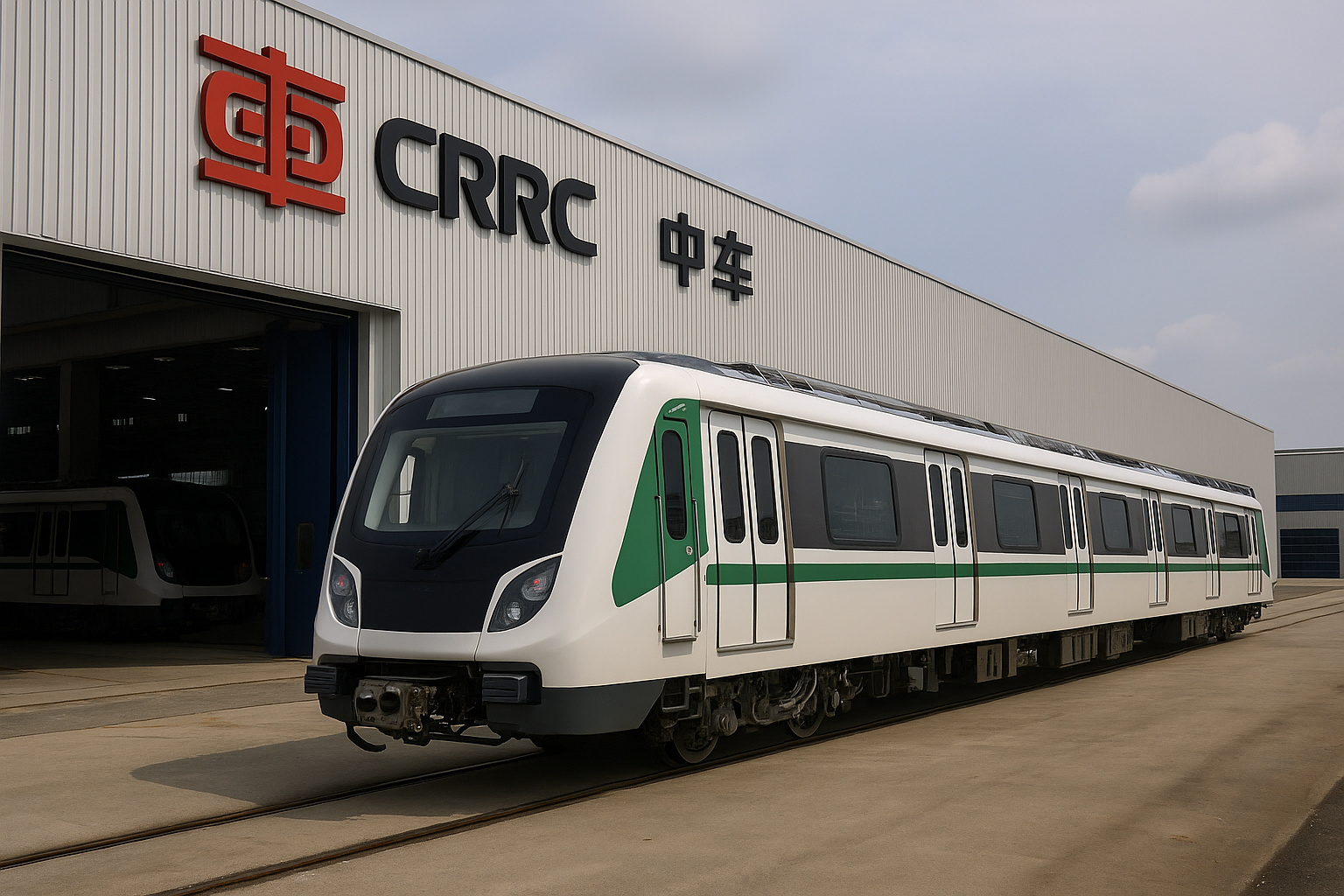
Installation of the CRRC in 2024 Moves Araraquara, Accelerates the Production of the R Fleet and Strengthens the Advancement of the Railway Sector in the Country
The Arrival of the CRRC in São Paulo’s Interior in 2024 Marks a Significant Industrial Movement for the Brazilian Railway Sector. The World’s Largest Train Manufacturer Reactivated Facilities in Araraquara (SP). The Investment of R$ 50 Million Was Allocated for the Production of 44 Trains for the R Fleet of the São Paulo Metro. This Investment Creates Jobs, Expands the Industrial Chain and Repositions the Municipality in the National Railway Scenario.
Reactivation of the Plant Reveals Immediate Impact on the Job Market
The Factory Reopening Occurred After the CRRC Took Over, in 2024, The Facilities of Hyundai Rotem, According to Data from the Railway Sector. The Company Started Structuring the New Plant to Meet São Paulo’s Demand. The R Fleet Was Ordered by the São Paulo Metro in 2023, According to Official Documents.
Although the Operation is in an Initial Phase, The Expectation is to Create About 100 Direct Jobs by 2026. In Addition, Indirect Hires Will Arise as Production Advances. This Scenario Highlights Technical, Administrative and Industrial Opportunities Associated with the New Trains.
-
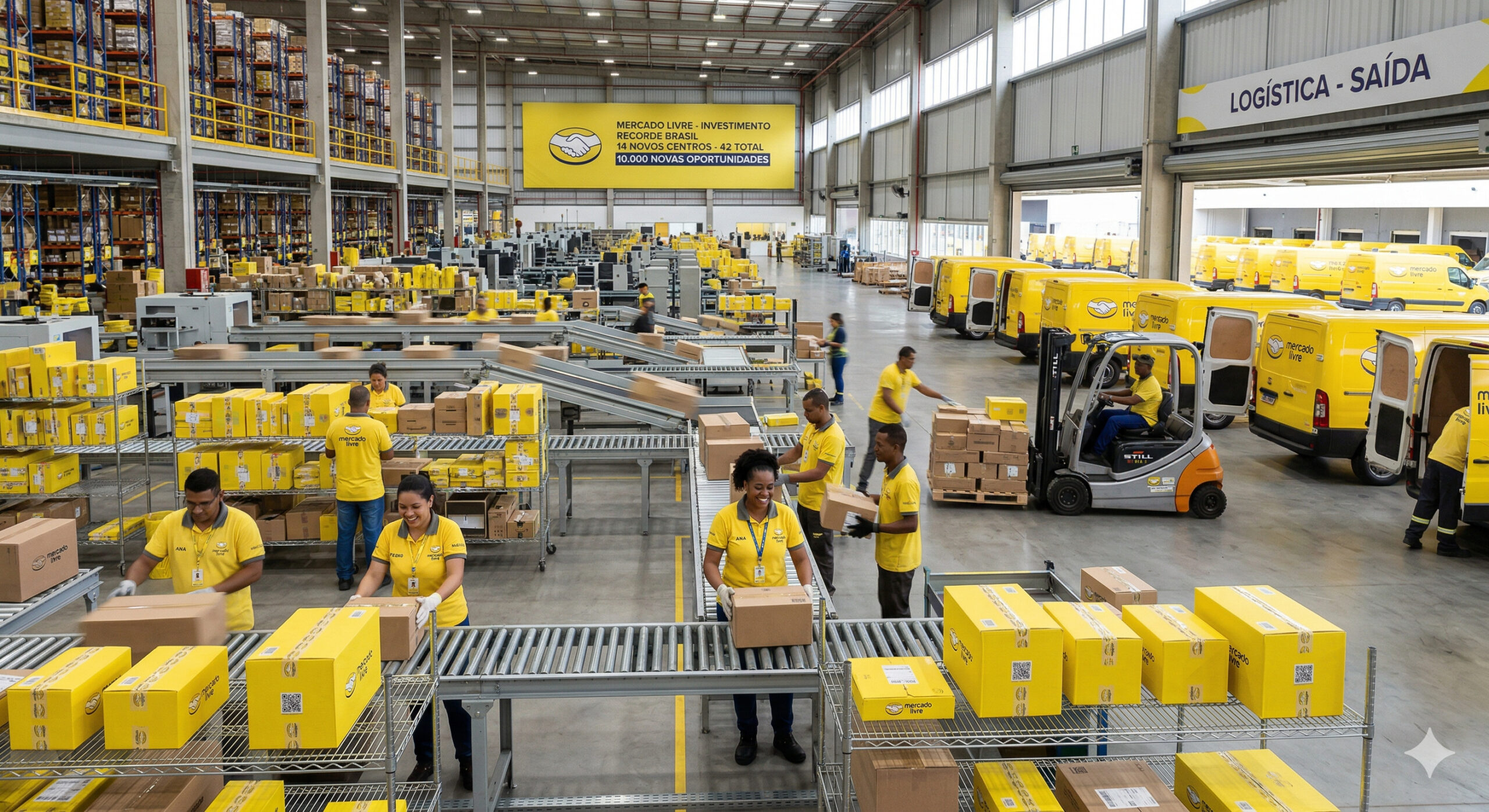
Mercado Livre “opens the vault” and announces a record investment of R$ 57 billion in Brazil in 2026, a value 50% higher than the previous year, with an expansion plan that includes 14 new logistics centers, totaling 42 units in the country and hiring an additional 10,000 employees.
-
How investment in technology can revolutionize the national economy and enhance industrial gains, according to a study that highlights the direct impact on productivity, innovation, and wealth retention within Brazil.

-
The largest food company on the planet, JBS, has just opened a 4,000 square meter laboratory in Florianópolis to develop customized proteins that modulate muscle mass gain, immune response, and metabolic performance.

-
After nearly 30 bids and competition among industry giants, a Spanish company purchases one of the largest airports in Brazil for almost R$ 3 billion and takes over the management of Galeão in a concession that will last until 2039.


Assembly of the Trains Confirms Modernization of Metropolitan Transport
The Araraquara Unit Will Be Responsible for Part of the Assembly of the Trains That Will Serve the Lines 1-Blue, 2-Green and 3-Red. The R Fleet, Estimated at R$ 3.1 Billion, Incorporates Continuous Passage Between Cars. The Trains Reach 100 km/h and Transport About 1,800 Passengers.
The Execution of Production Stages in the Municipality Itself Reinforces the Local Economic Impact. Additionally, It Increases the Flow of Services and Strengthens Demand for Suppliers. This Movement Consolidates the Regional Railway Sector.
Job Demands Highlight Space for Professionals from Various Fields
The Arrival of the CRRC Opens Opportunities in Engineering, Projects, Procurement, Accounting and Sales. The Positions Are Distributed Between Araraquara and São Paulo.
While the Official Job Portal Is Not Launched, Applications Continue to Be Sent via Email. The Information Was Disclosed by Specialized Media Outlets in Mobility in 2024.
This Scenario Demonstrates That The Railway Sector Remains Active, As It Requires Qualified Teams to Meet the Growing Production Pace.
Regional Expansions Reinforce the Railway Sector’s Potential Until 2035

The Araraquara Plant Could Contribute to Projects Like the Intercity Train (SP-Campinas). This Project Has Been Studied by the Government Since 2020.
ViaQuatro Declared in 2023 Its Interest in Acquiring New Compositions from CRRC. The Goal is to Expand the Yellow Line 4 to Taboão da Serra.
These Developments Are Related to the SP on the Tracks Program, Created in 2021, Which Anticipates R$ 190 Billion Until 2035. The Target Includes 400 Trains and 150,000 Jobs. In This Context, CRRC’s Presence Becomes Strategic for the State.
The Global Importance of CRRC and Its Effects on Brazil
The CRRC Is Headquartered in Beijing and Has 46 Subsidiaries and 180,000 Employees, According to Corporate Data from 2023. The Company’s Installation in São Paulo’s Interior Demonstrates Confidence in Brazil’s Industrial Potential.
Furthermore, It Reinforces the Modernization of National Public Transport.
For Workers, Companies and Urban Development, This Presence Represents Innovation, Jobs and Expanded Competitiveness. The Moment Coincides with a Phase of Technological Transition in the Brazilian Railway Sector.
In Light of This Advancement, What Do You Believe Will Be More Determinant for the Brazilian Railway Sector: Accelerating Industrial Expansion or Prioritizing Professional Qualification to Sustain Growth?








Seja o primeiro a reagir!