





 Portuguese
  English
  Spanish
  3 min of reading
  0 comments


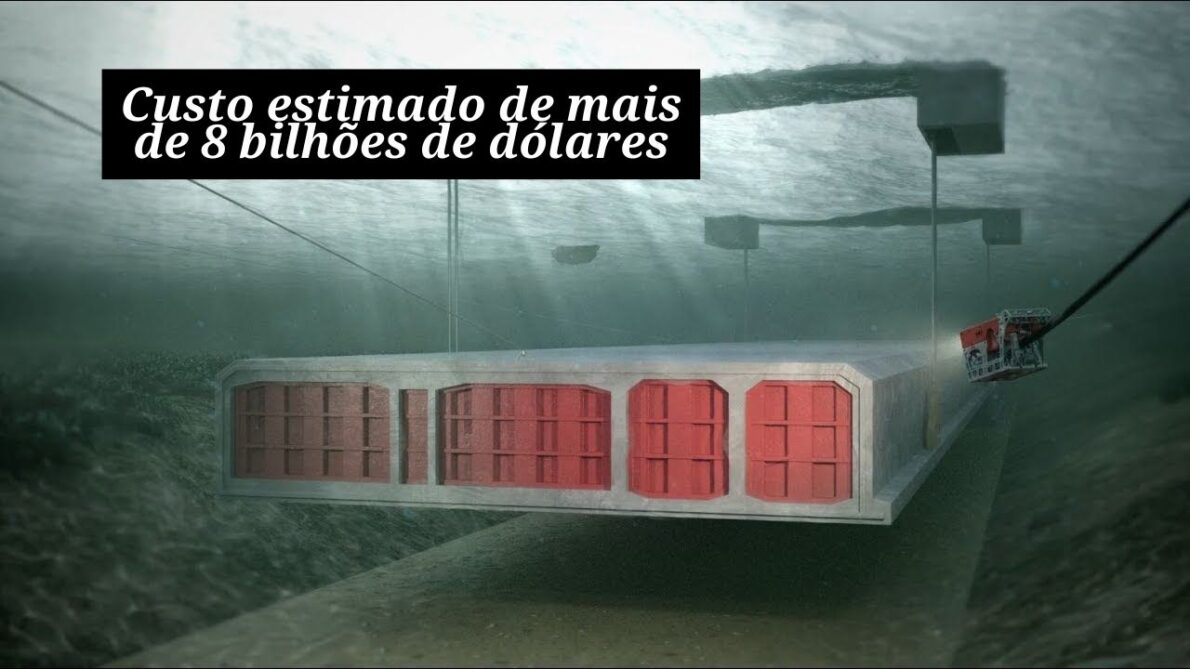
Gigantic Construction Will Connect Germany and Denmark, Revolutionizing European Transport.
You won’t believe what is happening in Europe! The world’s largest underwater tunnel is being constructed, a project that will link Germany and Denmark through the Baltic Sea.
An ambitious project is underway that promises to facilitate transport between Scandinavia and the rest of Europe. With a length of 18 km, the Fehmarnbelt tunnel will connect the town of Rødbyhavn in Denmark to Puttgarden in Germany.
This will be the shortest route between Scandinavia and mainland Europe. By train, travelers will be able to cross the underwater tunnel in just 7 minutes, and by car, in 10 minutes. Currently, this crossing is only possible by ferry, which takes about 45 minutes.
-
The lack of welders, electricians, and operators becomes a structural threat in 2025, with the construction industry and manufacturing already suffering from delays, cost pressures, and labor shortages in Brazil.

-
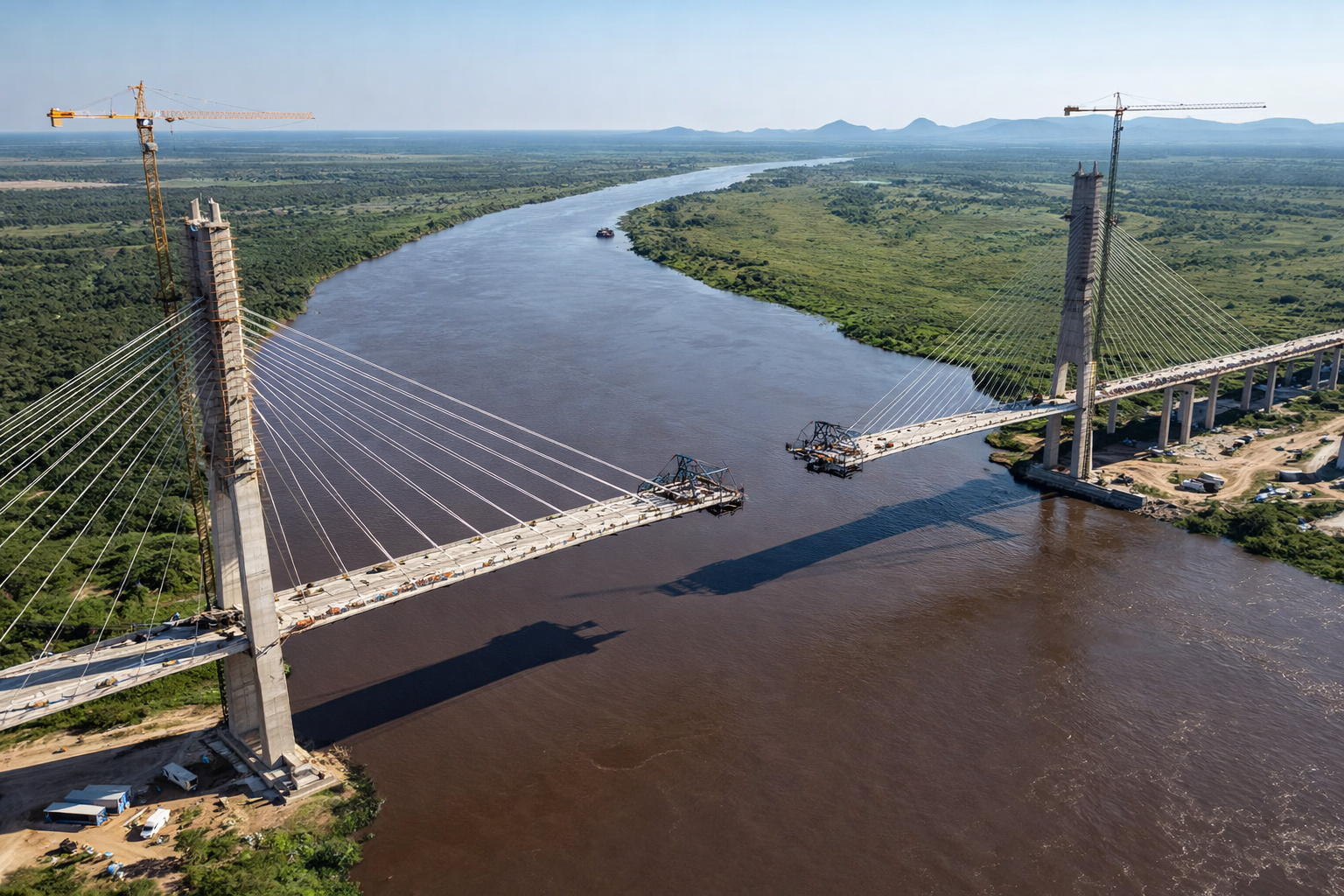
Brazil and Paraguay are just 46 meters away from a historic union on the bioceanic bridge that promises to revolutionize trade between the Atlantic and the Pacific.
-
With 55 km over the sea, a cost of US$ 20 billion, and enough steel to build 60 Eiffel Towers, China’s largest project has connected Hong Kong, Zhuhai, and Macau in a colossal bridge that defies the logic of engineering.

-
A trick with joint compound transforms a Styrofoam ceiling into a plaster-like ceiling: leveled panels, wires and mesh at the joints, sand, paint, and change the environment while spending little today.

Construction of the World’s Largest Underwater Tunnel
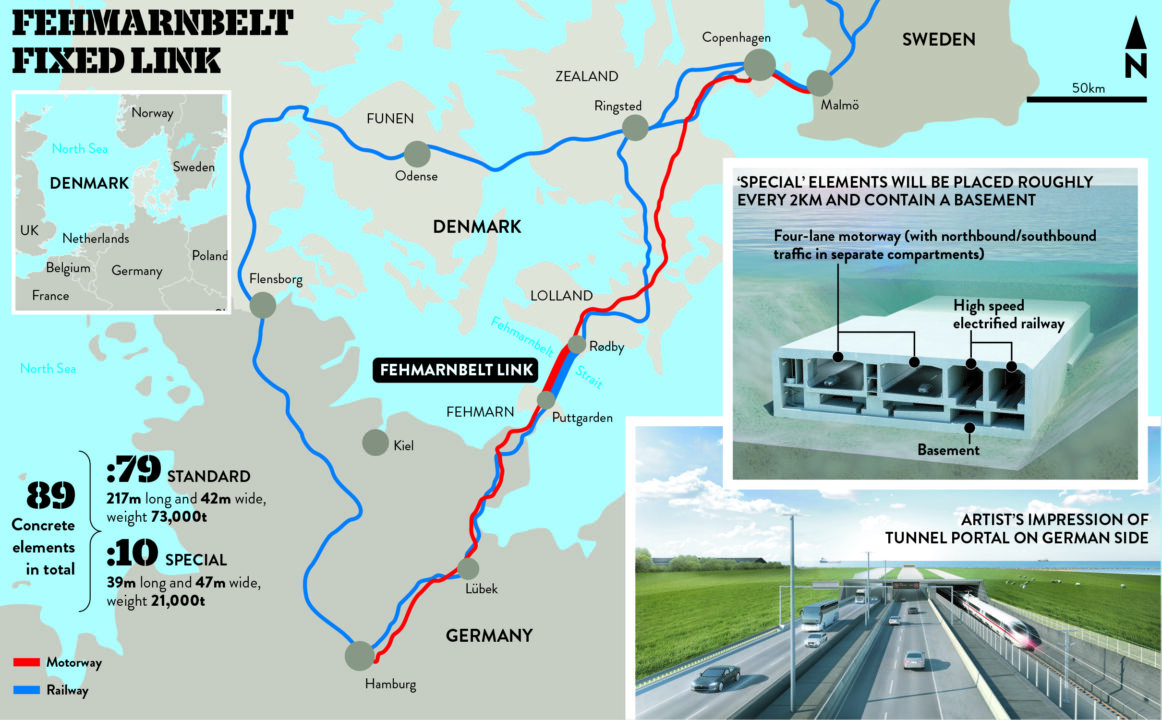
The construction of the world’s largest underwater tunnel will require 360,000 tons of rebar, nearly 50 times the weight of the Eiffel Tower! The construction site on the Danish side is the size of 373 soccer fields. For the drainage of the tunnel trench, about 70 vessels were used, removing 12 million cubic meters of soil from the seabed.
The tunnel will consist of 89 gigantic sections, each measuring 217 meters long, 42 meters wide, and 10 meters high, weighing about 73,000 tons. These parts are being cast on solid ground and will later be positioned in the sea with the help of barges, before being submerged and sealed on the seabed at a depth of up to 40 meters.
8 Billion Dollars
With an estimated cost of over 8 billion dollars for the underwater tunnel, it is expected to be completed by 2029. This will be the largest underwater construction project ever undertaken, becoming a milestone in modern engineering.
In addition to revolutionizing transport, the tunnel promises to be a sustainable construction, reducing carbon dioxide emissions, as less travel time means less pollution. The project will also create thousands of jobs, with about 2,500 people working on the project in various positions.
Environmental Organizations Have Expressed Concerns About the World’s Largest Underwater Tunnel
However, not everything is smooth sailing. Environmental organizations have expressed concerns about the impact of the construction of the underwater tunnel on the reefs and the marine ecosystem of the Baltic Sea. Despite the challenges, project leaders state that compensatory measures will be taken to minimize environmental damage.
Once completed, the tunnel will feature four lanes: two for vehicles and two electrified rail tracks. Travelers will be able to drive or take a train through the same tunnel, an unprecedented experience.
And you, what do you think of this mega construction? Do you believe that the benefits outweigh the environmental challenges? Leave your opinion in the comments!










-

Uma pessoa reagiu a isso.