





 Portuguese
  English
  Spanish
  5 min of reading
  0 comments


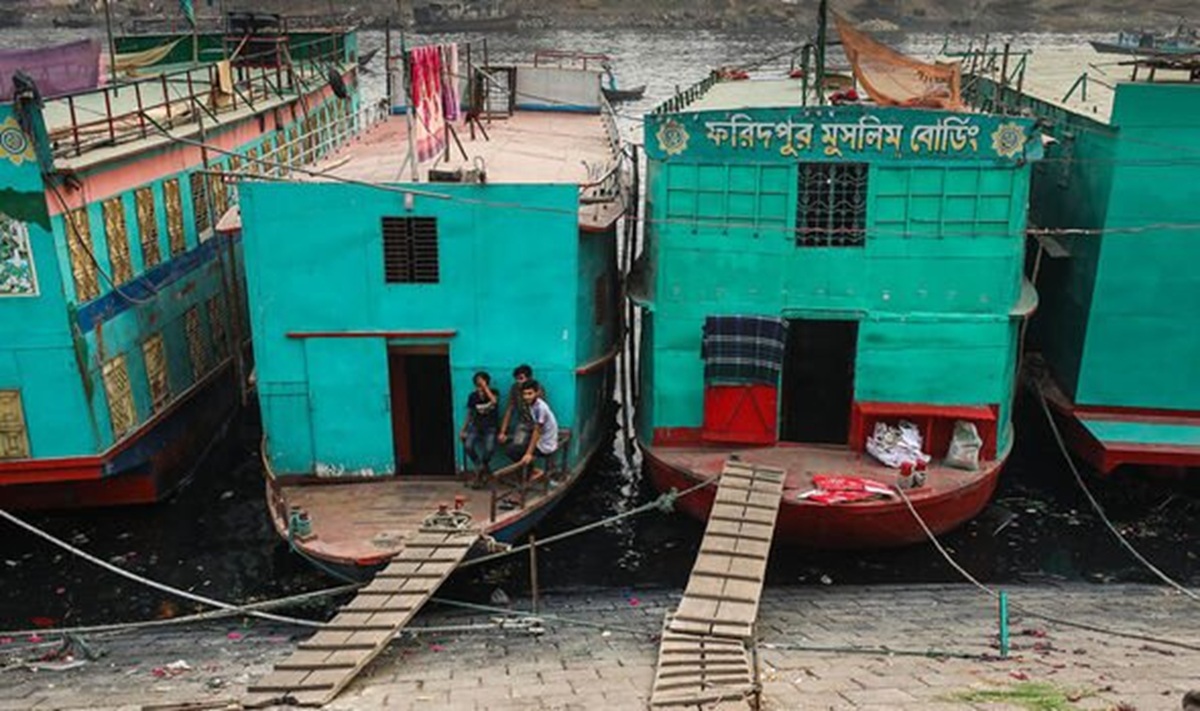
An Investigation Reveals The Extreme Routine At The Worst Hotel In The World, A Cluster Of Abandoned Boats Where Poor Workers Share Suffocating Heat, Wet Mattresses, Insects, Toilets That Dump Everything Into The Buriganga, And Rooms That Cost Less Than A Coffee
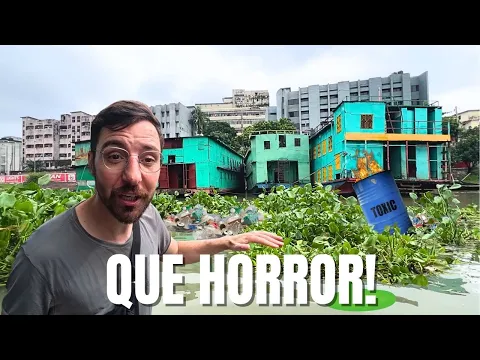
Imagine a hotel room costing less than a small coffee at the bakery. In the abandoned boats floating on the Buriganga River, in Bangladesh, this extreme reality exists and reveals a scenario that many identify as the worst hotel in the world.
The Cata and Davi channel showcased four old vessels, where hundreds of people live and stay in extremely precarious conditions, where the low price hides stories of deep poverty, forced migration, and lack of alternatives.
Old Boats Transformed Into Shelters
In the 1970s and 80s, rivers were the main transportation routes in Bangladesh. The launches, enormous passenger boats, crossed the country packed.
-
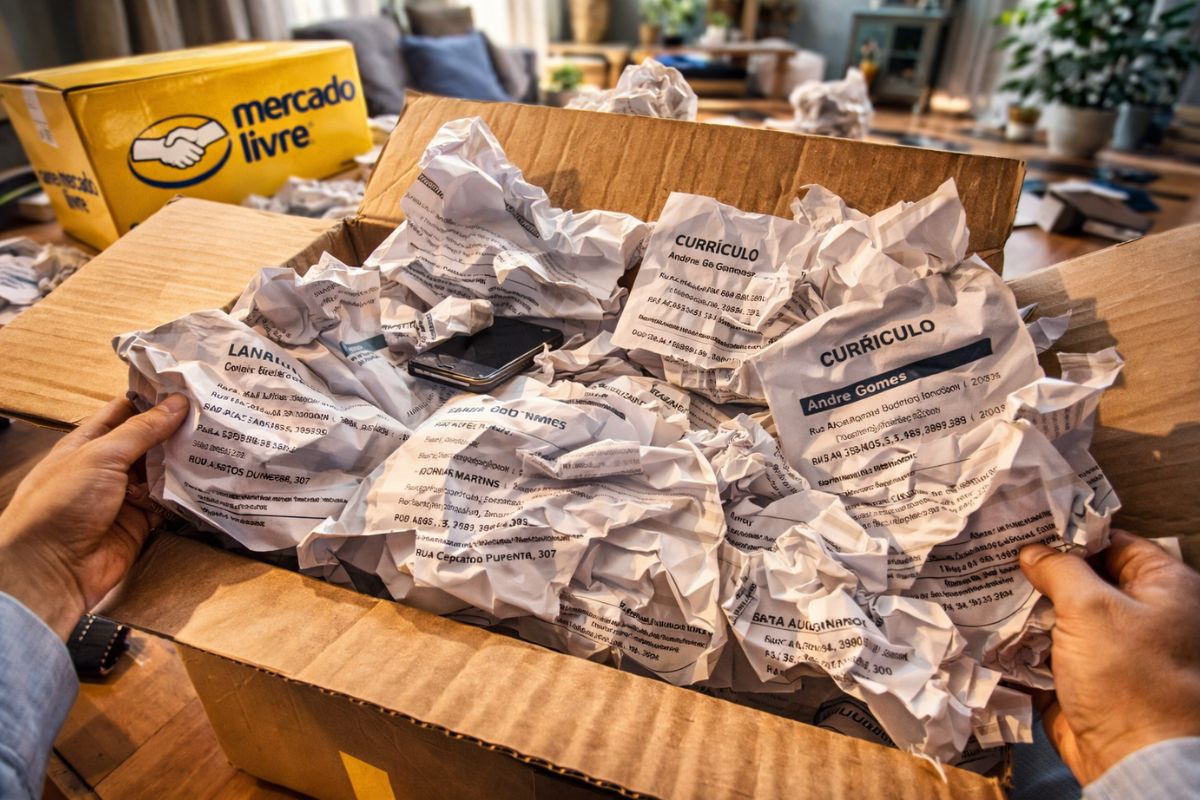
A Mercado Livre customer opened their package and found 32 resumes of people looking for jobs crumpled as protective paper inside the box, exposing names, addresses, documents, and phone numbers of dozens of candidates.
-
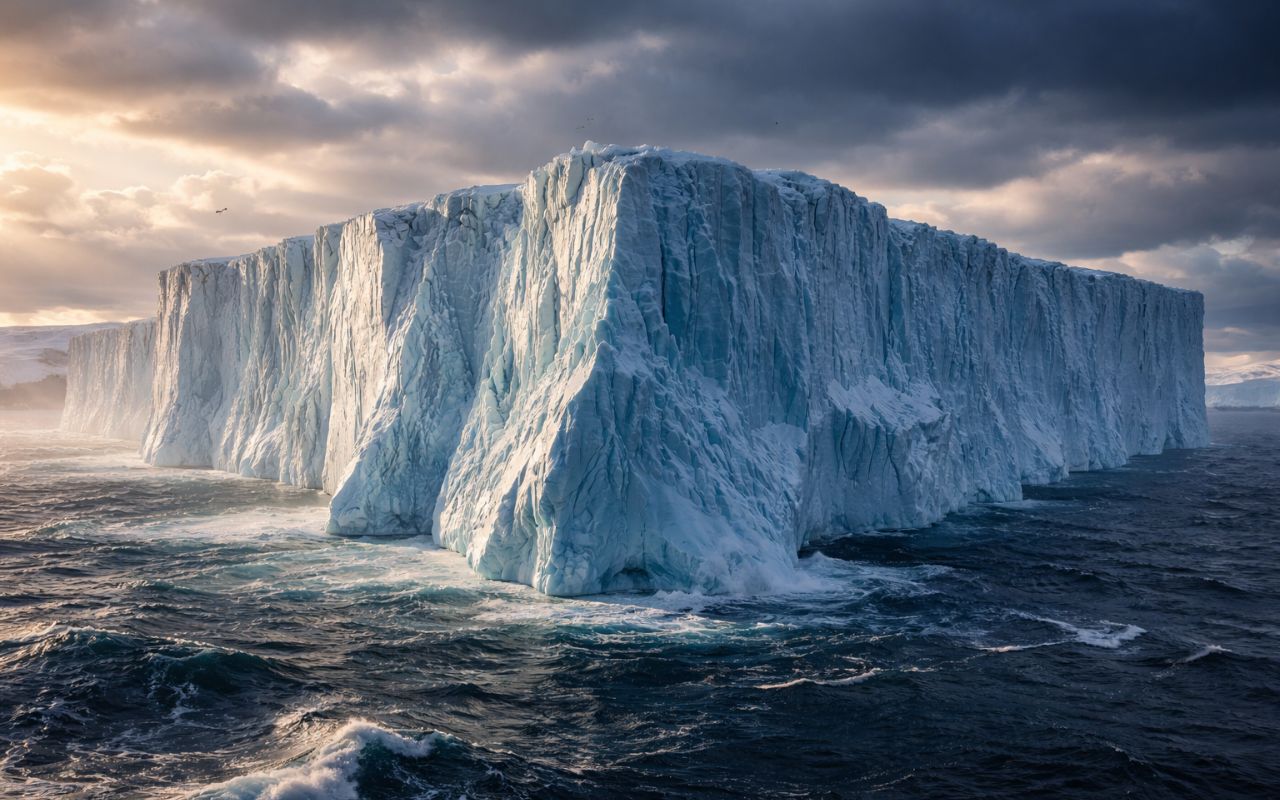
Iceberg A23a, one of the largest in the world, is undergoing accelerated collapse and may disappear: what explains the end of the ice giant?
-
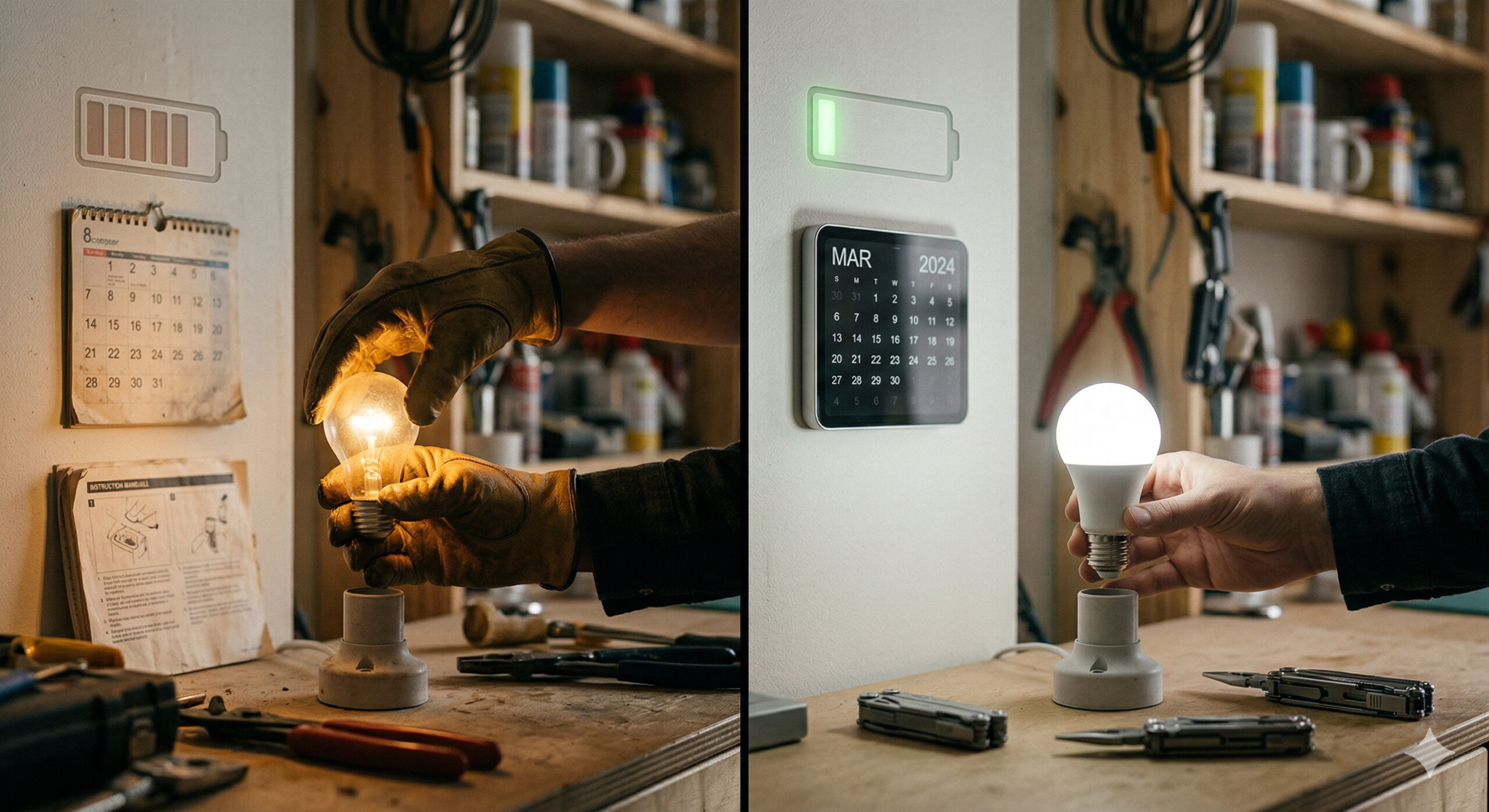
The simplest swap at home can reduce energy consumption by up to 90% without changing habits, using a technology that lasts up to 25 times longer and consumes only a fraction of the electricity.
-
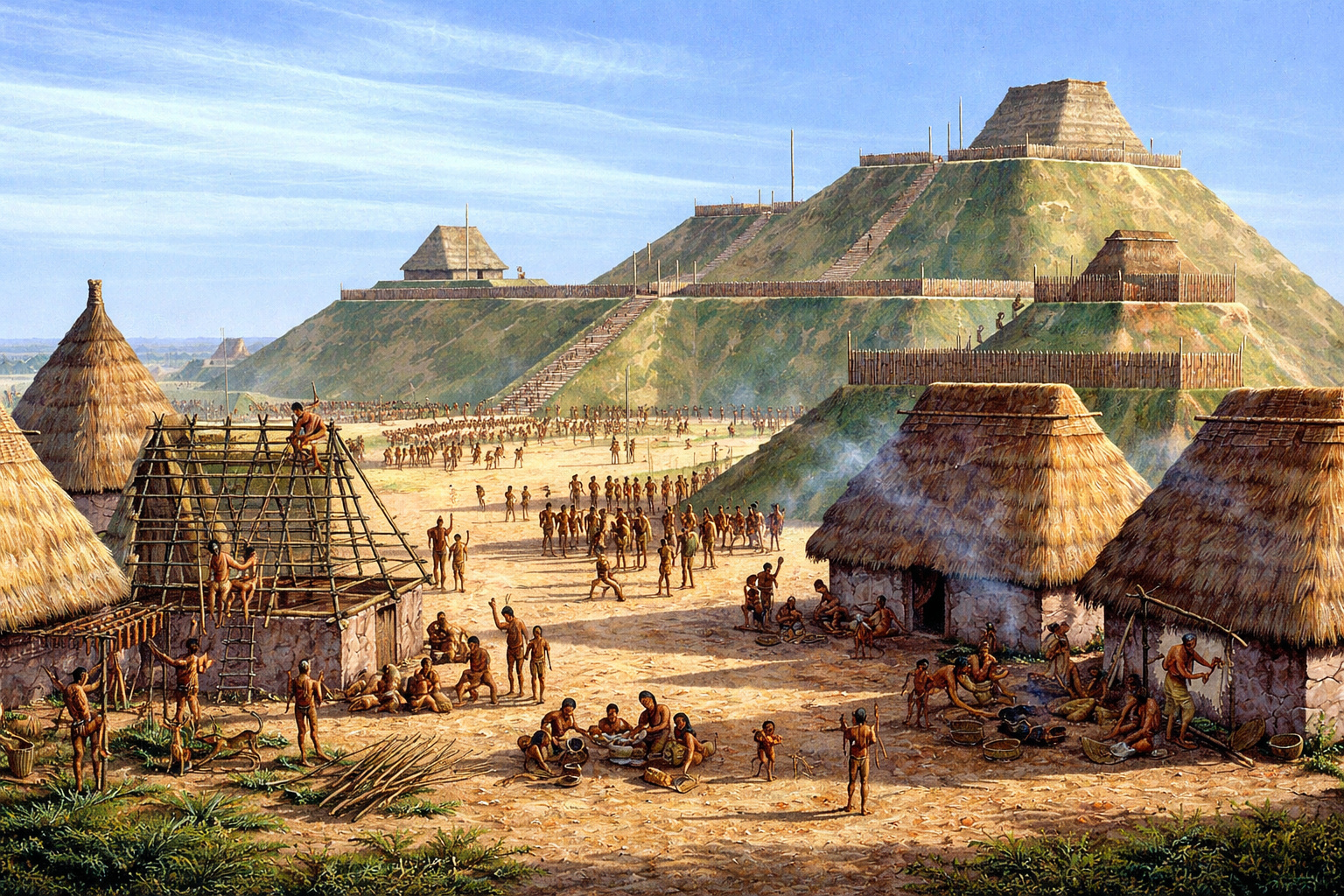
With over 14 million baskets of earth moved, an ancient North American metropolis built a monumental pyramid of 30 meters and established a city with 20,000 inhabitants nearly a thousand years ago.

Over time, roads and buses took on this role, and many vessels were abandoned. Some owners decided to turn these dilapidated boats into makeshift accommodations, which quickly became known as the worst hotel in the world due to the conditions offered.
The initial goal was to provide temporary shelter for migrant workers coming from the countryside in search of jobs.
As the years went by, many were unable to leave and turned the cramped, hot rooms into permanent residences. Today, the worst hotel in the world serves as a home and refuge for people who cannot afford conventional housing in Dhaka.
Risky Arrival And Improvised Check-In
Access to the hotel already demonstrates the level of risk. Instead of a traditional reception, there is a narrow, slippery bridge, like a tightrope suspended over the most polluted river in the world. One wrong step can lead the visitor directly into the contaminated water. This is the first contact with the place that many call the worst hotel in the world, where every detail reinforces the precariousness.
The reception displays check-in and check-out times, but the manager is not there. He only appears when he receives a call on the number written on the wall. The guest needs to call to make a reservation, enter, or resolve any problems. The manager lives in a larger room inside the boat and alternates his presence between meals, bathing, and small tasks outside the vessel.
Exclusively Male Guests
One rule of the hotel is the impossibility of accommodating women alone. The restriction is not detailed, but it is present.
In the case filmed by the channel, the only woman allowed was a camerawoman, authorized because she was accompanied and would not be staying. The environment remains entirely male, reinforcing the social profile of the audience of the worst hotel in the world.
The Cheapest Room On The Planet
The cheapest room costs 40 units of the local currency, about R$ 1.50. It functions as a collective dormitory where guests sleep directly on the boat’s metal floor, without a mattress or rug. A weak fan and a light bulb complete the setup.
Small drawers locked with a padlock hold their few belongings. And it is from this minimal space that many make permanent housing, solidifying the place’s reputation as the worst hotel in the world from a human and structural perspective.
There are men who have lived there for 12, 20, or 25 years. Workers who sell fruits on the streets, migrants from agricultural areas without opportunities, and people who dream of Europe but face high visa prices and frequent scams from intermediaries. And
these residents turn the worst hotel in the world into home because it is the only option possible within the economic reality they face.
Extreme Heat, Narrow Corridors, And Little Air
The corridors are so narrow that short people touch the ceiling with their hand, and tall people cannot move standing up.
The doors are locked with padlocks given at check-in. Cleanliness varies according to the profile of the residents, but the intense heat and humidity make all spaces similar in discomfort. The environment reinforces why many see this place as the worst hotel in the world, especially during the rainy season.
Clothes Washed In The Polluted River And Impossible Drying
In the external area, residents hang out their clothes. They are washed with water taken directly from the Buriganga. On rainy days, the clothes do not dry and remain damp for hours. The daily practice of washing clothes in the same river that receives sewage evidences the precariousness that sustains the daily life of the worst hotel in the world.
Toilets And Free Water: Everything Flows Into The River
The hotel offers free water, but the source is the same as the polluted river. The rooms share tiny toilets, without flush. Everything falls directly into the Buriganga: feces, urine, vomit, and other waste.
This same water is used for bathing and washing clothes. The river is described as biologically dead, without aquatic life due to extreme pollution levels. This reality reinforces why the place is frequently described as the worst hotel in the world.
Metal Capsules And Intermediate Rooms
Another category of accommodation consists of stacked capsules, similar to Japanese hotels, but made of pure metal. The cubicle offers some privacy but in extremely rudimentary conditions.
There is also an intermediate room, which costs less than R$ 5 and offers a rug, dirty pillow, fan, and a small window. Even so, everything remains far from minimum comfort standards, maintaining the image of the worst hotel in the world.
Residents of this level survive by selling balloons, toy birds, or packs of peanuts, earning minimal amounts per unit. Many need to sell dozens of products per day just to pay for the night’s stay.
The Presidential Suite
The most expensive room, the presidential suite, costs less than 1 dollar. Still, it is far from offering comfort. There are cockroaches, insects, a wet mattress, and intense heat.
The resident recounts that he lived illegally in Dubai, was deported, and is now trying to get to Europe while surviving on the boat. The precariousness remains and reinforces the place’s position as the worst hotel in the world.
Humanity Amidst The Chaos
Despite everything, the residents are described as extremely friendly, welcoming, and kind. They invite visitors to see their rooms, offer food, and help in any way they can.
This humanity contrasts with the harshness of life on the boat and becomes one of the few lights within what many consider the worst hotel in the world.
Amidst suffocating heat, metal beds, damp mattresses, cockroaches, open sewage, and dreams crushed by poverty, these people build bonds, share smiles, and maintain hope. Over a dead river, they face life day after day within what, for many, is the worst hotel in the world, but for them, is the only possibility to move forward.





-

-

-

-

7 pessoas reagiram a isso.