





 Portuguese
  English
  Spanish
  3 min of reading
  3 comments


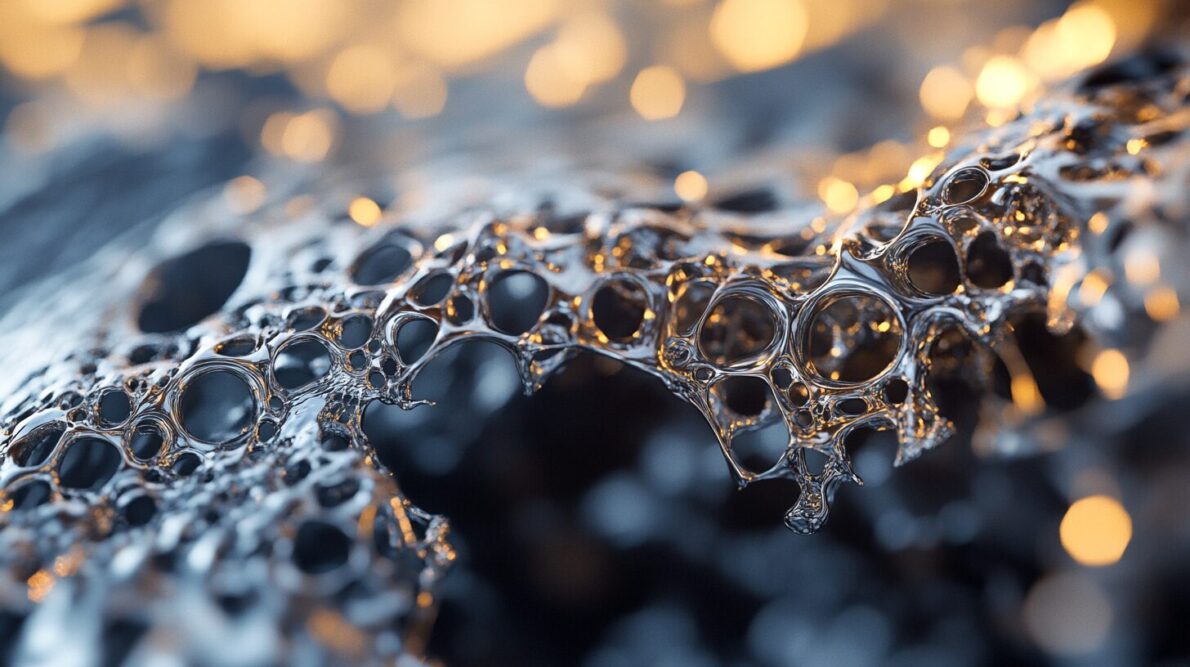

The “Self-Healing” Phenomenon in Metals Could Revolutionize Engineering and Challenge Traditional Concepts of Physics!
Have you ever imagined a metal that repairs itself, without any human intervention? American scientists made an unexpected discovery while studying the strength of metal alloys and ended up witnessing a surprising phenomenon: a piece of platinum “healing” itself after developing cracks. The discovery, published in the renowned journal Nature, still intrigues researchers, as they do not fully understand how the process works. However, this new frontier of materials science could open up numerous possibilities for the future of engineering, according to the website superabril.
The Discovery That Took Everyone by Surprise
It all began when a team of scientists, led by Brad Boyce, was conducting routine stress experiments on a tiny piece of platinum, about 40 nanometers thick (smaller than half the thickness of a sheet of paper!). The idea was to test the strength of the metal by applying constant stress at its ends, simulating the wear that occurs in machines and structures over time.
And that’s when the surprise came. After 40 minutes of testing, something incredible happened: the crack that had formed in the metal simply began to “close” by itself. That’s right, the metal was healing! “It was jaw-dropping,” said Boyce. “We never expected to see this happening.”
-
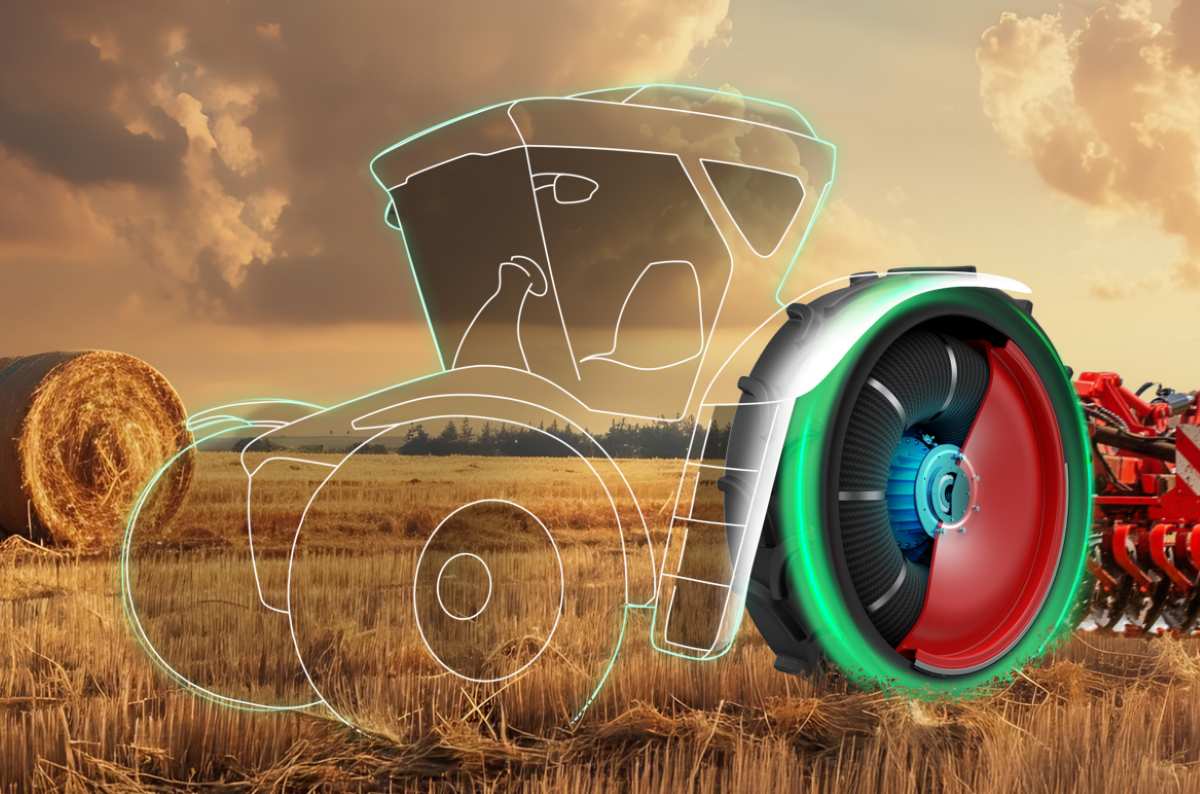
The tractor that never stops? German engineers create super technological wheels that store hydrogen and ensure that the machine works all day in the field without needing to stop even once to refuel.
-
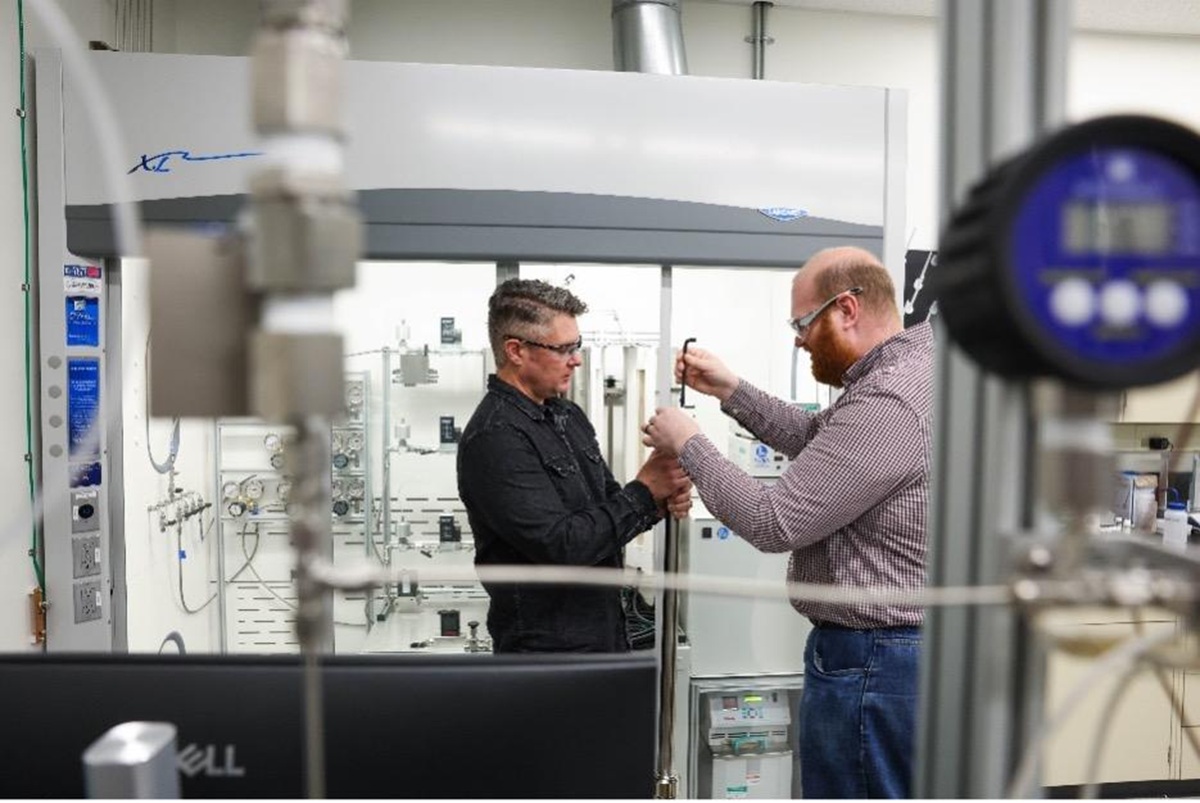
Aviation fuel could become much cheaper after advancements in the U.S.: a new catalyst reduces steps, converts ethanol in one go, and also paves the way to increase the supply of SAF in a market pressured by high costs.
-
According to scientists, colonists born on Mars may develop immunity different from that of Earth and have a higher risk of infections when coming into contact with humans from Earth.

-
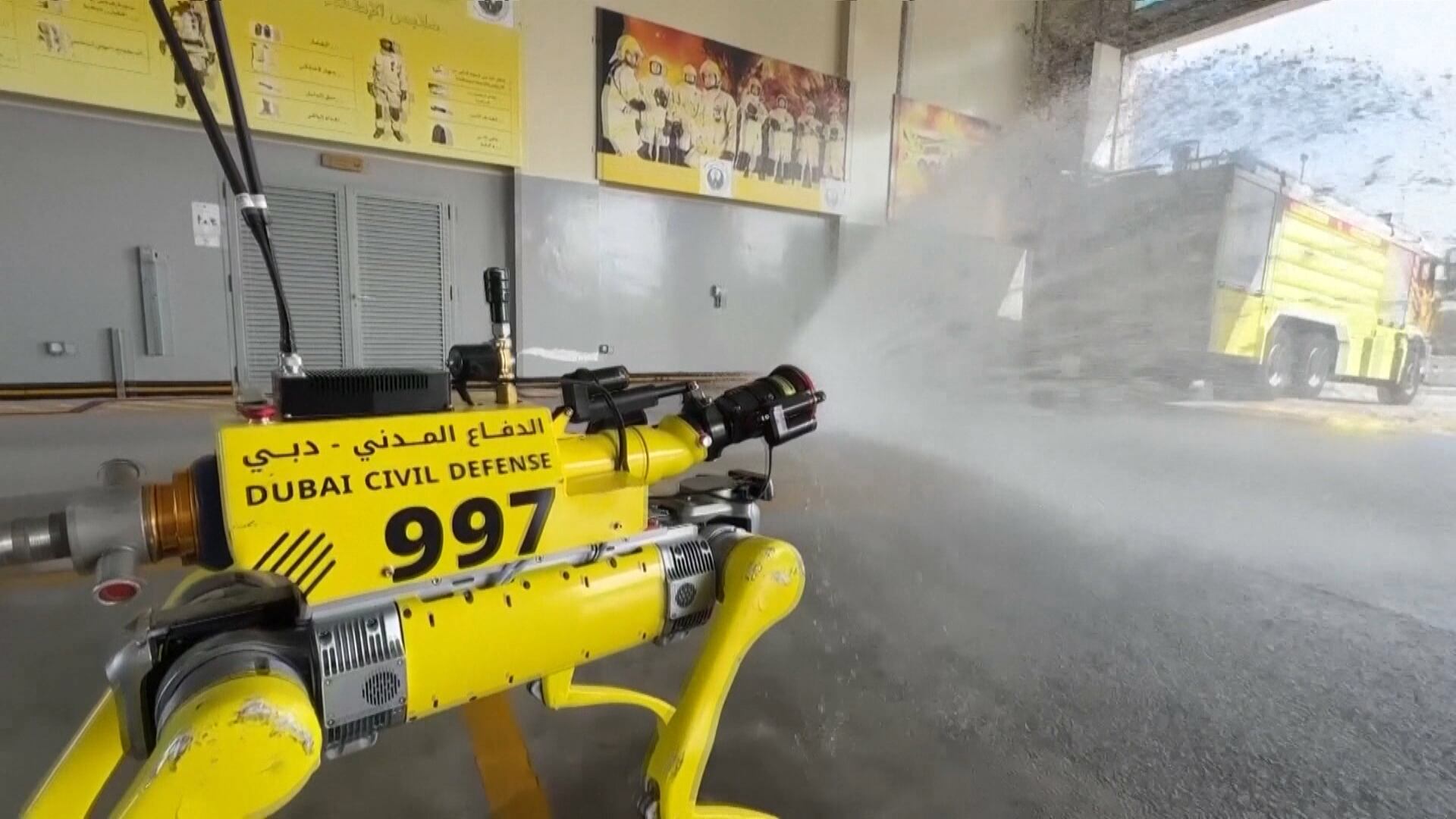
Dubai places robots on the front line of firefighting with jets of 2,400 liters per minute and a range of up to 60 meters; these machines take on extreme risk zones and mark the arrival of artificial intelligence in the most dangerous physical work in the world.
The Phenomenon of “Self-Healing” Metals
What the scientists witnessed was a phenomenon called self-healing, something that goes against everything that was known until then about the durability of metals. Traditionally, engineers have always assumed that fatigue cracks – small fissures that arise due to repeated stress – were irreversible. In other words, once cracked, the metal would continue to deteriorate until it broke completely.
But, in this case, the metal did exactly the opposite. It started to “patch” the crack as if it were regenerating itself, something that had previously been considered impossible in materials science. This phenomenon challenges the basic principles of engineering and opens up a new field of research to understand how this process works.
The Potential Impact of This Discovery
If scientists can understand and control this phenomenon, the impact on engineering could be immense. Just imagine: bridges, airplanes, engines and even smartphones made from materials that fix themselves! This would not only increase the durability of products but also reduce costs for maintenance and parts replacement.
However, there is still much to be studied. The experiments so far have been conducted in a controlled environment, in a vacuum, with nanocrystalline metals. The big question is: could this also happen with conventional metals, such as steel or aluminum, under normal usage conditions, like outdoors?
A Promising Future for Materials Science
Although the discovery of “self-healing” metals is recent, the idea had already been predicted by Michael Demkowicz, one of the scientists involved in the study. He believed that something like this could occur due to a process called cold welding, in which atoms of nearby metallic surfaces connect without the need for heat.
Even without all the answers, one thing is certain: this discovery is at the forefront of materials science and promises to revolutionize the way we think about and design metal structures. “We still have a lot to learn, but this is a discovery that could change everything,” said Demkowicz. Who knows, in the near future, we may see this technology being applied on a large scale, from large structures to small electronic devices.
The future of metals and science has never been so exciting!
“METAL”, “science”, “ore”







Me interessa muito.
A universidade do Texas descobriu ano passado!
Vou dizer uma coisa sobre essa novidade : Estou sem palavras.