Portuguese
  Spanish



Recent advance of the Oropouche virus in Brazil increases concern about silent transmission, symptoms confused with dengue, and urgent need for prevention
The advance of the Oropouche virus in Brazil has raised health authorities’ alarms, generating national attention.
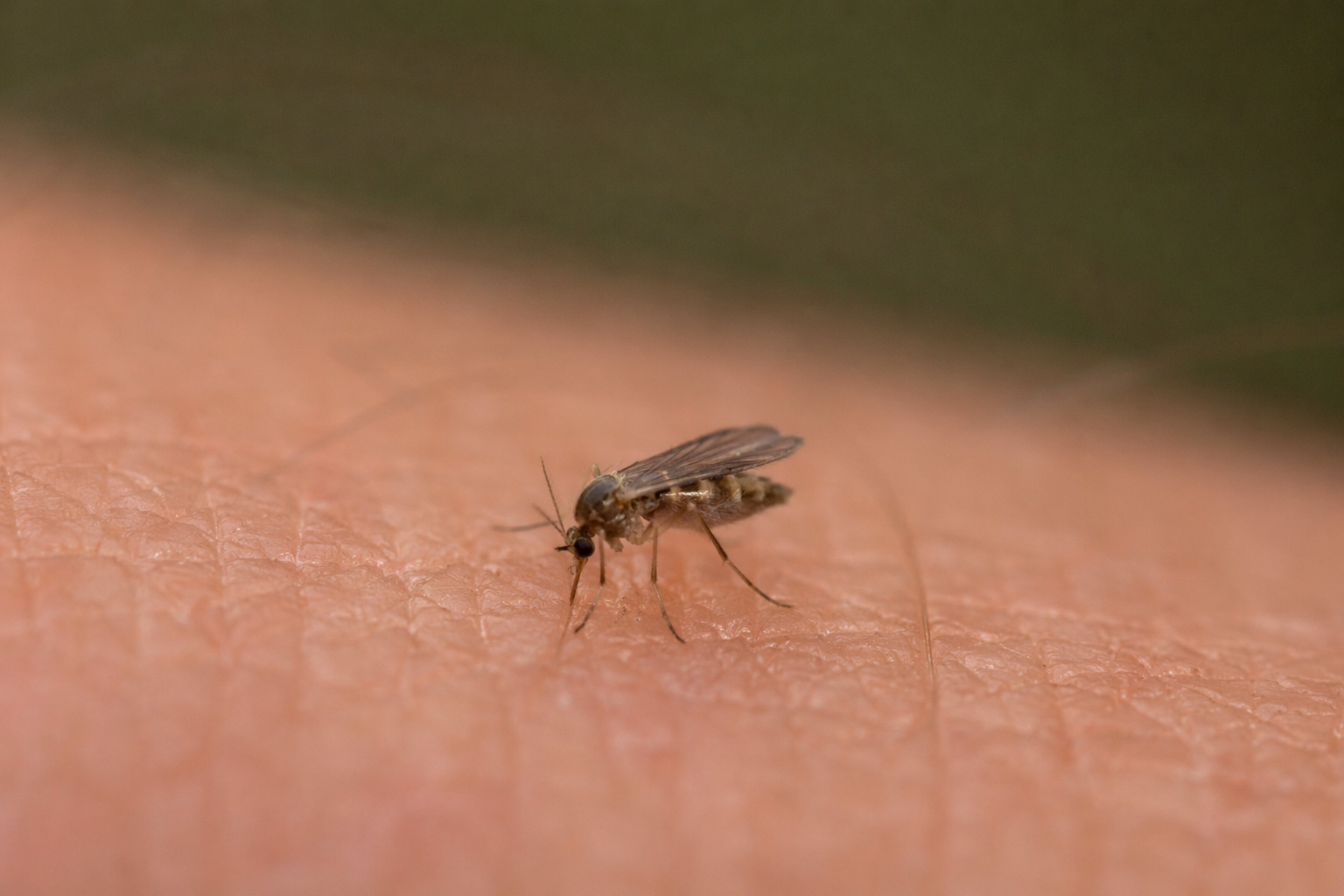
The virus, transmitted by a tiny insect known as maruim or midge, has expanded its circulation and raises concerns due to the difficulty of control.
Although it was identified back in the 1960s, Oropouche is no longer restricted to specific areas and has begun to reach different regions of the country.
This scenario has therefore elevated the disease to a priority level in public health surveillance, especially in light of the recent increase in cases.
The similarity of symptoms with other arboviruses, such as dengue and chikungunya, complicates diagnosis and requires greater attention.
Silent transmission expands virus circulation
The transmission of the virus occurs mainly through the Culicoides paraensis insect, which is extremely small and difficult to notice.
When this vector bites an infected person or animal, the virus is acquired and can subsequently be transmitted to other individuals.
Thus, the cycle of infection remains active in both wild and urban areas, expanding dissemination.
This behavior makes control more challenging and requires constant monitoring by health authorities.
Therefore, the silent circulation of the virus directly contributes to the increase in reported cases.
Symptoms similar to dengue make diagnosis difficult
The symptoms of infection by the Oropouche virus present characteristics similar to those of other viral diseases.
Among the main signs are fever, severe headache, muscle pain, nausea, and general malaise.
This similarity leads many cases to be confused with dengue or chikungunya.
As a consequence, diagnosis may be delayed, compromising the proper follow-up of patients.
Although the disease is, in most cases, self-limiting, groups such as the elderly, children, and pregnant women require extra attention.
-
How to Prevent Brown Recluse Spider Bites: Common Hiding Spots and Free Tips to Reduce Risks

-
Natto: The Unusual Japanese Superfood Gaining Popularity on Social Media and Driving Record Exports
-
Brazilian Mayor Goes Undercover as Homeless for 24 Hours to Assess Public Services

-
15-Year-Old Entrepreneur Malu Lira Publishes 20 Children’s Books on Financial Education, Earns $500,000, and Expands Her Project to the Amazon Rainforest





Absence of specific treatment reinforces prevention
Currently, there is no specific treatment for the Oropouche virus, which increases the importance of prevention.
Care, therefore, is based on symptom relief and medical follow-up of patients.
In light of this scenario, preventive measures become essential to reduce transmission.
Among the main recommendations are the use of repellents, clothing that covers the body, and reducing exposure in areas with a high presence of insects.
Additionally, environmental cleaning actions help eliminate places conducive to the proliferation of the vector.
Monitoring and health response in light of the advance
Early identification of the disease’s signs is essential to contain the advance of the virus.
At the same time, adopting preventive measures helps avoid new outbreaks and reduce the circulation of the infectious agent.
In this context, public health surveillance maintains continuous monitoring of the situation in different regions of the country.
Thus, integrated actions between the population and authorities become fundamental for disease control.