





 Portuguese
  English
  Spanish
  4 min of reading
  4 comments


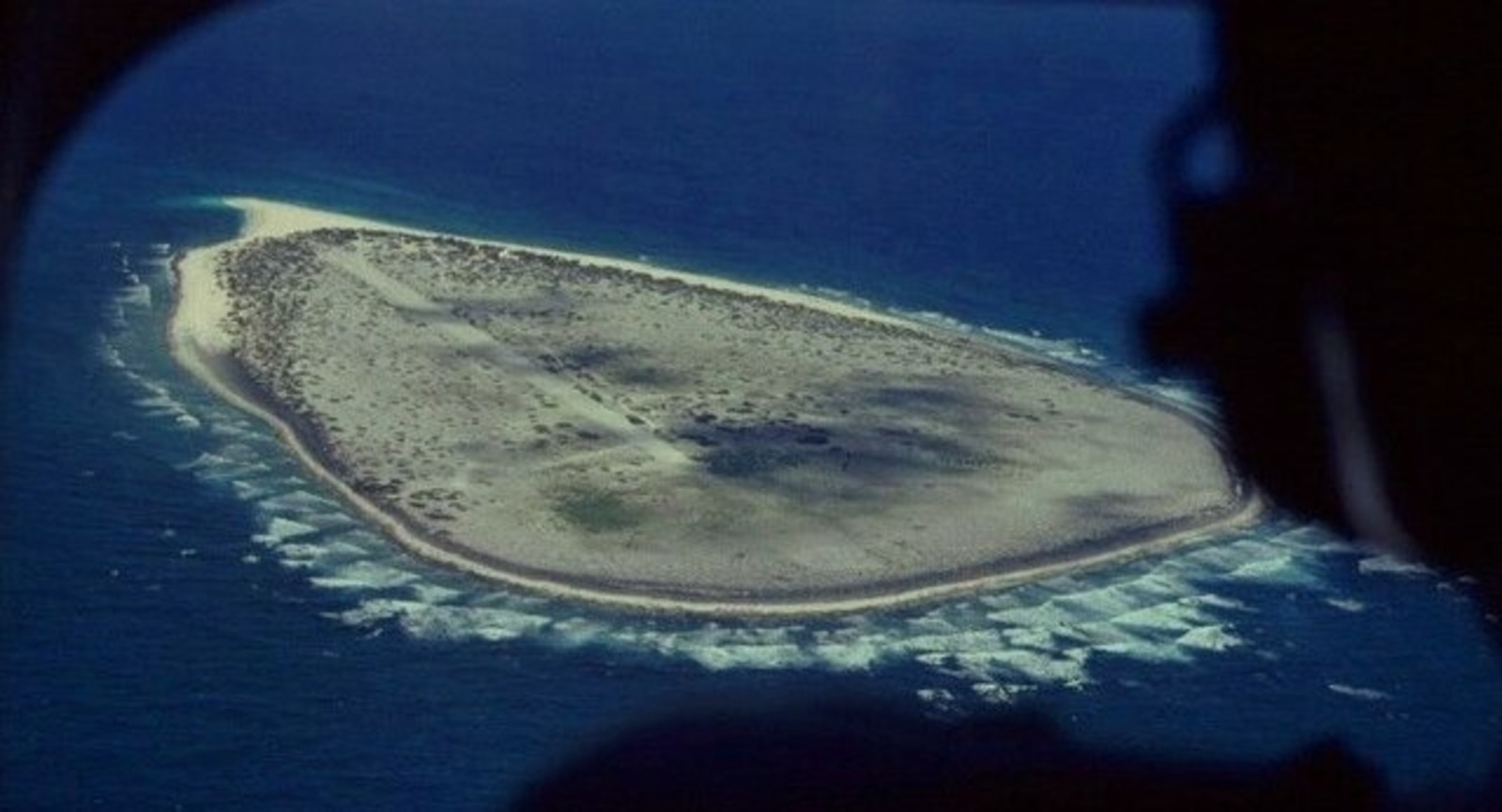


The Ship Utíle Shipwreck Exposed A Journey Of Abandonment, Resistance And Survival On An Isolated Island In The Indian Ocean, Where Slaves Fought For Fifteen Years Until The Rescue That Marked History
The night of July 31, 1761, forever marked the trajectory of the ship Utíle. The vessel, commanded by Jean de La Fargue and belonging to the French East India Company, was headed to the Mauritius Islands when it faced a violent storm. Due to the force of the winds and the unpredictable sea, the ship ran aground on a small flat island located 450 km east of Madagascar.
The region was remote and completely exposed to the Indian Ocean. Nothing indicated that it would be a safe place to await rescue; therefore, the consequences of the accident were immediate and devastating for those on board.
The Utíle was carrying about 160 slaves in the hold, in addition to 143 men in the crew. The impact against the rocks irreversibly destroyed the vessel, and some of the people trapped in the lower deck drowned.
-
These living root bridges and ladders are over 700 years old and help indigenous people survive in one of the rainiest regions in the world.

-
From sertanejo star to international investor: Ana Castela invests millions in a mansion in the USA, creates a themed accommodation in Orlando, and shows that the “boiadeira” also wants to grow away from the stage.

-
The 10 most stunning motorhomes in the world: a $3 million trailer with a rooftop nightclub and garage for a Ferrari, “palaces on wheels” with Italian marble, private cinema, and five-star hotel luxury for billionaires.

-
Trump wanted to spend $400 million on the White House, but the courts prohibited the million-dollar construction.


Only the slaves on the upper deck managed to escape the initial shipwreck.

The Search For Survival Soon After The Impact
The numbers made the tragedy clear. Of the 143 sailors, 21 died. Among the slaves, only 88 survived because many remained chained with no chance of escape.
The conditions were so harsh that the situation was described as a great misfortune in the records of the time.
Despite the traumatic scenario, the captain and his men needed to act quickly. La Fargue organized the sailors to retrieve food, tools, wood, and drinking water from the wreckage. The idea was simple yet desperate: to build a new boat.
They dug a well 5 meters deep to ensure minimal water supply. Additionally, they improvised a furnace capable of forging nails and small utensils necessary to rebuild an emergency vessel. The work was intense.
The Emergence Of The Providence
After two months of continuous effort, using wood taken from the Utíle, the improvised boat named Providence was born.
The construction represented the only alternative found by the sailors to escape the island. On September 27, 1761, the group of 122 French survivors set off toward Madagascar.
The decision, however, left the 88 slaves behind. The captain promised he would return to rescue them because he knew the gravity of the situation. Still, the abandonment deeply marked the history of this tragedy.
The Shock With The Governor And Forced Abandonment
Upon arriving in Madagascar, the captain reported everything to Governor Antoine-Marie Desforges-Boucher. However, the reaction was unexpected and cruel.
The governor, also an officer of the French East India Company, refused to send a rescue ship.
He justified that it was not worth spending resources to save slaves, whom he compared to disposable animals.
The decision caused outrage among local dignitaries, but none were able to convince the governor to change his mind. Therefore, the slaves remained isolated on the island, with no prospect of help.
The Desperate Fight On The Sandy Island
The island where the Utíle ran aground was extremely hostile. The sandy soil made agriculture impossible, and there were no forests or natural water sources.
With only a few birds and turtles as available fauna, surviving there required effort and knowledge.
The survivors utilized resourceful skills to find minimal resources. They collected rainwater, hunted birds, fished rudimentarily, and consumed eggs when possible. Sea turtles also served as food.
The shelters were built in holes dug into the ground. They used coral blocks and sand as improvised walls. To cook, they created a communal oven.
Even clothes were handmade from feathers. Everything revealed a harsh routine, as the environment provided very few resources.
The following years tested the physical and emotional limits of the survivors, who persisted even while feeling the constant presence of death around them.
The Rescue That Took Fifteen Years
The story of abandonment resonated among European abolitionists. Political pressure at the French court grew because the case symbolized extreme cruelty.
Only on November 29, 1776, fifteen years after the shipwreck, did the corvette Dauphine set sail for the rescue.
On that day, the ship was under the command of Jacques Marie Boudin de Tromelin de La Nuguy. The rescue revealed a painful scene: of the 88 slaves left on the island, only eight were still alive.
In honor of the captain of the rescue mission, the island came to be called Tromelin. The survivors were freed and sent to Europe to start a new life.
The Island After The Tragedy
As the years went by, France officially annexed the island in 1814. In 1954, it built an unpaved runway 1050 meters long and 35 meters wide.
Today, researchers work there at a meteorological station that operates alongside a lighthouse.
The region has become an important environmental reserve, recognized by BirdLife International as a sanctuary for birds and turtles. Archaeologists have located houses, tools, the anchor, and even the cannons of the ship.
A Reflection That Lingers
The greatest lesson left by the slaves of Tromelin is human resilience. They faced abandonment, hunger, thirst, and absolute isolation, yet continued to fight.
The story reveals the priceless value of human life because it demonstrates courage in the face of the impossible. Their perseverance forever marked that lost stretch of sand in the ocean.
With information from Dia a Dia.






Não nutro simpatia pelo povo Francês. !!!
Desumanidade!
Crueldade é pouco; Monstruosidade é o termo correto.