





 Portuguese
  English
  Spanish
  3 min of reading
  0 comments


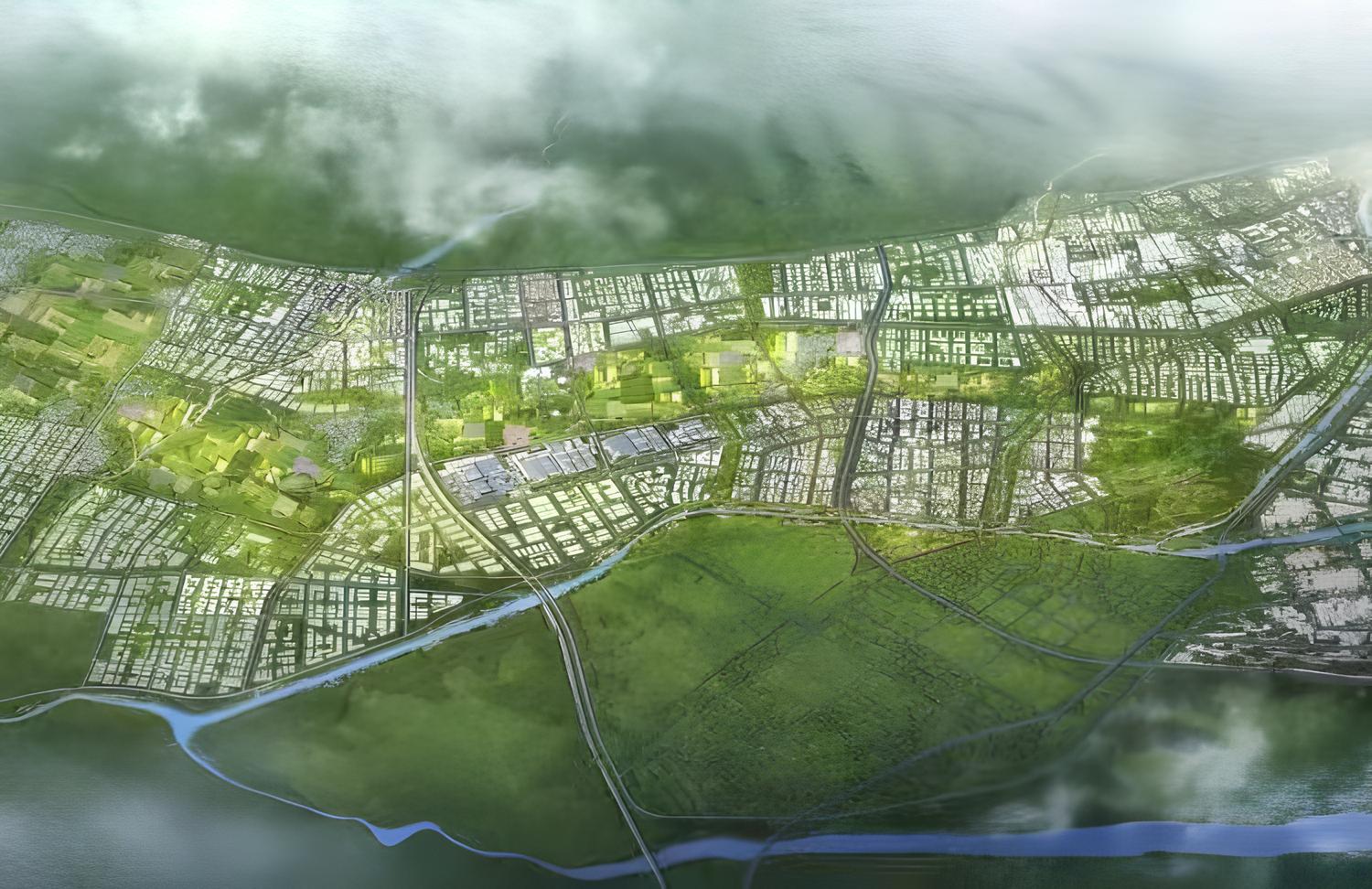
Yili Modern Smart Health Valley Brings Together More Than 40 Factories in 38 km², Integrates Agro, Industry, and R&D, and Functions as a City Dedicated to Food Production.
In northern China, the Yili Modern Smart Health Valley was designed to go far beyond the idea of a farm or industrial park. The project arose as a planned agro-industrial city, where primary production, industrial processing, scientific research, logistics, and export operate seamlessly within a single continuous territory.
With about 38 square kilometers of area, the complex is large enough to accommodate dozens of industrial plants, technology centers, logistics facilities, and its own urban infrastructure. The physical scale of the enterprise places it among the largest integrated agro-industrial projects ever built in the world.
More Than 40 Factories Connected in Continuous Production Chain
The heart of Yili Modern Smart Health Valley is its network of more than 40 integrated factories, designed to operate as parts of the same production system.
-
Historic bankruptcy of Centauro shocks the market, and the century-old company puts more than 500,000 products, machines, and complete infrastructure up for online auction.

-
New shoe factory in Ceará is expected to create 400 jobs and strengthen the local economy.

-
No one imagined it, but a mixture of sawdust with a mineral that fights fires surprises scientists with a result that changes the course of fire-resistant construction.
-
From empty land to a high-end house, wooden construction uses a lightweight system, metal structure for the foundation, ventilated ceramic cladding, and special windows to create an efficient and comfortable living space throughout the year.

These units do not operate in isolation: raw materials enter one end of the complex and exit the other already transformed into final products ready for the domestic market and export.
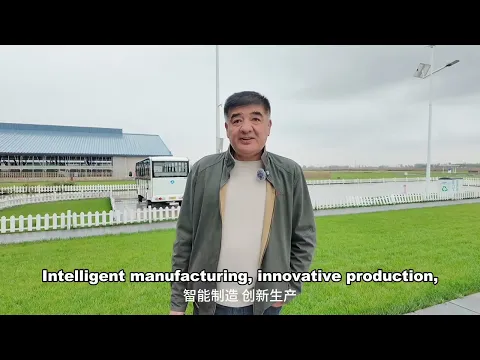

Within the industrial park, milk and dairy products, nutritional formulas, functional foods, high value-added products for health and specialized nutrition, as well as export-oriented lines are processed. This productive diversity prevents the complex from depending on a single product, making it resilient to market fluctuations.
Continental Scale Production and In-House Logistics
The operation of Yili Modern Smart Health Valley was designed to meet continental scale. The annual production of the complex reaches billion-liter and ton volumes, supplying large Chinese urban centers and international markets.
To sustain this continuous flow, the project features its own internal logistics, including distribution centers, cargo terminals, rail connections, and automated storage systems. Trucks, industrial conveyor belts, and logistics hubs operate as in an industrial city, reducing bottlenecks and operational losses.
Integration Between Agro, Industry, and Science
One of the strategic differentiators of the complex is the presence of research and development (R&D) centers physically integrated with the factories.
Nutrition, food biotechnology, and quality control laboratories operate within the same territory, allowing for rapid cycles of innovation and standardization.
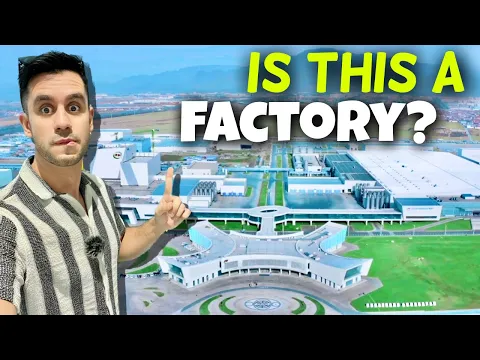
This integration reduces the time between research, industrial testing, and large-scale production. The result is a system capable of quickly launching new products, adjusting formulations, and responding to sanitary and regulatory requirements with agility.
Urban Infrastructure for Thousands of Workers
With dozens of factories and continuous operation, Yili Modern Smart Health Valley practically functions as a closed city dedicated to food production. The complex houses thousands of workers, administrative areas, technical services, maintenance, security, and centralized management.
The infrastructure includes its own energy supply, industrial water systems, wastewater treatment, and environmental controls, allowing the complex to operate with a high degree of autonomy from surrounding cities.
A Chinese Model of Food and Industrial Sovereignty
The project reflects a clear national strategy: to control not only agricultural production but the entire food value chain, from the field to the end consumer. By concentrating agro, industry, science, and logistics within a single territory, China reduces external dependencies and gains systemic efficiency.
Few countries have invested in agro-industrial projects with this level of physical and organizational integration. Yili Modern Smart Health Valley is not just an industrial park but a strategic long-term infrastructure, designed to support domestic consumption, exports, and food innovation.
An Entire City Dedicated to Producing Food
With more than 40 factories, 38 km² of continuous area, and continental scale production, Yili Modern Smart Health Valley represents a new level of organization in the global agribusiness. It demonstrates how modern agriculture can take on an urban, industrial, and highly technological form.
More than just producing food, the complex redefines the concept of a farm, transforming it into a productive city, where every square meter exists to support an integrated, continuous, and strategic food chain.







Seja o primeiro a reagir!