





 Portuguese
  English
  Spanish
  3 min of reading
  0 comments


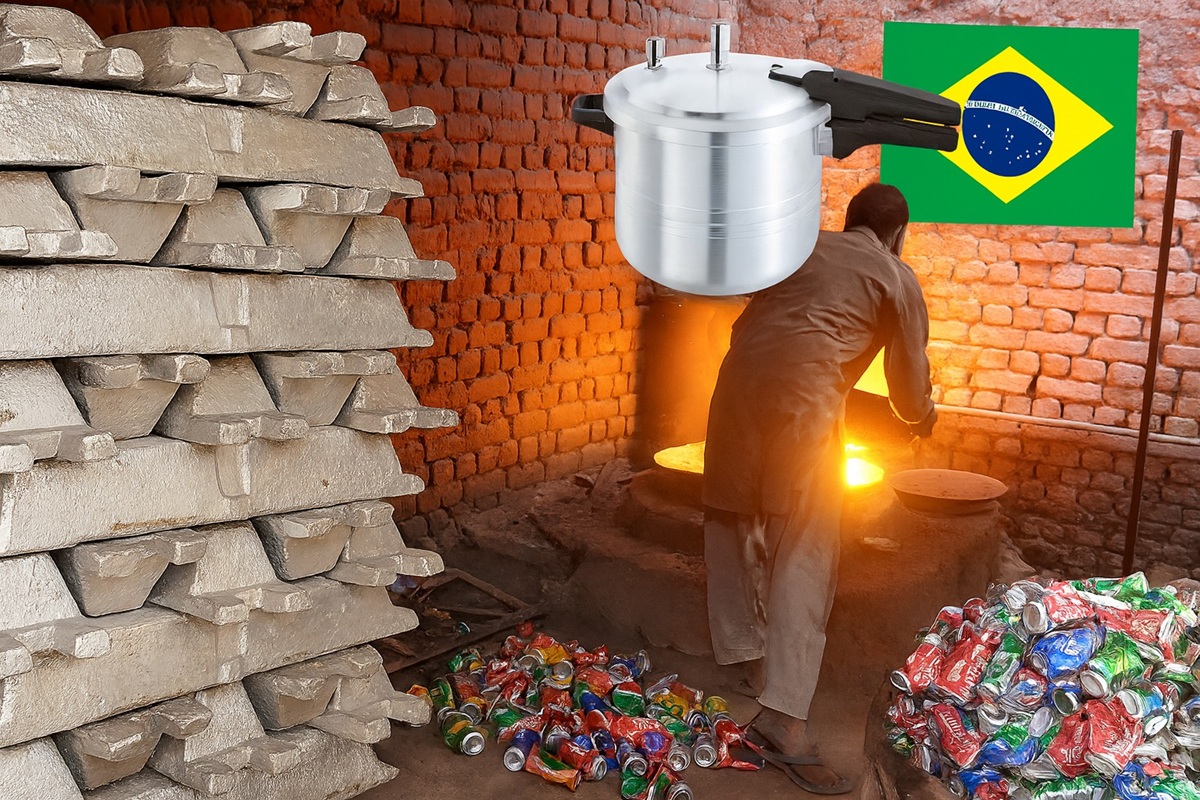
In The Intense Heat Of Small Foundries In The Northeast, Artisans Transform Aluminum Scrap Into Durable And Affordable Pots. It Is A Craft That Unites Tradition, Recycling, And Sustenance For Entire Families, Keeping Alive A Technique Passed Down From Generation To Generation.
Aluminum Recycling Is One Of The Most Efficient And Sustainable Processes In The Metal Industry.
Among The Most Common Products Made From Recycled Aluminum Are Pots, Which Can Be Produced Both On An Industrial Scale And In Smaller Workshops, In Backyards.
The Process Is Relatively Simple, But It Requires Technical Knowledge, Proper Equipment, And Safety Measures.
-
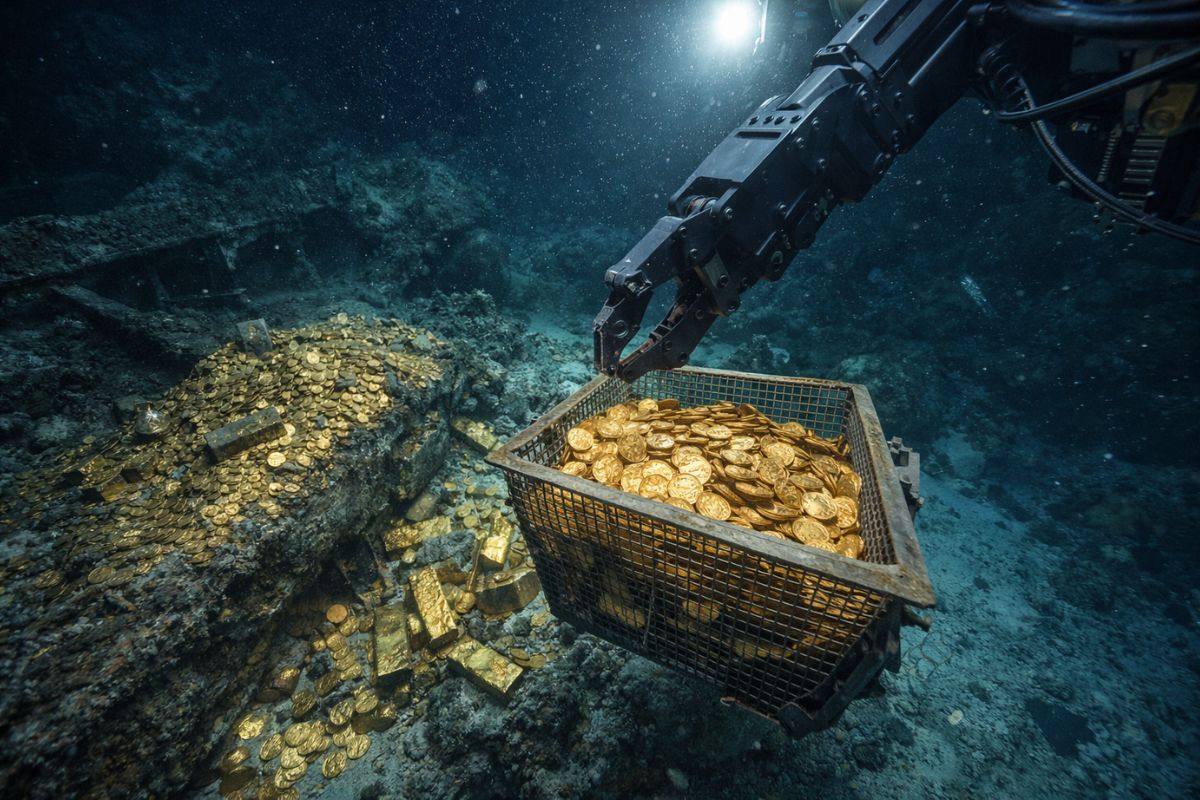
He found the largest gold shipwreck in the United States with tons of the precious metal at a depth of 2,400 meters in the Atlantic and recovered a treasure that no one thought possible to reach, but 500 gold coins disappeared without explanation.
-
The United States has a serious problem with its F-35s: China is already producing fighters at a pace that exceeds American capacity and could manufacture up to 300 aircraft per year before the end of the decade, shifting the global military balance.

-
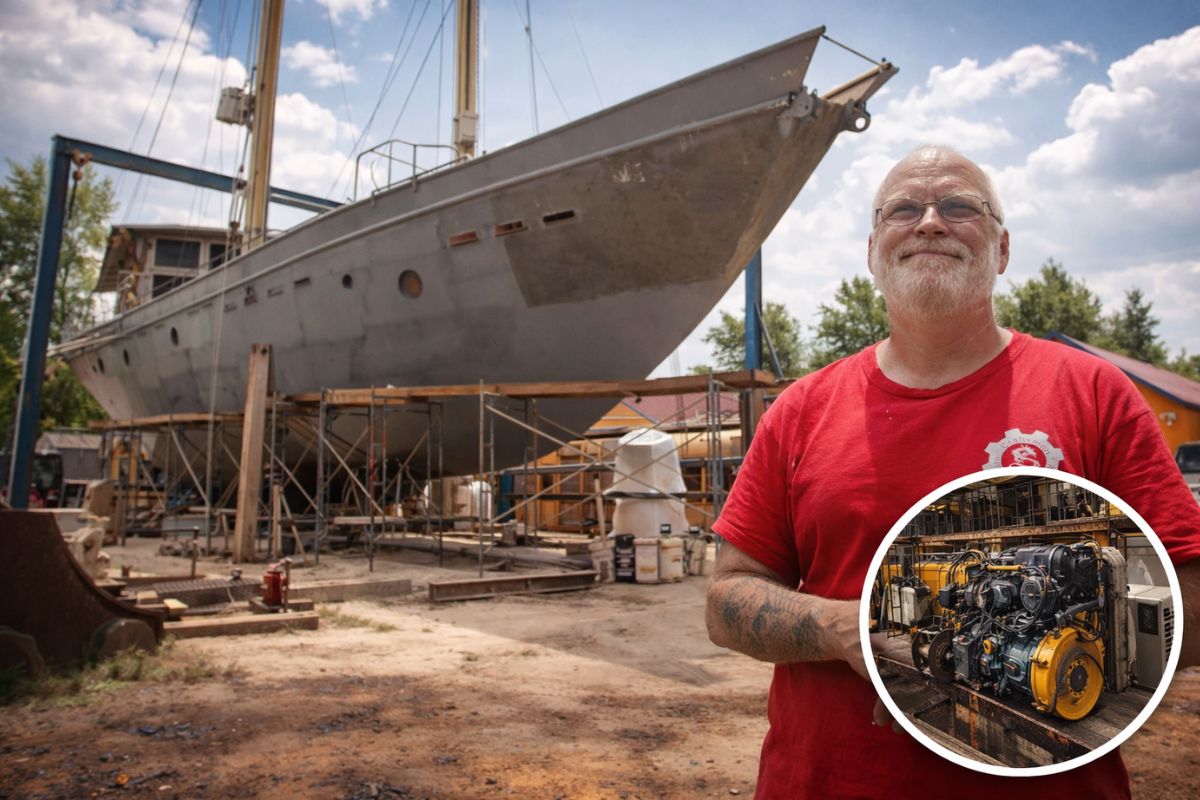
A retired IT professional built a 22-meter boat in his backyard in Oklahoma with a school bus engine, light pole masts, and handmade watertight doors to become the redneck version of Jacques Cousteau.
-
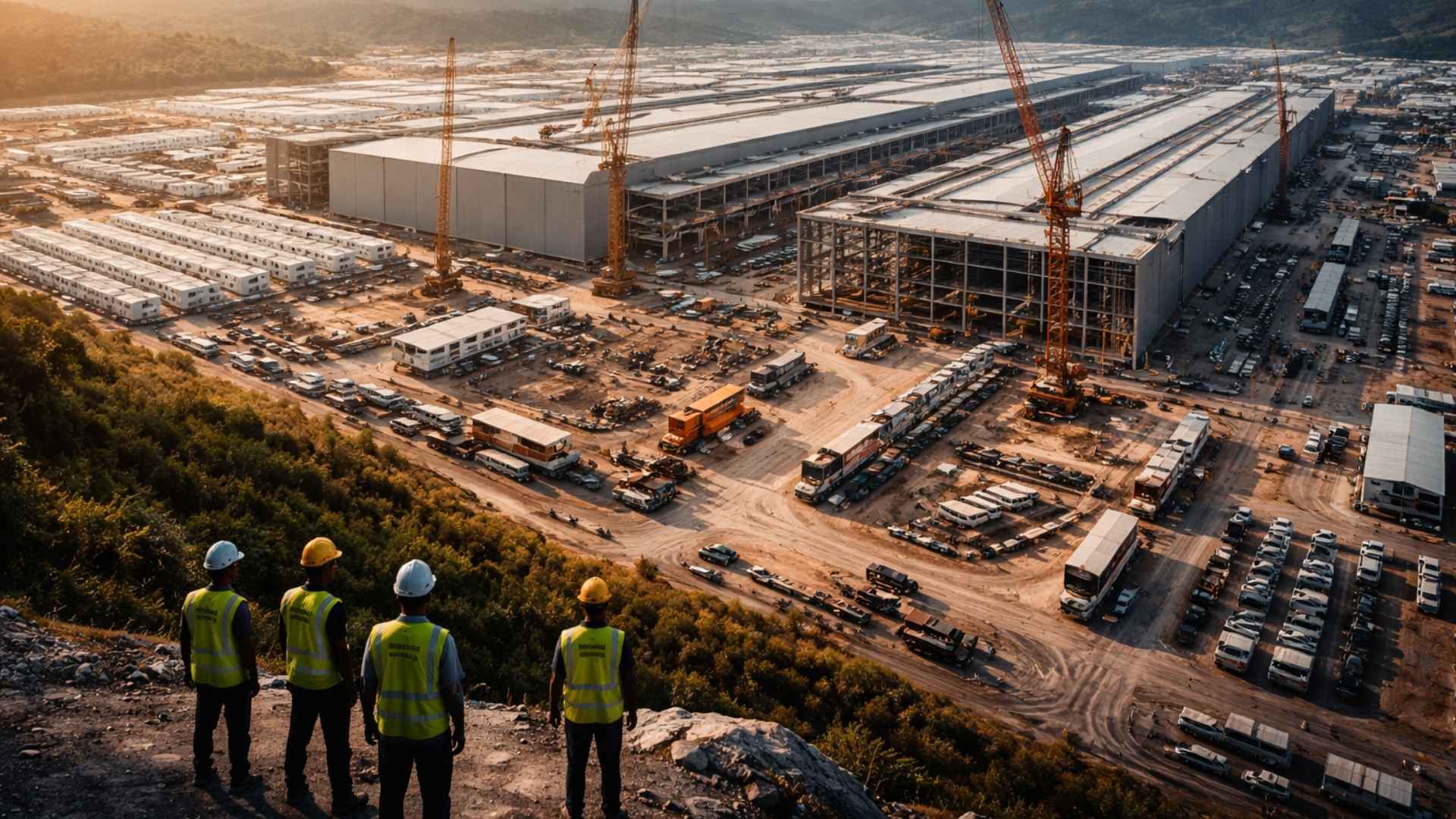
China is building a city in Brazil: a complex with an investment of R$ 5.5 billion comes to light, but allegations involving workers draw attention.

Collection And Separation
It All Starts With The Collection Of Aluminum, Which Can Come From Beverage Cans, Old Frames, Appliance Parts, Automotive Scrap, Or Other Objects.
This Material Is Gathered By Recycling Companies, Cooperatives, Or Collectors.
After Collection, There Is The Separation. The Goal Is To Ensure That Only Aluminum Enters The Process, Avoiding Contamination With Iron, Copper, Plastics, And Other Waste.
This Step Can Be Done Manually Or With Machines That Use Magnets And Screens To Isolate The Metal.
Cleaning
Before Melting The Aluminum, It Is Necessary To Remove Impurities Such As Paint, Residues Of Liquids, Grease, Or Oil. This Cleaning Can Be Done By Washing With Water And Detergent, Using Solvents, Or Even Mechanical Scraping Processes.
In Addition To Improving The Final Quality Of The Product, This Step Prevents The Production Of Toxic Smoke And Reduces The Formation Of Impurities During Melting.
Shredding
The Clean Aluminum Is Shredded Or Cut Into Smaller Pieces. This Facilitates Melting As It Increases The Surface Area In Contact With The Heat.
Industrial Shredders Transform Cans And Parts Into Small Chips Or Fragments, Accelerating The Melting Process And Ensuring Uniform Heating.
Melting
The Shredded Metal Is Taken To Furnaces That Can Be Electric, Gas, Or Coal. The Goal Is To Reach About 660 °C, The Temperature At Which Aluminum Becomes Liquid.
The Material Is Placed In Crucibles — Heat-Resistant Containers — To Be Melted. During The Melting Process, Fluxes May Be Added, Substances That Help Separate Dirt And Slag, Leaving The Metal Purified.
Molding
With The Liquid Aluminum Ready, It Is Poured Into Molds That Define The Shape Of The Pot.
These Molds Can Be Made Of Sand, Iron, Or Steel. In Some Regions Of Brazil, They Use Sand Molds.
The Industry Uses High-Precision Molds To Ensure Uniform Thickness And Shape, While Smaller Productions May Rely On Handcrafted Models.
The Filling Process Of The Molds Requires Care To Avoid Air Bubbles Or Structural Defects That Could Compromise The Pot’s Strength.
Cooling And Finishing
After Filling, The Aluminum Needs To Cool And Solidify. The Time Varies Depending On The Size Of The Piece And The Type Of Mold Used.
When The Pot Is Removed, It Goes Through Cutting To Remove Burrs And Excess Metal. Then, It Is Sanded And Polished Until It Reaches The Final Appearance. In Some Cases, It Receives Surface Treatment, Such As Anodization, To Increase Corrosion Resistance.
Final Assembly
If The Pot Uses Separate Handles Or Lids, They Are Attached At This Stage, Usually By Rivets Or Welding. In Uniquely Molded Models, The Handles Are Already Integrated Into The Body Of The Pot.






Seja o primeiro a reagir!