





 Portuguese
  English
  Spanish
  5 min of reading
  0 comments


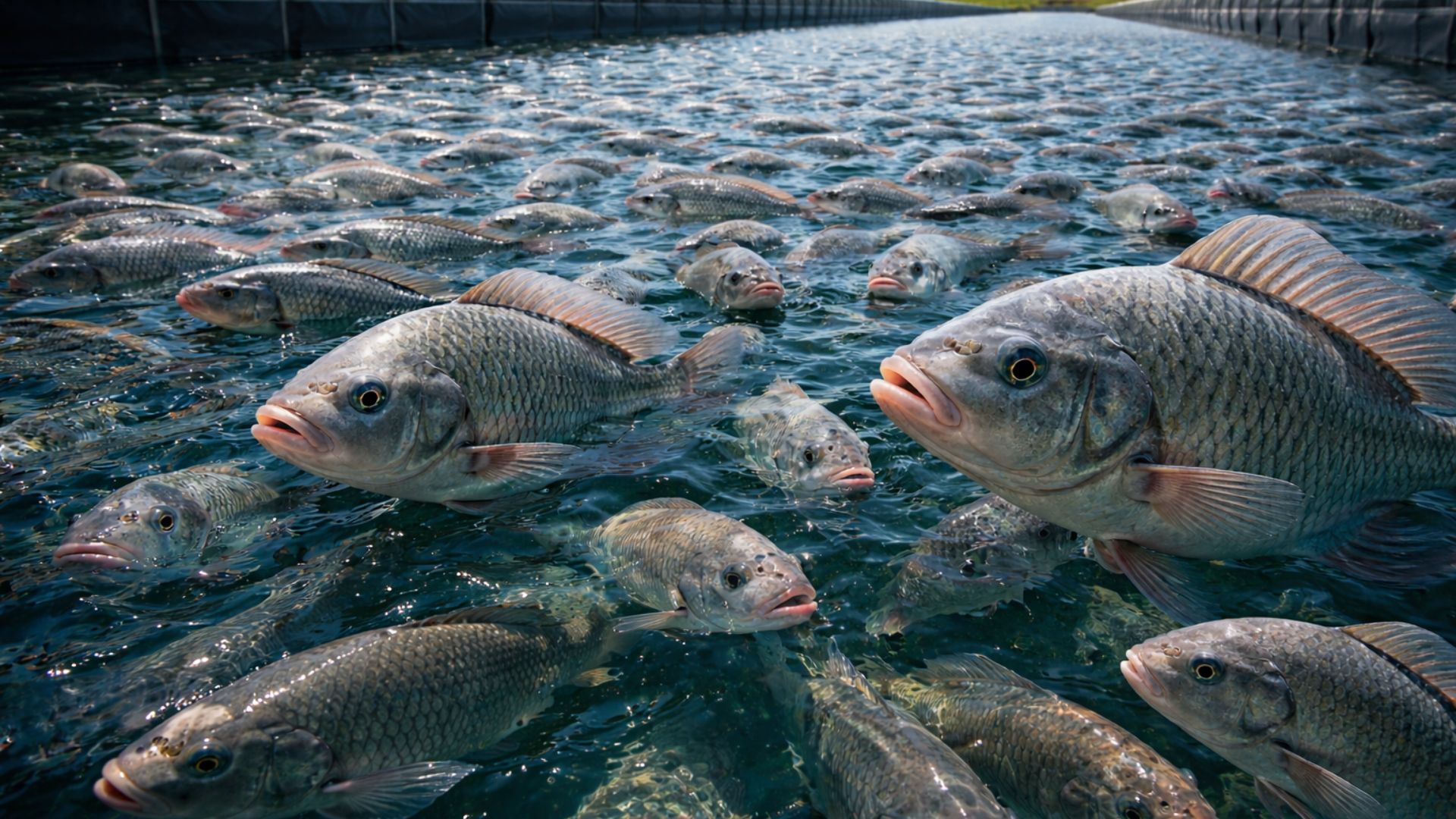
Investment in High-Density Technology Transforms Fish Farming in Western Paraná, Increases Production Per Area and Repositions Activity as a Competitive Alternative Against Traditional Crops, Focused on Efficiency, Operational Safety and Productive Scale, Within an Integrated Model That Bets on System Intensification.
Fish farmer Moacir Niehues, from Palotina, in western Paraná, decided to expand tilapia production on his farm with an investment of R$ 7 million in a system of tanks covered with geomembrane.
Integrated with the C.Vale cooperative, he expects to increase the stocking from 1.2 million fish per cycle to just over 2 million, with a 72% increase in capacity, according to the estimate presented by the producer.
The change involves the adoption of a high-density farming model, which, in practice, allows for more animals to be concentrated in a smaller area.
-
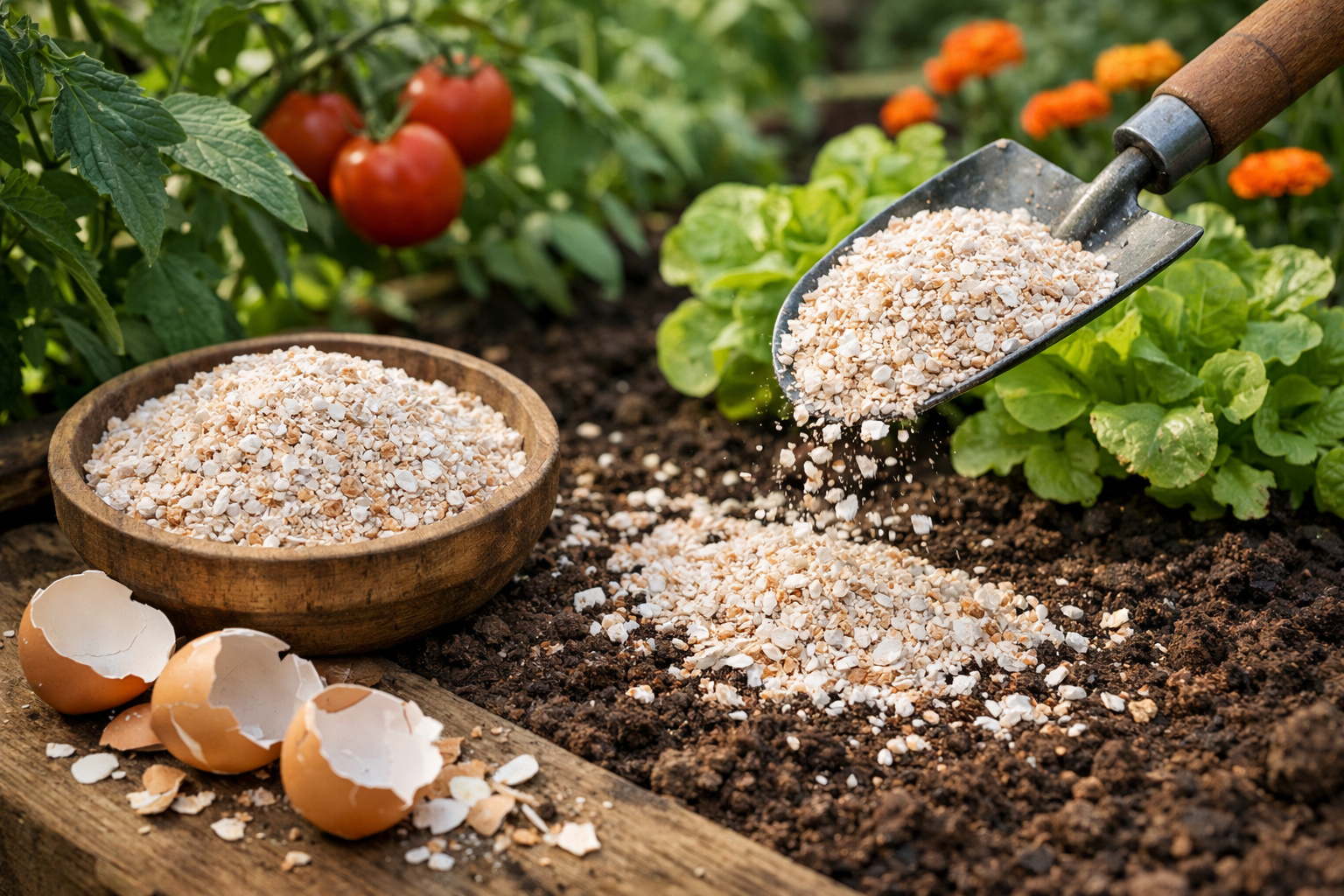
The eggshell that almost everyone throws away is made up of about 95% calcium carbonate and can help enrich the soil when crushed, slowly releasing nutrients and being reused in home gardens and vegetable patches.
-
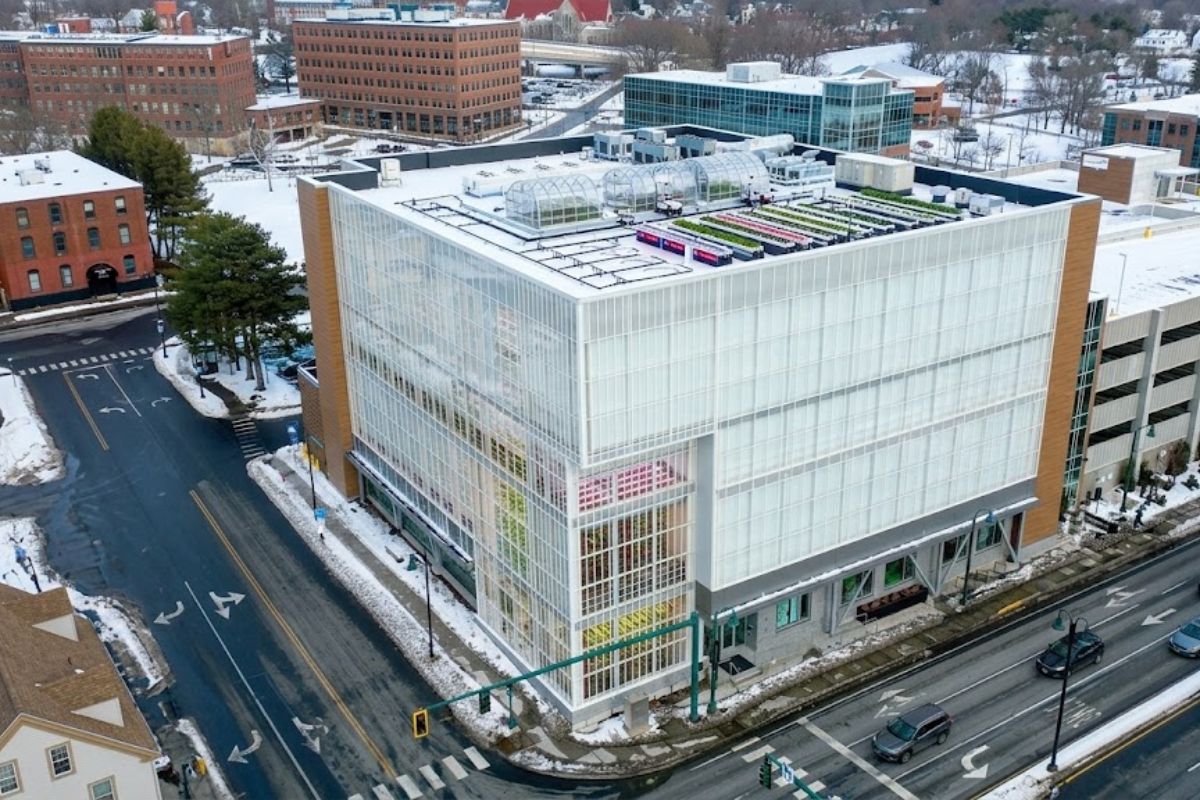
This farm in the United States does not use sunlight, does not use soil, and produces 500 times more food per square meter than traditional agriculture: the secret lies in 42,000 LEDs, hydroponics, and a system that recycles even the heat from the lamps.
-
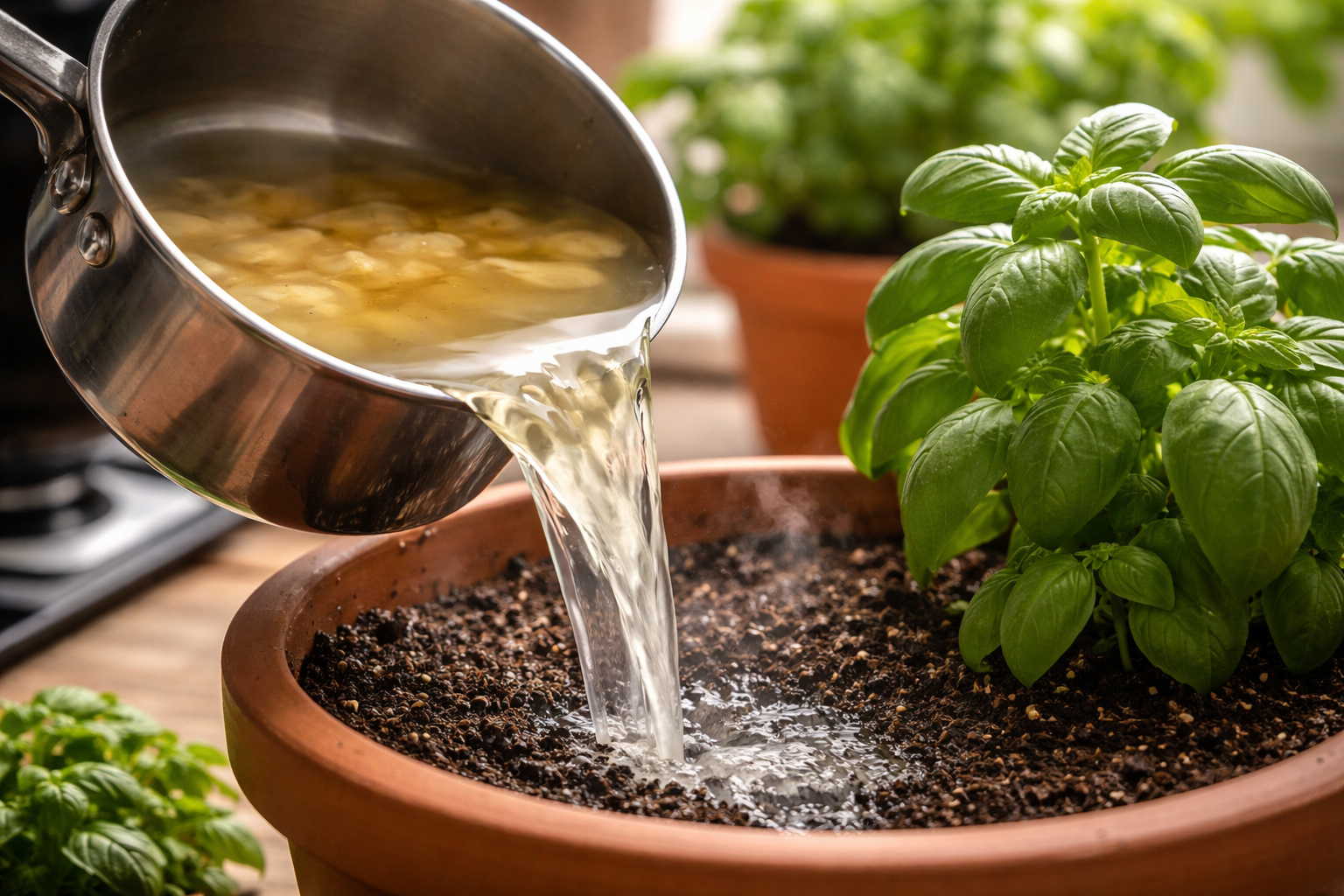
The water that almost everyone throws away after cooking potatoes carries nutrients released during the preparation and can be reused to help in the development of plants when used correctly at the base of gardens and pots, at no additional cost and without changing the routine.
-
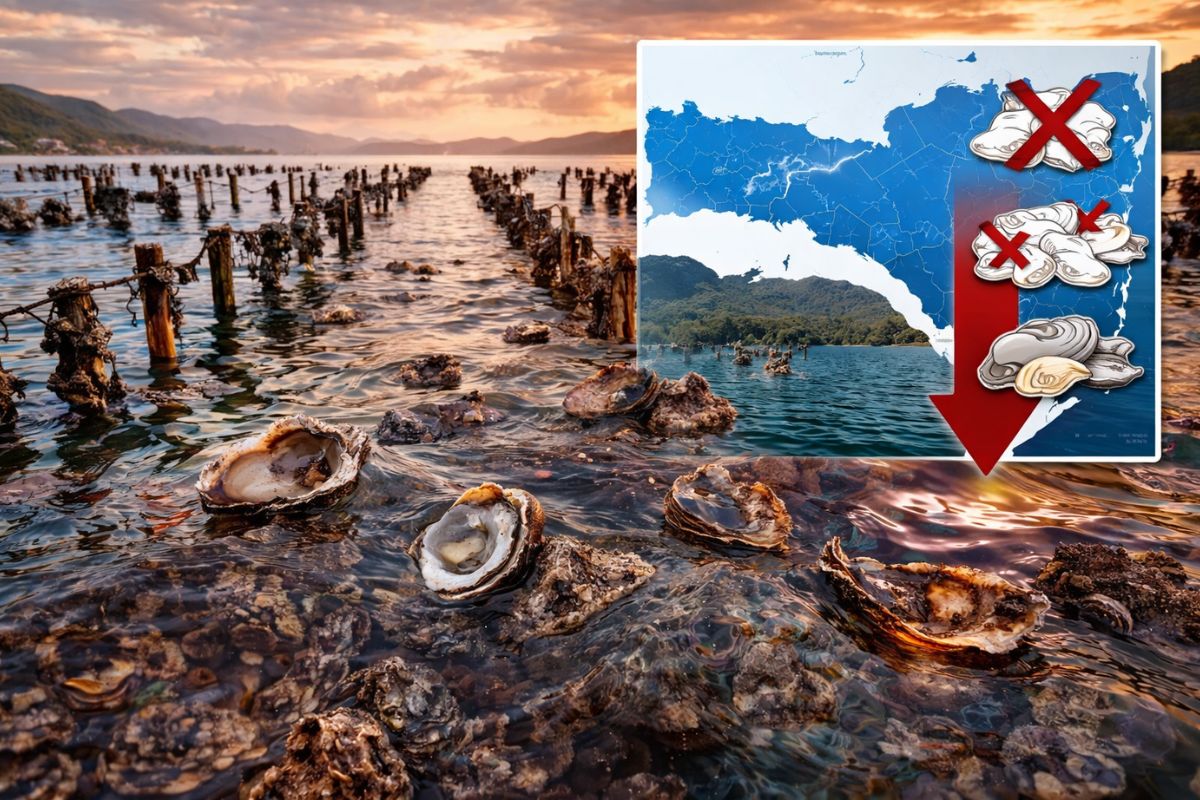
The sea water temperature rose from 28 to 34 degrees in Santa Catarina and killed up to 90% of the oysters: producers who planted over 1 million seeds lost practically everything and say that if it happens again, production is doomed to end.
According to the information disclosed, the geomembrane system allows for the stocking of 30 fish per square meter, compared to seven fish per square meter in the conventional method used by the producer so far.
This way, the projected expansion requires only a 16% increase in fish farming area to achieve a larger jump in the number of fish per cycle.
Niehues began tilapia farming on the property four years ago and states that the decision to intensify the activity went through viability calculations.
“It’s a very interesting activity from a financial point of view; considering the costs, it is possible to recover the total investment in approximately ten years,” said the fish farmer in a report accompanying the project announcement.

Geomembrane Redefines Efficiency and Use of Productive Area
The geomembrane used in the tanks is described as a flexible, weldable material resistant to sunlight, applied to cover farming structures and reduce water loss compared to conventional tanks.
In the presentation made by the cooperative, the technology is pointed out as a way to combine water savings and productivity increases per area, with a direct impact on the number of fish housed per square meter.
On the Palotina property, fish farming already occupies 17.5 hectares of water surface, where the producer maintains nine conventional tanks and houses 1.2 million tilapias per cycle since 2022.
The next phase involves the construction of 12 tanks covered with geomembrane, each measuring 16 meters wide by 250 meters long.
This expansion increases the farming area by 2.88 hectares, according to the project description.
According to the planned schedule, construction begins in January, and the structure should be completed in the second half of 2026.
The ultimate goal, according to the producer, is to reach just over 2 million tilapia per cycle upon completing the transition to the new system.

High Density Requires Reinforcement in Energy and Oxygenation
The increase in stocking density brings an immediate technical requirement, which is to maintain constant oxygenation in the water.
As high density can increase the risk of losses if the power supply fails, the producer reported that he will reinforce the structure to avoid interruptions and ensure continuous operation of the system’s equipment.
The planned configuration includes, in addition to the main power line servicing the property, two sets of generators.
The goal is to create operational redundancy.
If there is a power outage, one set of generators will activate.
If there is a failure in that set, the second reserve line will be triggered, according to the described plan.
The initiative was presented during the C.Vale 2025/26 Field Day.
On that occasion, Niehues attended the event with his son Guilherme and met with the president of the Cooperative’s Board of Directors, Alfredo Lang, and the manager of the Fish Department, Paulo Poggere.
It was in this context that the producer detailed the investment and associated the adoption of technology with the expectation of scale gains in fish farming.
Credit, Integration and Comparison with Other Agricultural Activities
The investment of R$ 7 million, according to the cooperative, encompasses the complete infrastructure of the tanks and the necessary equipment to operate the system.
The funds are expected to come from a credit line via Fiagro-FIDC made available by C.Vale, in partnership with Fomento Paraná and Sicredi.
The rate reported for the operation is 9% per year.

With a professional background linked to the financial area, Niehues reported that he compared the earning potential of fish farming with other agricultural activities before proceeding with the project.
While demonstrating a calculation on his phone, he stated that 232 hectares of soybeans would be needed to achieve a gross income equivalent to that generated by 2.88 hectares allocated to high-density tilapia farming, within the presented parameters.
The fish farmer also attributed part of the decision to the confidence he claims to have received regarding the market and the future of the activity within the integration model.
“C.Vale has given me a lot of confidence regarding the future of fish farming.
This system is the future.
Other producers will migrate to this high-density farming system,” he stated.
The strategy, in practice, combines increased productivity per area with an investment in a technological package that involves physical structure, aeration equipment, and an operational model designed to reduce vulnerabilities, especially those related to power supply and maintaining water quality.
With the advancement of more intensive farming systems in the field and the growing interest of producers in higher density technologies, to what extent will the capacity for investment and local infrastructure define who can keep up with this transformation in fish farming?








-

-

-

-

9 pessoas reagiram a isso.