





 Portuguese
  English
  Spanish
  4 min of reading
  1 comment


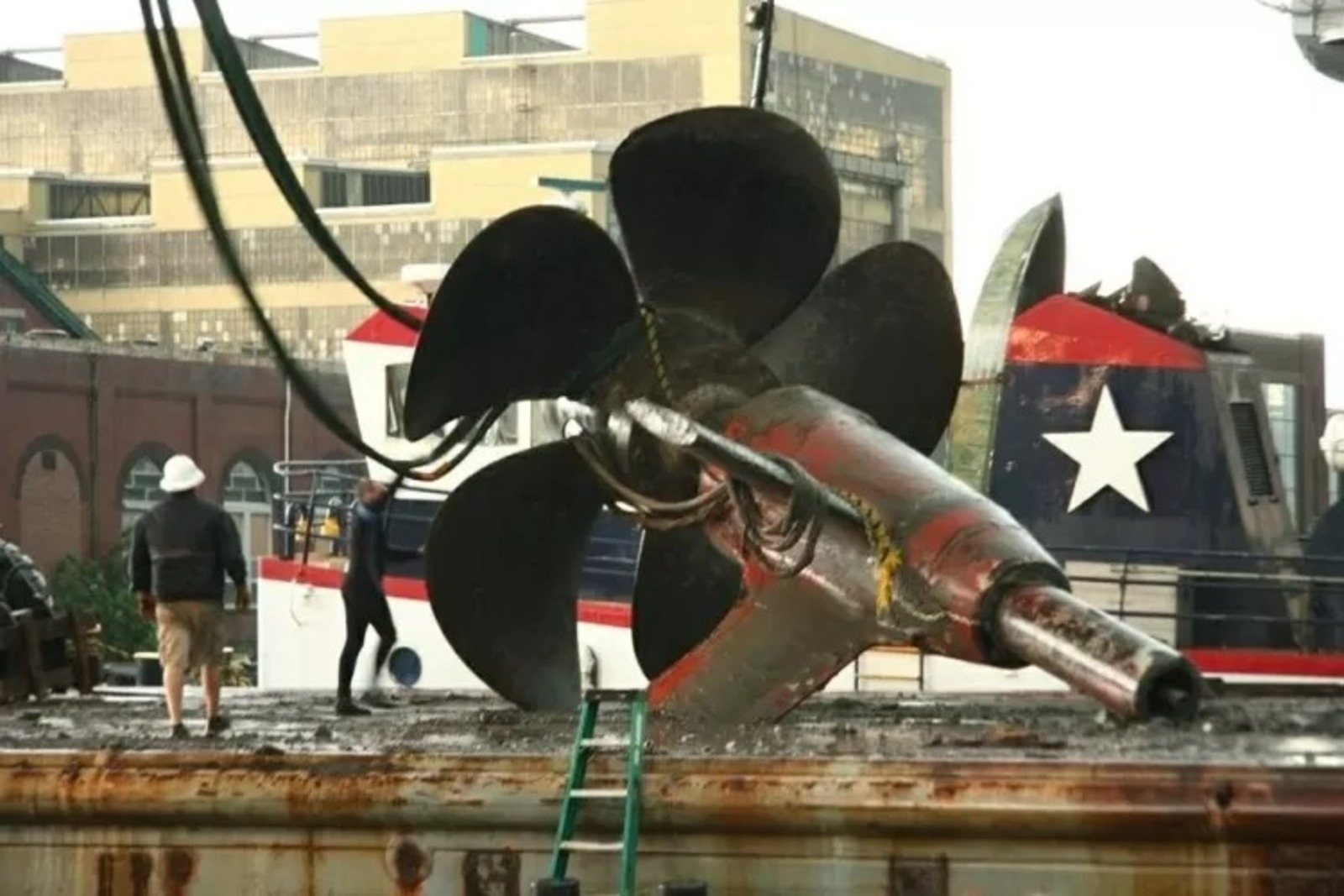


Specialist Sinks Ships for Two Decades and Prepares Historic Transatlantic Liner of Nearly 300 Meters to Become an Artificial Reef, Combining Naval Engineering, Strict Environmental Control, and a Bet on Regional Underwater Tourism
The American Tim Mullane, 55, has been sinking ships in a controlled manner for over 20 years and is preparing the historic SS United States to become an artificial reef in the Gulf of Mexico, off Destin, with significant environmental and touristic impact.
Sinking ships for environmental and touristic purposes has become a technical, regulated, and economically relevant activity, conducted by a few specialists in the United States, according to Mullane himself.
A former military member of the U.S. Navy, he is part of a group of only twelve professionals trained to carry out this type of operation, combining naval engineering, safety, and environmental preservation.
-
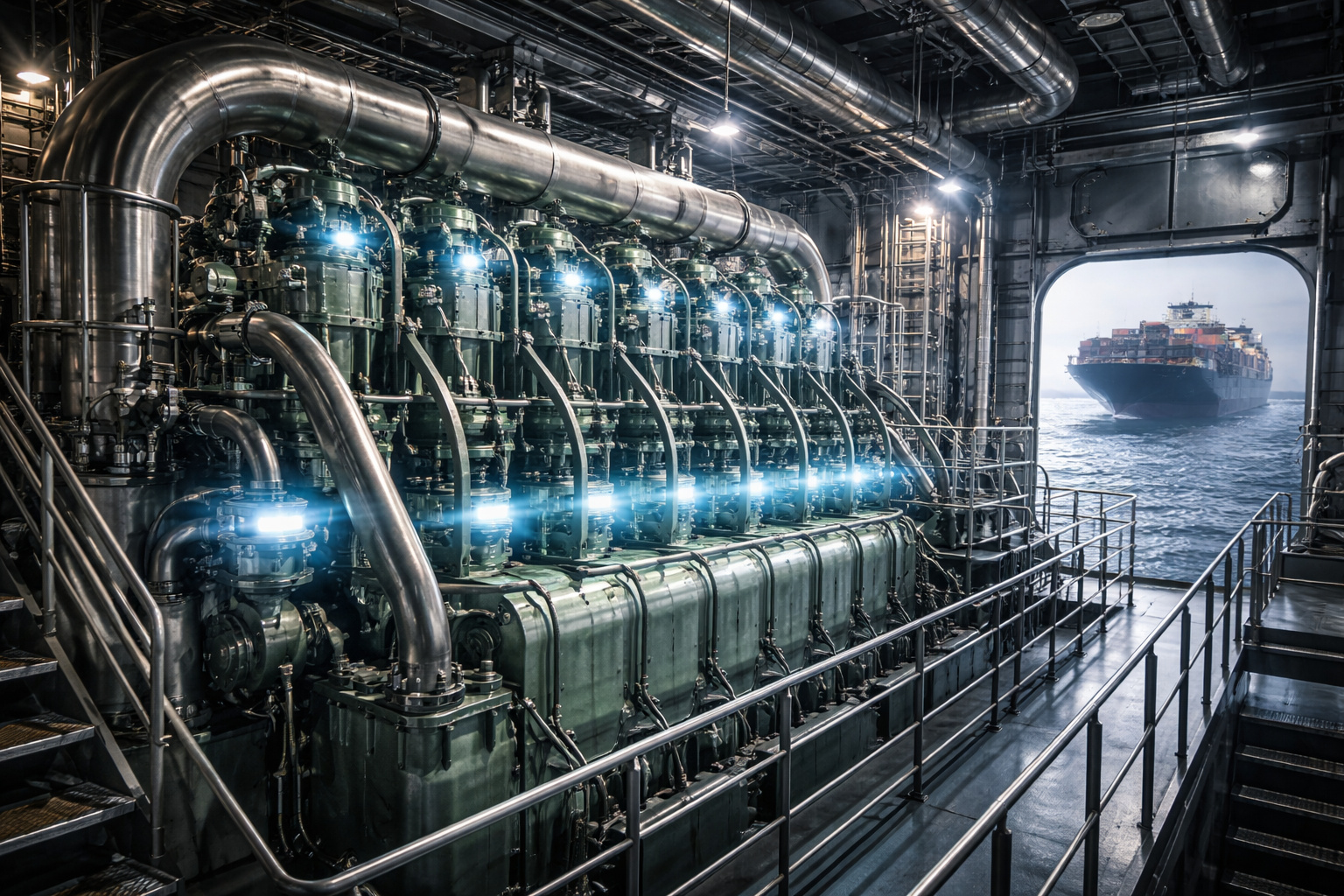
Europe is trying to create an ammonia-powered marine engine without auxiliary fuel, which could unlock the race for giant emission-free ships. The technology aims to eliminate one of the biggest obstacles to clean maritime propulsion.
-
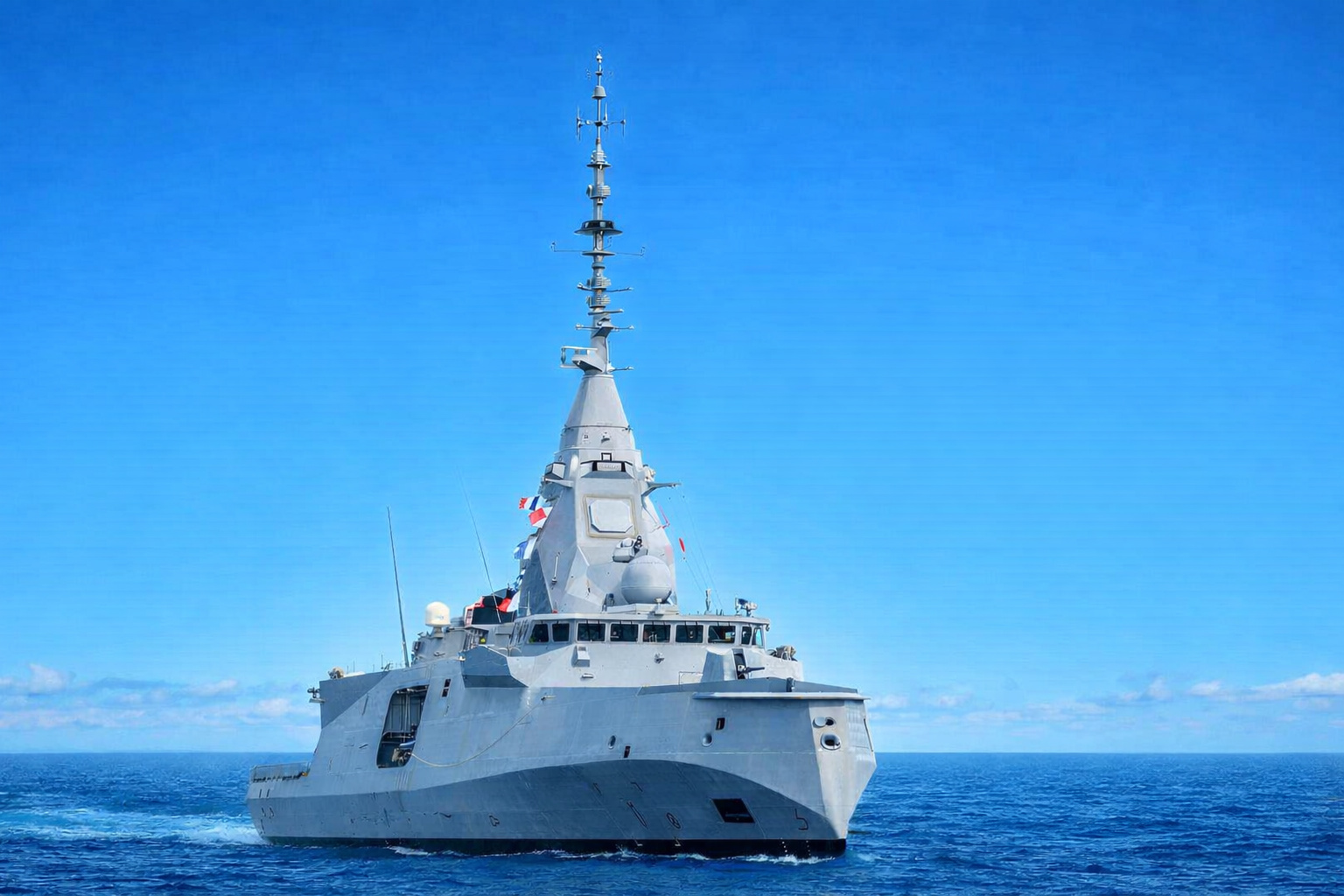
A 4,500-ton frigate with just over 100 crew members, state-of-the-art radar, and cruise missiles is being touted as the new standard of naval warfare in the 21st century.
-
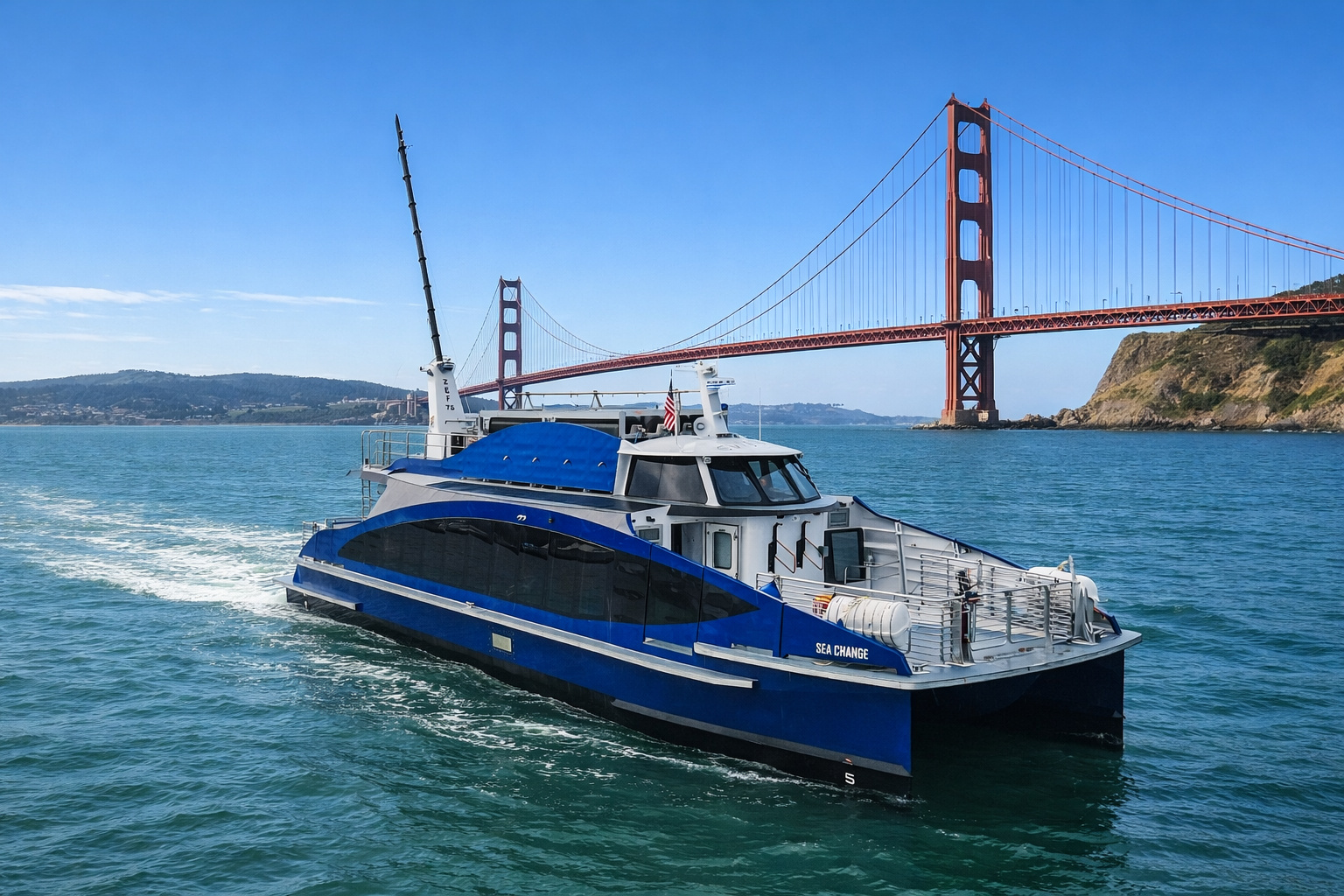
The first commercial hydrogen-powered ferry enters operation in the U.S., eliminates the use of diesel, uses fuel cells to generate clean energy on board, and transforms San Francisco Bay into a landmark of the new era of emission-free navigation.
-
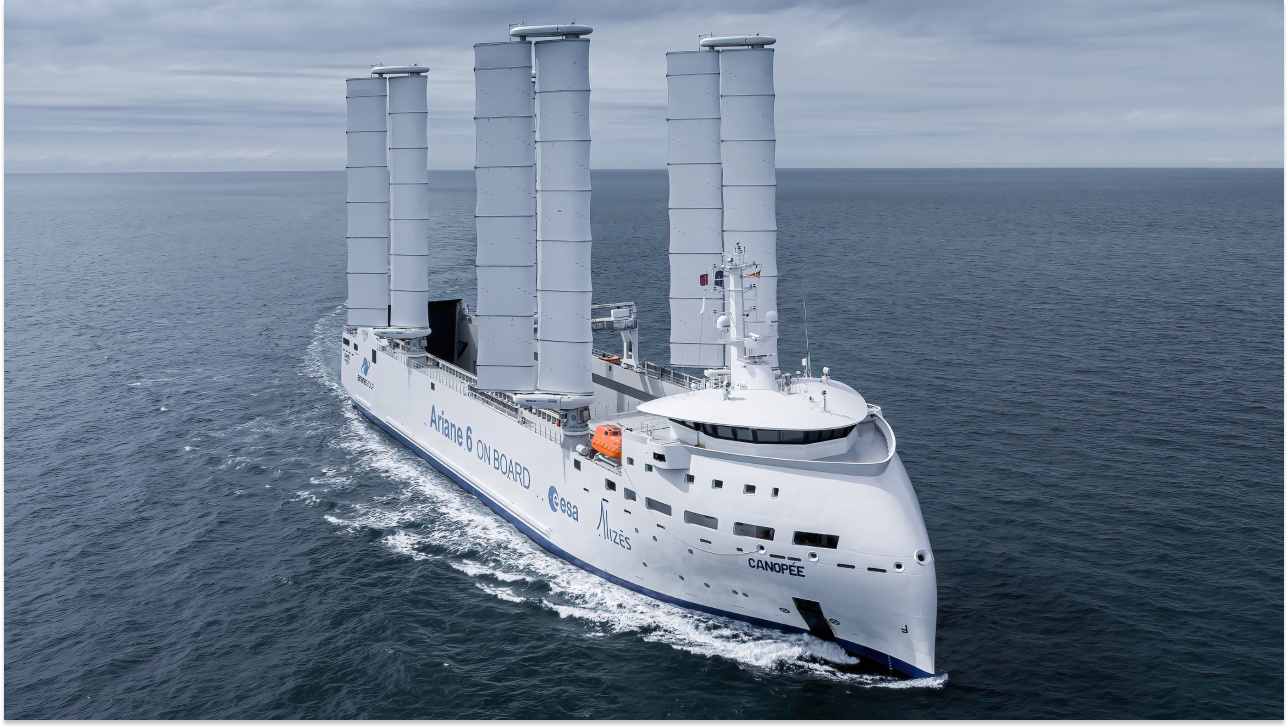
With a length of 121 meters and four rigid sails of 36 meters that automatically rotate to capture the wind, Canopée is the world’s first hybrid industrial cargo ship powered by wind, used to transport rockets and reduce fuel consumption by up to 30% on transoceanic routes.

His company brings together a team of more than 30 people, all directly involved in preparing the SS United States for its final controlled journey to the ocean floor.
The Biggest Project of His Career
The current work represents the biggest challenge Mullane has ever faced, both due to the size of the ship and the historical symbolism associated with the liner launched in 1952.
With nearly 300 meters in length, the SS United States will be transformed into the largest artificial reef in the world, promoting marine life and attracting divers.
The chosen location is off the city of Destin, in Okaloosa County, Florida, a region betting on the project as a vector for underwater tourism.
For over a year, the team has been working on the internal dissection of the ship, removing equipment, fluids, and potentially contaminating materials from the marine environment.
The process includes a complete wash, sanding of the hull, and removal of all toxic paint, ensuring that no harmful residue is released during the sinking.
Mullane oversees each step with meticulous attention, describing the task as slow, laborious, and essential for the environmental success of the operation.

“Ship Undertakers”
With humor, Mullane defines his team as “ship undertakers and grave diggers of the sea,” a phrase that summarizes the symbolic nature of the work being done.
He acknowledges that sinking the ship evokes conflicting feelings in former crew members and passengers who once sailed on the SS United States.
Still, he argues that becoming a reef teeming with marine life is a more dignified end than simple dismantling of the ship.
The Challenge of “Sinking Right”
In industry jargon, success means making the ship disappear from the surface without leaving traces in the water, a direct result of the exhaustive prior cleaning.
More complex, however, is ensuring that the sinking occurs in the correct position, as if the ship were still sailing normally.
This condition is crucial for the experience of divers, who will be able to explore the structure while preserving its original grandeur on the ocean floor.
Mullane estimates that the SS United States will take several hours to completely flood and about 45 minutes to sink to the bottom.
The depth of the chosen point for sinking is 54 meters, requiring precision in valve control and timing of abandonment.
As usual, Mullane will remain aboard until the last moment, being the last to leave the vessel before its definitive disappearance.

A Personal Historic Moment
For the specialist, the sinking planned for 40 days from now, in early March, will have profound professional and emotional significance.
He claims to feel proud to be part of a project that preserves the memory of the ship while creating a new marine ecosystem.
According to Mullane, the SS United States was not just a passenger ship but the most luxurious in American naval history.
The “Big Ship” of the 20th Century
Nicknamed The Big Ship, the SS United States had the capacity to carry nearly 2,000 passengers on regular transatlantic crossings.
Launched in 1952, it operated until 1969, linking Europe and the United States during a period marked by prestige, speed, and sophistication.
The growth of air travel drastically reduced interest in long sea voyages, leading to the ship’s retirement.
Illustrious Passengers
Throughout its career, the liner hosted personalities such as Bill Clinton, Marilyn Monroe, Salvador Dali, Judy Garland, Cary Grant, and Walt Disney.
These journeys reinforced the ship’s status as a symbol of luxury and modernity during the golden age of ocean liners.
Even after its decommissioning, the SS United States maintained historical and technical relevance in the shipping industry.
A Record That Spanned Decades
Even 57 years after being taken out of operation, the ship still holds the speed record for crossing the Atlantic Ocean.
On its maiden voyage in 1952, it crossed the North Atlantic at an average speed of 66 km/h, an impressive mark to this day.
This feat earned the SS United States the right to display the Blue Riband, the coveted Blue Ribbon of navigation.
The Eternal Honor
Created in the early 20th century, the Blue Riband awarded the passenger ship with the highest average speed in the transatlantic crossing.
As the regular passenger route between Europe and the United States ceased to exist, the record remained untouched to this day.
On the day of the sinking, the SS United States will descend to the ocean floor still symbolically bearing its blue flag, ending its story with dignity and lasting significance.
With information from UOL.








Poderia ser o destino do nosso porta avioes minas gerais afundado em aguas profundas simplesmente p esquecer …