





 Portuguese
  English
  Spanish
  6 min of reading
  0 comments



Gaúcho Municipality Leads IBGE Indicator Comparing Seniors and Children, Shows Highest Median Age in the Country and Draws Attention to Silent Changes in the Brazilian Population Profile. Census Numbers Detail Local Age Structure and Help Explain Why Small Towns Rank at the Top.
A small town in the interior of Rio Grande do Sul ranks at the top of a demographic snippet that draws attention for its generational differences: Coqueiro Baixo registers the highest aging index among Brazilian cities evaluated by the Brazilian Institute of Geography and Statistics (IBGE).
The mark is 277.14 people aged 65 or older for every group of 100 children aged 0 to 14 years, in addition to having the highest median age in the country, at 53 years.
Coqueiro Baixo at the Top of the Aging Index
This data is part of the release of demographic census results that detail the population’s composition by sex and age group, with information used for comparisons between municipalities and to guide public policies.
-
How an innovative city combines high technology, well-being, and sustainability to become the largest reference in clean energy on the planet.
-
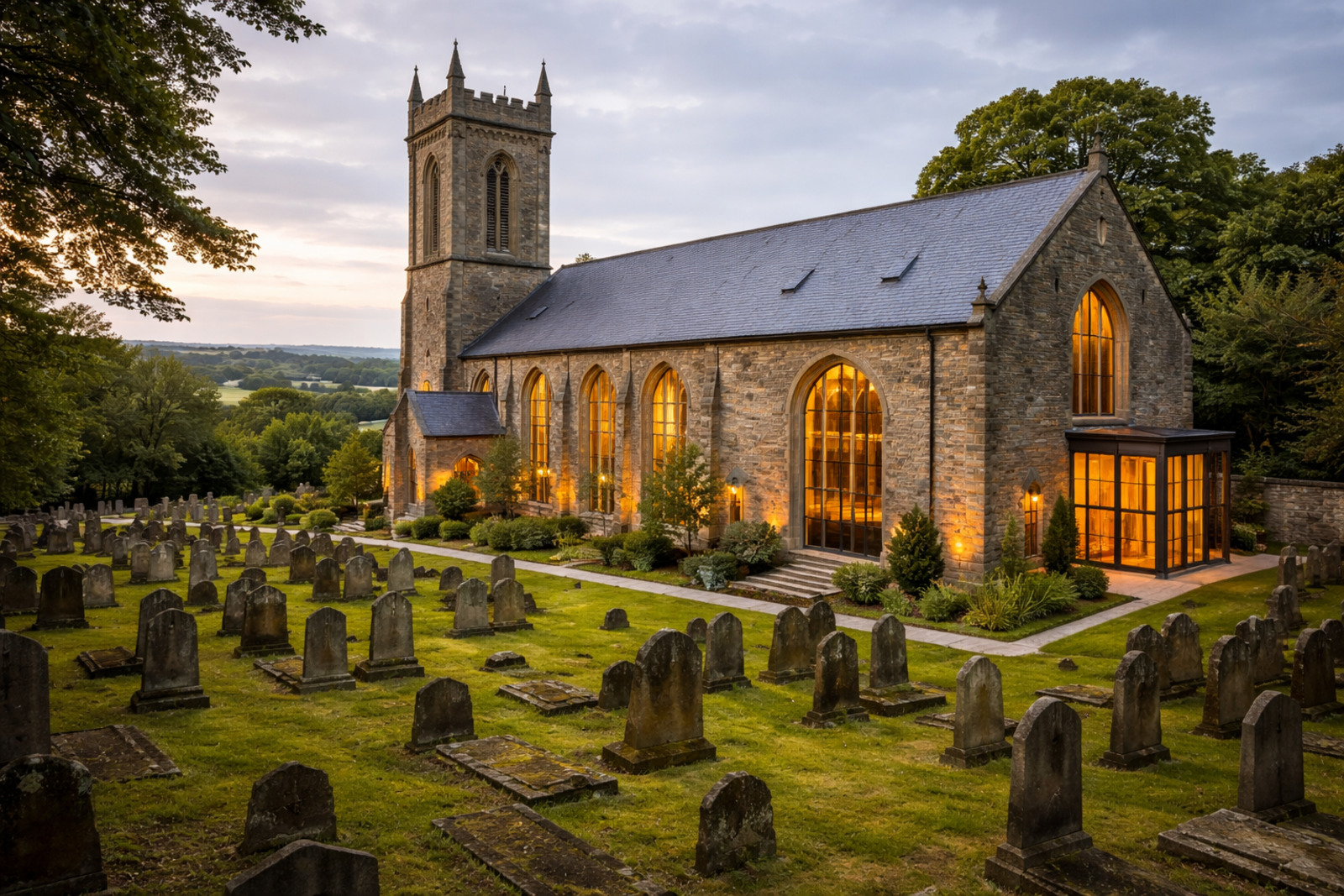
Couple buys 1846 church in ruins for R$ 660,000, invests R$ 3.2 million in renovations, transforms it into a millionaire mansion, and even preserved a historic cemetery with over 300 graves.
-
He started running at 66 years old, broke records at 82, and is now a subject of study for having a metabolic age comparable to that of a 20-year-old, in a case that is intriguing scientists and inspiring the world.

-
Oldest tree on the planet reappears after 130 years of searches: Wattieza, 385 million years old, was 10 meters tall and had no leaves or seeds; Gilboa fossils in New York solved the mystery in 2007.


In this set of indicators, Coqueiro Baixo appears as the city where the proportional presence of seniors is highest when confronted with the number of children, a snapshot that helps identify where population aging is most intense.
How IBGE Calculates the Aging Index
The aging index, as defined by the IBGE itself, is a ratio: it represents how many people aged 65 or older exist in relation to a group of 100 children aged 0 to 14 years.
The higher the number, the older the age structure of the locality in that criterion.
The reading does not depend on income, size of the territory, or revenue volume because what counts is the distribution of ages within the population.


What Median Age Means in Practice
The median age, in turn, is another indicator that helps translate the profile of a city.
It is the age that divides the population into two halves: one part with younger people than this value and another with older people.
When the median age rises, it indicates that the population, as a whole, is concentrated in higher age groups.
In the municipal snapshot presented by IBGE, Coqueiro Baixo appears with a median age of 53 years, the highest in the country.
Municipal Ranking and Comparison with Other Cities
The scenario of the gaúcho municipality stands out even more when placed alongside other cities with high indexes.
Following Coqueiro Baixo, the same survey points to Santa Tereza (RS), with an aging index of 264.05, and Três Arroios (RS), with 245.98.
The group of the ten municipalities with the highest index predominantly includes cities from Rio Grande do Sul and includes Turmalina (SP) as the only municipality from São Paulo on this list.
The distance to the other extreme of the country is also significant.

In the same material, IBGE points to Uiramutã (RR) as the municipality with the lowest aging index and lowest median age: an index of 5.40 and median age of 15 years.
The comparison illustrates how Brazil encompasses very different realities when viewed through the lens of age demographics, and how the aging map is not evenly distributed across regions and municipalities.
Aging of the Population in Brazil
Municipal data appears within a broader framework in which aging is advancing in the country.
IBGE shows that the aging index of Brazil reached 55.2 in the 2022 Census, an indicator that reveals a structural change compared to previous decades.
When detailing the evolution of the index, the institute presents the growth of this marker over time, reinforcing the ongoing demographic transition and the reduction of the relative weight of younger age groups.
Why Small Cities Appear with Higher Numbers
The population size segmentation also highlights an important trend: less populous municipalities tend to have higher aging indices on average.
In the classification presented by IBGE, cities with up to 5,000 inhabitants have an average aging index of 76.2.
Meanwhile, municipalities with more than 500,000 inhabitants show an average index of 63.9.
The reading suggests that, in many cases, small towns have higher proportions of seniors compared to large centers, although the indicator varies significantly from city to city.
What Census Data by Age and Sex Are Used For

In IBGE’s material, the centrality of age and sex information is presented as part of the core of the census questionnaire and as a basis for public decisions.
The age distribution is used to track population growth, variations over time, and geographical differences, in addition to serving as a denominator for rates and indices that guide governmental actions.
In practice, this type of data enters the planning of policies and programs in areas such as health, welfare, and social security, precisely because it allows estimating the size and profile of populations that demand services and social protection.
A Statistical Portrait That Draws Attention
The municipal aging index ranking is not a “competition” for quality of life, but a statistical portrait of age composition.
Still, the highlight of Coqueiro Baixo tends to draw attention for gathering two strong signals of aging in the same snapshot: the highest ratio of seniors to children and the highest median age in the country.
For readers, numbers tend to gain strength when translated into imagery: in Coqueiro Baixo, the indicator suggests that there are almost three people aged 65 or older for every 100 children, a relationship far above the national average.
Extremes of the Country and the Difference Between Generations

The demographic snapshot also helps to understand why some municipalities appear with very different values from each other.
The aging index, by definition, depends simultaneously on the size of the elderly contingent and the size of the children contingent.
Changes in birth rates, migration, and permanence of residents in certain age groups alter the proportions over time, and the final result is expressed in the ratio calculated by IBGE.
By presenting municipalities at such distant extremes as Coqueiro Baixo and Uiramutã, the institute highlights how the country houses both cities with a predominance of seniors and places where the presence of children is proportionally much greater.
Coqueiro Baixo as a Reference in Demographic Debate
The census numbers by age and sex also engage in an ongoing discussion in Brazil: how the population structure changes and what that means for territorial organization.
By detailing specific municipalities, IBGE allows for the observation that aging is not just an abstract national phenomenon, but a trait that can concentrate intensely in small towns.
In the case of Coqueiro Baixo, its position at the top of the index transforms an interior municipality into a statistical reference when it comes to aging.
When an indicator places a small town at the top of a national ranking, curiosity often goes beyond the number: what characteristics of the place help explain such a different age structure from the Brazilian average and how does this composition reflect on the daily life of the municipality?






Seja o primeiro a reagir!