





 Portuguese
  English
  Spanish
  4 min of reading
  2 comments


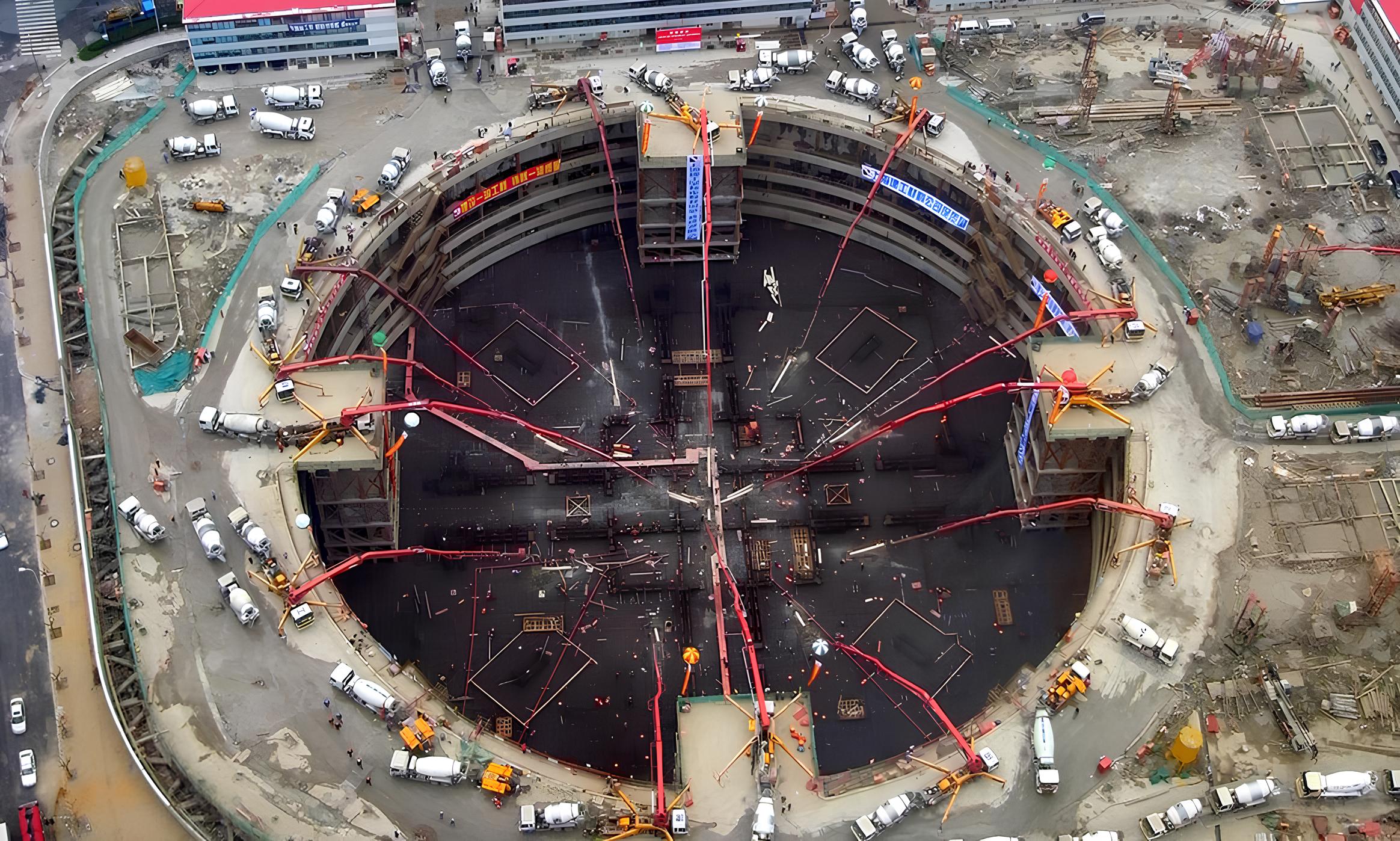


The Shanghai Tower, at 632 m and 128 floors, used foundations of 947 piles, 60,000 m³ of concrete, and a spiraled facade to withstand soft soils, typhoons, and unprecedented structural challenges.
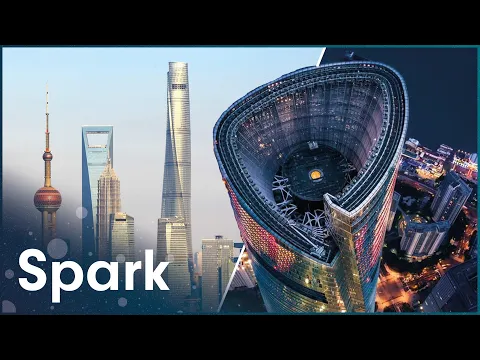
The Shanghai Tower, completed in 2015 in Shanghai, China, is not only the tallest building in China and the second tallest in the world, but also a symbol of modern engineering that faced extreme technical challenges in unstable soil, adverse weather, and massive wind and earthquake loads. Designed by the architects at Gensler and structural engineers from Thornton Tomasetti, the project began in 2008 after geotechnical studies showed that the surface layer of the ground consisted of clay and sand up to 120 m deep, complicating traditional rock anchoring.
The Challenge of Shanghai Tower’s Foundation: Soft Soil Beyond the Norm
Before any column could rise to the sky, engineers had to tackle one of the most complex problems in civil engineering: founding a super skyscraper on an ancient river delta, with alternating layers of clay and sand and the water table just a few centimeters below the surface.

The solution was a deep pile foundation support system combined with a massive base slab. In total, 947 concrete piles on-site, about 1 m in diameter and between 52 and 56 m long, were driven to reach soil layers with adequate load-bearing capacity.
-
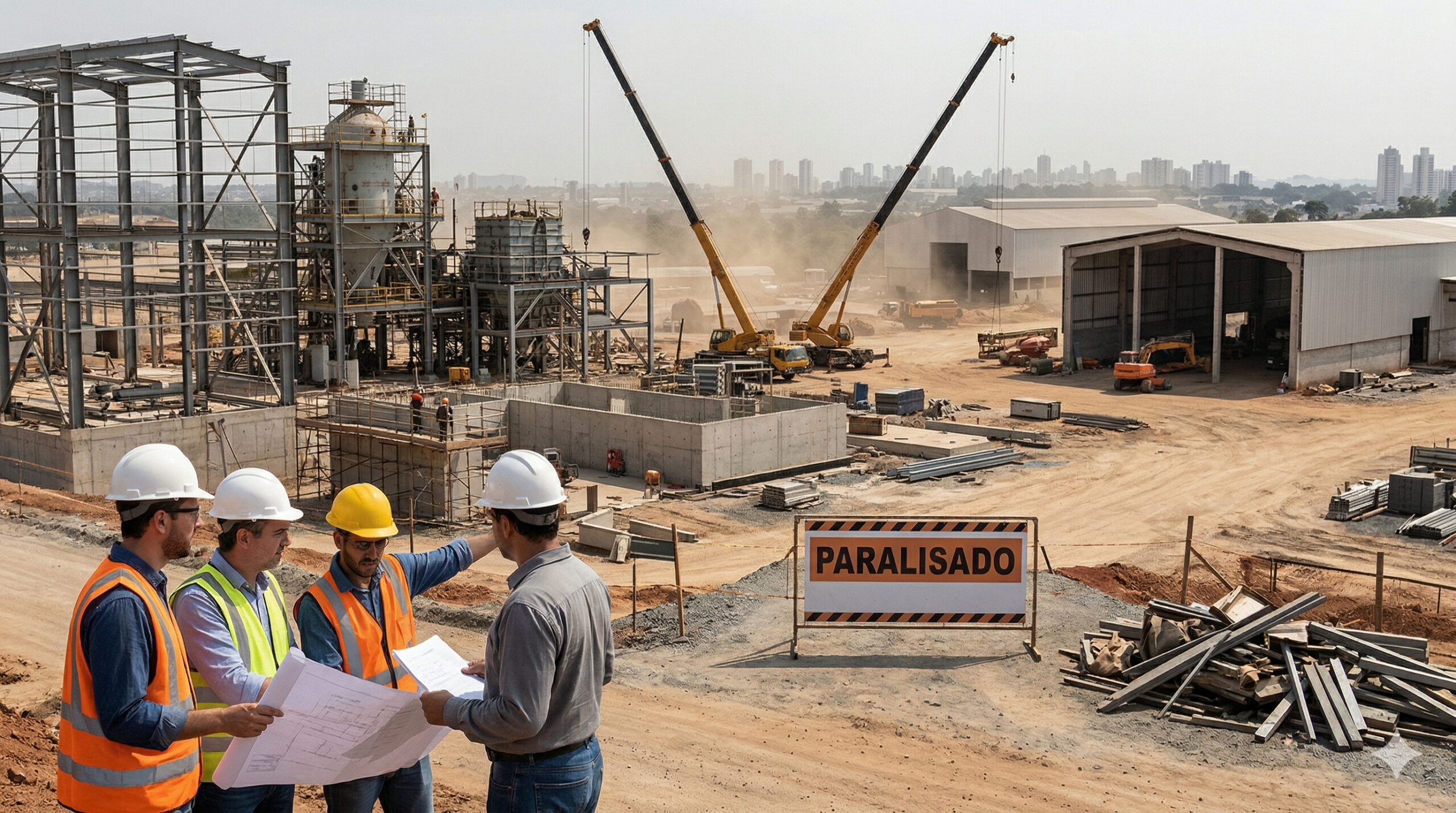
The lack of welders, electricians, and operators becomes a structural threat in 2025, with the construction industry and manufacturing already suffering from delays, cost pressures, and labor shortages in Brazil.
-
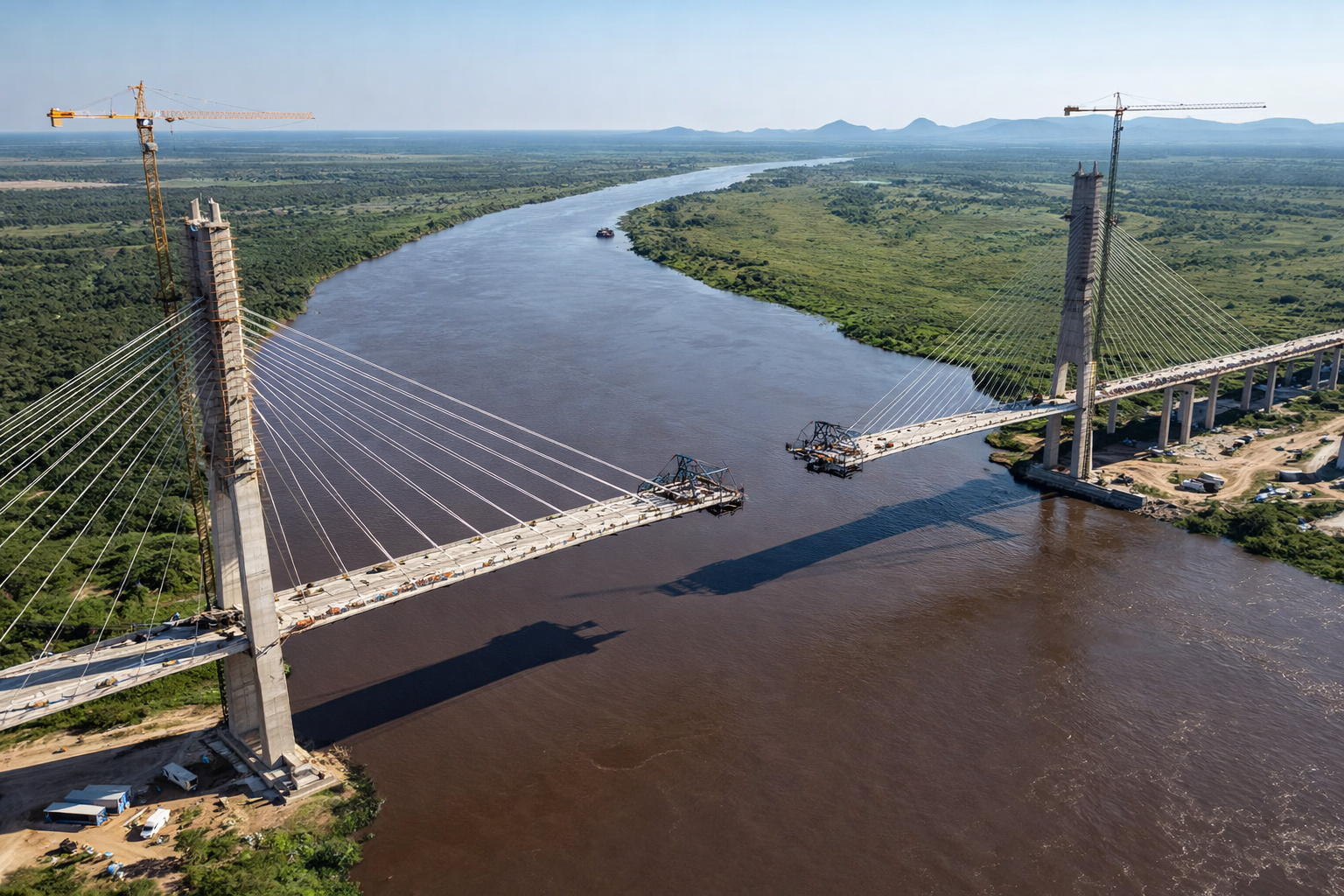
Brazil and Paraguay are just 46 meters away from a historic union on the bioceanic bridge that promises to revolutionize trade between the Atlantic and the Pacific.
-
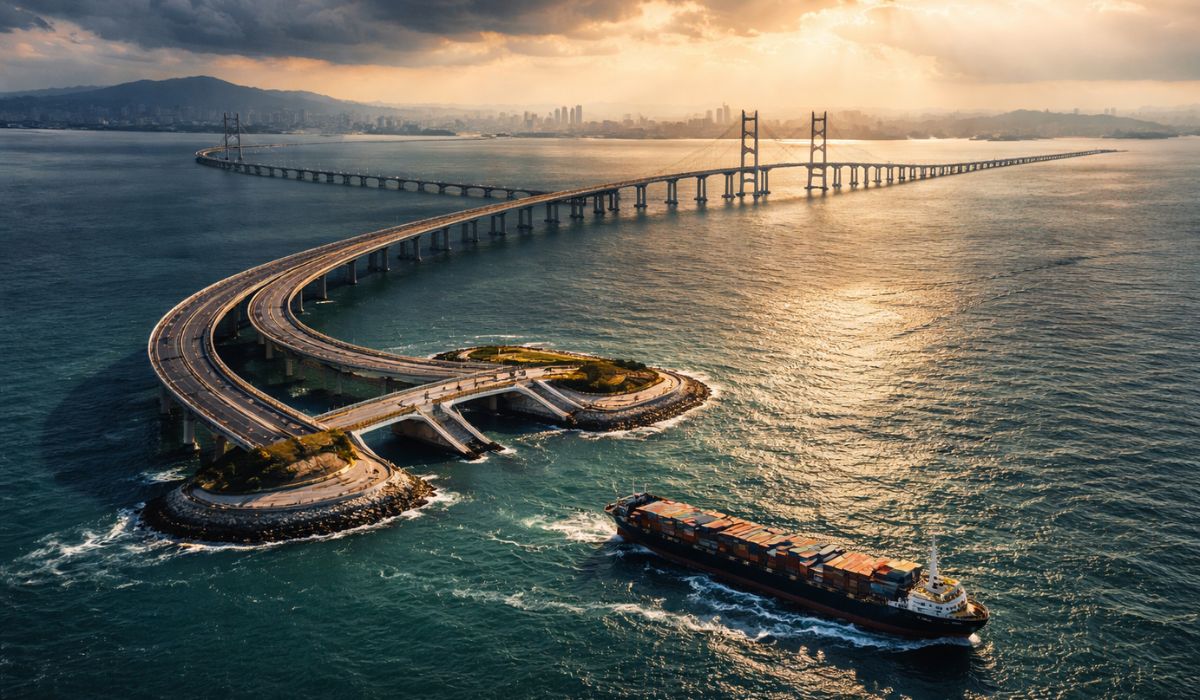
With 55 km over the sea, a cost of US$ 20 billion, and enough steel to build 60 Eiffel Towers, China’s largest project has connected Hong Kong, Zhuhai, and Macau in a colossal bridge that defies the logic of engineering.
-
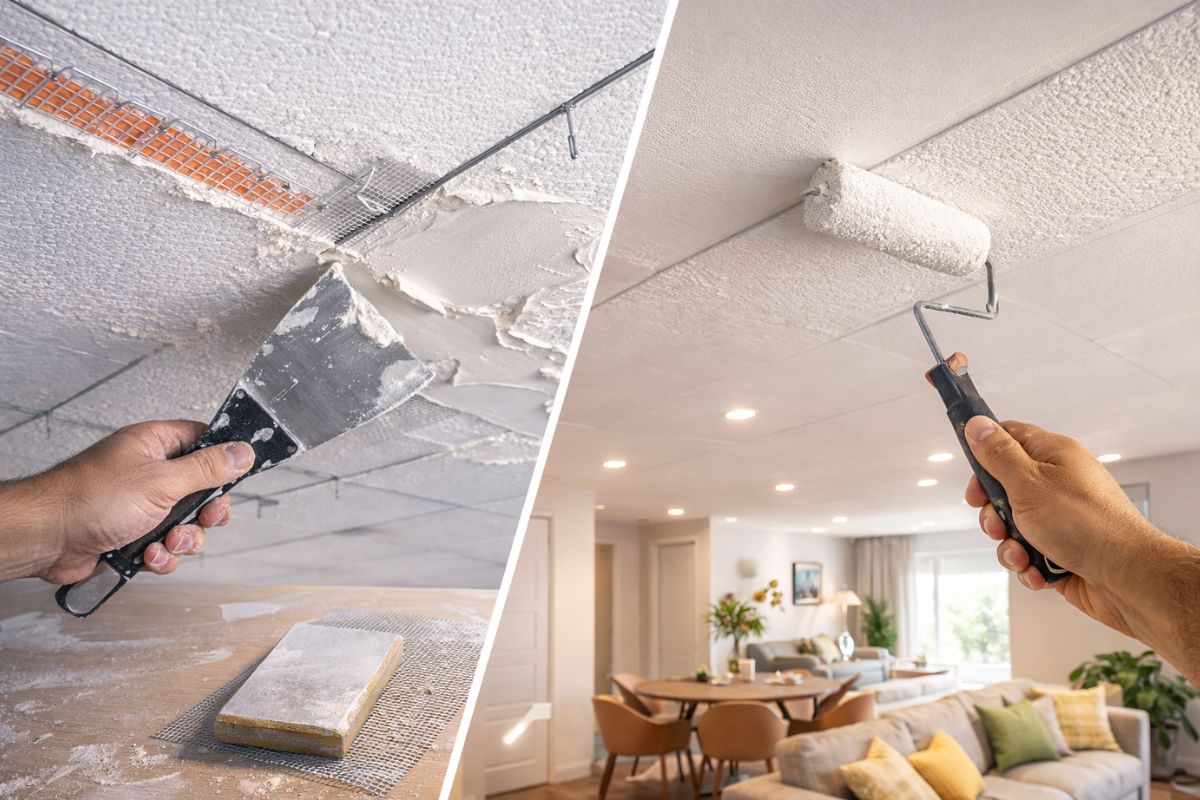
A trick with joint compound transforms a Styrofoam ceiling into a plaster-like ceiling: leveled panels, wires and mesh at the joints, sand, paint, and change the environment while spending little today.

These piles were reinforced with grouting injections at the ends to increase settlement resistance. On top of them, a foundation slab — the so-called raft foundation — about 6 m thick connected all the piles into a rigid base that distributes the massive loads of the skyscraper.
This foundation alone consumes tens of thousands of cubic meters of concrete and weeks of coordinated work. The main slab had a continuous pour of about 60,000 m³, an operation that required precise logistical planning and low-shrinkage, low-heat-generating concrete technologies to avoid cracking.
How to Balance Over 1,500,000 Tons of Structure in Winds and Soft Land
With a final height of 632 m, 128 floors above ground and 5 below, the Shanghai Tower faces extreme wind pressures, especially typhoons that hit the eastern coast of China — as well as moderate seismic forces typical of the area.
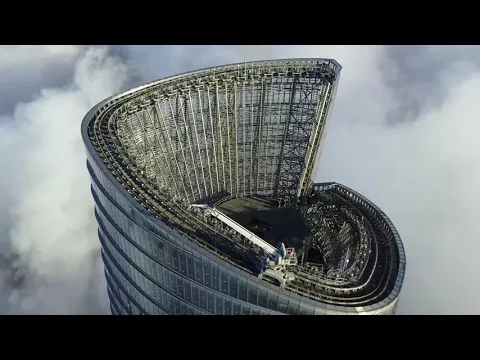
To reduce wind load, the designers gave the building a twisted shape of 120° from base to top, which reduces wind impact by about 24% compared to a conventional tower.
Additionally, the structural system combines a reinforced concrete core with a series of peripheral mega-columns, belt trusses, and hybrid steel and concrete elements that work together to resist lateral and vertical forces.
Construction Technologies and Vertical Logistics
Erecting a skyscraper of this magnitude demanded practical innovations beyond structural calculations. For instance, construction employed jumping cranes, cranes that “rise” with the building as it grows, because conventional cranes would not reach the upper levels.
During peak construction, over 4,000 workers were on-site simultaneously, with dozens of elevating platforms and pumping systems to distribute high-strength concrete vertically to heights exceeding 600 m.
Continuous Pouring and Material Challenges
Pouring a structure of this size, in a humid climate with large temperature variations, required high-performance concrete.
The concrete used in the core and foundation reached grades close to C50/C60, with care taken to control hydration rate and minimize shrinkage.

This combination of high-strength concrete and structured steel allowed the tower to reach its height without compromising safety and with material efficiency: the spiraled facade design also allowed for reducing about 25% of structural steel compared to a similar conventional design.
Comfort, Energy, and Sustainability Systems
Besides stability and robustness, the Shanghai Tower incorporates innovative elements for comfort and sustainability.
The building features 270 small wind turbines integrated into the facade, intended to generate up to 10% of the energy consumed, as well as rainwater harvesting systems and internal green zones that function as “vertical cities.”
The elevators — 106 units, including high-speed elevators that can reach up to 20.5 m/s — represent another logistical innovation, allowing thousands of people to move quickly in a tower of nearly unparalleled proportions.
Urban Integration and Impact on the Skyline
Built in the financial district of Lujiazui, on the banks of the Huangpu River, the Shanghai Tower is not only a demonstration of technical capability but also a symbol of China’s economic and urban growth in the 21st century.
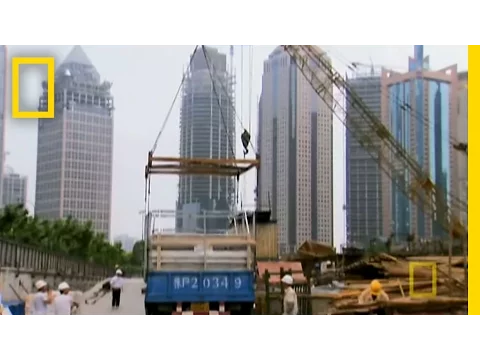
The building serves as a mixed-use hub: offices, hotels, public spaces, and observation decks interconnect vertically, creating a functional micro-environment and a massive icon for Shanghai.
Thanks to these innovative solutions — from deep pile foundations to the spiraled geometry of the facade, the tower overcame challenges that would have blocked constructions on such unstable soils or severe weather, becoming a classic case study in superstructure, geotechnics, and heavy construction logistics.
Why This Project Matters Beyond Architecture
The Shanghai Tower represents a turning point in understanding how to tackle complicated soils, strong winds, seismic loads, and the need for sustainability in gigantic structures.
It is an example of engineering where structural, geological, and architectural decisions go hand in hand, proving that scale challenges can be turned into long-term solutions.
And with tens of thousands of tons of material, hundreds of meters in height, and unique engineering solutions, the tower continues to inspire even larger projects around the world.









Revisen por favor el enunciado.
“60 m3 de hormigón”,en una cimentación de 625 MTS,me parecen muy pocos para semejante estructura,piensen ustedes que para comentar un solo molino eólico,suele llevar entre 200-300 m3 para una altura aproximada de 120 m.
GRACIAS
Entiendo es una errata, puesto que luego habla de 60000m3.