





 Portuguese
  English
  Spanish
  4 min of reading
  0 comments



Toyota GR Yaris, Yaris Cross Hybrid, Ram Dakota, Tiggo 9, and Atto 8 Lead the List of Major Launches Coming to Brazil in 2026.
The year 2026 is already shaping up to be one of the most important in the recent history of the Brazilian automotive market. Unlike other cycles marked only by isolated redesigns, the next wave of launches involves unprecedented models, new categories, electrification adapted to Brazil, and even niche sports cars, something rare in the national scenario.
Among hybrid flex SUVs, mid-size pickups, large electric vehicles, and long-awaited sports cars, manufacturers are preparing a clear offensive to compete for space in strategic segments and respond to the changing profile of the Brazilian consumer.
Toyota GR Yaris Marks the Return of a Pure Sports Car to Brazil
The Toyota GR Yaris is, without exaggeration, one of the most symbolic launches of 2026. Developed by the Gazoo Racing division, the sports hatch arrives in Brazil bringing a rare technical package to the national market, focusing on performance and drivability, not just appearance.
-
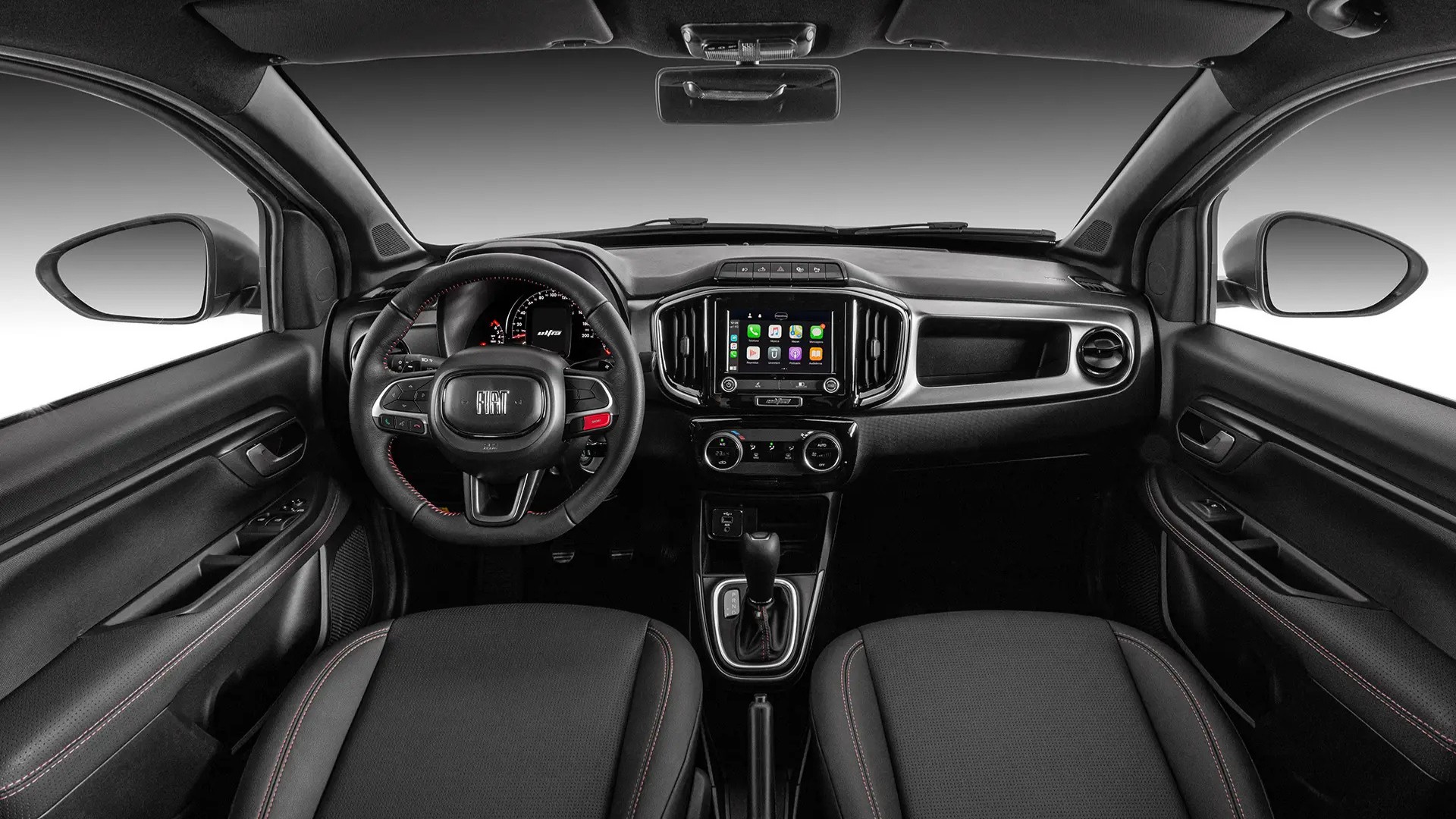
With a 1.3 engine, nearly 700 km of range, and Turbo 200, the Fiat model surpasses Polo, Tera HB20, and Onix, becoming the best-selling car in March; see the numbers for the Fiat Strada and others.
-
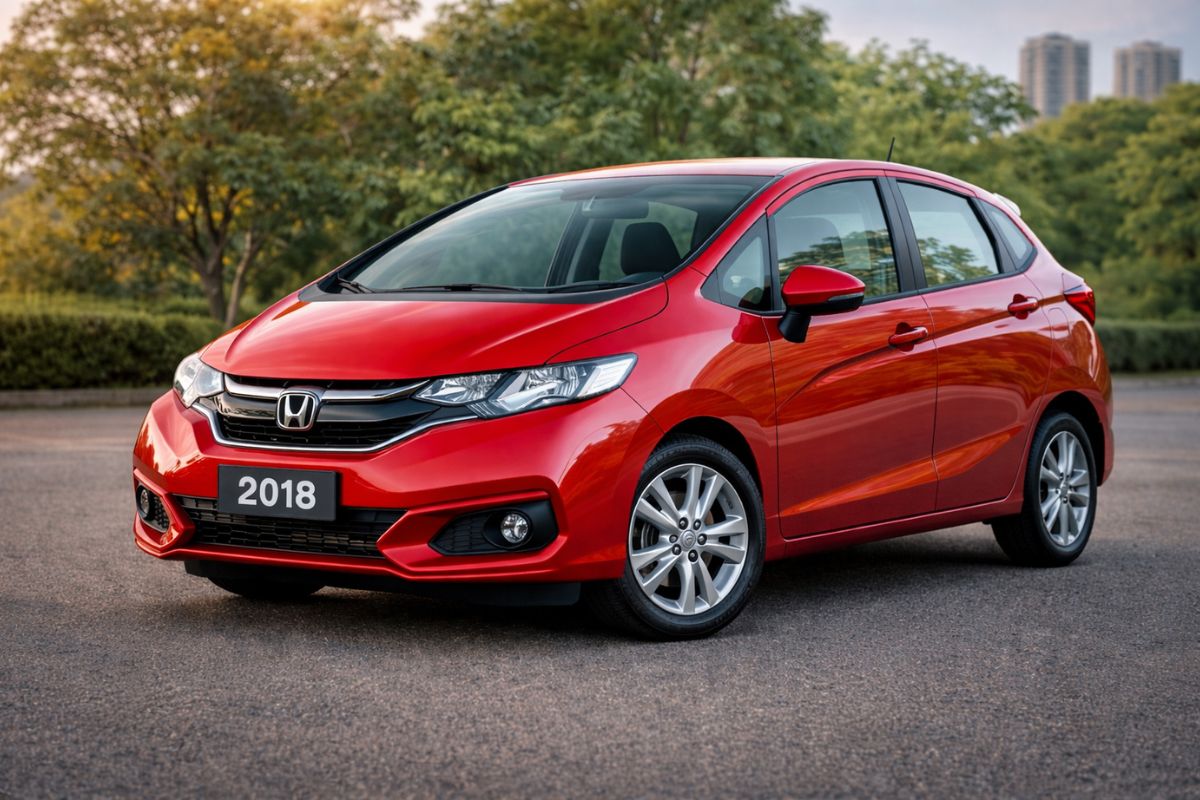
The Honda Fit has been discontinued for years, but the 2018 model is worth more today in the Fipe table than it cost brand new, proving that this used car, valued with a 1.5 i-VTEC engine and Magic Seat, only increases in price.
-
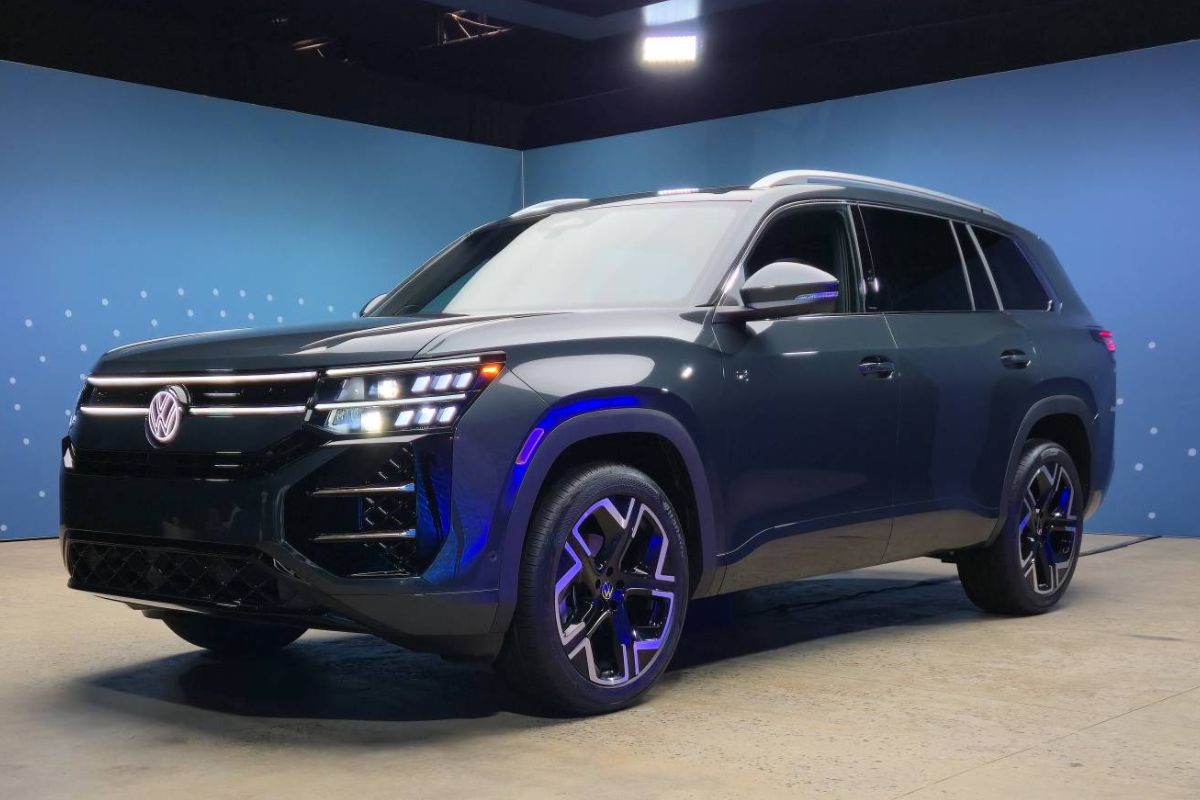
Volkswagen unveiled the 2027 Atlas with a 282-horsepower EA888 turbo engine, a 15-inch screen, massage seats, and a completely new interior to finally elevate the three-row SUV built on the MQB platform to a new level.
-
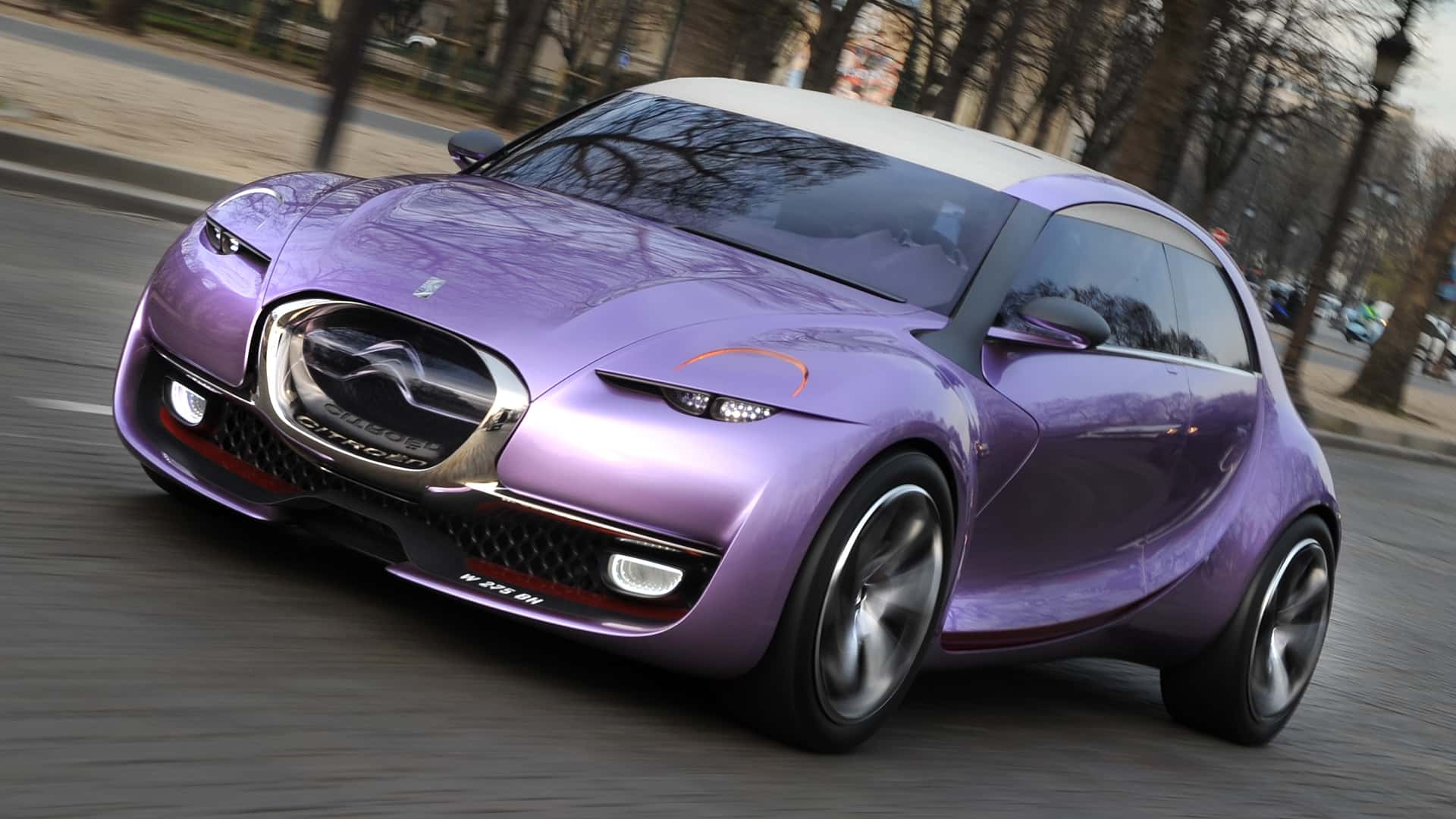
After decades out of the spotlight, Citroën is preparing to bring back the legendary 2CV as a low-cost electric vehicle, betting on the revival of one of the most popular cars in history and aiming to enter the race for affordable compact cars.


The presence of the GR Yaris signals that Toyota sees space for enthusiasts, even in a market increasingly dominated by SUVs and electrification. It is an image model, but with a direct impact on the perception of the brand.
Yaris Cross Hybrid Flex Inaugurates a New Phase for Toyota in Brazil
While the GR Yaris speaks to a specific audience, the Toyota Yaris Cross Hybrid Flex is strategically aimed at a broader scale. The model arrives to fill a crucial space: that of a hybrid compact SUV adapted to ethanol, something practically nonexistent today in the country.
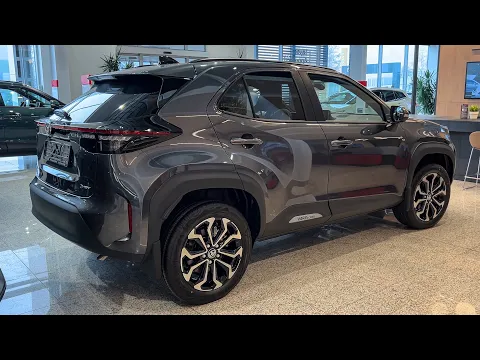
The proposal combines:
– reduced consumption
– lower emissions
– compatibility with Brazilian reality
It is one of the most important launches of 2026 for those looking at the market rationally.
Ram Dakota Returns Real Competition to the Mid-Size Pickup Segment
The arrival of the Ram Dakota represents the return of a well-known name, now repositioned to directly challenge the mid-size pickups that dominate Brazil.
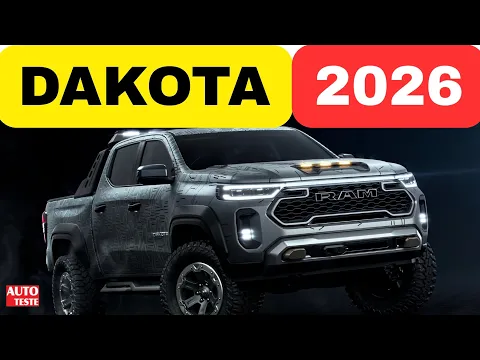
Produced in South America, the Dakota arrives with a focus on robustness, load capacity, and mixed-use, targeting both urban and professional consumers.
The presence of Ram in this segment is likely to <strong/intensify competition and pressure prices, equipment, and positioning of rivals.
Nissan X-Trail Expands the Brand’s Offensive in the Medium SUVs Segment
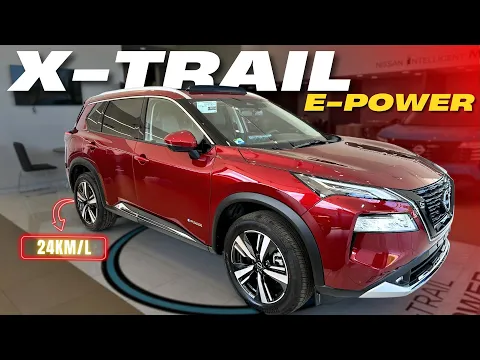
The Nissan X-Trail marks Nissan’s attempt to return strongly to the medium SUVs segment, one of the most contested and profitable in the country. With a more modern design, greater focus on comfort, and electrified versions, the model arrives to compete with already established names.
This investment reinforces Nissan’s strategy of not relying solely on compact SUVs, expanding its presence in higher categories.
Caoa Chery Tiggo 9 Elevates the Level of Chinese SUVs in Brazil
The Caoa Chery Tiggo 9 is one of the launches that best symbolizes the shift in status of Chinese brands in Brazil. It is a large SUV, focusing on interior space, embedded technology, and plug-in hybrid versions.

The model arrives to compete in the market not only on price but also on content, targeting consumers who previously only looked at traditional brands.
BYD Atto 8 Bets on Size, Electrification, and Technology
The BYD Atto 8 will be one of the largest electrified vehicles sold in Brazil. With a length of over five meters, the SUV targets large families and consumers seeking comfort, range, and technology, whether in electric or plug-in hybrid versions.

BYD uses the Atto 8 as a showcase to demonstrate how far its engineering has come, reinforcing the brand’s presence in the country beyond compact models.
New Chinese SUVs Further Expand the Offer in 2026
In addition to BYD and Caoa Chery, other Chinese brands are preparing their arrival or expansion in Brazil in 2026. Jetour, Leapmotor, MG, Changan, Avatr, and Denza are on the radar, bringing SUVs of different sizes, with strong technological appeal and electrification as standard.
This movement is likely to transform the market, increasing competition and forcing traditional manufacturers to react.
2026 as a Turning Point for the Brazilian Automotive Market
The collection of these launches makes it clear that 2026 will not just be another year of new products. It marks:
– consolidation of hybrid flex vehicles
– arrival of larger and more expensive electrics
– return of niche sports cars
– strengthening of Chinese brands
– renewal of the mid-size pickup segment
The Brazilian consumer will have more options, more technologies, and more real competition between brands, something that hasn’t happened with such intensity in years.
With Toyota GR Yaris, Yaris Cross Hybrid, Ram Dakota, Nissan X-Trail, Caoa Chery Tiggo 9, BYD Atto 8, and a new wave of Chinese SUVs, the Brazilian market enters 2026 experiencing one of its most dynamic phases. It’s not just about new models, but about structural changes in how cars are conceived, produced, and sold in the country.









Seja o primeiro a reagir!