





 Portuguese
  English
  Spanish
  6 min of reading
  109 comments





Toyota Disappoints With Yaris Cross, The Mini SUV That Promised To Revolutionize The Market: The Automaker’s Ace, So Desired By Brazilians, Arrives Surrounded By Expectations — But Also By Controversies
Promised as the new ace from Toyota in the global compact SUV market, the hybrid Yaris Cross arrives surrounded by expectations — but also by controversies. The proposal for fuel economy and ecological appeal draws attention, but technical evaluations and expert opinions reveal flaws that put the model’s competitiveness in question against established rivals such as Hyundai Creta and Volkswagen T-Cross.


New Compact Mini SUV From Toyota Has Important Technological Limitations
The Toyota Yaris Cross hybrid stands out visually, with modern lines and an urban, ecological proposal. However, a more detailed analysis shows that the compact SUV has important technological limitations. The 10.1-inch multimedia center, despite offering wireless connectivity with Android Auto and Apple CarPlay, has been criticized for its rudimentary interface.
According to the portal Quatro Rodas, experts pointed out that the system shows slowness in commands and poorly elaborated graphics. “In a segment where connectivity weighs in the buying decision, Toyota needs to deliver more than just the basics,” said an automotive technology analyst consulted by the magazine.
-
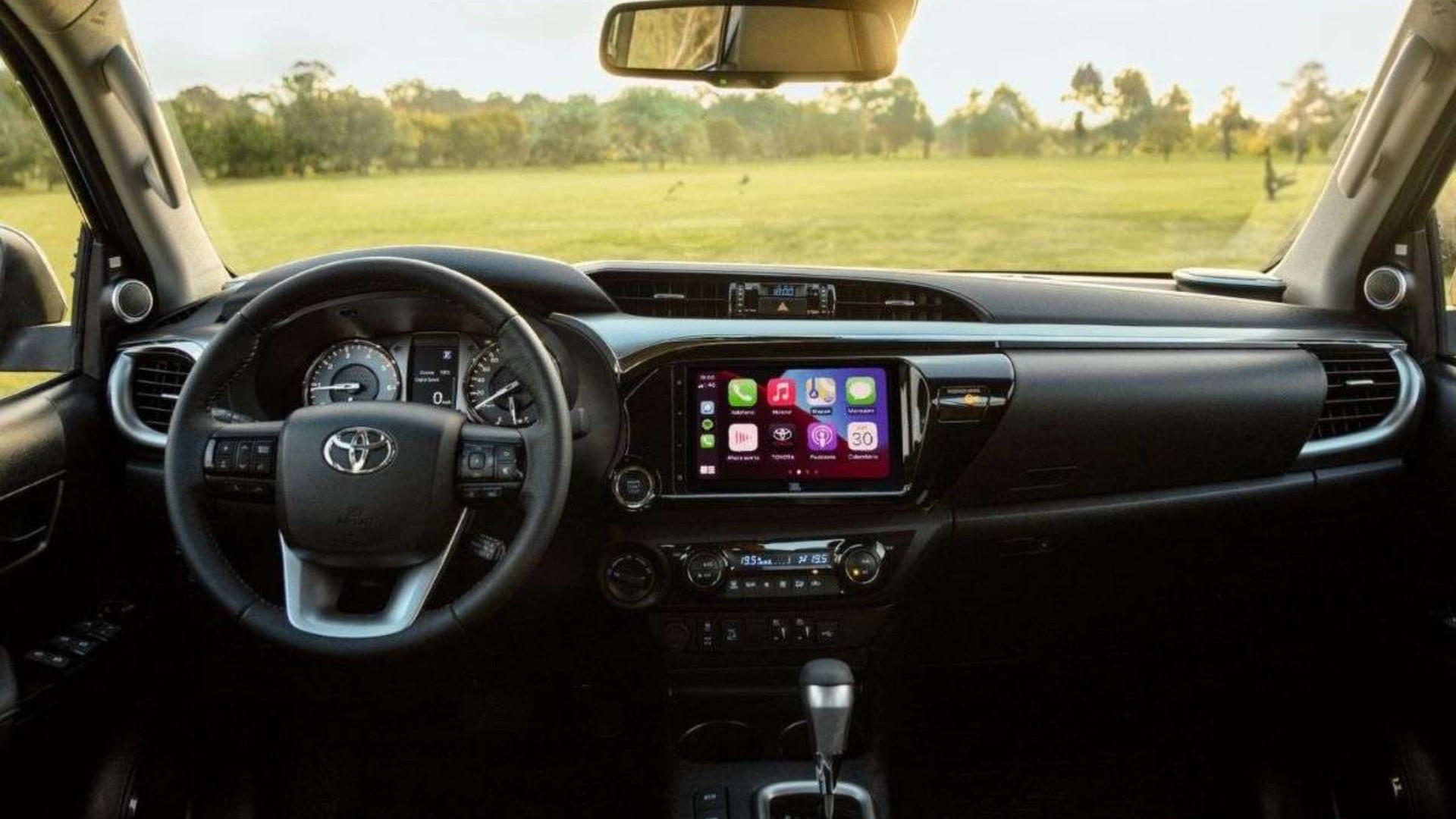
The Toyota Hilux is R$ 75.5 thousand cheaper and bets on the 2.8 turbodiesel engine with up to 204 hp and 50.9 kgfm to catch up with the VW Saveiro, which leads with 4,472 sales.
-
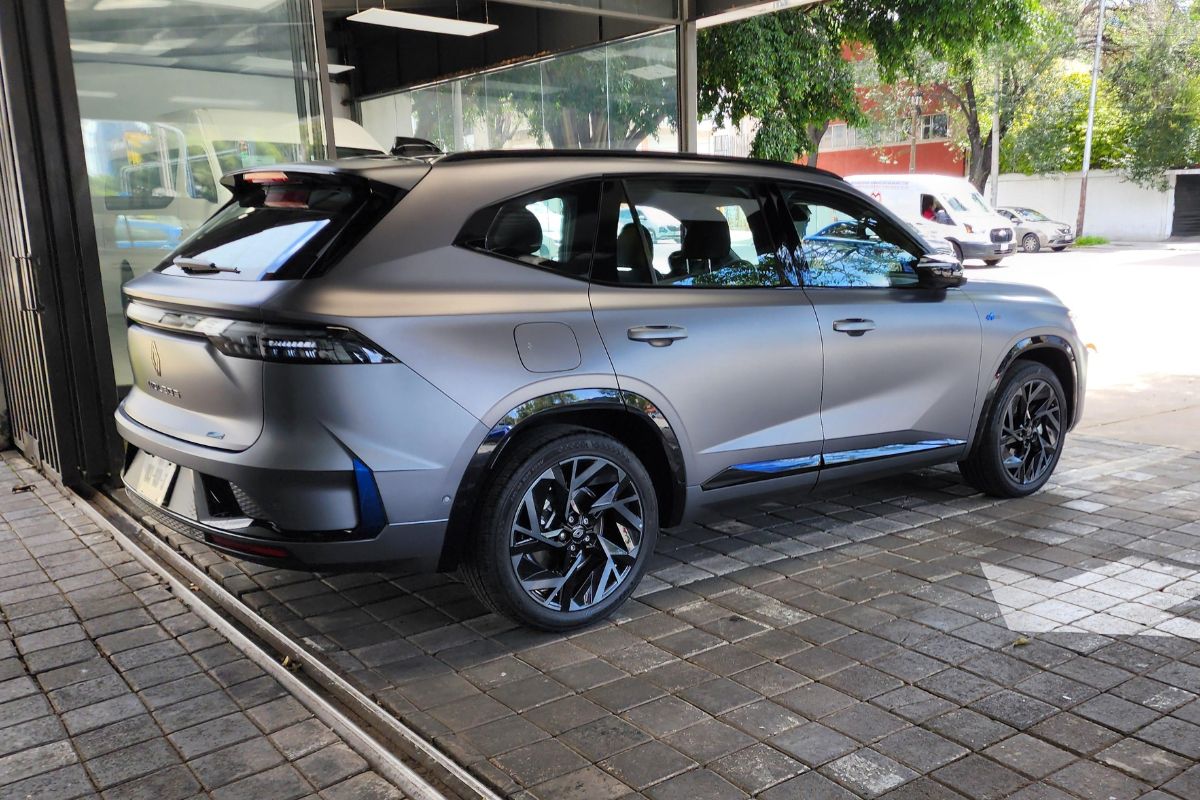
The new Renault Koleos has a screen exclusively for the passenger that is invisible to the driver, heated rear seats, and 29 assistance systems, but its Chinese competitors cost R$ 40,000 less and deliver more power.
-
The car stored for 38 years: when opening the barn door, what appears is breathtaking and looks like a scene from a movie!

-
Fiat works miracles in the Brazilian market, lowers the price of its 0 km hatch to R$ 69,990, reestablishes the model as the cheapest car in the country, and reignites the battle against Kwid and C3.

Furthermore, the absence of physical buttons compromises usability on the move, requiring increased visual attention from the driver — which can impact safety. The screen itself has good resolution and touch response, but that is not enough to compensate for the unintuitive system.
Rear Camera Disappoints Even The Brand’s Fans
One of the most criticized items in tests conducted in Japan and Thailand was the rear camera, which showed low resolution and unsatisfactory performance in low light conditions. For an urban SUV, which often needs to maneuver in tight spaces, this represents a significant flaw.
In direct comparison with models like the Chevrolet Tracker, the disadvantage of the mini SUV Yaris Cross is evident. The Tracker offers clearer images and has proximity sensors, which are absent in the Toyota. The camera also lacks dynamic guiding lines, making precise maneuvers even more challenging.
Summary of Problems With The Rear Camera:
- Distorted image in low light environments;
- Limited field of view;
- Absence of integrated rear sensors;
- Lack of dynamic guide lines in the image;
With Only 36 Liters, The Fuel Tank Of The Yaris Cross Is One Of The Smallest In The Category
With only 36 liters, the fuel tank of the Yaris Cross is one of the smallest in the category. This contrasts with competitors like the Hyundai Creta (50-liter tank) and the Nissan Kicks, which offer more autonomy before refueling.
Toyota tries to compensate for this limitation with excellent urban fuel consumption of 32.3 km/l, according to data from tests conducted in Asia. This allows for a theoretical autonomy of up to 1,162 km. However, in real use, especially on mixed or highway routes, the need for frequent stops may bother those looking for a car for long trips.
“Toyota’s focus is clearly urban. But consumers in markets like Brazil expect a versatile SUV,” said product engineer Daniel Kobayashi in an interview with the Autoo site.
Induction Charging Absent Even In The More Expensive Versions
Another sensitive point is the absence of an induction smartphone charger, a feature common in even cheaper models like the Fiat Pulse. The Yaris Cross does not offer this item even in the top-line versions sold in Asia, which has caused frustration among consumers.
Toyota has not yet confirmed whether this feature will be included in the Brazilian versions. Experts believe that this addition will be essential to compete with compact SUVs that already offer this type of convenience.
Yaris Cross Loses Performance To Rivals With Turbo Engines
The hybrid system of the Yaris Cross bets on energy efficiency, but loses performance to rivals with turbo engines. Equipped with a powertrain that combines a combustion engine with an electric motor, the Japanese SUV accelerates from 0 to 100 km/h in about 11 seconds.
This number contrasts with 8.8 seconds of the Hyundai Creta 1.6 TGDi (193 hp) and 9.5 seconds of the Volkswagen T-Cross 1.4 TSI (150 hp).
Performance Comparison:
- Yaris Cross Hybrid: 0-100 km/h in 11s | Urban Consumption: 32.3 km/l
- Creta 1.6 TGDi: 0-100 km/h in 8.8s | Urban Consumption: 11.5 km/l
- T-Cross 1.4 TSI: 0-100 km/h in 9.5s | Urban Consumption: 11.1 km/l
Despite the difference, the Yaris Cross offers a smooth ride and efficient transition between engines, which is especially pleasing in dense urban traffic. But those seeking a sportier behavior will miss responsiveness in overtaking and acceleration.
Toyota Yaris Cross: Modern Interior, But With Finishing Below Expectations
Inside, the Yaris Cross features a 7-inch digital instrument cluster and a cleanly designed dashboard. However, the materials used do not match the proposed sophistication. The predominant use of hard plastics on the dashboard and doors undermines the sense of refinement.
According to a report from the Motor1 portal, Toyota offers synthetic leather finishing options only in some Asian markets. For Brazil, these versions are not yet confirmed.
Models like the Honda HR-V, for example, feature rubberized surfaces and chrome accents, which elevate the perception of quality.
Forecast for Arrival in Brazil and Possible Changes
Toyota plans to launch the Yaris Cross hybrid in Brazil by the end of 2025, with probable production at the Sorocaba (SP) plant, where models like the Corolla Cross are already assembled.
Main Adjustments Expected for The Brazilian Market:
- Inclusion of induction charger in higher trims;
- Improvement of rear camera resolution and inclusion of sensors;
- Updates to the multimedia center interface;
- Use of more sophisticated materials in the interior finish.
“Brazilian consumers are demanding and expect a level of technology and comfort compatible with the price paid,” commented automotive consultant Fábio Trindade to the Autos Segredos site.
Heavy Competition Among Compact SUVs: Creta, T-Cross, Tracker and HR-V Already Deliver Good Levels Of Technology, Safety, and Performance
The compact SUV segment is among the most competitive in Brazil and the world. Models like Creta, T-Cross, Tracker, and HR-V already deliver good levels of technology, safety, and performance.
The Hyundai Creta, for example, offers a Bose sound system, a 10.25” multimedia center, and a powerful turbo engine. The T-Cross, on the other hand, bets on features like autonomous emergency braking, collision warning, and complete connectivity.
To compete, Toyota will need to adjust not only the content but also the price of the hybrid Yaris Cross. The promise of fuel savings is not enough to compensate for flaws in performance, finishing, or comfort and safety equipment.
Reception of The Toyota Yaris Cross Abroad Is Mixed
In markets where it has already been launched, such as Japan and Thailand, the Yaris Cross hybrid had a lukewarm reception. User forums and automotive portals highlighted the excellent fuel efficiency but complained about the camera, multimedia center, and the simplicity of the interior materials.
Toyota launched a software update to improve the navigation of the multimedia system, but did not make structural changes such as increasing the tank or including sensors.
The Yaris Cross hybrid represents an effort by Toyota to expand its portfolio of electrified vehicles. However, if it wants to compete strongly in Brazil, the model will need substantial improvements to meet the expectations of a consumer who is already well acquainted with the segment’s competitors.
Now We Want To Know From You: What Did You Think Of The New Yaris Cross? Does It Have The Potential To Compete With The Creta, T-Cross, And Tracker? Leave Your Comment Below And Share This Content With Anyone Who Also Follows The Automotive Market!









É necessário cautela para comentários em suposições, mas com a entrega em tecnologia e excelente acabamento dos chineses, fez com que os veículos japoneses, alemães e americanos corressem atrás para entregarem algo proporcional nesse sentido. Isso é bom, quem ganha é o consumidor.
Ajustes vão haver no Yaris , assim como no Corolla Cross que lançaram com a marmita no escapamento, o Yaris vai se ajustar no segundo ano de lançamento, incluindo aumento da litragem combustível, melhorias técnicas na mídia câmeras, tomara que tenha uma opção modelo até R$120.000, pra PCD! Vai Toyota!
Economia de combustível de mais de 200% sobre a concorrência compensa mais do que detalhes de acabamento. Os “especialistas” tendem a valorizar detalhes de estética por puro status…os consumidores deixaram de entender um mínimo sobre funcionamento e passaram a comprar o carro que deixem os vizinhos com mais inveja.