





 Portuguese
  English
  Spanish
  5 min of reading
  0 comments


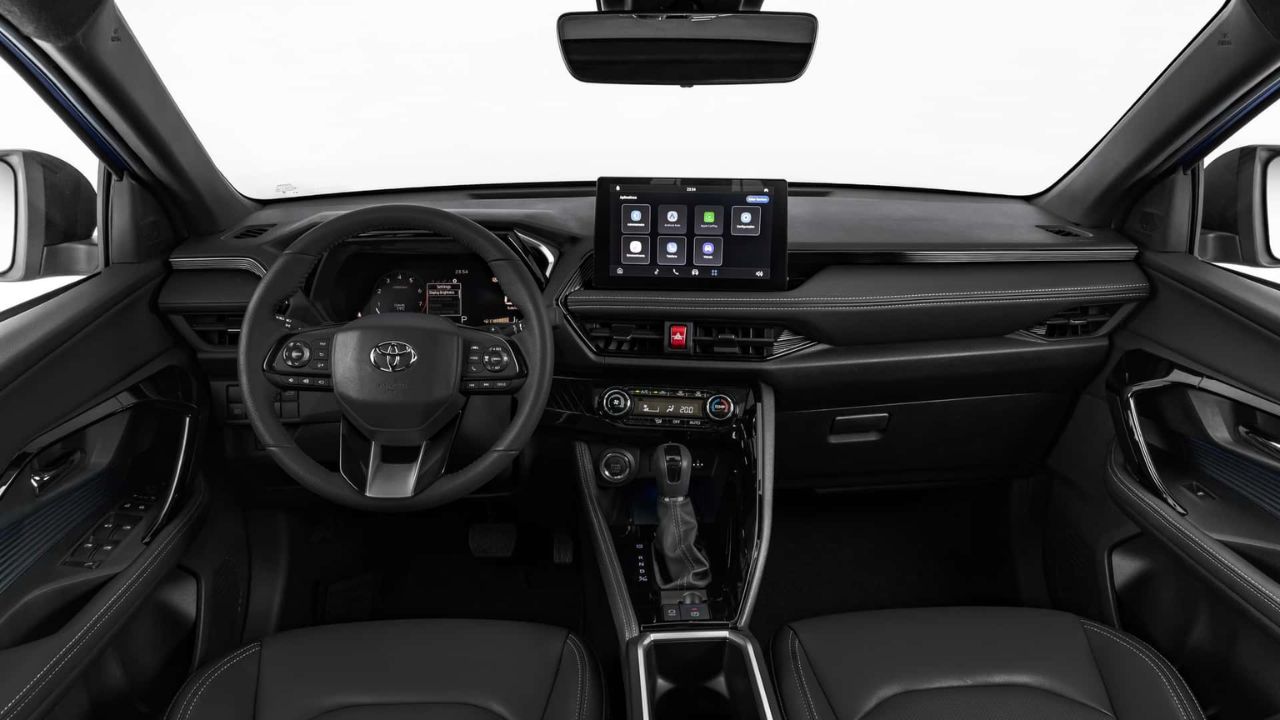
Toyota Yaris Cross Receives Two Stars in Latin NCAP, While Volkswagen Aims for Leadership, Ford Everest Is Confirmed for Brazil, and Kia Seltos Debuts New Generation.
The Toyota Yaris Cross has become a central topic in the industry after leaving Latin NCAP with only two stars for protection. The result draws attention because it directly impacts safety perception, especially in a segment where competition is tight and every detail counts.
At the same time, automotive news has not stopped with the Toyota Yaris Cross. Volkswagen has projected a return to leadership in the Brazilian market by 2026, Ford has confirmed the arrival of the Everest to Brazil as part of a plan for 20 launches by 2027, and the Kia Seltos has introduced a new generation with significant changes to compete for space.
Toyota Yaris Cross and the Impact of Two Stars in Latin NCAP


Latin NCAP released what it referred to as its last round of tests for 2025, featuring two models, one with positive performance and the other disappointing. In the case of the Toyota Yaris Cross, the final score was two stars.
-
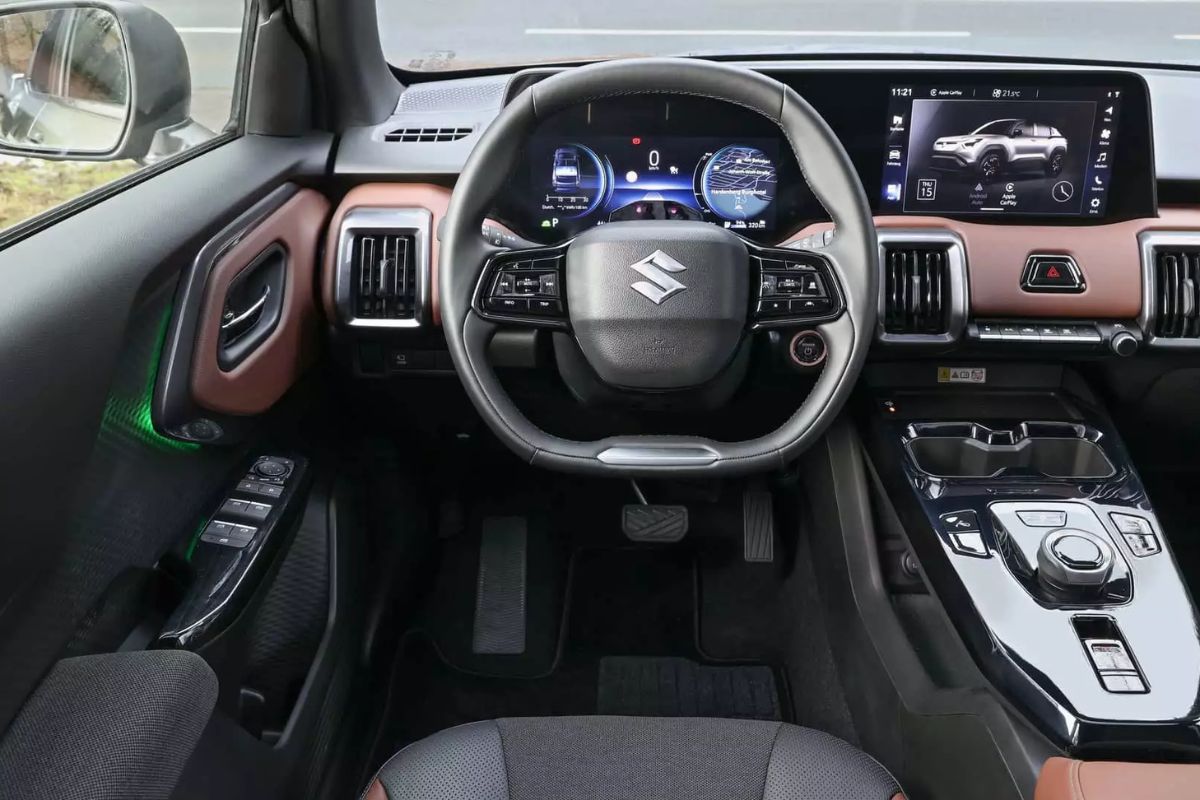
The 2026 electric Vitara arrives in Brazil and proves that Suzuki is not leaving: 4×4 traction, 184 hp, 61 kWh LFP battery, 293 km range, R$ 259,000, and a trunk capacity of 224 L.
-
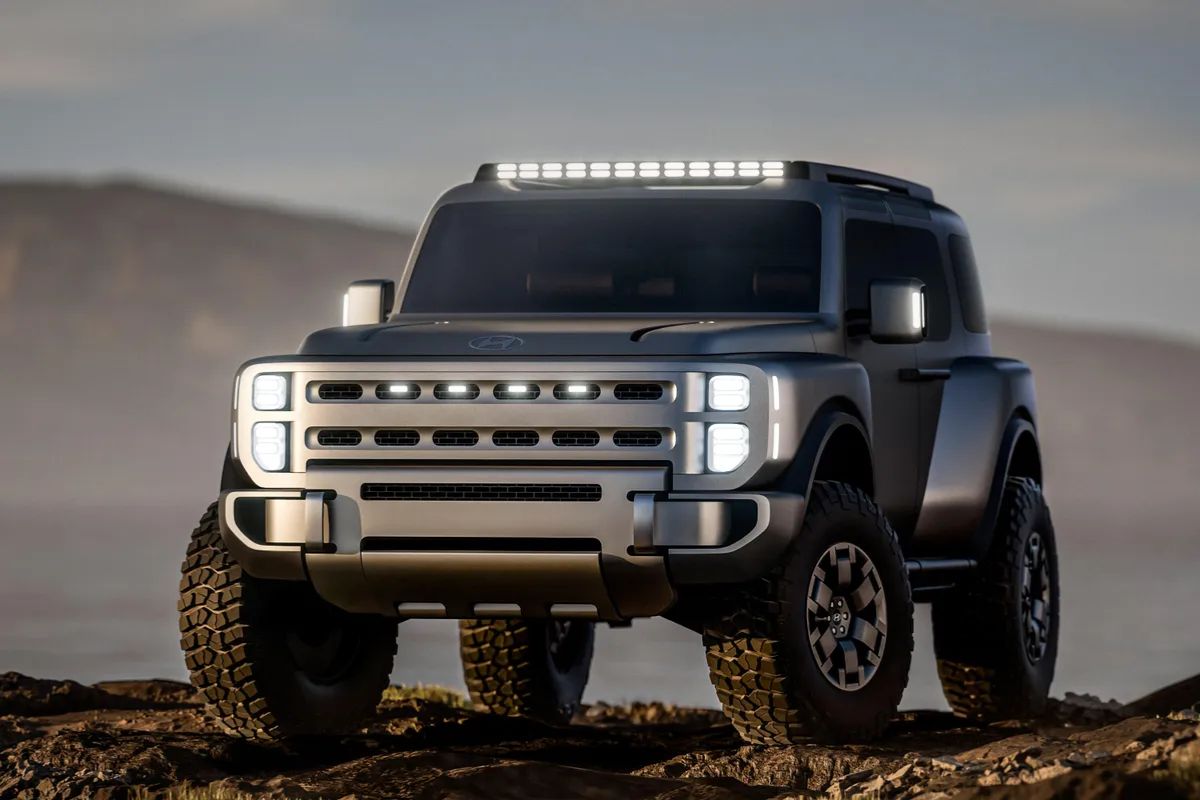
Hyundai has unveiled the Boulder, a square SUV with a body-on-frame design, 37-inch mud tires, and carriage-style doors that seems to be made to take on the Ford Bronco and the Scout Traveller in the United States.
-
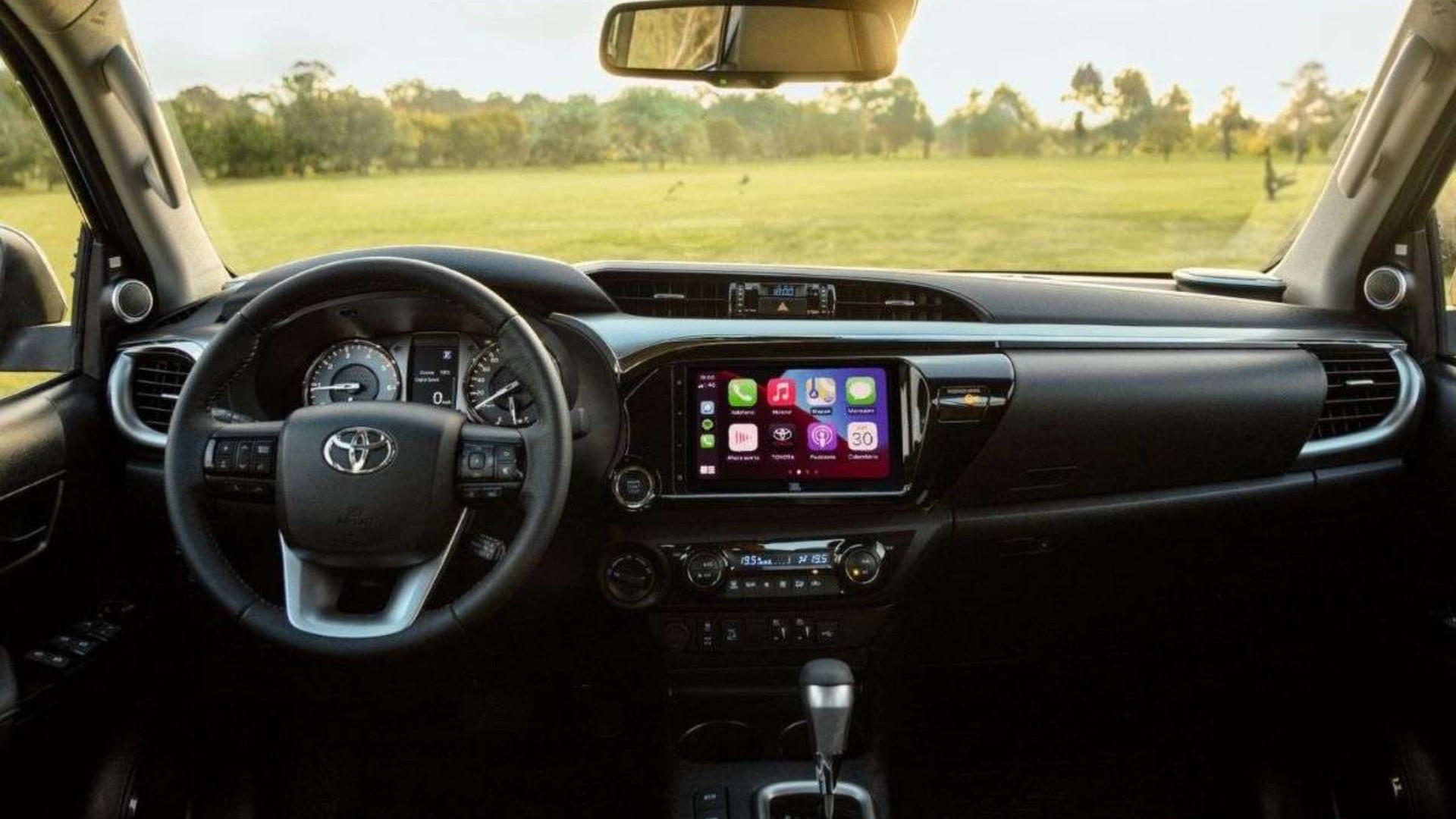
The Toyota Hilux is R$ 75.5 thousand cheaper and bets on the 2.8 turbodiesel engine with up to 204 hp and 50.9 kgfm to catch up with the VW Saveiro, which leads with 4,472 sales.
-
The new Renault Koleos has a screen exclusively for the passenger that is invisible to the driver, heated rear seats, and 29 assistance systems, but its Chinese competitors cost R$ 40,000 less and deliver more power.
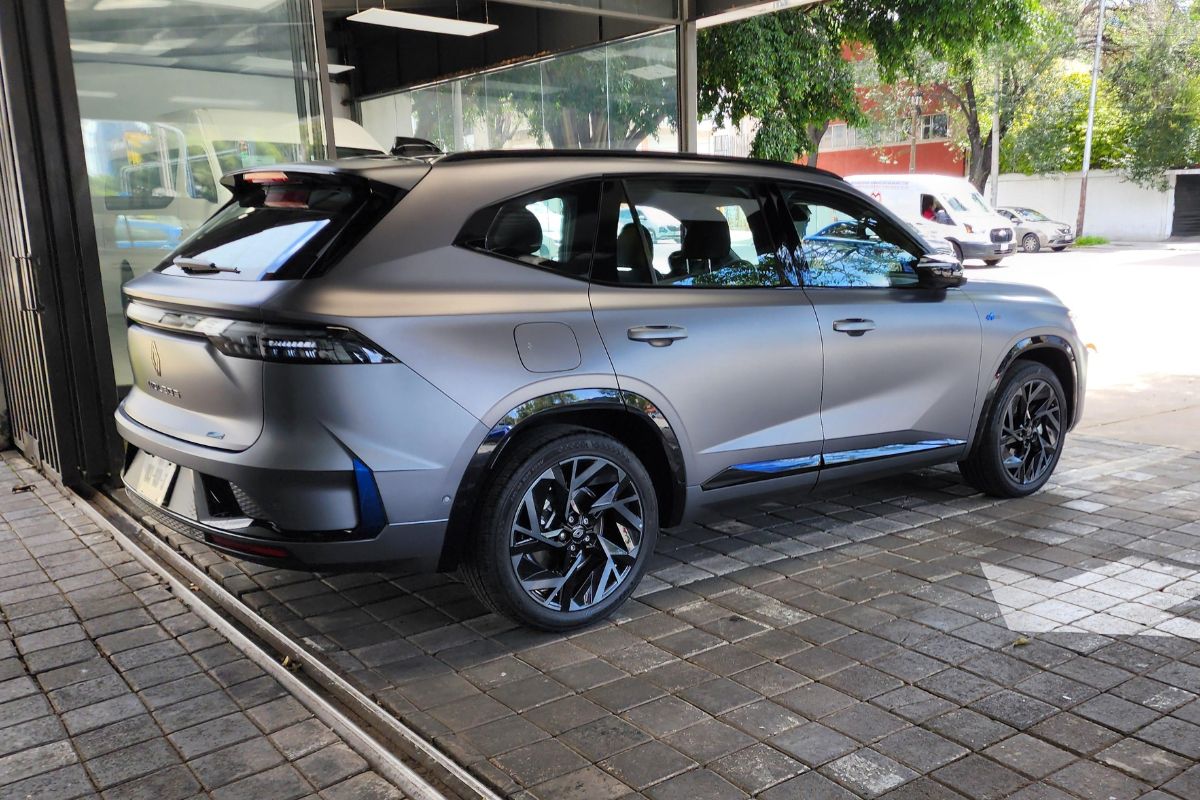

In the numbers presented, the Toyota Yaris Cross achieved 77% in adult occupant protection, 69% for children, 55.6% for pedestrians and vulnerable road users, and 58.1% for driver assistance. The most sensitive point appears in the protection of pedestrians and vulnerable road users, which undermines the overall impression and amplifies the noise in public debate.
Factors that weighed in the evaluation, according to the report, include the lack of a switch to deactivate the passenger airbag when installing a child seat, in addition to other points deemed less relevant. There’s also an important detail: Latin NCAP did not clarify whether the tested unit of the Toyota Yaris Cross was manufactured in Sorocaba, São Paulo, or sourced from Indonesia, although the entity mentions strong project similarities.
Volkswagen Uses 2025 to Aim for Leadership in 2026

While the Toyota Yaris Cross faces the fallout from its rating, Volkswagen took the week to present results for 2025 and its projections for the upcoming year. The brand reiterated its expectation to return to leadership in the Brazilian market, likely in 2026, as stated in the foundational material.
The highlight presented was the Volkswagen Tera, which in 5 months has sold 37,693 units. The cited comparative positions this figure close to the 40,316 units of the Fiat Pulse over 11 months and above the 18,188 units of the Renault Cardian, also over 11 months. In November, Tera’s performance would have been highlighted with a 69% share in the segment within the presented sample, and exports in these five months would have already surpassed 60,000 units, making the model the second most exported by the manufacturer in Brazil.
Additionally, it was noted that the Volkswagen T-Cross sold over 82,000 units in 2025, solidifying its segment leadership. It’s a narrative of volume and market presence, which gains even more strength when compared to the noise caused by safety ratings.
Volkswagen Tiguan Gains Five Stars and Increases the Contrast

In the same round of Latin NCAP, the Volkswagen Tiguan was the model with a positive result, achieving five stars. The cited percentages were 85.8% in adult protection, 80.9% for children, 79.7% for pedestrians and vulnerable road users, and 92.1% in safety assistance.
There were mentions of caveats such as the structure of the adult footwell classified as unstable, the driver’s chest having marginal protection in frontal and lateral impacts, and knees with marginal protection. Nevertheless, the final result remained at the maximum rating. The contrast with the Toyota Yaris Cross is unavoidable, as the two headlines feed off each other in the safety debate.
Ford Confirms the Everest in Brazil as Part of an Offensive until 2027

Ford announced plans to launch 20 cars in Brazil by 2027. Among those mentioned is the new plug-in hybrid Ranger, already confirmed previously, as well as new offerings for the next year, such as the single cab Ranger and chassis cab, and the hybrid Territory SUV, indicating it will also be flex in Brazil.
Within this list, the Everest was confirmed for Brazil after receiving the green light for the market as it will be equipped with the same engines as the pickup. It’s a move that reinforces the brand’s strategy for SUVs and utilities, as it expands its portfolio.
Kia Seltos Debuts Second Generation with a Focus on Space and Technology

In the block of news, the Kia Seltos appears with the debut of its second generation. The model features a bolder look, with a wide grille and an intelligent lighting system referred to as Starmap, as well as rear lights designed to emphasize its width.
The dimensions mentioned include 4.43 m in length and a 2.69 m wheelbase, with a trunk capacity of 536 L. Inside, panoramic digital screens of 12.3 inches and a proposal for finishing and spaciousness are mentioned.
For the mechanics, three options were cited: a 1.6 TGDI with 180 hp and 27 kg of torque with a manual or automated transmission, a 1.6 TGDI with 193 hp and an eight-speed automatic transmission, and a 2.0 with 149 hp and 18.2 kg of torque, along with expectations for a hybrid version. So far, there is no information on sales in Brazil or prices, and the commercial launch in dealerships abroad is projected for mid-2026.
Citroën C3 Reaches 100,000 Units and Prepares Changes for 2026

At the beginning of the round, the milestone of the Citroën C3 was also mentioned, reaching 100,000 units produced at the Porto Real plant in Rio de Janeiro, marking its nearly 23 years in the market. The base text recalls its launch in 2003 with a proposal for a premium compact and the model’s transformation in its third generation, starting in August 2022, when it became a low-cost entry vehicle with a more robust appearance.
It was also noted that the 2026 line received updates in internal finishing, and between late 2026 and early 2027, innovations are expected, such as the first facelift based on the European model and the debut of the 1.3 aspirated Firefly.
Case of the Toyota Yaris Cross
The Toyota Yaris Cross concludes this round as the most sensitive topic, as two stars in Latin NCAP often become a quick reference in purchase discussions. Even with caution regarding the origin of the tested unit, the result enters the consumer’s radar and becomes ammunition in comparisons with rivals.
Quick question for you to comment: after the result of the Toyota Yaris Cross in Latin NCAP, would this change your choice for an SUV in this category, or do you consider that the rating does not weigh as much as price and features?









Seja o primeiro a reagir!