





 Portuguese
  English
  Spanish
  4 min of reading
  0 comments


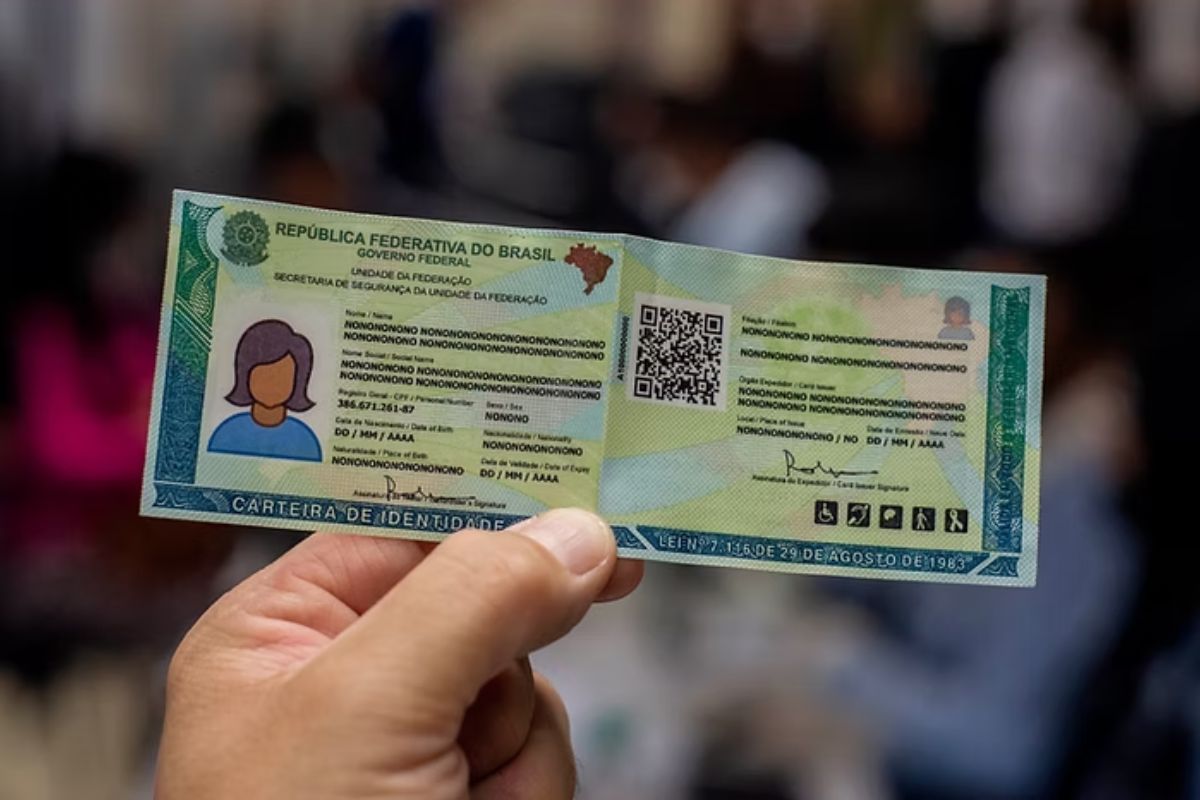
Adoption of the New National Identity Card Standardizes Identification Throughout the Country, Makes the CPF the Unique Number, Incorporates QR Code and Chip for Instant Verification, and Automatically Integrates the Digital Version into the Gov.br App, with Full Transition Scheduled by 2032
The new National Identity Card ends the fragmentation of civil documents in Brazil and establishes the CPF as the unique identifier, eliminating state duplications and enhancing controls against fraud. The document features a QR Code for validation, an electronic chip for secure verification, and publishes the digital version on Gov.br, simplifying service and authentication in the public and private sectors.
The change creates a transition schedule until 2032, during which the traditional ID will continue to be accepted. Accelerating the exchange reduces the risk of registration inconsistencies and speeds up access to services. To issue the new National Identity Card, the citizen schedules at the state’s identification agency, confirms biometrics, photo, and data, and follows up on delivery according to local guidance.
What Changes with the New National Identity Card
The new National Identity Card unifies the standard of identification and replaces the RG as the documentary reference.
-
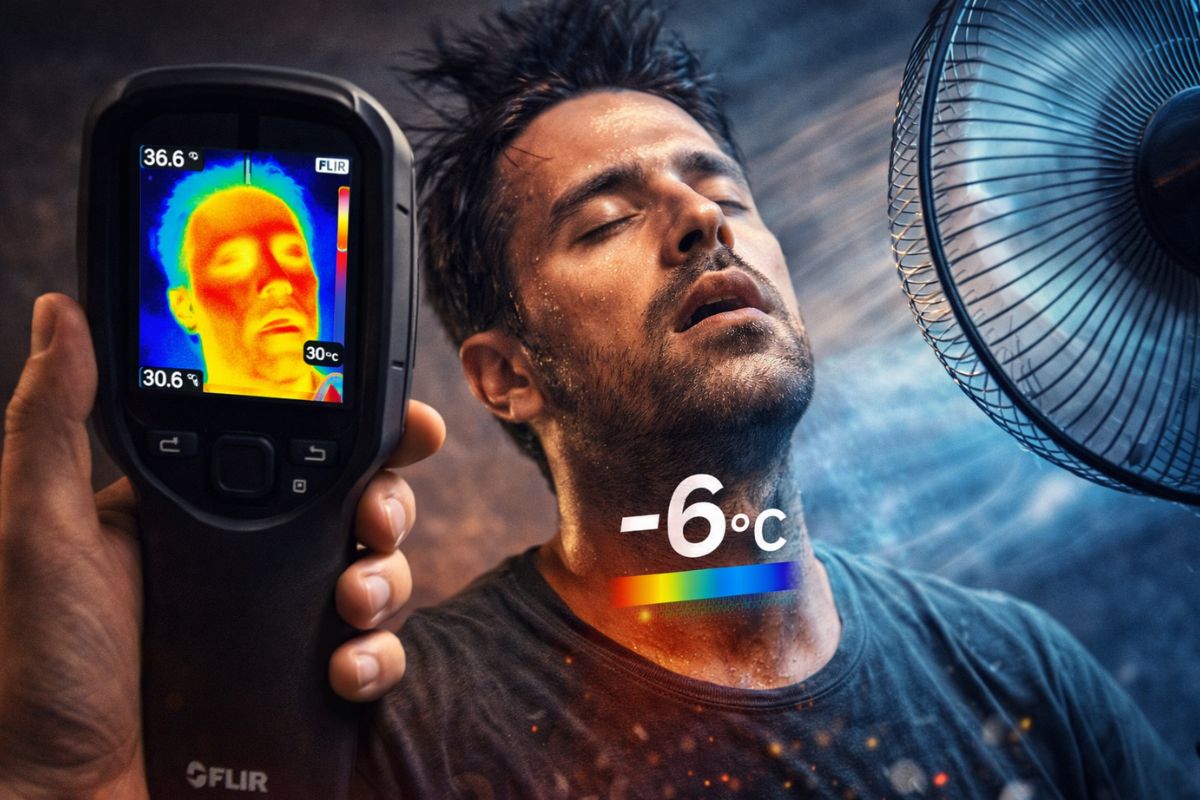
A scientist proved with a thermal camera that the fan does not cool the environment but reduces the temperature of your skin by up to 6 degrees thanks to a natural mechanism of the human body that almost no one understands how it really works.
-
Scientists find a new explanation for the origin of Earth, which may have formed solely from material close to the Sun, changing an old theory and indicating that Jupiter may have been the cause of it all.

-
Brazilian beaches are among the most contaminated in the world by cigarette butts, with levels up to 40 times above the global average and areas where this waste already represents the majority of all the trash found.

-
2,000-Year-Old Machine Gun: Roman weapon found in Pompeii fires arrows at 109 m/s with an automatic gear mechanism, leaving perfect geometric patterns on the walls and proving its real use in the siege of 89 B.C.


The CPF becomes the unique number of the citizen, which prevents duplicate registrations and discrepancies between state databases.
The document incorporates a QR Code for immediate checks and a chip with encrypted data, facilitating authenticity verification at physical counters and digital processes.
In addition to the identification core, the CIN allows for the addition of complementary information, such as blood type and voter registration, simplifying recurring verifications in health services and administrative acts.
The goal is to reduce fraud, standardize processes, and expedite services that depend on identity validation.
Deadline, Validity, and Transition Until 2032
Until 2032, the traditional RG remains valid.
The guidance is to anticipate the migration to the new National Identity Card to avoid queues at the end of the period and align CPF data with any state registrations.
The physical and digital versions coexist, ensuring functionality even in scenarios of network failure or absence of the printed document.
The adoption of the CPF as the unique identifier eliminates inconsistencies between states and improves data matching.
The verification by QR Code and chip reduces attempts at counterfeiting and standardizes checks in banks, notaries, airports, and public agencies.
How to Request the CIN in Practice
The process starts with scheduling on the website of the State Civil Police Identification Institute.
During the appointment, the citizen completes biometrics, photography, and signature, and confirms personal data.
Documents Usually Required
Present a birth or marriage certificate, regularized CPF, and a recent proof of residence.
Checking the status of the CPF before scheduling prevents rejections and rework.
After issuing the physical card, the digital version of the new National Identity Card appears automatically on Gov.br, in the My Documents section.
Costs, Exemptions, and Digital Version on Gov.br
The first issuance is free nationwide.
The second copy may incur a fee, with values defined by each state. There are exemptions for those registered in CadÚnico, victims of theft with a police report, elderly individuals, and people with disabilities.
The digital version is released on Gov.br after issuance, allowing consultation and validation of the QR Code directly on the mobile phone.
Keeping the app updated and enabling the Gov.br account with a compatible security level improves the experience, including in services that require strong authentication and online validation of the document.
Security, Interoperability, and Benefits for the Citizen
The new National Identity Card integrates biometrics, QR Code, and chip, creating multiple layers of verification.
The interoperability with Gov.br simplifies the user’s life in banks, notaries, and government offices, reducing the need for copies and repetitive authentications.
The nationwide standardization reduces fraud, adds predictability to processes, and accelerates service delivery.
For the government, the centrality of the CPF improves the quality of databases, avoids duplications, and speeds up audits.
For the citizen, the gain is practical: fewer documents, quick verification, and digital access in a single environment.
What to Do Now
1 Schedule the issuance of the new National Identity Card on the website of your state’s identification agency.
2 Regularize your CPF before the appointment.
3 Bring certificate and proof of residence that are current.
4 After receiving the physical card, activate and check the digital version on Gov.br.
Have you issued the new National Identity Card or do you plan to wait for the final phase of the transition until 2032? Share in the comments what questions still hinder your exchange.










Seja o primeiro a reagir!