






 Portuguese
  Spanish
  3 min of reading
  0 comments


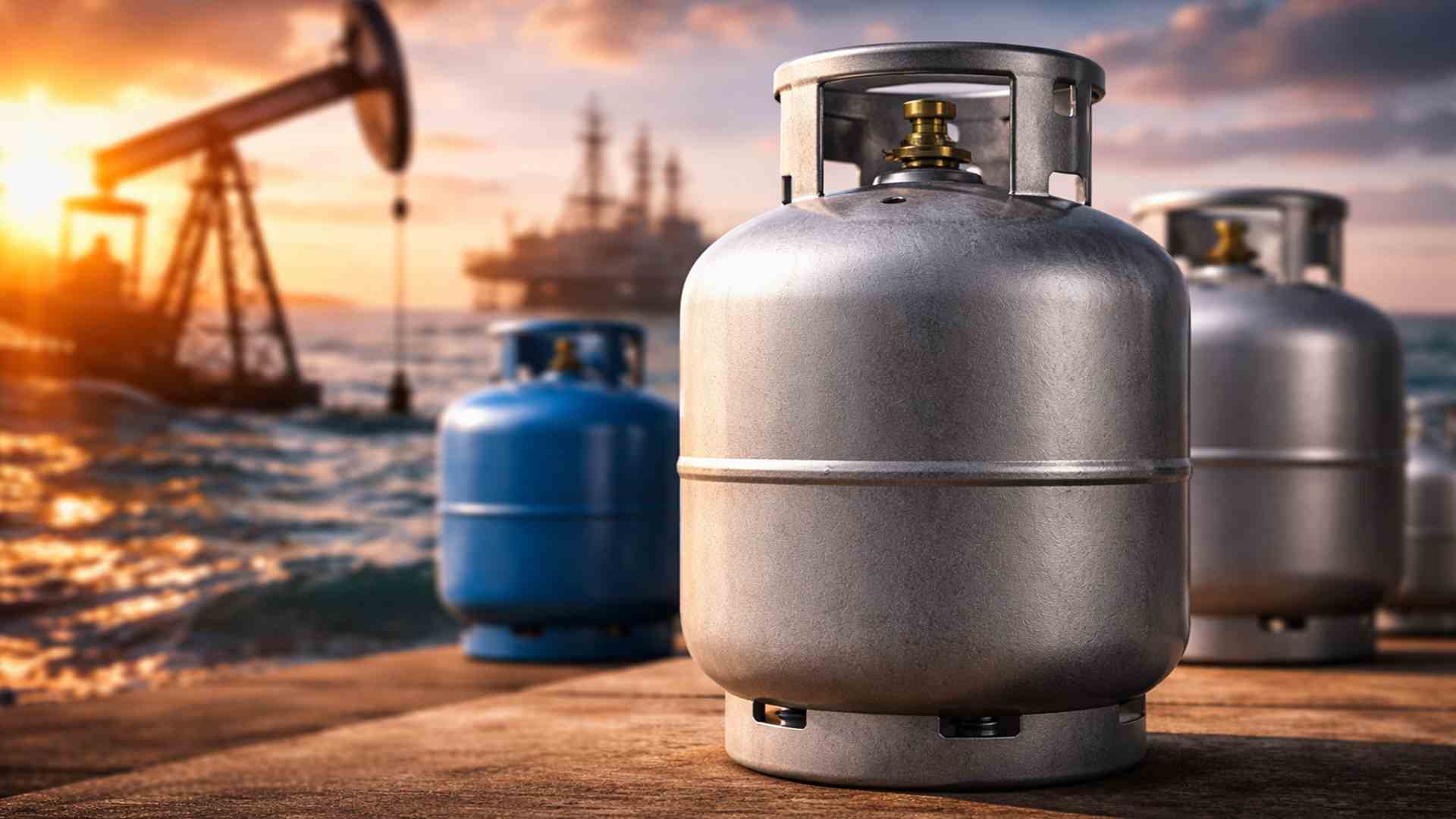
Statement released this Tuesday, March 31, shows that the federal government is studying a temporary subsidy for cooking gas after the surge in oil abroad, amid the war in Iran and pressure on fuels, transport, supply, and production chains in the country
The federal government is evaluating measures to contain the effects of rising oil prices in the international market amid the war in Iran, focusing on cooking gas, one of the items considered most sensitive given the external instability. Among the actions analyzed by the Ministry of Mines and Energy is the creation of a temporary subsidy for LPG.
The initiatives were detailed in a statement released this Tuesday (31), in which the ministry pointed out that the reaction aims to address the recent escalation of international oil prices. The scenario, according to the ministry, is marked by strong geopolitical instability in the Middle East and ongoing volatility in global energy markets.
Temporary measures to protect the internal market
The plan under study will have a temporary, exceptional, and counter-cyclical nature, aimed at reducing the impact of an external shock on prices. The strategy includes instruments aimed at protecting the internal market, subsidies for essential goods, and economic mechanisms to limit the effects of the surge in oil.
-
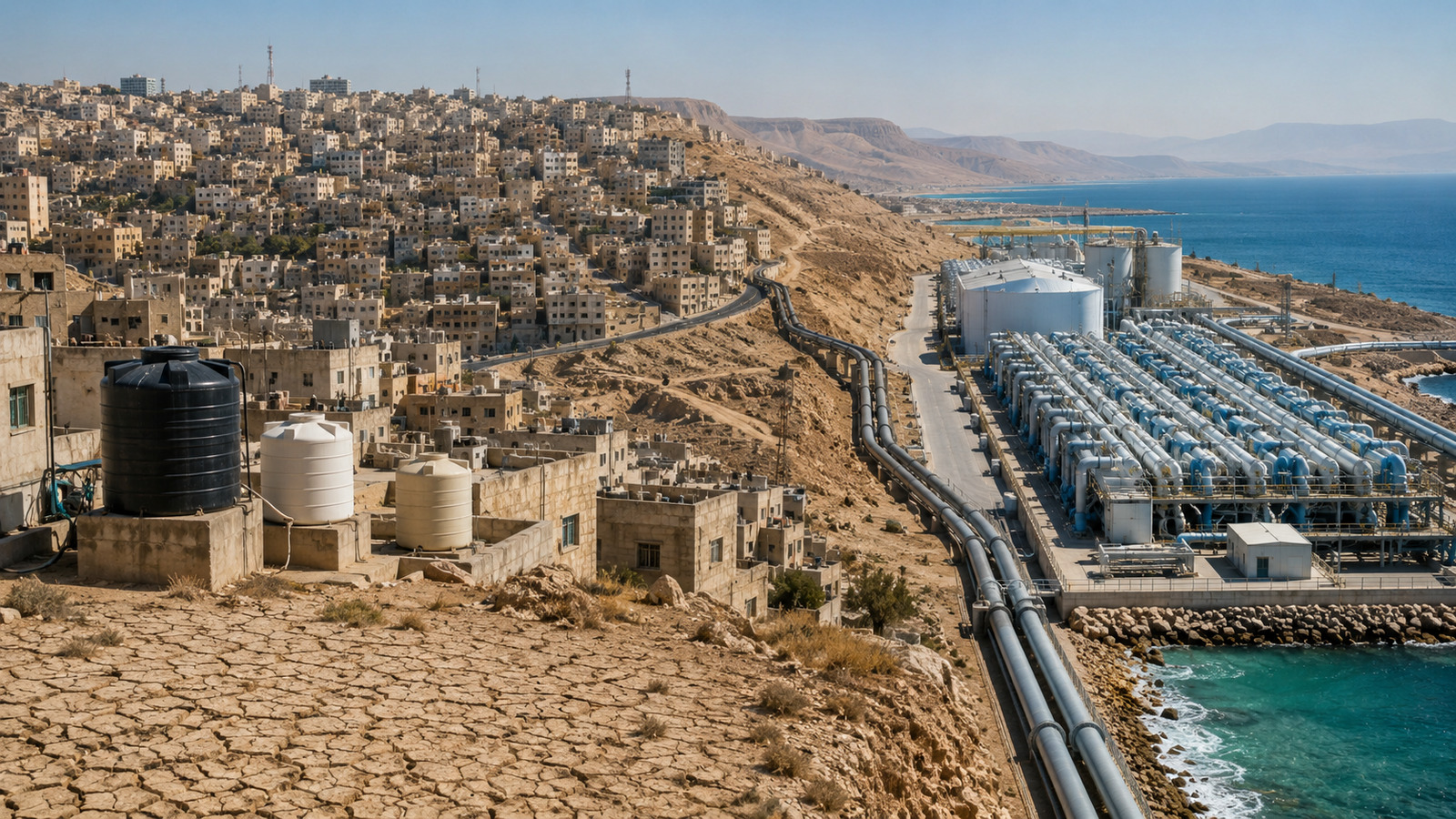
Country making its World Cup debut has only 61 m³ of water per person per year, suffers from scarcity, and is betting on a megaproject to draw water from the Red Sea to the capital.

-
Former truck driver wakes up at 2 a.m., fills 28 thermos bottles with coffee, and sells them in Anhanguera traffic without charging at the moment, trusting that drivers will pay later via Pix.

-
A R$ 2 part turned into a R$ 120 service, and cell phone repair has become one of the most profitable businesses in Brazil, with an entrepreneur who has already trained 5,000 technicians after finding the course unsatisfactory.
-
Man received R$ 131 million by mistake, returned the money, and requested R$ 13 million as a reward, which was denied: now he seeks clarification from the court about the decision; understand



The central objective is to reduce pressures on fuel prices, transport, and production chains. At the same time, the government seeks to preserve the functioning of the economy and maintain the stability of domestic supply.
Cooking gas is among the most vulnerable markets
Cooking gas is among the segments most exposed to these international fluctuations. This is due to its social relevance and also because of the dependence on about 20% imports, a factor that increases the vulnerability of LPG to external variations.
The ministry’s assessment is that ensuring access to energy sources without compromising the security and energy justice of the population is one of the axes of the response being developed. In this context, cooking gas occupies a central position among the goods monitored by the government.
Actions under study join measures already adopted
The new measures under analysis join other actions already implemented by the federal administration to address the rise in oil prices.
Among them are emergency instruments for protecting the internal market, economic support for the most affected sectors, and measures to ensure energy supply in the country.
With this set of initiatives, the government aims to cushion the effects of the international crisis on the domestic market. The proposal for cooking gas is part of this response front in light of the pressure caused by rising oil prices.







Be the first to react!