





 Portuguese
  English
  Spanish
  4 min of reading
  0 comments


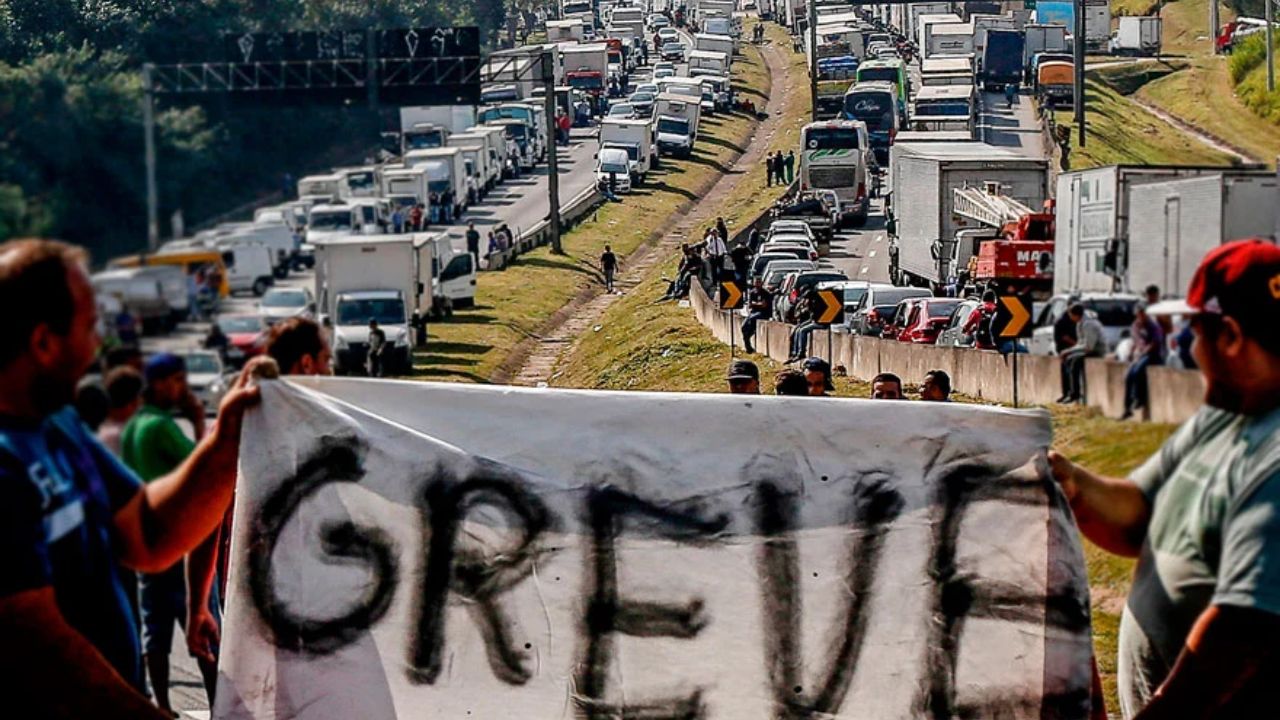
Truck Drivers’ Strike Had Planned Disruptions for Today, But PRF Confirms Zero Mobilizations and Truck Drivers Continue Demanding Contract Stability, Regulatory Framework, and Special Retirement
Truck drivers from various regions of the country were unable to carry out the truck drivers’ strike on the scheduled date. The general stoppage, announced to start this Thursday, began with no blockades, no interferences, and no record of formal mobilizations on federal highways, according to the Federal Highway Police. In practice, the truck drivers’ strike did not take off on the roads, but the frustration and demands remain on the government’s table.
Even without lines, block points, or chaos, dissatisfaction persists. Leaders of the category emphasize that the goal of the movement is to guarantee contract stability, compliance with existing laws, restructuring the Regulatory Framework for Cargo Transportation, and recognition of special retirement after 25 years of work with proof through contributions or fiscal documentation. The message is clear: the category may not have stopped today, but it has not given up on pressing for structural changes.
Highways Are Clear and PRF Confirms Absence of Blockades
According to the Federal Highway Police, no formal communication of mobilization or blockage was recorded nationwide.
-
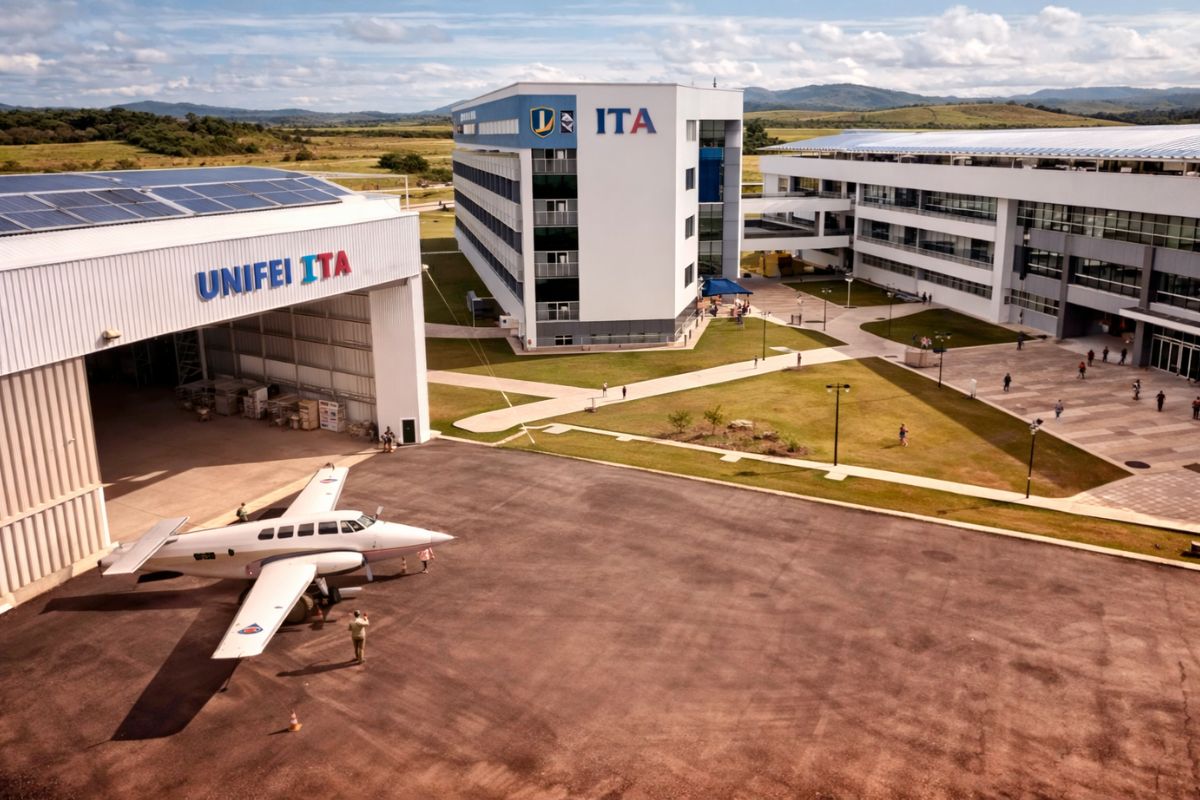
The institute that trained the greatest aerospace engineers in Brazil has just opened its first campus outside São Paulo after 75 years: ITA Ceará will have R$ 445 million, new courses in energy and systems, and classes are expected to start in 2027.
-
Luciano Hang, owner of Havan, goes to Juiz de Fora after the tragedy in February, brings R$ 1 million, hands out R$ 2,000 cards, and donates up to R$ 15,000 to victims in the region.

-
The Brazilian passport allows legal residence in dozens of countries without the need for a prior visa, and most Brazilians are unaware that they can apply for residency directly upon arriving in nations in South America, Africa, and even Europe.

-
Petrobras sends a message to Brazilian truck drivers after fuel collapse and reveals plan to have 100% domestic diesel.


The agency reminded that the Brazilian Traffic Code requires prior authorization from the traffic authority for any event that may interrupt or hinder the circulation of vehicles and pedestrians.
Even without the truck drivers’ strike effectively in place, the PRF maintained its normal schedule of patrols and monitoring over approximately 75,000 kilometers of federal highways, observing traffic flow and any atypical occurrences.
By early morning, the scenario was one of normality, with no signs of disruption on the main transport routes.
Capitals and Major Axes Show No Signs of Truck Drivers’ Strike
In the Federal District and Surroundings, the morning began without blockades, interferences, protests, or crowds on federal highways.
The same situation was observed in other states that typically see a large flow of cargo, such as Rio de Janeiro and São Paulo.
On the eve, organizers of the truck drivers’ strike projected participation across all regions of the country, with a special focus on the Southeast Region and the state of São Paulo.
The expectation was for a strong national mobilization, but what was actually seen was an ordinary day of transportation for cargo.
Truck Drivers’ Strike Had Agenda Submitted at Planalto
Despite low participation on the roads, the movement took the institutional path. On Monday, an official document was submitted at the Palácio do Planalto, officially informing the federal government about the intention to carry out the truck drivers’ strike and presenting the main demands of the category.
One of the representatives of the movement, Francisco Burgardt, from the Union of Self-Employed Road Transporters of Ourinhos, emphasized that the act would be carried out within the limits of the law, focusing on demanding responses from the government to the accumulated demands of the sector.
The leaders’ message is that the category wants dialogue, legal security, and predictability in labor relations.
What the Category Is Demanding from the Government
Among the main points of the agenda of the truck drivers’ strike are:
- Contract Stability for Truck Drivers, to reduce insecurity in freight contracts and avoid sudden changes in working conditions
- Guarantee of Compliance with Existing Laws, especially those concerning the minimum freight rate and hiring rules
- Restructuring the Regulatory Framework for Cargo Transportation, to modernize and organize the sector in a clearer and more stable manner
- Special Retirement After 25 Years of Work, with proof of activity through contributions or fiscal documents issued throughout the career
For the leaders, without these responses, new calls for mobilization may return to the debate. The movement’s perception is that truck drivers continue to bear high costs, risks on the roads, and little protection in formal rules.
Is a Weakened Truck Drivers’ Strike the End of Pressure?
The fact that the truck drivers’ strike has not generated blockades at this moment does not erase the political and social message that the agenda conveys.
The protocol of the demand at Planalto, the organization of regional unions, and the open communication of demands indicate that the sector is in a phase of reorganization and seeks unity.
For the government, the challenge now is to decide whether to anticipate solutions and negotiate with the category while the highways are still clear or wait for new attempts at disruption to act under pressure. For the truck drivers, the dilemma is how to keep the mobilization alive without harming the population and without exposing themselves to legal sanctions while still trying to build a stronger national adherence.
And you, do you think the government should call the representatives of the truck drivers’ strike to negotiate now, even without blockages on the roads?









-

-

-

4 pessoas reagiram a isso.