





 Portuguese
  English
  Spanish
  3 min of reading
  1 comment


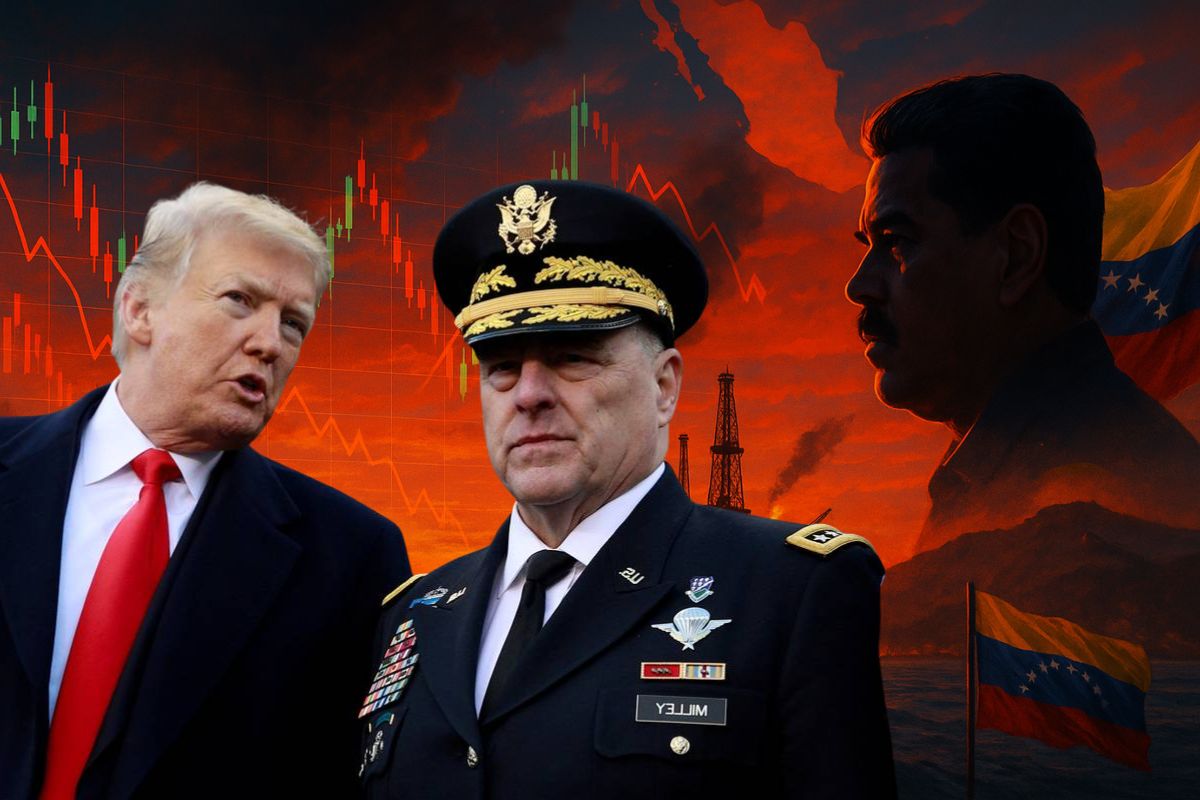

According to the Analysis by José Kobori and Tabata Amaral, the American Movement in the Region Blends Drug War Pretense with Direct Interest in Oil and Geopolitical Power
The presence of U.S. ships near Venezuela has raised tension in South America and once again highlighted the strategic weight of oil. Nicolás Maduro’s government classified the approach as “the greatest threat of the century to the region,” while the official U.S. justification speaks of “combating drug trafficking.”
For analysts like José Kobori and Tabata Amaral, the drug war narrative serves as a facade for a larger game: economic pressure, competition for oil, and a political message against Venezuela’s closeness with China and Russia. The topic returns to place Latin American democracies facing a dilemma on how to respond to rising tension.
Who is at the Center of the Crisis
On one side, the United States is reinforcing military presence in the Caribbean, citing the need to curb international trafficking.
-
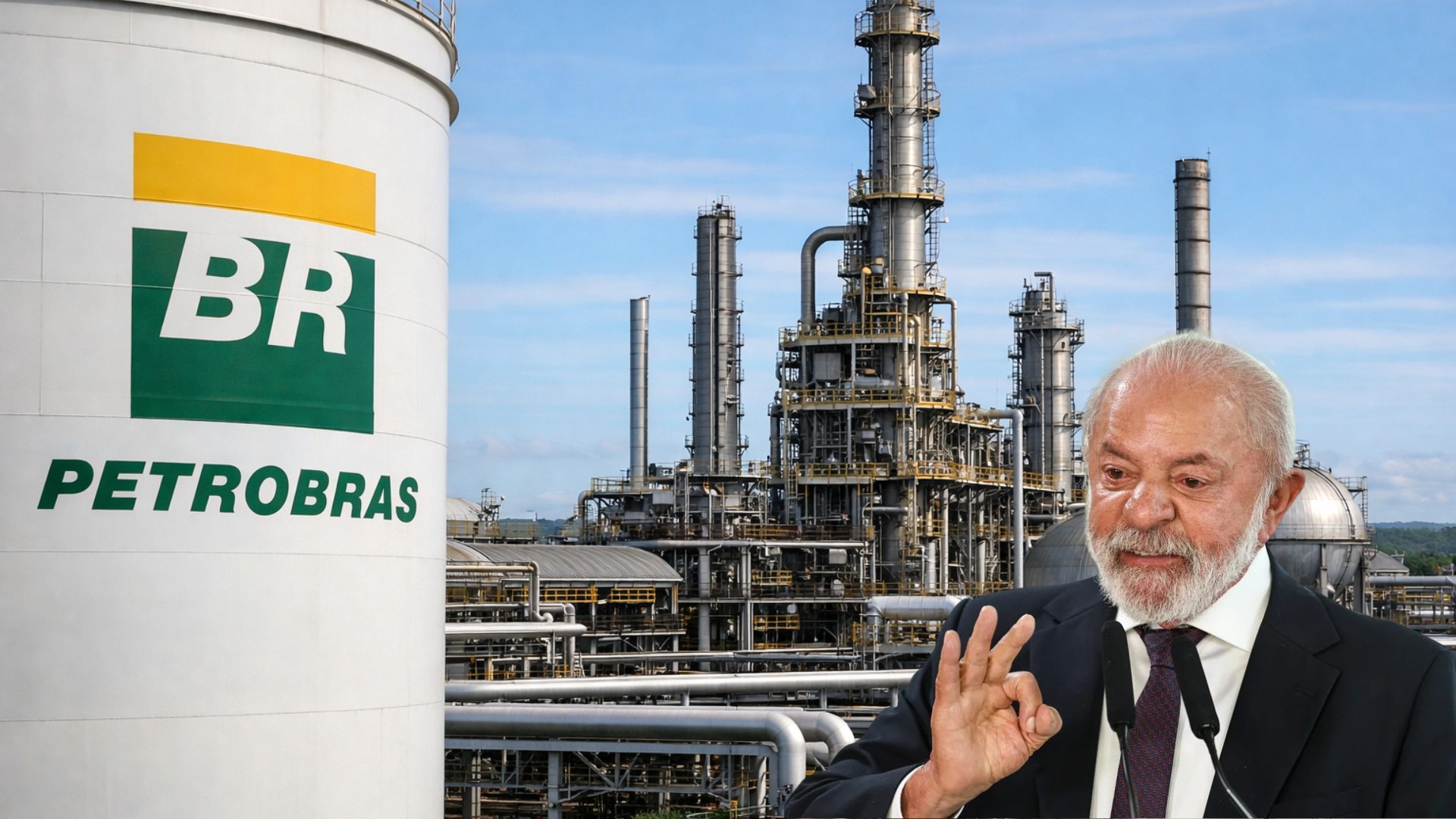
Lula reveals a masterstroke by Petrobras to undo a deal made by Bolsonaro, which involves the return of an important refinery that currently produces less than half of what was expected and makes Brazil dependent on international diesel.
-
A study confirms that the natural gas sector will reduce greenhouse gas emissions in Brazil by 0.5% and accelerate the energy transition by 2026.

-
Petrobras implements a severe adjustment and confirms a 55% increase in the price of aviation kerosene with a proposal for installment payments for the companies.

-
The rise in oil prices could ensure an extra revenue of R$ 100 billion for the Federal Government, indicates a recent economic study.


But critics remind that the country has previously maintained alliances with authoritarian regimes when its economic interests were favored.
Venezuelan oil is the strategic asset that explains U.S. attention.
On the other hand, the Maduro government is described as a dictatorship by its opponents, marked by political repression, humanitarian crisis, and contested elections.
Even so, it counts on diplomatic and economic support from China and Russia, which reduces the chances of a direct military escalation by the U.S.
How Much Does Oil Weigh in the Equation
Venezuela has one of the largest oil reserves in the world and continues to be an important supplier to strategic markets.
For analysts, the movement of American ships serves as a direct message: control over this resource remains at the center of global geopolitics.
Beyond oil, the crisis is also a struggle for influence.
While the U.S. tries to preserve hegemony on the continent, China and Russia act as a counterbalance, sustaining Maduro’s regime.
In this chessboard, regional allies — such as Brazil, Colombia, and Mexico — become key pieces in how external pressure will be absorbed.
Where Neighboring Countries Come In
The Brazil, as an immediate neighbor, appears in the debate as an actor that should take a firmer stance.
For Tabata Amaral, Latin American governments have failed to support the Venezuelan people by relativizing violations due to ideological affinity.
The proposal would be to push for free elections and support Venezuelan sovereignty, without external tutelage.
This line argues that the solution must come from within Venezuela, but with explicit backing from regional democracies.
The challenge is to balance a firm stance against Maduro’s abuses with containing U.S. military ventures, which could destabilize the entire region.
Why the Escalation is Worrisome

For José Kobori, the risk is that the “fight against drugs” may just be a gateway for justifications for broader interventions.
He reminds us that, historically, the U.S. has used similar narratives in different contexts to protect strategic interests.
Nevertheless, a military incursion is considered unlikely.
China and Russia serve as a deterrent, and the political costs of an open war in South America would be high.
The most probable scenario, according to analysts, is the continuation of economic and diplomatic pressure.
The scenario shows that oil remains a central factor in the dispute, but the legitimacy for external military actions is fragile.
Regional democracies argue that the solution should be political, based on free elections and greater participation of Venezuelan society.
Do you believe that U.S. ships near Venezuela are a legitimate measure against Maduro or just another dispute for oil and power? Leave your opinion in the comments — we want to hear your analysis.








é uma clara matéria de cunho **** kkkkk, esquerda total e imparcial.
Venezuela atualmente não produz quase nada de petróleo, aliás pesado e extra pesado por sinal. Já ouviram dizer que morrem 300 pessoas por dia nos EUA de overdose, drogas á base de cocaína e outras sintéticas ??