





 Portuguese
  English
  Spanish
  3 min of reading
  0 comments


Innovative Training Promises to Qualify Professionals to Boost Clean Energy and Sustainability
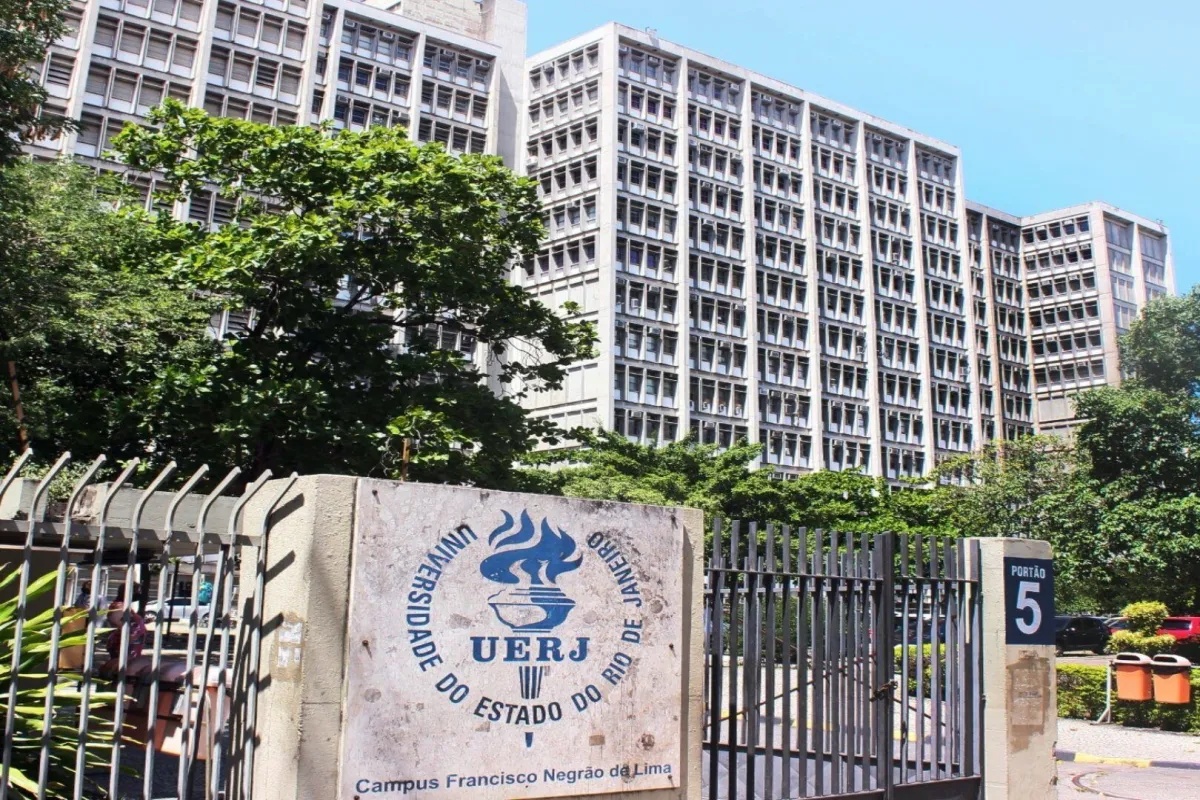
The State University of Rio de Janeiro (Uerj) confirmed the approval of the Renewable Energy Engineering course. It is the first in Brazil following the official recognition of the profession by resolution 1.076/2016 of Confea/Crea.
The decision was approved by the Higher Council of Education, Research, and Extension (Csepe).
This demonstrates the institution’s commitment to connecting technology, sustainability, and innovation.
In addition, it responds to the growing demand for specialists in the clean energy sector.
Course Aims to Meet Global Demand for Clean Energy
Currently, Brazil ranks as the third largest producer of renewable electricity in the world.
It trails only China and the United States, according to the International Energy Agency (IEA).
This scenario demands more professionals prepared to implement solutions that respect the environment.
They must also meet climate goals.
As highlighted by Professor Paulo Eduardo Darski Rocha of Uerj’s Electrical Engineering Department, initiatives to reduce greenhouse gas emissions are gaining momentum.
This makes it urgent to train engineers capable of planning plants and managing renewable generation systems.
Thus, the university will offer 40 annual spots starting in 2026, with semi-annual admissions.
Those approved in the State Entrance Exam will be able to enroll.
Classes will be held full-time at the Maracanã campus.
Expanding Job Market and Diverse Opportunities
According to the Vice-Rector for Undergraduate Studies, Antonio Soares, engineering plays a crucial role in the energy transition.
He emphasizes that advances like photovoltaic cells are essential for generating solar electricity.
This technology directly contributes to reducing carbon emissions.
Thus, future engineers trained by Uerj will have a solid technical foundation and social-environmental awareness.
Moreover, the IEA reported that global investments in clean energy reached US$ 2.2 trillion in 2024.
This amount surpassed funds allocated to oil, natural gas, and coal.
This context heats up the market, which currently employs about 1.56 million professionals in Brazil.
The data comes from a recent survey.
-
Embrapa’s discovery reveals an unexpected advancement by allowing the production of seedlings from the caatinga using brackish water, opening a new frontier for farmers to face drought more efficiently.
-
6 sources of free fertilizer that you are throwing away every day and can transform your garden without spending anything.

-
With a water crisis on the radar, Sabesp invests in reclaimed water for data centers and transforms sewage treatment into a solution that saves millions of liters and protects public supply.

-
Foresea achieves 100% offshore waste reuse in 2025, eliminates landfill disposal, and consolidates sustainable strategy with 1,500 tons recycled.

Interdisciplinary Curriculum Expands Professional Opportunities
The undergraduate program integrates disciplines of electrical, mechanical, environmental, and chemical engineering.
According to the Department of Sanitary Engineering and Environment (Desma) and the Electrical Engineering Department (ELE), both contributed to the curriculum design.
Students will have 10% of their course load dedicated to extension activities.
Thus, the professional will be able to size plants for hydropower, solar, wind, or biomass sources.
They will analyze historical river flow and solar radiation.
They will also design energy storage systems and connect them to the power grid.
All while considering economic viability, social impact, and environmental respect.
Training Aligned with Society and Technological Innovation
During the Csepe session, Vice-Rector Bruno Deusdará also emphasized the creation of new courses.
This strategy is part of Uerj’s plan to expand quality higher education, public and free.
For instance, in 2025, the institution launched a bachelor’s degree in Cinema and Audiovisual.
The course is therefore offered at the Faculty of Education in Baixada Fluminense (Febf), in Duque de Caxias.
This was created in direct response to regional demands.
Rocha, who coordinated the teaching nucleus of the new Renewable Energy Engineering course, also emphasizes the broad field of action.
It goes well beyond energy generation, thus opening new possibilities.
Therefore, graduates may engage in entrepreneurship, work in startups, and microgeneration and minigeneration of clean energy.
In addition, they may also work in the public sector, consulting, NGOs, research, technological innovation, and energy efficiency.
With this proposal, Uerj aims to train professionals who balance technical excellence, social responsibility, and environmental commitment.
These factors, therefore, are essential to face the climatic and energy challenges of the coming decades.





Seja o primeiro a reagir!