





 Portuguese
  English
  Spanish
  3 min of reading
  0 comments


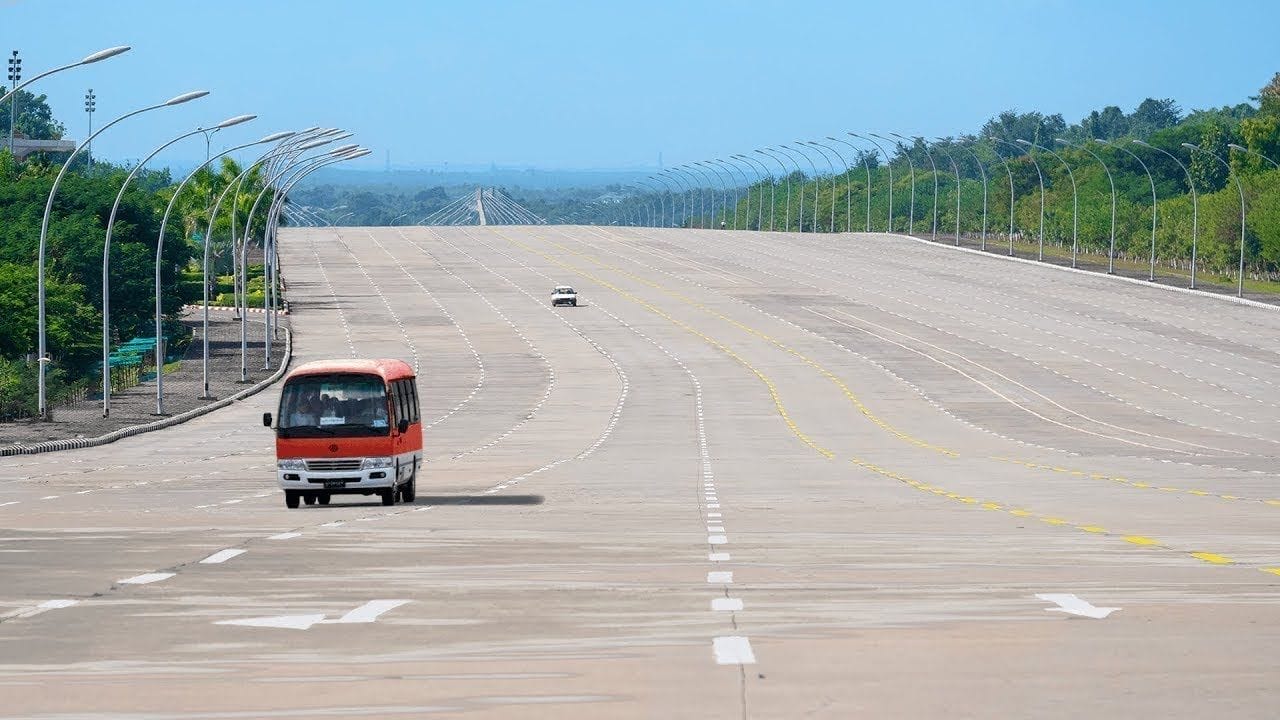
Naypyidaw Is An Intriguing Example Of How A Regime’s Ambition Can Materialize Into A Megaproject Of Impressive Magnitude, But At The Same Time Reveals The Disparities And Controversial Choices Of A Country Marked By Decades Of Internal Conflict And International Isolation.
In the Heart Of Southeast Asia, Myanmar, A Country Historically Known As Burma, Stands Out Not Only For Its Natural And Cultural Wealth But Also For Hosting The Most Controversial Urban Megaproject In The World: The Capital Naypyidaw. Conceived Amid A Reality Of Poverty And Political Instability, This “Ghost City” Represents A Paradox Of Grandeur And Isolation, Consuming An Investment Of US$ 4 Billion In Its Construction.
Naypyidaw: An Uncommon Megaproject


Built With The Intention Of Being The Political And Administrative Center Of Myanmar, Naypyidaw Spreads Over An Area Of Approximately 7,000 Km², Housing Only 1 Million Inhabitants. The City Is A Vivid Contrast To Shanghai, Which, Being A Bit Smaller In Size, Has A Population Of 26 Million. With Roads That Can Have Up To 20 Lanes, Parks, Gardens, Shopping Malls, Golf Courses, A Zoo, And Even The Uppatasanti Pagoda As Its Most Famous Landmark, Naypyidaw Looks More Like A Scene From A Post-Apocalyptic Movie Than A Vibrant Capital.
Naypyidaw Was Conceived By The Military Dictatorship That Renamed The Country From Burma To Myanmar, A Governance Marked By Violence And Repression Since The 1960s. The Start Of The Construction, Kept Secret By The Military Regime, Is Suggested By Satellite Images To Have Occurred In 2002, With The City Revealed To The World Three Years Later. With An Estimated Cost Of US$ 4 Billion, The Naypyidaw Megaproject Strays From The Economic Reality Of One Of The Poorest Countries In Asia, Where A Large Part Of The Population Lacks Access To Basic Education And Healthcare.
-
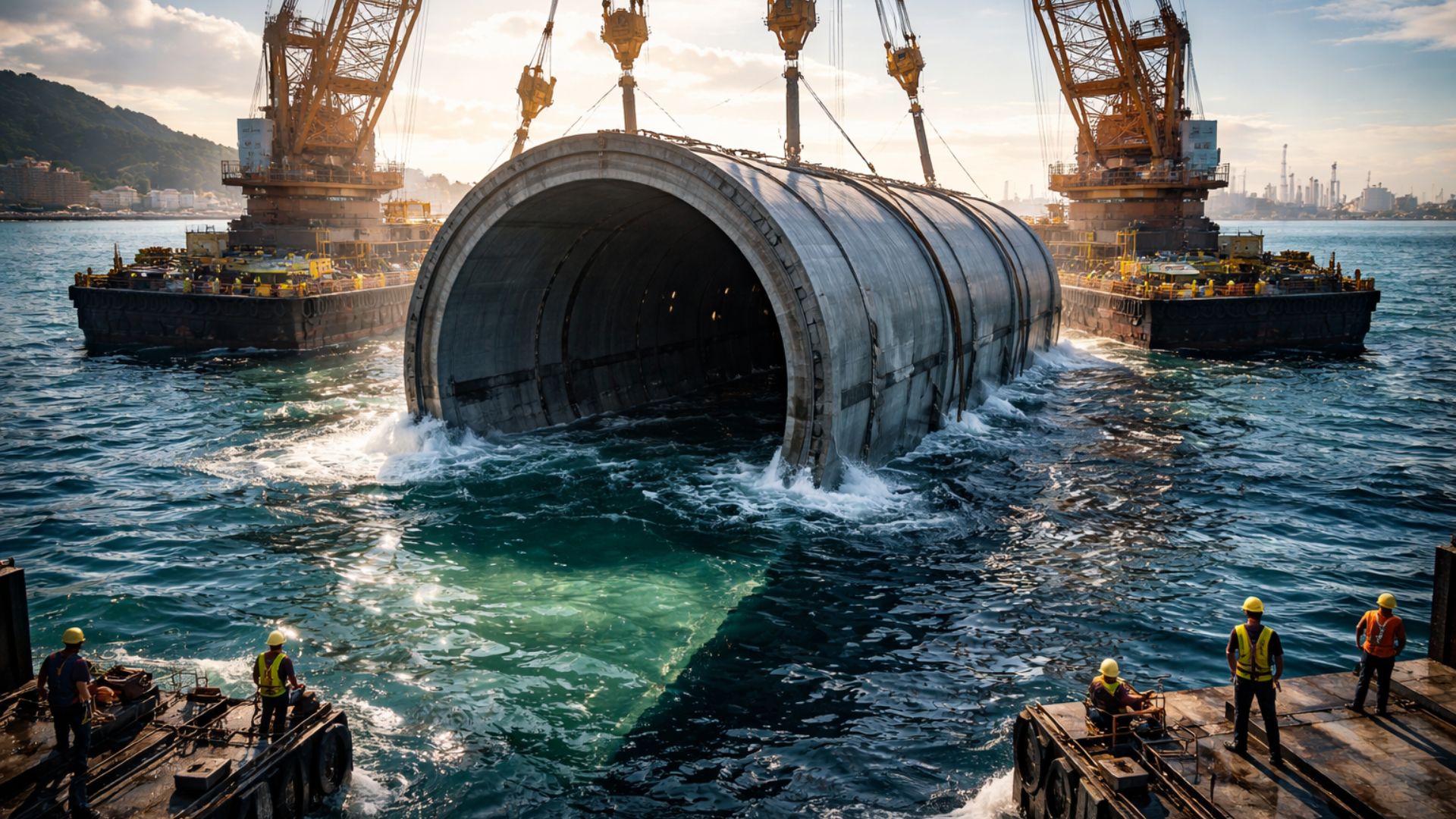
The government opens the vault and deposits R$ 2.6 billion for the construction of Brazil’s first underwater tunnel, with a length of 1.5 km, 870 m under the sea, a total project cost of R$ 6.8 billion, and a 30-year concession.
-
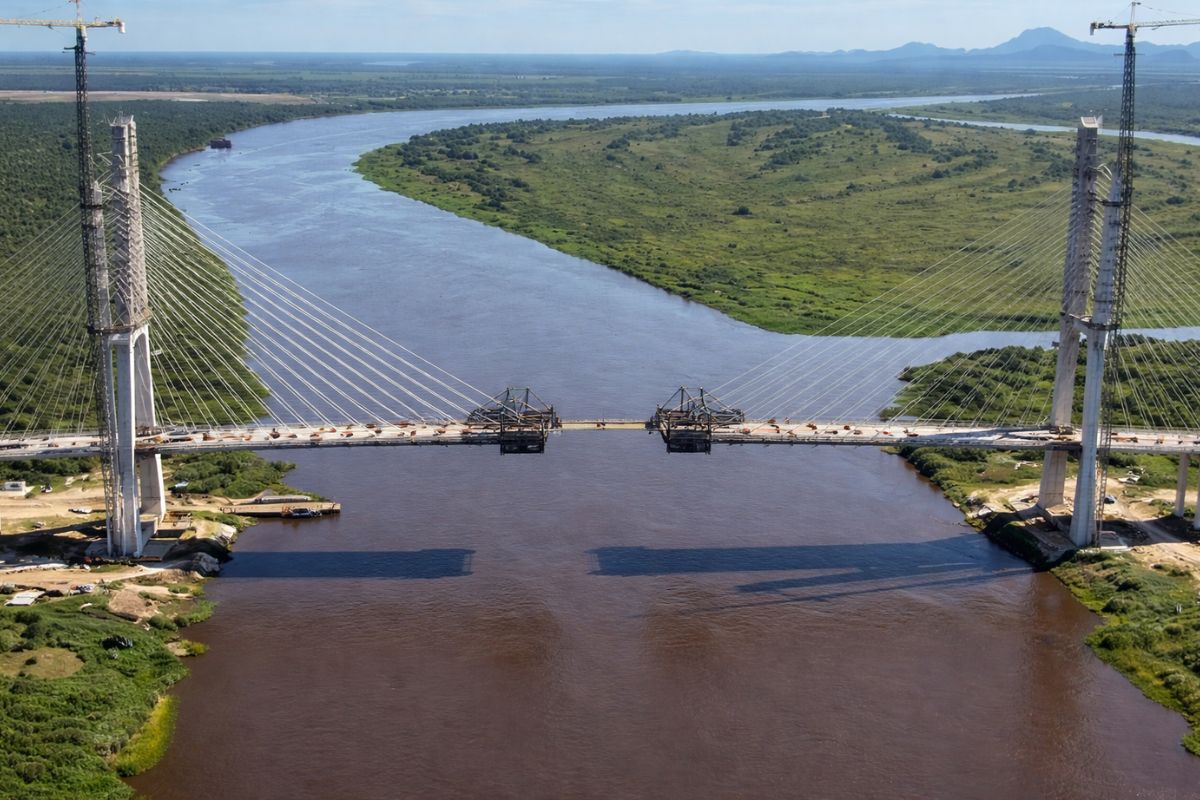
Only 46 meters remain for Brazil and Paraguay to connect via the Bioceanic Route bridge, the project that will link the Atlantic to the Pacific by land and change the logistical map of four countries in South America.
-
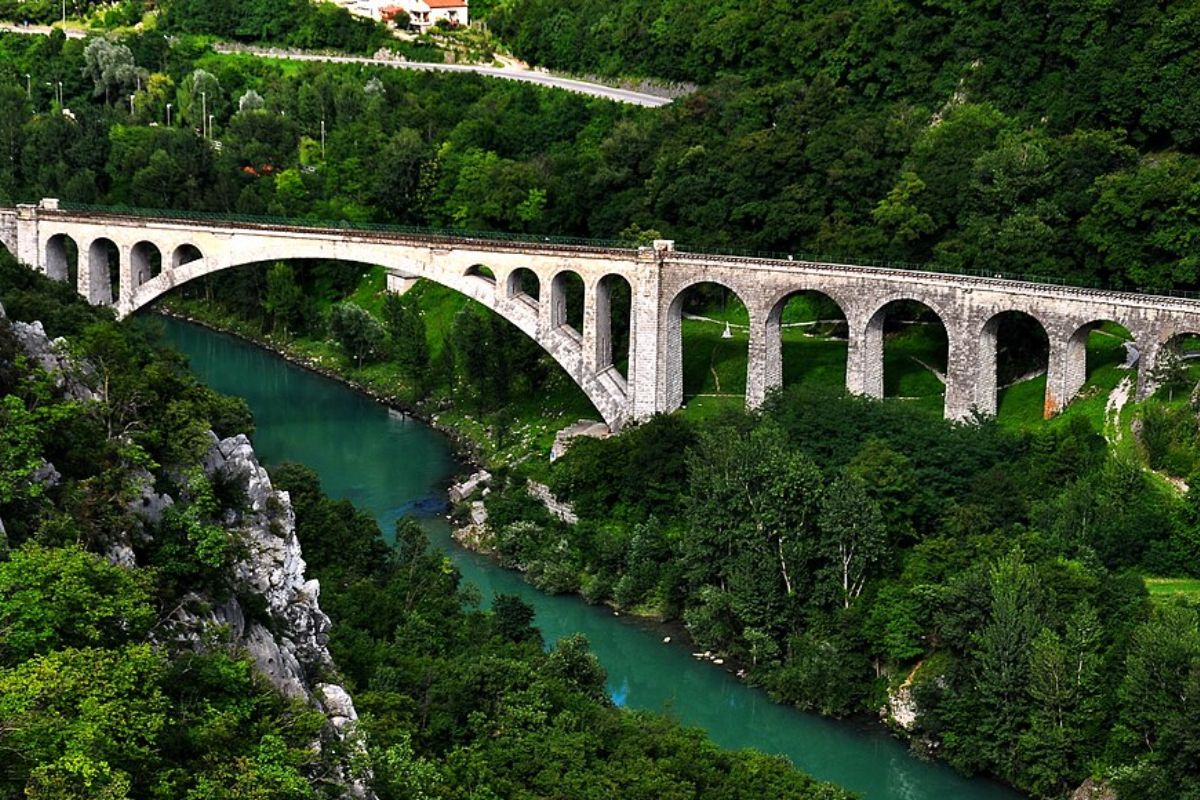
The bridge that holds the largest stone railway arch in the world: built over 100 years ago, destroyed in the war, and rebuilt to continue operating to this day, it still carries trains over the Soča River in Slovenia.
-
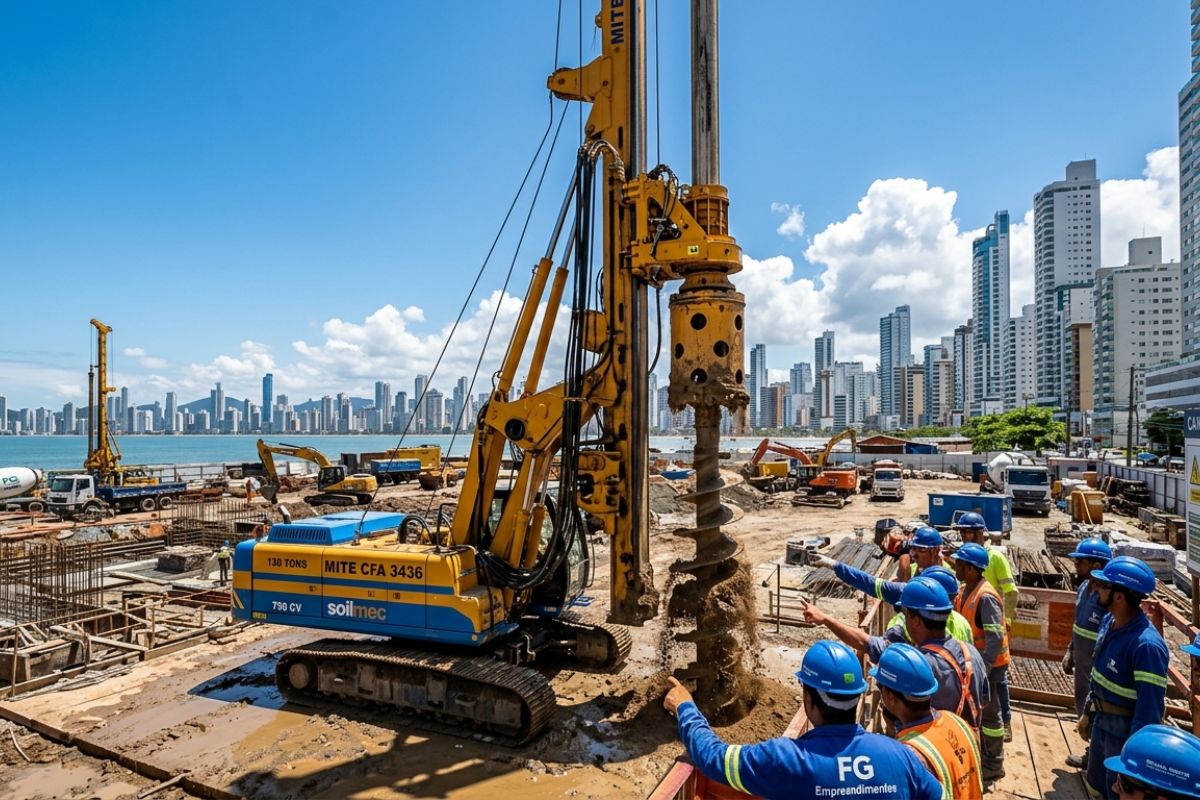
Italian giant of 130 tons arrives at the Senna Tower construction site and accelerates foundations: Mite CFA 3436 drills up to 50 m, 750 hp engine, investment of R$ 20 million, unique in Latin America.

An Disproportionate Structure
Naypyidaw Was Built To Be Grand In Every Sense, But Its Vastness Does Not Correspond To The Population Density. Wide Roads, Extravagant Government Buildings, And An Urban Planning That Confuses More Than It Guides Mark The Landscape Of The Capital. Curiously, The Streets Are Nearly Always Empty, Occupied Only By Workers Tasked With Keeping The City Impeccably Clean.
The Decision To Build Naypyidaw And Move The Capital From Yangon To This Remote Location Generated Several Speculations. Officially, The Justification Was That Yangon Was Overcrowded, But Analysts Suggest That The Military Regime Sought A More Protected Capital Less Susceptible To Popular Protests And External Attacks. The Configuration Of Naypyidaw, With Its Vast Military, Residential, And Government Zones, And The Possible Existence Of Underground Tunnels, Reinforces The Theory That The City Was Designed Also With Defensive Purposes.
An Isolated Capital
While Myanmar Faces Significant Political And Social Challenges, Naypyidaw Remains Distant, Both Geographically And Emotionally, From The Reality Of Most Myanmar Citizens. The City’s Megaproject Symbolizes The Disconnect Between The Military Regime And The Burmese People, Serving As A Physical Reminder Of Distorted Priorities And The Isolation Imposed By The Government. The US$ 4 Billion “Ghost City” Remains A Monument To Extravagance In A Country That Still Struggles For Stability And Prosperity.








-

Uma pessoa reagiu a isso.