






 Portuguese
  Spanish


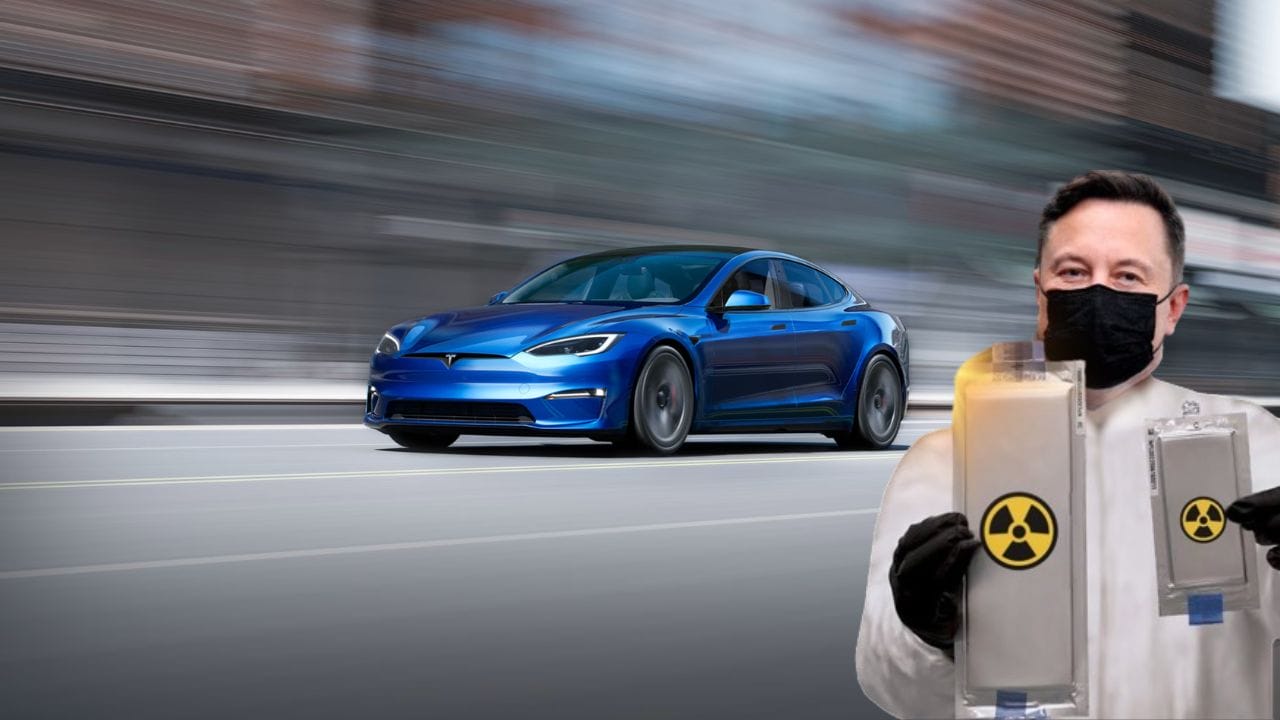

Elon Musk, The Pioneer Behind Tesla, Shifts Focus From Solar Energy To Endorse Nuclear Energy As The New Driving Force For Electric Cars. During A Recent Event, Musk Highlighted The Potential Of Nuclear Energy To Meet Future Energy Needs Sustainably, Proposing The Construction Of New Nuclear Reactors And The Reactivation Of Decommissioned Ones.
In A Surprising Turn, Elon Musk, The Visionary Behind Tesla And SpaceX, Shifted His Focus From Solar Energy, Long Championed As The Backbone Of Electric Cars, To Propose A New Direction: Nuclear Energy. During The “B Word” Event Organized By The Crypto Council For Innovation, Musk Highlighted The Underutilized Potential Of Nuclear Energy, Arguing That, With New Developments, It Can Transform The Reality Of Electric Cars And Provide A More Sustainable And Efficient Solution For Growing Energy Demands.
From Solar Energy To Nuclear Energy

Elon Musk Advocated For Nuclear Energy As A Clean Source, Highlighting That, Unlike Older Power Plants, Modern Ones Are Designed With High Safety Standards. According To Musk, Nuclear Energy Is Capable Of Providing Continuous Power Without The Greenhouse Gas Emissions Associated With Conventional Sources Like Coal And Natural Gas.
Musk Clarified That The Bet Is On Nuclear Fission, A Process That, While Less Talked About Than Fusion, Is Currently More Viable And Safe With Today’s Technology. Fission, The Process Used In Traditional Nuclear Reactors, Splits Atoms To Release Energy, While Fusion Combines Atoms In A Process That Mimics The Sun, But Still Faces Significant Challenges To Become Commercially Viable.
-
Turbocharged Engines with Direct Injection: Why High-Performance Engines Over 130 HP/Liter and Turbines at 200,000 RPM Challenge Durability

-
Chevrolet’s Parent Company to Invest Billions in Brazil to Modernize Factories, Update Cars, and Accelerate Hybrid Launch by 2028

-
Practical Driving Tests in Brazil Surge by 23.5%, Exceeding 2.2 Million by 2026, as New Rules Make the Process Cheaper and Simpler
-
Brazil’s Lula Government Allocates $463 Million Quota for Electric Car Parts, Waives Import Tax Until December, Sparking Competition Among BYD, Automakers, and Unions as Consumers Question Impact on Prices and Local Industry


Modular Nuclear Reactors
A Crucial Part Of Musk’s Vision Is The Implementation Of Small Modular Reactors (SMRs), Which Promise A Revolution In Energy Generation. With A Capacity Of Up To 300 MW, SMRs Offer A More Flexible And Cost-Effective Alternative To Traditional Nuclear Reactors, Capable Of Being Prefabricated And Installed In Various Locations, Including Rural Areas Or To Support Isolated Industries And Communities.
Nuclear Energy And Sustainability
Musk And Other Industry Leaders See Nuclear Energy As A Key Component To Achieving A Sustainable Energy Transition. By Combining Nuclear Energy With Renewable Sources, It Is Possible To Create Hybrid Systems That Offer A Reliable And Low-Carbon Solution To Meet The Growing Demand For Clean Energy. This Approach Can Play A Vital Role In Achieving The UN Sustainable Development Goals, Especially Regarding Universal Access To Electricity.
The Future Of Electric Cars
Musk’s Shift In Focus To Nuclear Energy May Have Profound Implications For The Electric Car Industry. By Exploring The Potential Of SMRs, Tesla And Other Companies Can Ensure A More Efficient And Reliable Energy Source To Power Their Vehicles, Paving The Way For A New Era In Electric Mobility.


