





 Portuguese
  English
  Spanish
  4 min of reading
  0 comments


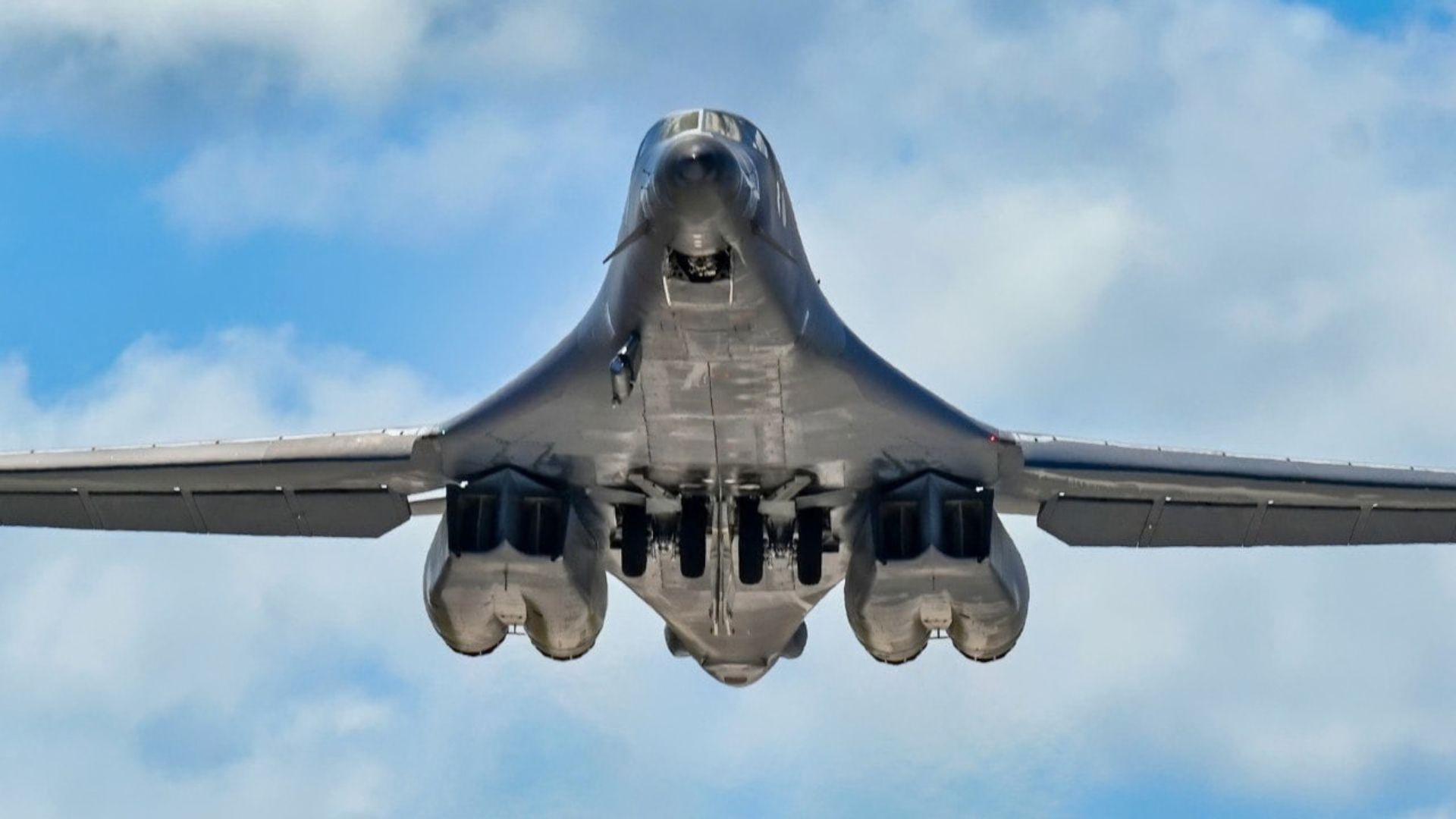
B-1 Strategic Bombers Enter American Offensive Against Iran After Initial Air Campaign Attacks. Long-Duration Missions, Large Payload Capacity, and Focus on Command Centers and Missile Infrastructure Increase Military Pressure While Numbers Indicate Significant Decline in Iranian Launches.
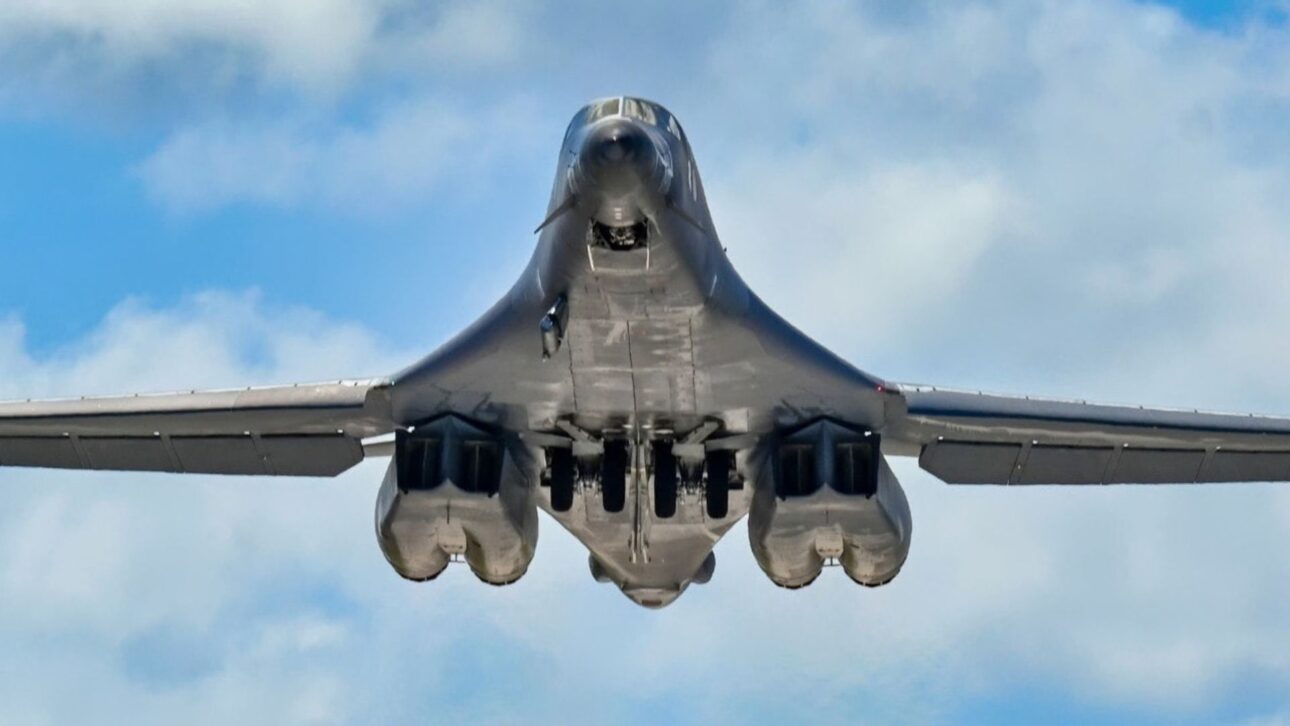
The B-1B Lancer bombers have taken on a central role in the United States’ offensive against Iran, in the early days of March 2026.
Long-range missions have been primarily directed at ballistic missile infrastructure and command and control centers.
Data released by U.S. military authorities indicate that the campaign struck over 1,250 targets in the first 48 hours, while the volume of Iranian ballistic missile launches fell 86% compared to the first day of the conflict.
-
Won R$ 72 million in the British lottery, but lost it all for not claiming: October ticket in Bexley was forgotten, the 180-day deadline passed, and the fortune will fund local community projects in London.

-
Mixing vinegar with detergent in a blender has become the most talked-about cleaning trick on the internet because it solves a problem that everyone has in the kitchen in seconds and uses only two ingredients that you already have at home.

-
The largest fortress on the planet is located in a city with 10 km star-shaped walls, 300 hectares protected, an aqueduct with 843 arches and 7 km long, strategic forts, and a UNESCO title that intrigues specialists.

-
USS Gerald R. Ford: the floating city of $13 billion where 5,000 sailors serve 17,000 meals a day, sleep in stacked bunks, take 10-liter showers, and keep 75 fighter jets ready.

Role of B-1 Bombers in the Air Campaign
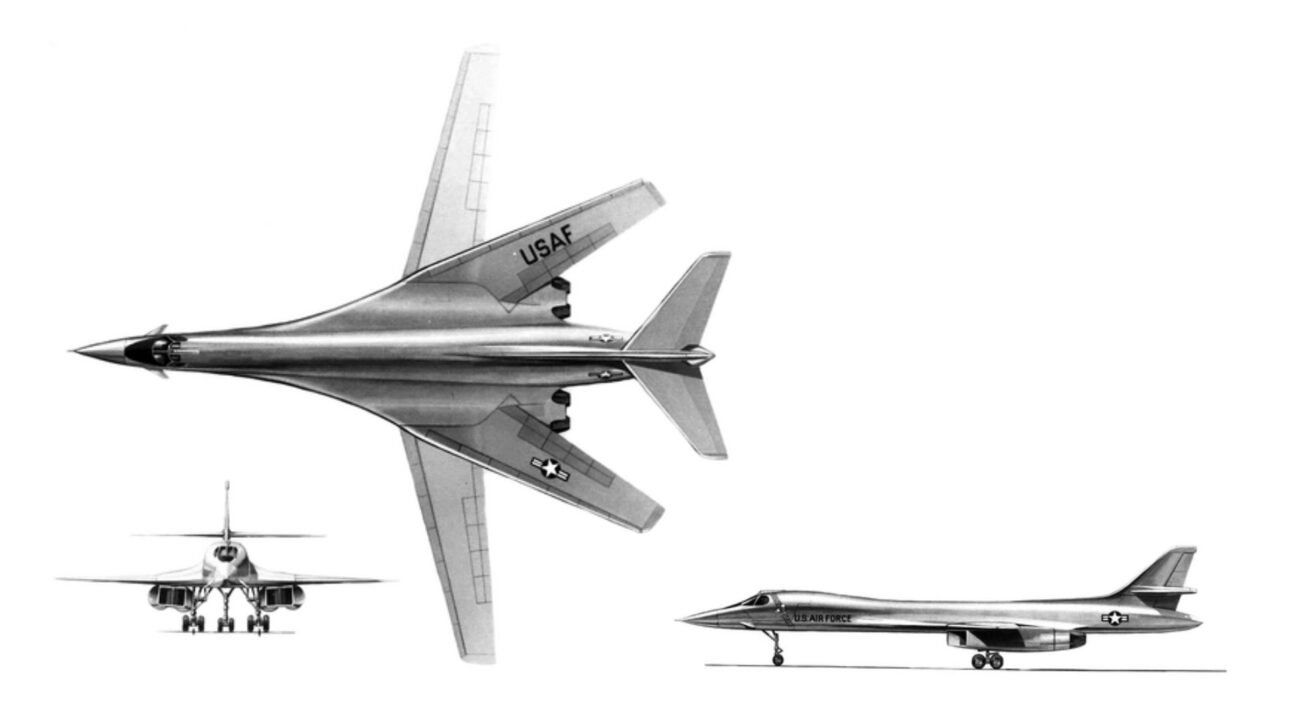
The B-1s’ deployment followed the initial phase of the operation, when the United States turned to means with greater penetration capability to target sensitive sites in Iranian territory.
In the next stage, the Lancers were employed as large payload platforms to increase the tempo of attacks, focusing on launchers, installations associated with the missile chain, and structures used to coordinate military operations.
In a briefing at the Pentagon on March 4, General Dan Caine stated that the campaign “will continue”, signaling that Washington did not view the bombings as a one-off action.
Payload Capacity and Range of the B-1B Lancer
The United States Air Force reports that the B-1B can carry up to 75,000 pounds of weapons, equivalent to about 34 tons.
In theory, three aircraft of this model can exceed a combined 100 tons of munitions, although the effective payload for each mission depends on the target profile, distance flown, refueling in flight, and the type of weaponry used.
For this reason, the estimate of up to 100 tons corresponds to the maximum potential of the platform, not necessarily the volume confirmed in a single specific mission.
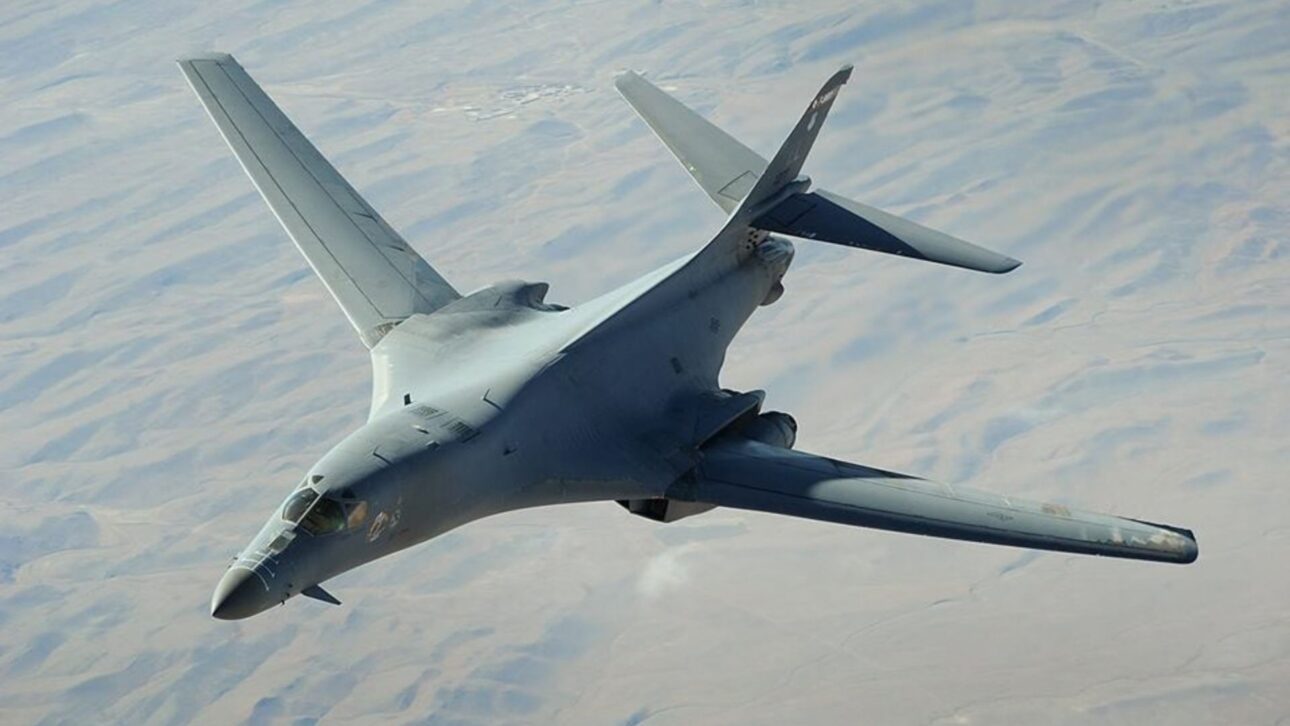
Military reports also indicate the conduct of round trip missions from the continental United States, reinforcing the long-duration flight nature attributed to the operation.
Military Strategy Focused on C2 Centers and Missile Bases
The use of the B-1 follows the traditional operational logic of the aircraft.
Although it is not a stealth bomber like the B-2, the model combines high speed, great range, and enormous capacity to carry conventional armaments.
This set of characteristics allows the aircraft to be used to increase the intensity of the air campaign after part of the enemy defenses have been degraded.
In practice, the attacks focused on two types of targets deemed critical to Iran’s military structure.
The first group involves command and control centers, known as C2, structures responsible for coordinating military communications and issuing operational orders.
The second includes bases, launchers, and installations connected to the country’s ballistic missile program.
By simultaneously targeting these two structures, the strategy aims to reduce Iran’s ability to coordinate attacks, redistribute military resources, and maintain sustained offensive operations.
Decline in Iranian Missile and Drone Launches
The initial effects appeared quickly in the numbers released by American authorities.
According to General Dan Caine, Iranian ballistic missile launches fell 86% compared to the first day of the war.
Additionally, there was a further 23% reduction in the 24 hours prior to the military briefing held on March 4.
During the same period, the use of one-way attack drones by Iran fell 73%, signaling pressure on the coordination capacity and on the available stocks for this type of operation.
UK Repositioning and Logistical Impact


Another relevant point of the air campaign was the shift in the UK’s position regarding the use of military bases in the United Kingdom.
After initial resistance, Prime Minister Keir Starmer’s government authorized operations classified as defensive from the airbase at RAF Fairford, in addition to the British territory of Diego Garcia, in the Indian Ocean.
On March 7, four B-1 bombers landed in Fairford, a movement interpreted by military analysts as preparation to increase the pace of air operations.
With aircraft positioned closer to the conflict region, the United States gains greater flexibility to rearm, refuel, and relaunch bombers at shorter intervals.
Intensification of Military Pressure on Iran
This repositioning could alter the pace of the air campaign.
The presence of strategic bombers at British bases reduces the need for extremely long flights from American territory and allows greater frequency of attacks against Iranian military infrastructure.
American officials describe the campaign as a layered operation, in which different types of bombers and aircraft are employed in successive stages to weaken enemy defenses.
In the first days of the war, the offensive focused on targets deemed essential for Iran’s ability to launch and coordinate missile and drone attacks.
The numbers released up to March 10 indicate a significant reduction in Iranian offensive activity, although U.S. military officials assert that the country continues to carry out limited attacks and maintains retaliatory capabilities.







-

-

2 pessoas reagiram a isso.