





 Portuguese
  English
  Spanish
  3 min of reading
  1 comment


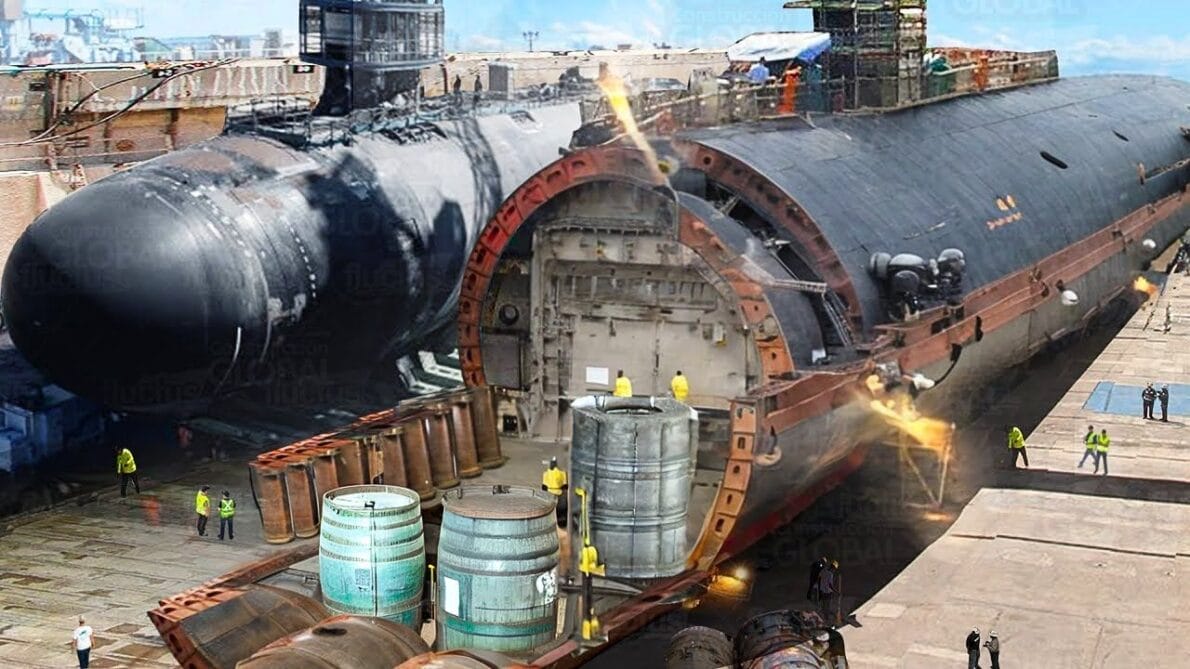

The U.S. Navy Conducts a Pioneering and Detailed Operation to Dismantle Nuclear Submarines, Transforming Military Technology into Recyclable Materials Efficiently and Environmentally Responsibly.
The U.S. Navy, known for its submarine fleet, conducts complex operations to keep these vessels in service for several decades. However, there comes a time when these nuclear submarines must be removed from service, raising the question of how to dispose of them safely and efficiently. Recently, the United Kingdom has stood out in this field by attempting to dismantle and recycle a nuclear submarine, an unprecedented feat in the shipbuilding industry.
The process of dismantling a nuclear submarine is a meticulous and complex operation that involves several steps and great dedication. Since the 1860s, with the introduction of the Alligator-class submersible, the U.S. Navy has faced the challenge of maximizing the value and effectiveness of its submarines, even after the end of their service life.
Recycling Nuclear Submarines Begins with Their Official Decommissioning
The recycling of nuclear submarines begins with their official decommissioning. The crew says goodbye to the vessel for the last time, marking the end of an era. This submarine, which may have served for over 30 years, is then transferred to a dry dock, where the dismantling process begins. The dry dock is an artificial channel that can be flooded to allow the submarine’s entry, and is later drained for total access to the ship’s hull.
-
With 74% of companies facing difficulties in hiring, technicians and engineers in renewable energy are becoming scarce in Brazil and are essential to support the expansion of solar, wind, and green hydrogen projects.

-
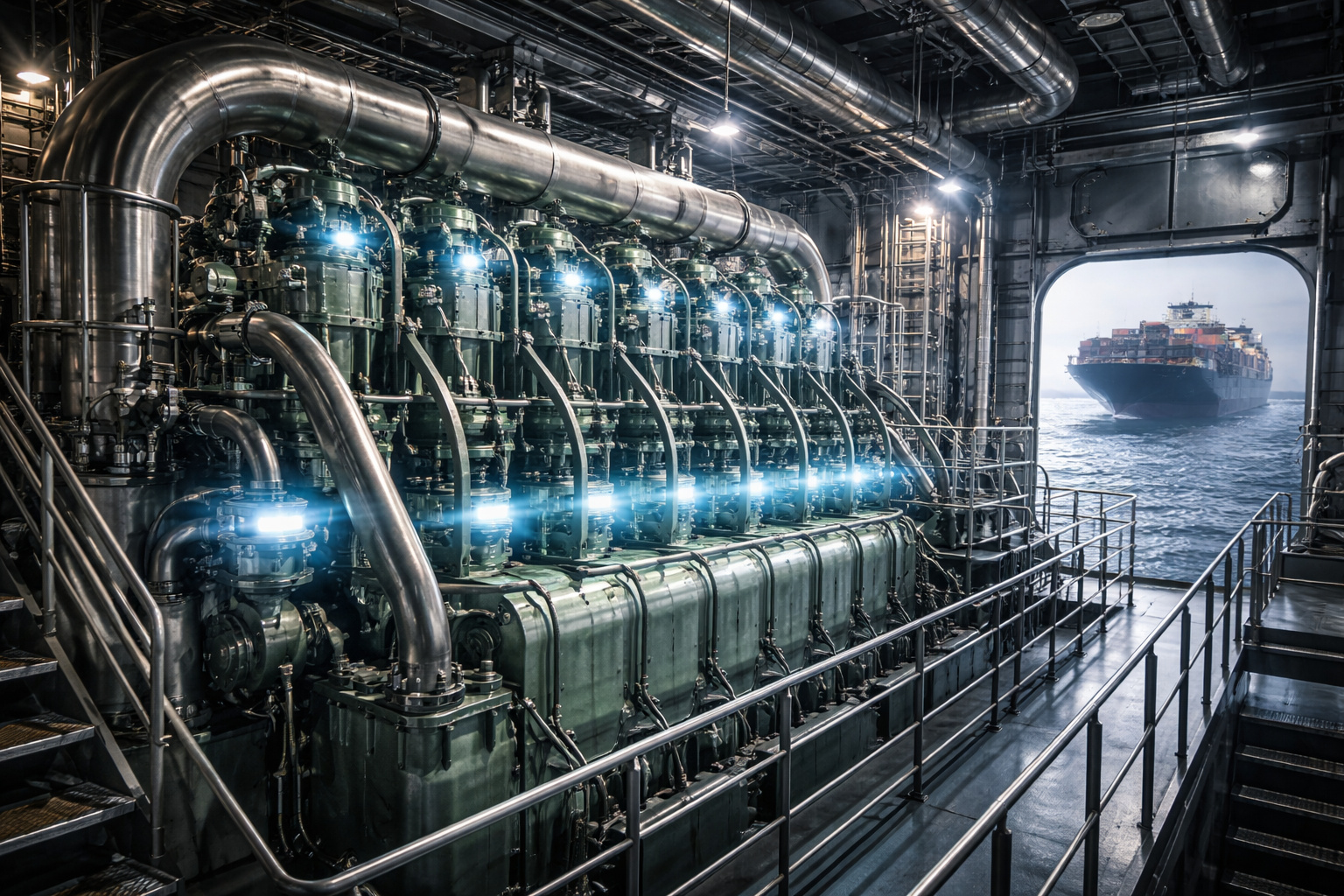
Europe is trying to create an ammonia-powered marine engine without auxiliary fuel, which could unlock the race for giant emission-free ships. The technology aims to eliminate one of the biggest obstacles to clean maritime propulsion.
-
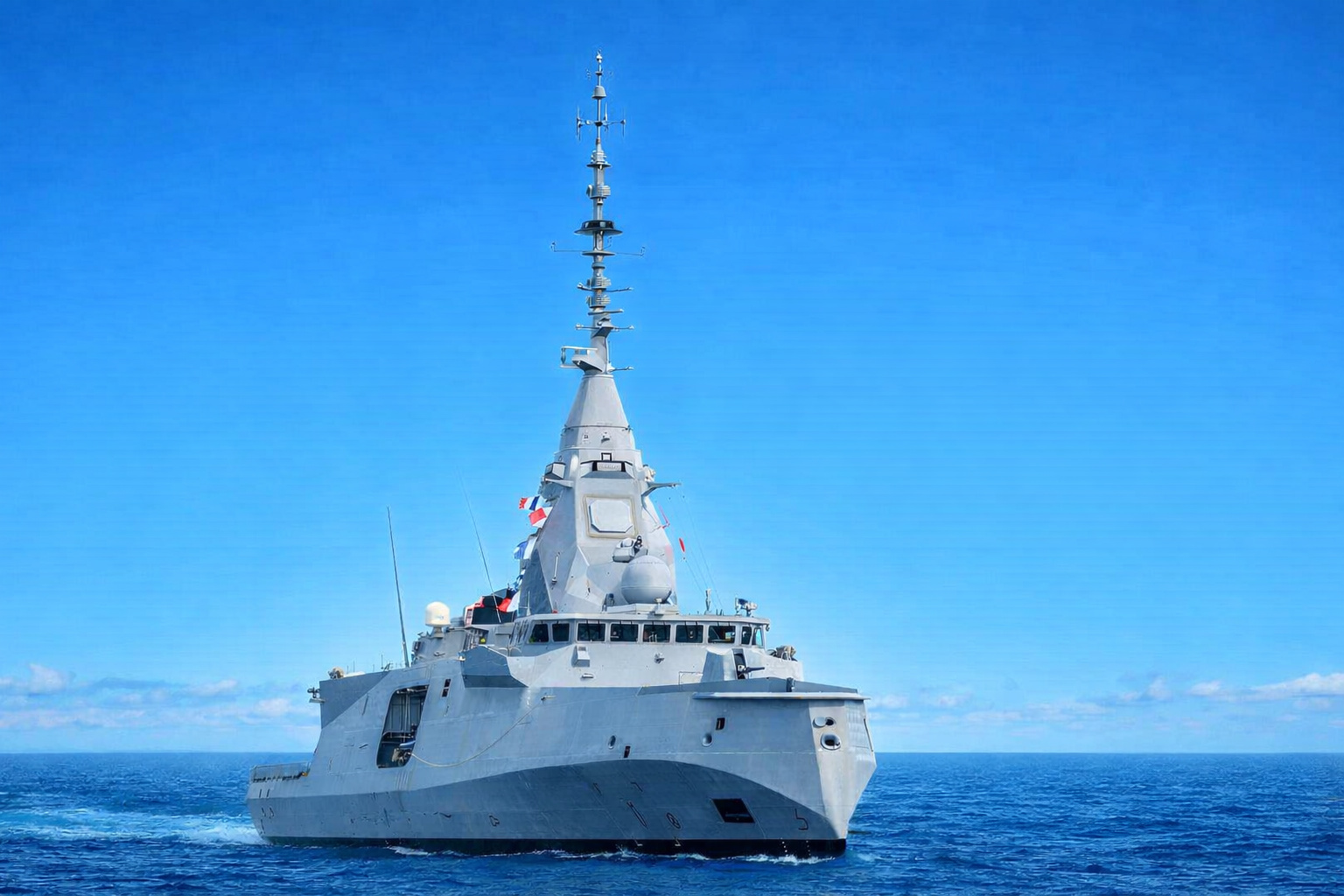
A 4,500-ton frigate with just over 100 crew members, state-of-the-art radar, and cruise missiles is being touted as the new standard of naval warfare in the 21st century.
-
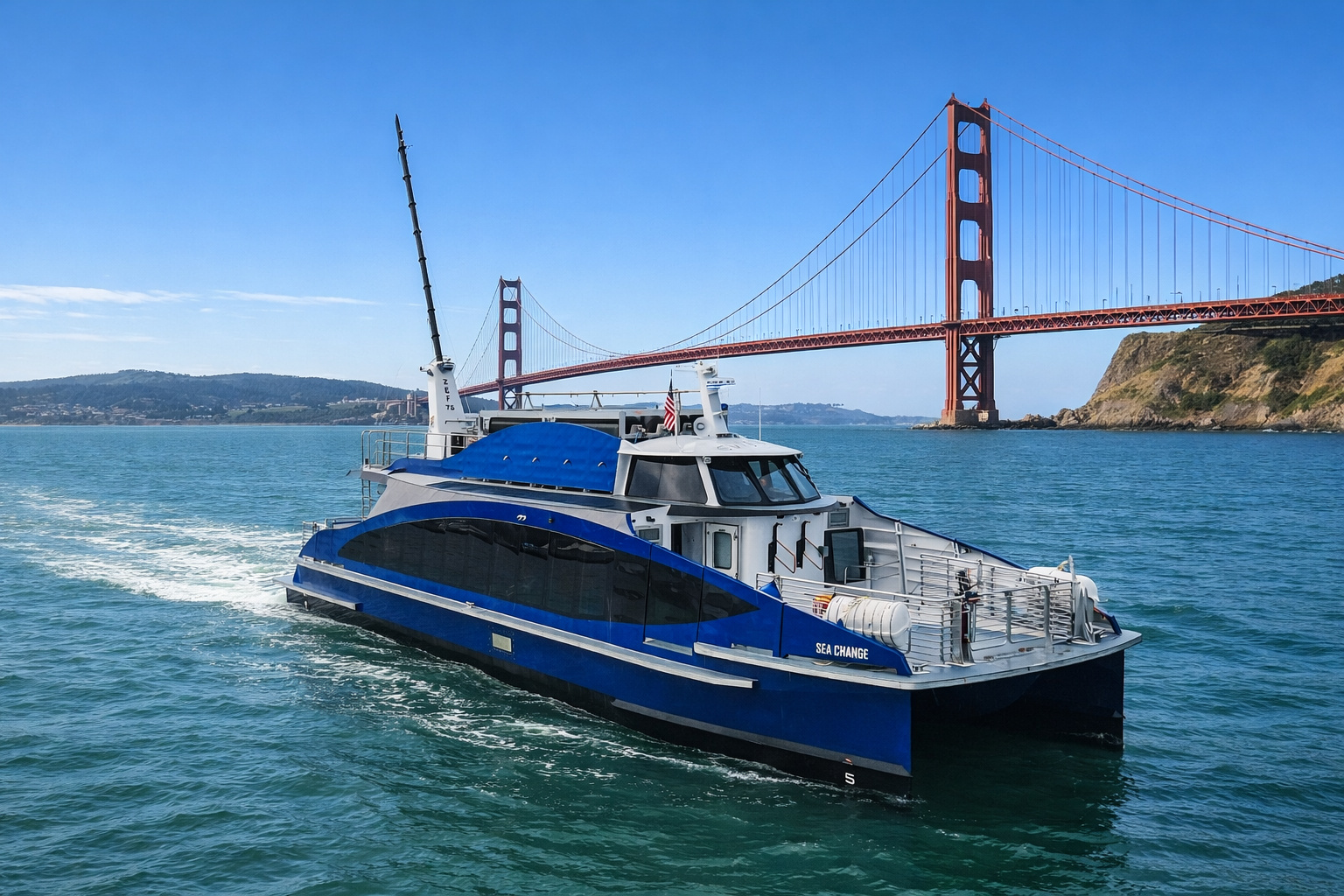
The first commercial hydrogen-powered ferry enters operation in the U.S., eliminates the use of diesel, uses fuel cells to generate clean energy on board, and transforms San Francisco Bay into a landmark of the new era of emission-free navigation.

The first step is the removal of valuable components and any potentially hazardous elements. This dismantling includes cutting the submarine’s hull into large sections, facilitating access to the interior. All reusable equipment is removed, followed by the withdrawal of nuclear fuel and the reactor, ensuring that the submarine is safe for long-term storage.
In the United States, the Disposal and Recycling of Nuclear Submarines Involves Seven Main Steps
This process can last several years, reflecting a commitment to safety, efficiency, and environmental responsibility. In the United States, the disposal and recycling of nuclear submarines involve seven main steps, starting with dismantling and ending with the recycling of materials. A notable example is the USS James K. Polk, which served from 1966 to 1999, being dismantled and recycled after more than three decades of service.
In addition to dismantling, some submarines are transformed into artificial reefs or used in military training programs. For example, the USS Oriskany was sunk in the Gulf of Mexico to create a marine habitat, demonstrating a sustainable alternative for decommissioned submarines.
The United Kingdom Has Been Dedicated to Finding Innovative Methods for Dismantling
The United Kingdom has been dedicated to finding innovative methods for dismantling nuclear submarines. In 2026, there are plans to achieve a historic milestone by completely dismantling a nuclear submarine, a pioneering initiative that combines safety and innovation in the shipbuilding industry.
The operation of dismantling nuclear submarines is a testament to the global commitment to efficiency, safety, and environmental responsibility. Even after the end of their service life, these vessels can have a positive impact, contributing to sustainability and the recycling of valuable materials. The process is a testament to the ability to transform military technology into everyday objects, showing that even a retired submarine can continue to serve meaningfully.








DEPOIS VÃO JOGAR O MATERIAL RADIOATIVO NAS COSTAS DA ÁFRICA, POLO SUL E LOCAIS REMOTOS DO PLANETA! IGUAL FIZERAM COM O CORPO DE BIN LADEN? TALVEZ SEJA NAS PROXIMIDADES!