





 Portuguese
  English
  Spanish
  4 min of reading
  1 comment


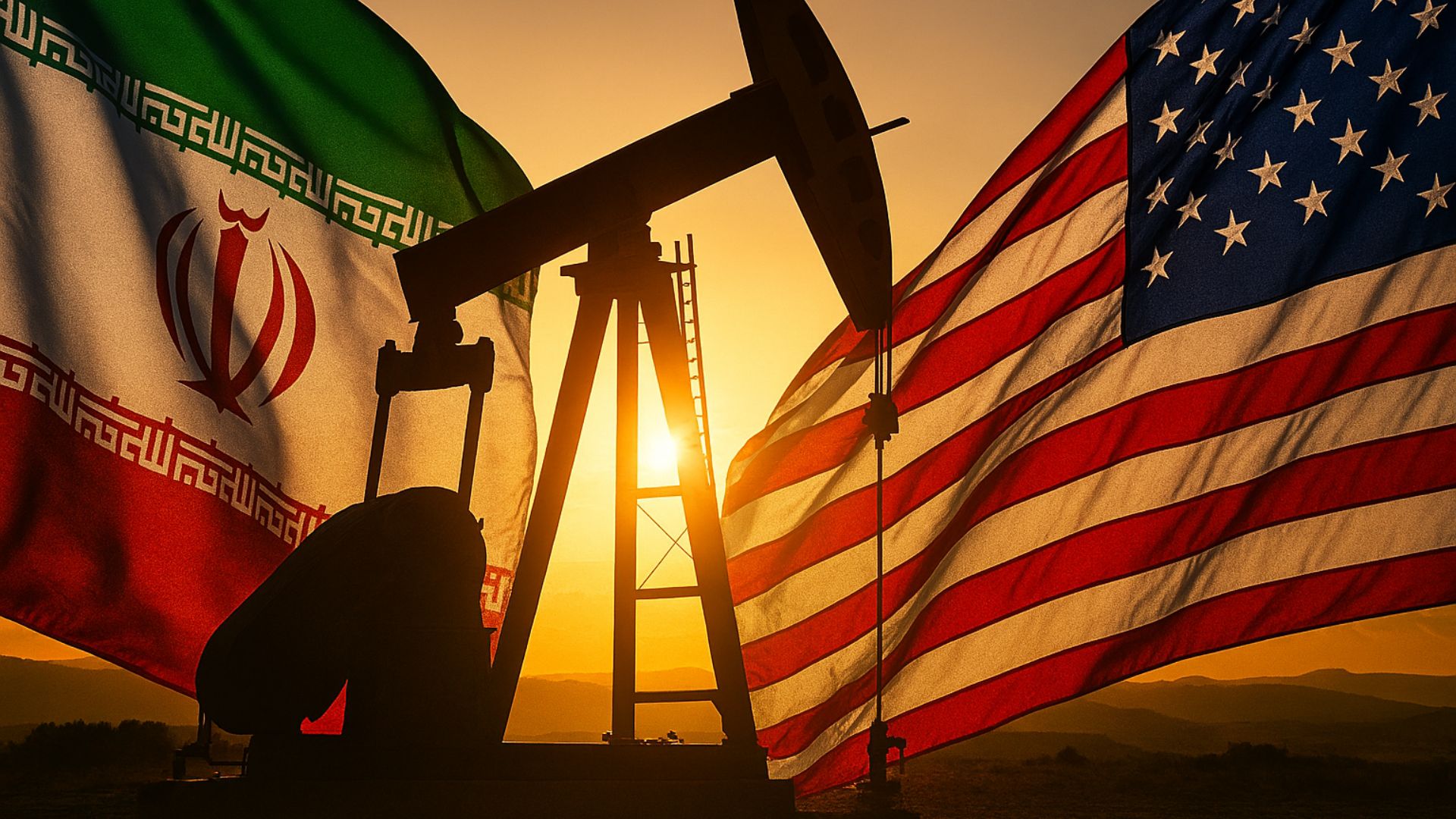


The US Extends Economic Pressure on Iran with New Sanctions Targeting the Oil Sector, Affecting Vessels and Global Energy Export Networks
On October 9, 2025, the government of the United States announced a new round of sanctions against the energy sector of Iran, focusing on vessels, companies, and oil export networks on a global scale.
The measure, reported in an article by the Jornal de Brasília, aims to dismantle a complex structure for transporting and marketing Iranian energy products, which involves hundreds of millions of dollars and finances activities deemed destabilizing by the White House.
The Escalation of US Sanctions and Their International Reflections
The new US sanctions against Iranian oil mark a new chapter in economic pressure on Tehran. The action involves around 50 targets, including individuals, companies, and vessels, reflecting the intensification of the “maximum pressure” policy adopted by the administration of President Donald Trump.
-
A study confirms that the natural gas sector will reduce greenhouse gas emissions in Brazil by 0.5% and accelerate the energy transition by 2026.

-
Petrobras implements a severe adjustment and confirms a 55% increase in the price of aviation kerosene with a proposal for installment payments for the companies.
-
The rise in oil prices could ensure an extra revenue of R$ 100 billion for the Federal Government, indicates a recent economic study.

-
Naturgy begins an investment of R$ 1.6 million to expand the gas network in Niterói and benefit thousands of new residences and businesses.

According to the official statement, the goal is to drastically reduce the flow of revenue that supports the Iranian regime and its connections to groups considered terrorists by the United States.
Main Targets of US Sanctions: Vessels and Asian Companies
The Iranian “Ghost Fleet” Under Siege
Among the main targets are about 20 vessels linked to the so-called “ghost fleet” of Iran, which operates under flags of countries such as Panama, Palau, Gambia, and Comoros. These vessels are accused of using deceptive navigation practices to transport crude oil from Iran to independent refineries in Asia.
Companies in China, India, and the United Arab Emirates
In addition to the vessels, the new sanctions target companies based in China, India, and the United Arab Emirates. One of the highlights is the Guangsha Zhoushan Energy Group, a Chinese terminal operator that is said to have received at least eight shipments of Iranian oil in recent years. Companies managing ships and “teapot” refineries, such as Luqing Petrochemical, located in Shandong province, China, have also been sanctioned.
US Strategy to Dismantle Iranian Oil Exports
The sanctions entail freezing assets and prohibiting transactions with American entities. This means that affected companies and individuals will not be able to access assets in the United States or conduct business with American citizens or companies. According to the Treasury Department, these measures aim to disrupt the illicit funding of Iran’s “malign activities” and prevent the advancement of its nuclear program.
Fourth Round of Sanctions Against Independent Refineries
This is the fourth round of sanctions targeting independent refineries based in China. Treasury Secretary Scott Bessent stated that the action seeks to weaken the flow of revenue by dismantling the key components of Iran’s energy export structure.
Pressure on the Supply Chain of Iranian Oil
The State Department emphasized that the US is committed to aggressively implementing sanctions against the entire supply chain of Iranian oil. This includes everything from extraction to transportation and international marketing.
Data and Statistics on Iranian Oil Trade
According to data from the International Energy Agency (IEA), Iran exported about 1.5 million barrels of oil per day in 2024, with China being the main destination. It is estimated that over 80% of these exports are carried out by vessels that operate outside international transparency standards.
Furthermore, studies by the Center for Strategic and International Studies (CSIS) indicate that energy trade accounts for over 40% of the Iranian government’s revenue. Therefore, any interruption in this flow represents a significant blow to the country’s economy.
International Reactions to the New US Sanctions
China and India: Between Criticism and Adaptation
China, the main buyer of Iranian oil, criticized the sanctions, claiming they violate principles of free trade and national sovereignty. India, for its part, has sought to diversify its energy sources to reduce dependence on Iran, but still maintains trade relations with Tehran.
Cautious Support from Western Allies
European countries traditionally support measures aimed at curbing the financing of terrorist activities, although they have not officially commented on this specific round of sanctions.
Consequences for the Global Oil Market
The sanctions may lead to an increase in oil prices and instability in supply. Bloomberg analysts indicate that the blockade of vessels and companies involved in Iranian exports could reduce the global supply of barrels, pushing prices up.
In October 2025, the Brent barrel was already recording a 3.2% increase following the announcement of the sanctions. Additionally, there are concerns about the impact on maritime routes and the energy security of Asian countries that depend on Iranian oil.

Geopolitical Implications and Future Prospects
The announcement of new US sanctions against Iranian oil represents a significant escalation in American foreign policy. By targeting vessels, companies, and energy export networks of Iran, the United States seeks to weaken the economic base of the Iranian regime and limit its geopolitical influence.
Although the immediate effects are felt in the energy market and in international trade relations, the long-term implications involve issues of security, diplomacy, and regional stability. The international community is closely monitoring developments, while Iran pledges resistance and seeks alternatives to maintain its presence in the global market.
In summary, the sanctions reflect the strategic use of the economy as a tool of foreign policy, with impacts that extend far beyond the borders of the countries involved. The continuation of this policy will depend on the United States‘ ability to maintain international support and Iran’s response to the imposed restrictions.






Great article, thank you for sharing these insights! I’ve tested many methods for building backlinks, and what really worked for me was using AI-powered automation. With us, we can scale link building in a safe and efficient way. It’s amazing to see how much time this saves compared to manual outreach.