





 Portuguese
  English
  Spanish
  4 min of reading
  1 comment


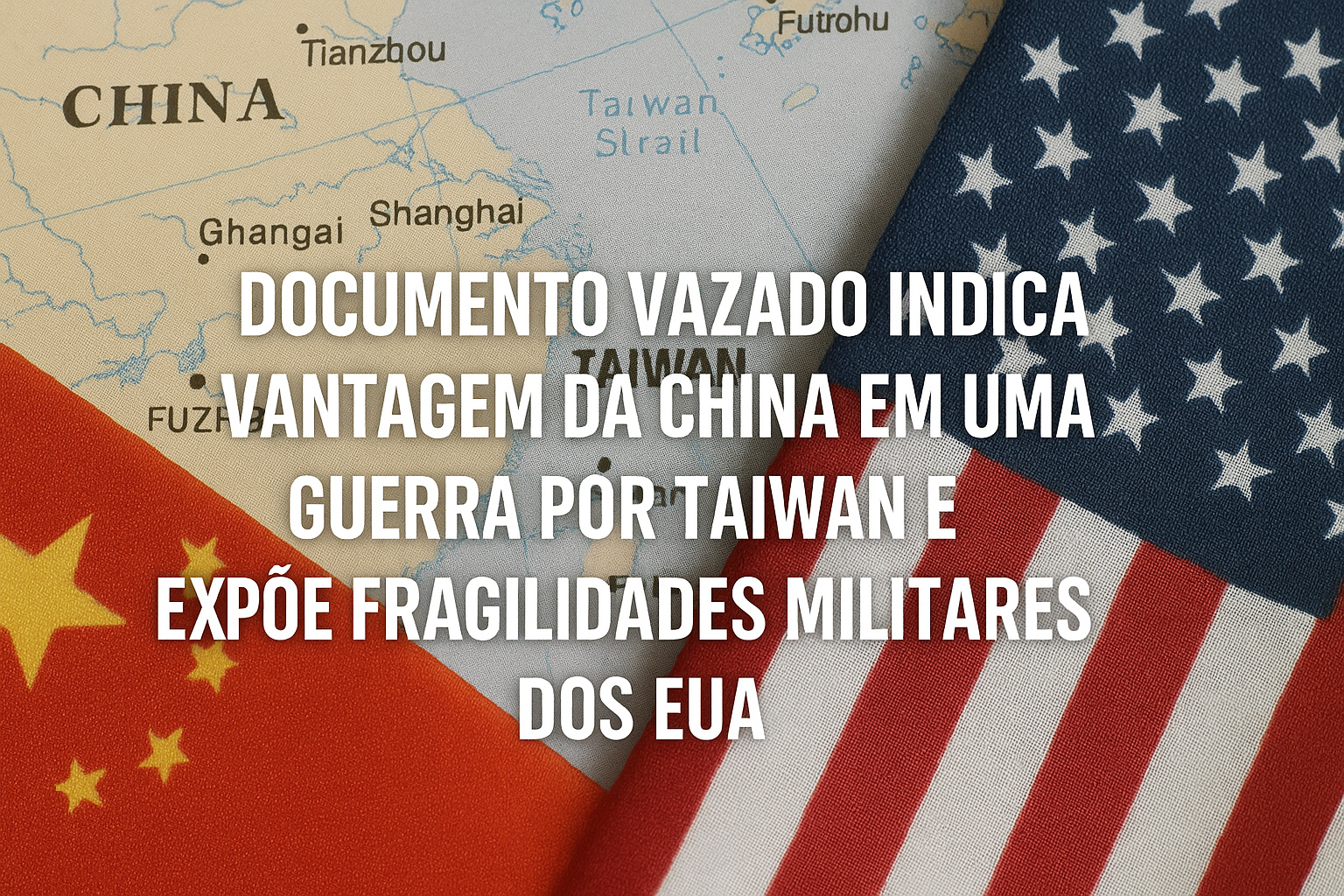


Leaked Document Indicates China’s Advantage in a War Over Taiwan and Exposes U.S. Military Weaknesses.
A leaked confidential document has reignited the global debate on Geopolitics by suggesting who would have the advantage in a potential war between U.S. and China over Taiwan.
The report, which is circulating among military analysts, indicates that Beijing would have the upper hand in a large-scale conflict, primarily due to its investments in cheaper armaments, mass production, and efficient logistics, while Washington remains focused on sophisticated and high-cost technologies.
This revelation comes amid heightened tensions in the Indo-Pacific and raises alarms about the balance of power in the region.
-
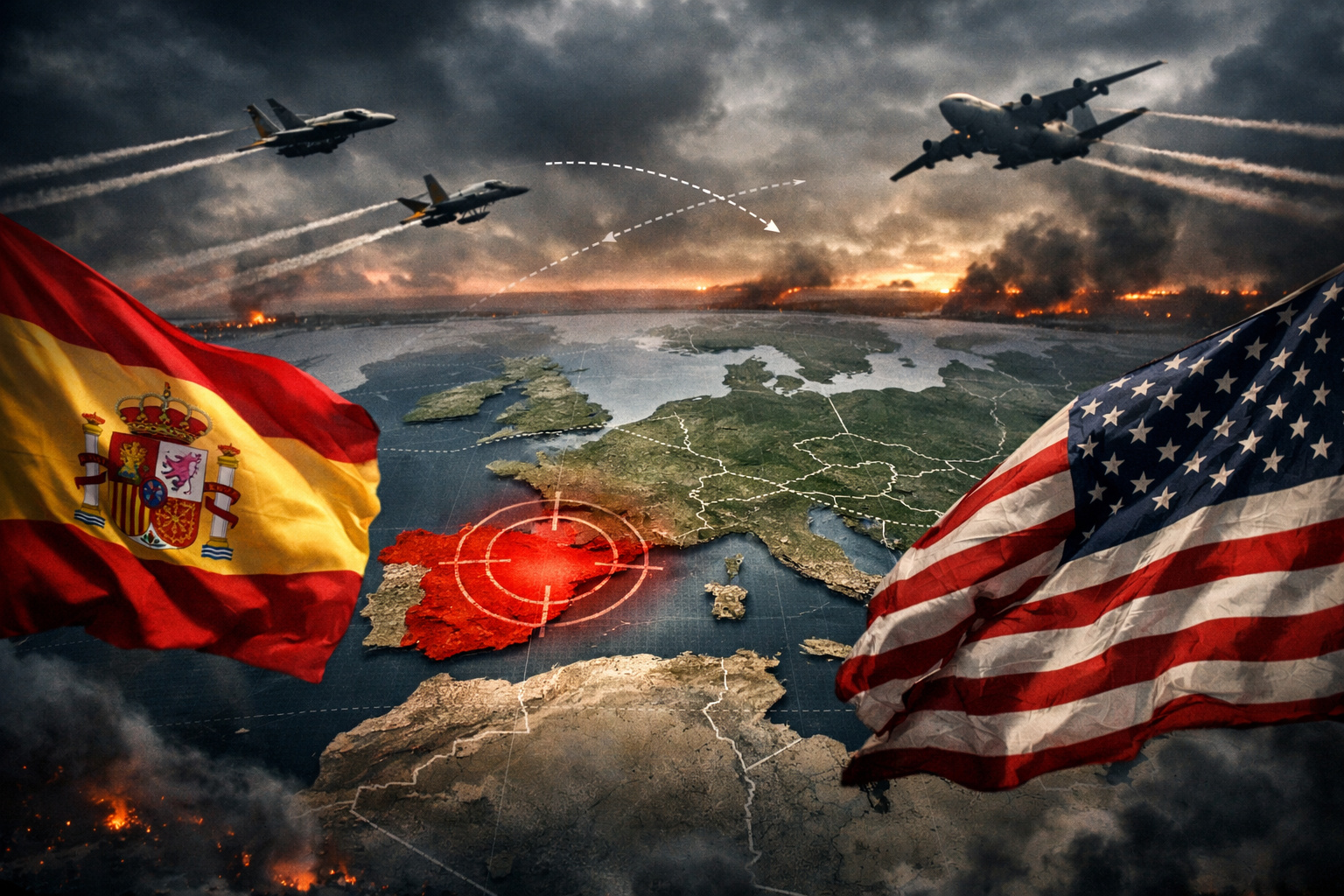
Spain challenges the USA and closes its airspace for operations against Iran, raising global tension and provoking the threat of a trade rupture.
-
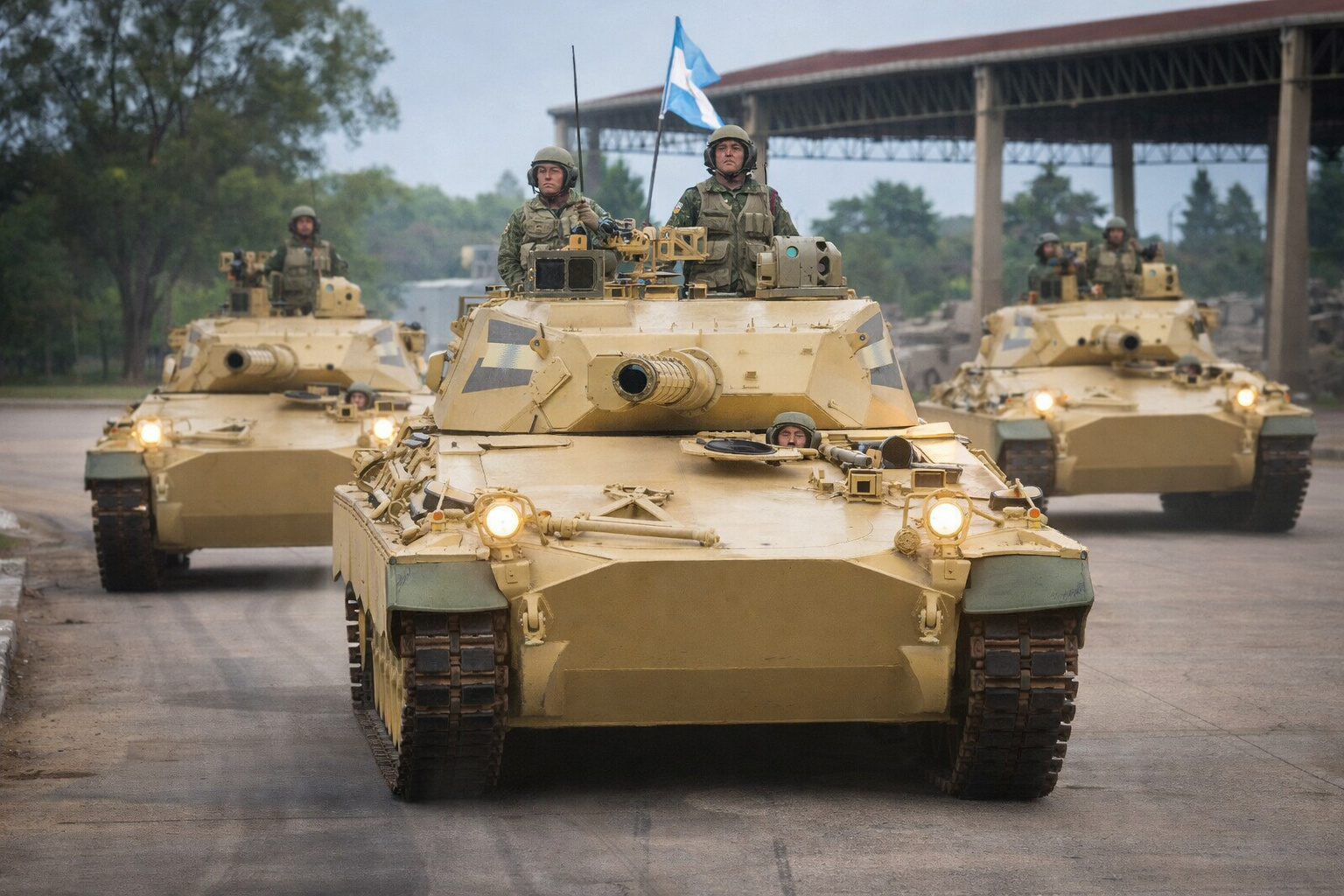
While no other country manufactures tanks in Latin America, Argentina activates the TAM 2C-A2 and raises a curiosity about the technological lag in the region.
-
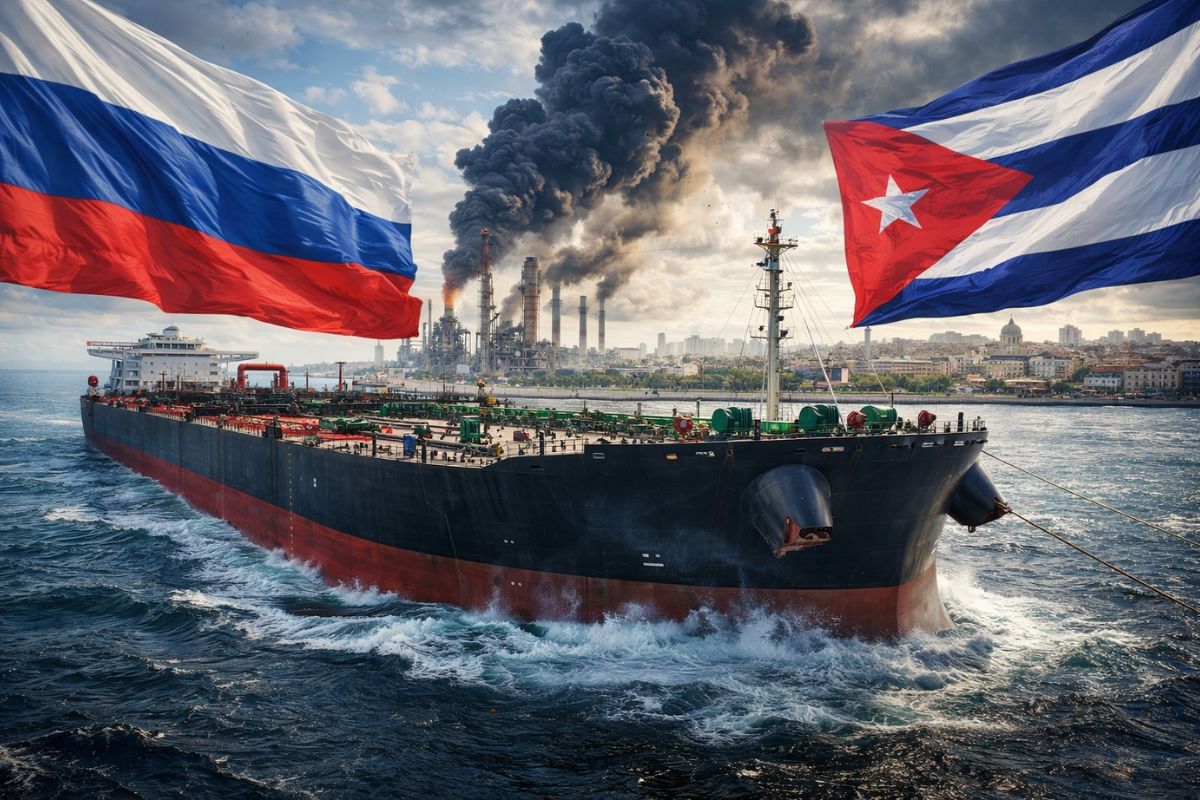
A Russian ship with 730,000 barrels of oil has just arrived in Cuba while Mexico negotiates fuel sales through private companies: the communist island is desperately seeking alternatives after losing its supply from Venezuela due to American military action.
-
Iranian drones and missiles destroyed a 270 million dollar American spy plane in Saudi Arabia, splitting the E-3 Sentry aircraft in half and injuring 12 military personnel in an attack that exposes the vulnerability of U.S. bases in the Persian Gulf.
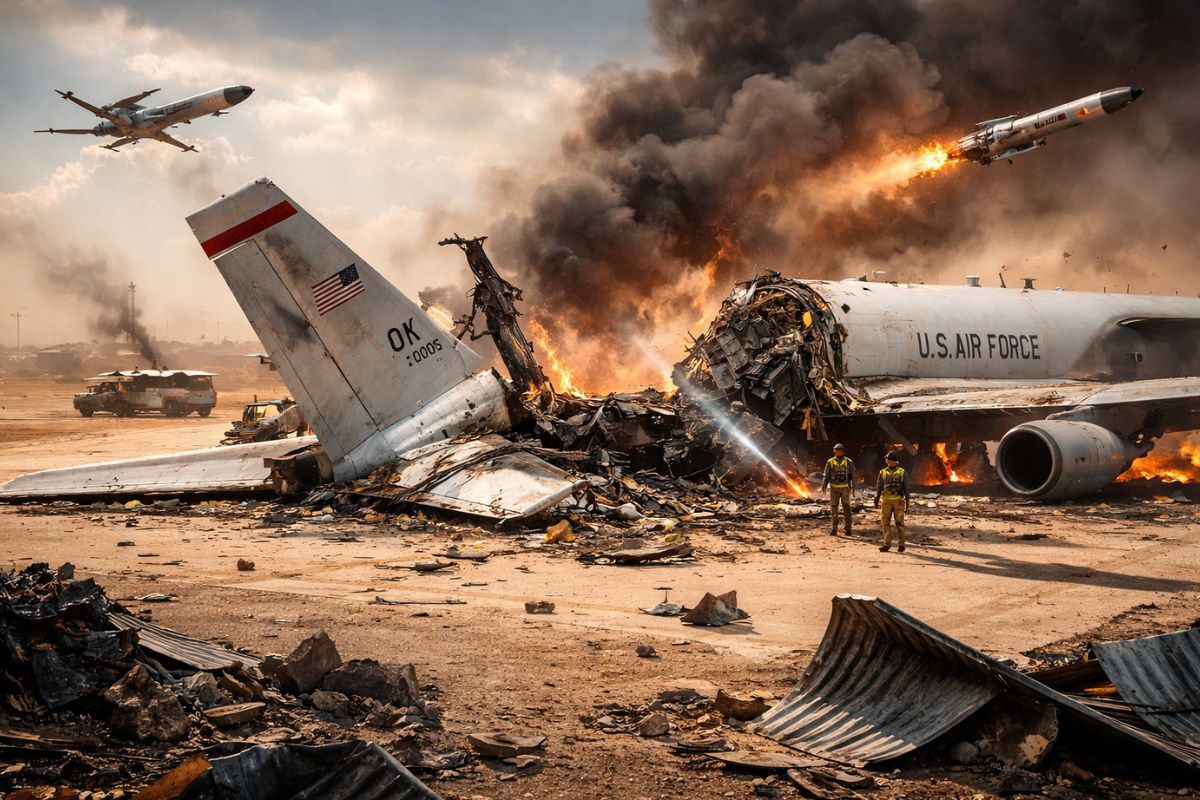

Right at the beginning, the document highlights that the conflict over Taiwan would leave American military systems vulnerable. U.S. fighters, satellites, and ships could be neutralized more easily than anticipated in official defense scenarios.
Document Exposes U.S. Weaknesses in War Over Taiwan
According to the analyzed material, the strategy of the U.S. contains critical flaws in a potential prolonged war. Although the country possesses cutting-edge armaments, these systems are expensive, complex, and difficult to replenish quickly.
Meanwhile, China relies on low-cost and highly efficient missiles. Thus, Beijing would be able to saturate enemy defenses with a greater volume of attacks, reducing the American technological advantage.
Furthermore, the report states that excessive dependence on advanced systems becomes a disadvantage when the conflict demands rapid replenishment and large-scale production.
China Relies on Quantity and Logistics as Strategic Advantage
On the other hand, the Chinese strategy prioritizes scale, speed, and logistics. The document emphasizes that China has been investing for years in simpler but effective armaments that can be produced in large quantities.
In this way, in a scenario of intense war, Beijing would maintain a greater replenishment capacity. This would ensure operational continuity even in the face of significant losses.
Additionally, the geographic proximity of Taiwan favors Chinese logistics. Therefore, shorter supply lines would enhance operational efficiency.
U.S. Logistical Failures Worry Military Analysts
Another central point of the report involves American military logistics. According to the document, the U.S. would face serious difficulties in supplying troops and equipment in a prolonged conflict against China.
Remote bases, dependence on global supply chains, and vulnerability of maritime routes would limit the capacity to sustain the war. Thus, even with high military power, Washington could lose efficiency over time.
For this reason, analysts point out that logistics would become a decisive factor in the outcome of the conflict over Taiwan.
U.S. Air Force Could Be the “Achilles’ Heel”
Recently, an analysis published by the Mitchell Institute for Aerospace Studies reinforced the conclusions of the leaked document. According to the institute, the U.S. Air Force could become the “Achilles’ heel” in a direct confrontation.
The study asserts that current military strategies require rapid, flexible, and highly coordinated deployments. However, Washington lacks sufficient aircraft or the necessary variety to sustain these operations.
Additionally, the text warns that modernizing the air fleet would require continuous investments and a deep strategic reorganization, a process that could take years.
China Intensifies Military Exercises and Increases Pressure on Taiwan
Meanwhile, China is expanding military exercises and improving its mobilization capacity. President Xi Jinping has intensified maneuvers near Taiwan, raising the alert level in the region.
Beijing has claimed the island as part of its territory for decades. Moreover, the Chinese government classifies any external involvement as “interference” in an internal matter.
This stance increases the risk of military escalation and keeps global Geopolitics in a state of permanent tension.
Global Geopolitics Observes Growing Risk of Conflict
In light of this scenario, experts assess that the dispute between U.S. and China over Taiwan represents one of the greatest geopolitical risks of our time. The leaked document emphasizes that the Chinese advantage lies not only in military power but in the combination of logistics, scale, and strategy.
Therefore, any miscalculation could lead to global consequences. The international economy, supply chains, and regional stability would be directly threatened.
Thus, the report broadens the debate on who would truly win a war over Taiwan and reinforces the need for heightened attention to the balance of power in the international scenario.








Muito bom ter lido isso. Então, ianques FDPs, o que estão esperando? Tentem a sorte, vermes imundos, **** e **** de petróleo! E dá-lhe, China!