





 Portuguese
  English
  Spanish
  4 min of reading
  0 comments


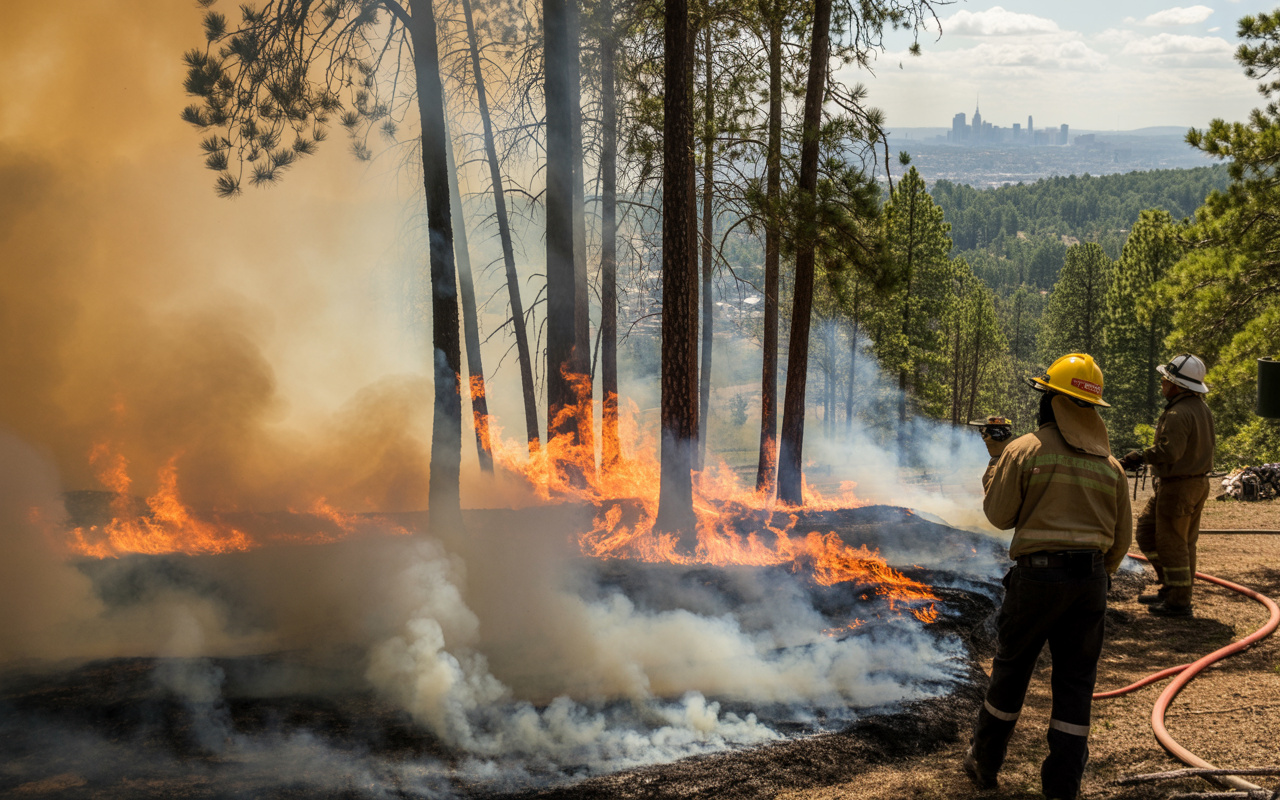
The U.S. Are Burning Forests In A Controlled Way To Prevent Mega-Fires, Protect Cities And Restore Ecosystems After Decades Of Policies That Tried To Eliminate Fire From Nature.
The United States is deliberately setting forests on fire — and that’s not a mistake, accident, or loss of control. It’s a scientific strategy increasingly used to prevent mega-fires, protect cities, and correct decades of poor environmental management. The method, known as controlled burning or prescribed burn, seems absurd at first glance, but is now considered one of the most effective tools against forest collapse in the country.
The Paradox Of Fire That Saves Forests
For over a century, the official U.S. policy was simple: put out every fire as quickly as possible. The problem is that many American forests evolved with fire as a natural part of the ecosystem. Frequent small fires cleared the ground, removed dead branches, and prevented excessive buildup of flammable material.
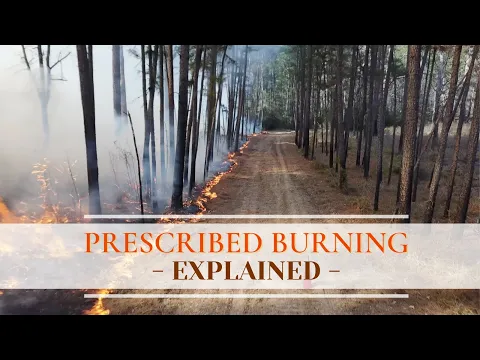

By completely eliminating these natural fires, the country created a dangerous side effect: forests crowded with fuel. When fire finally gets out of control — driven by droughts, heat waves, and extreme winds — it turns into mega-fires that are nearly impossible to contain.
-
With a cost per shot close to zero, the DragonFire laser could change naval warfare in 2027 and provide British ships with nearly unlimited defense against drones.

-
A British startup creates tires that generate electricity in electric vehicles when passing over potholes, speed bumps, and cracks.

-
Scientists have created robots made with living cells that have their own nervous system, swim on their own, explore the environment, and self-organize without any genetic engineering, and now they want to do the same with human cells.

-
Students create a solar-powered ambulance that operates without a plug, without fuel, and still keeps medical equipment running in remote areas.


What Are Controlled Burns, After All?
Controlled burns are planned fires, conducted by specialized teams, under carefully chosen weather conditions. Fire is ignited in designated areas, with firebreaks, constant monitoring, and teams ready to intervene if something goes off course.
The goal is not to destroy the forest, but to reduce excess dry vegetation, dead branches, and leaves accumulated on the ground. In other words: to remove the “fuel” that would feed giant fires in the future.
Why The U.S. Decided To Change Strategy
The change began when it became clear that putting out fires wasn’t working. Even with billions of dollars invested in firefighting, fires grew larger, hotter, and more destructive every decade.
Studies have shown that areas subjected to controlled burns burn less intensely when a real fire occurs. Additionally, low-intensity fire:
- stimulates the growth of native plants
- improves animal habitats
- reduces invasive species
- returns nutrients to the soil
Today, agencies like the U.S. Forest Service treat fire not as an absolute enemy, but as a management tool.
The Indigenous Heritage That Science Rediscovered
Long before modern science, Indigenous peoples of North America used fire strategically. Regular burns kept forests open, facilitated hunting, protected villages, and prevented catastrophic fires.

These practices were banned or ignored during European colonization. Now, ironically, science is rediscovering what Indigenous communities have known for thousands of years: completely suppressing fire can be more dangerous than using it wisely.
But Isn’t Setting Forests On Fire Dangerous?
Yes — and that’s exactly why the practice is controversial. Controlled burns can get out of control if:
- the weather suddenly changes
- the wind picks up
- the humidity drops more than expected
There have been cases where planned burns escaped and caused significant damage. Furthermore, even when controlled, fire produces smoke, which draws criticism from nearby communities concerned about respiratory health.
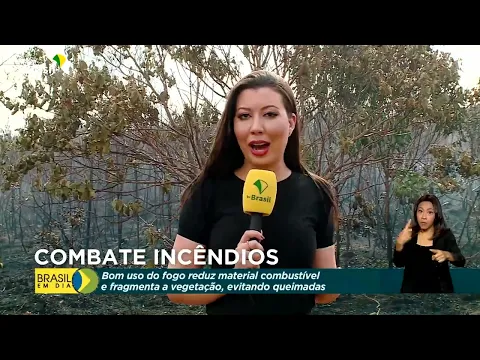
Still, experts argue that the alternative is worse: uncontrollable mega-fires that release much more smoke, destroy entire cities, and cause gigantic human and economic losses.
Fire Now To Prevent Disaster Later
The crux of the strategy is simple, though uncomfortable:
It’s better to deal with smoke and small fire today than with a catastrophe tomorrow.
In areas where controlled fire has been consistently applied, future fires tend to be:
- smaller
- slower
- less hot
- easier to contain
This means fewer evacuations, fewer homes destroyed, and fewer lives at risk.
A Shocking Change But It Works
To the public, the image is shocking: the government setting forests on fire. For science, however, it is a belated correction of a historical mistake.
Controlled burns are not a magic solution and do not work alone. They need to be combined with forest management, climate monitoring, and climate change adaptation policies. Still, they are now viewed as one of the few truly effective tools against the age of mega-fires.
In the end, the U.S. learned a hard lesson: trying to eliminate fire from nature completely was a mistake. Now, they use fire itself — with care, science, and planning — to prevent it from returning uncontrollably.
And it is precisely this paradox that turns the topic into one of the most intriguing and viral environmental stories today.







Seja o primeiro a reagir!