





 Portuguese
  English
  Spanish
  3 min of reading
  2 comments


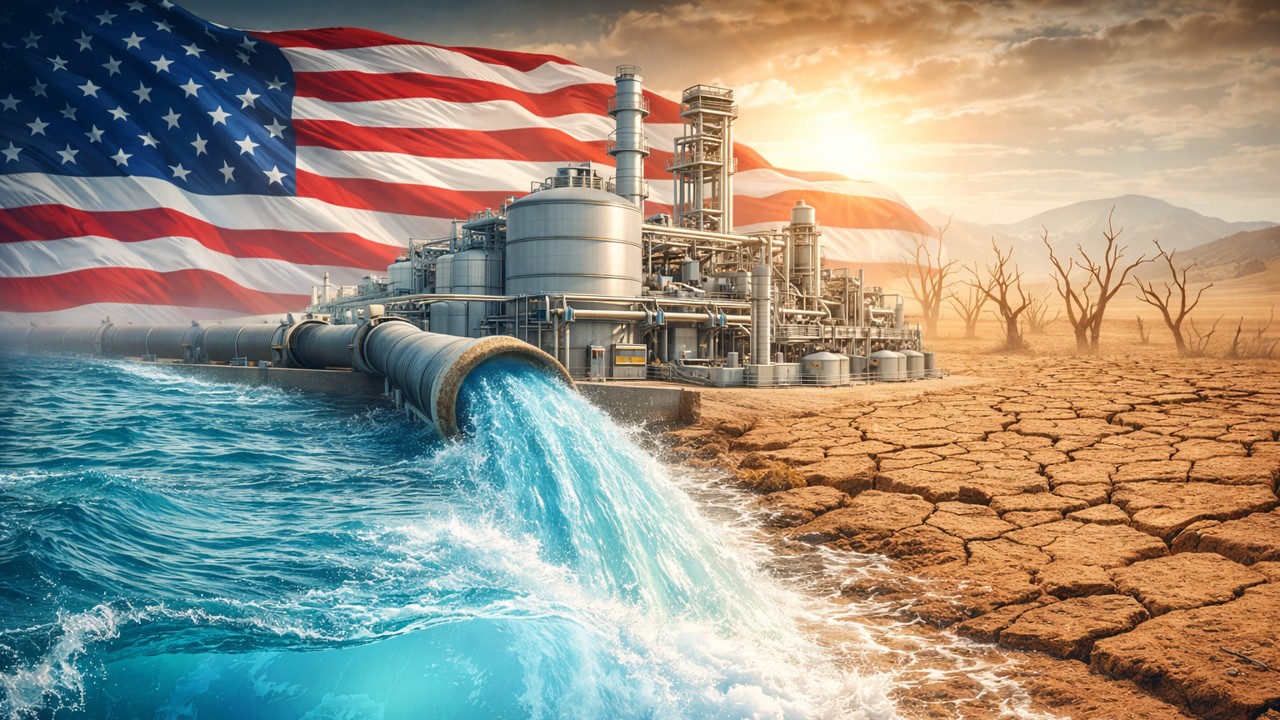


In The Face Of The Worst Water Crisis In Decades, Americans Invest Billions In Desalination To Supply Cities And Reduce The Risk Of Supply Collapse
The United States has been betting on an extreme solution to tackle water scarcity in the west: turning seawater into drinking water on an industrial scale. Amid historic droughts in California and other states in the Southwest, megadesalination plants have taken on a strategic role in urban supply and long-term water planning.
How Megadesalination Plants That Turn Seawater Into Drinking Water Work
Desalination consists of removing salt and other impurities from seawater through processes like reverse osmosis. In large industrial plants, the water passes through high-pressure filters capable of separating the salt, producing water suitable for human consumption.
The technology is considered expensive and energy-intensive, but it has become a viable alternative in light of the drastic reduction of reservoirs and rivers in coastal regions of the United States.
-
The entire Brazil is expected to face above-average rainfall in the next ten days, with accumulations reminiscent of the peak of summer, raising concerns especially for those living in the Southeast, Northeast, and Northern regions of the country.

-
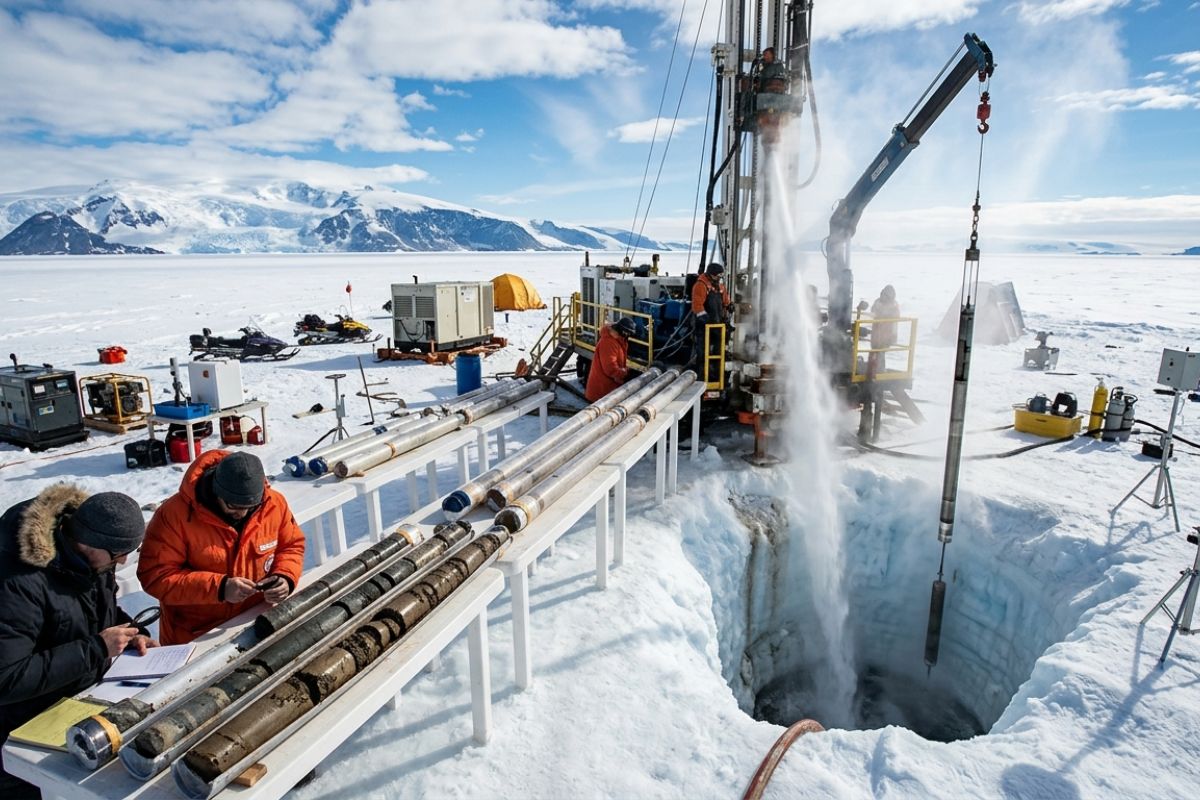
With pressurized hot water, scientists melt 523 meters of ice in West Antarctica and extract a 228-meter rock core with a record of 23 million years, revealing ice-free periods and global warnings.
-
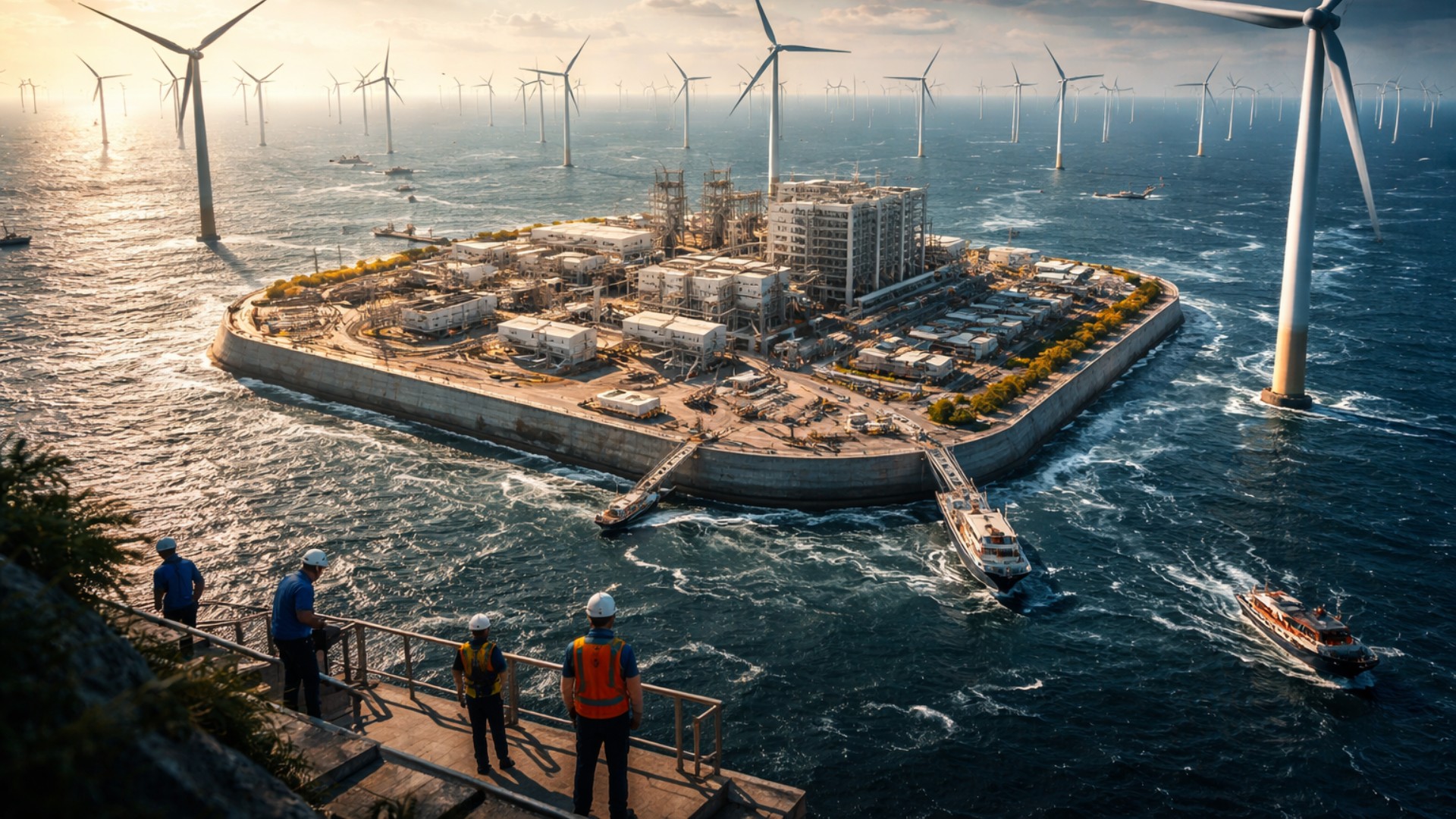
Denmark resumes the idea of building the world’s first energy island with $30 billion, connecting several countries and changing the European energy game amid uncertainty due to the war in Iran.
-
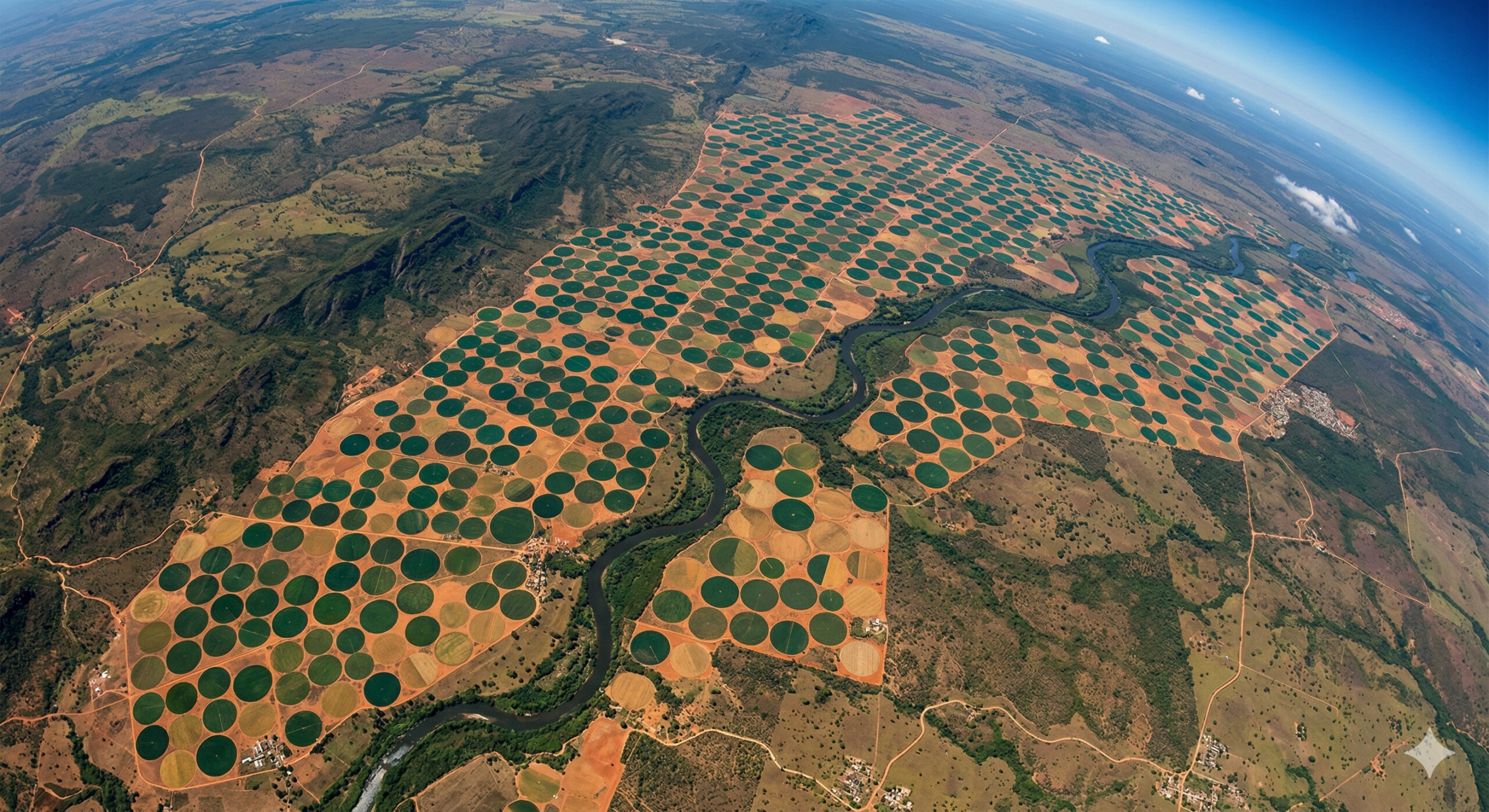
In the interior of Bahia, gigantic “perfect” circles drawn on the land appear from space as targets kilometers in diameter, revealing irrigation systems so precise that they transform crops into geometric patterns visible from orbit.
It’s Expensive, But Cheaper Than Being Without Water
Turning seawater into drinking water is not cheap. The Carlsbad Desalination Plant, the largest desalination plant in the United States, required an investment of about US$ 1 billion to be constructed. The cost of the water produced is around US$ 2,000 to US$ 3,000 per acre-foot (a unit used in the U.S., equivalent to about 1.23 million liters). By comparison, water sourced from traditional rivers and reservoirs typically costs less than half that amount.

The Largest Desalination Plant In The U.S. Is Located In California
The main example is the Carlsbad Desalination Plant, located in Southern California. Considered the largest desalination plant in the country, it is capable of producing about 190 million liters of drinking water per day, a volume sufficient to supply hundreds of thousands of people.
The plant became operational after years of planning and billion-dollar investments, becoming a key piece in the region’s water security.
Historic Drought Forced Billion-Dollar Investments In New Solutions
According to data from the U.S. Bureau of Reclamation, the western United States is facing one of the most severe periods of water scarcity on record. The drop in the levels of major reservoirs, such as those connected to the Colorado River, has led state and federal governments to expedite desalination and water reuse projects.
In addition to California, states like Arizona and Texas are also studying ways to expand the use of technology to reduce dependence on increasingly unstable natural sources.
Is Desalinated Water A Definitive Solution? Experts Warn
Despite its impressive capacity, experts warn that desalination alone does not solve the water crisis. The high operational costs, high energy consumption, and environmental impacts of brine disposal still limit the unrestricted expansion of the technology.
Still, authorities consider megaplants a strategic tool, especially to ensure the minimum supply for large urban centers during critical periods.
Extreme Technology Shows How Water Has Become A Strategic Resource
The United States’ bet on desalination highlights how water has become one of the most strategic resources of the 21st century. Transforming the ocean into a source of supply has ceased to be just a futuristic idea and is now part of concrete plans to tackle the climate and water crisis.




Lástima que no llevarán acabo el proyecto NAWAPA, con el dinero que gastaron en desalinadoras ya lo hubieran puesto en marcha, agua fresca cristalina y en abundancia que sobra de Canadá, pasaría y llenaría de agua el oeste de EUA y aún se construirían más presas y alcanzaría para regar todos los sembradíos de esa región, llegando hasta México y siguiendo su ruta hasta la parte central de México! Agua en abundancia! Fresca, limpia, sin necesidad de energía al contrario la crearía y hasta para almacenar. Saludos ✝️🙏🏻🖖🏻
Pero ese proyecto así como estaba planteado, era de las peores ideas, tal interferencia en procesos naturales traería consecuencias terrible para ecosistemas de la región, y ya están sufriendo de sequía. Si hay un proyecto verdaderamente económico es trabajar encontrá de la contaminación. Contaminar tanto, tiene consecuencia