





 Portuguese
  English
  Spanish
 2 min of reading
  146 comments


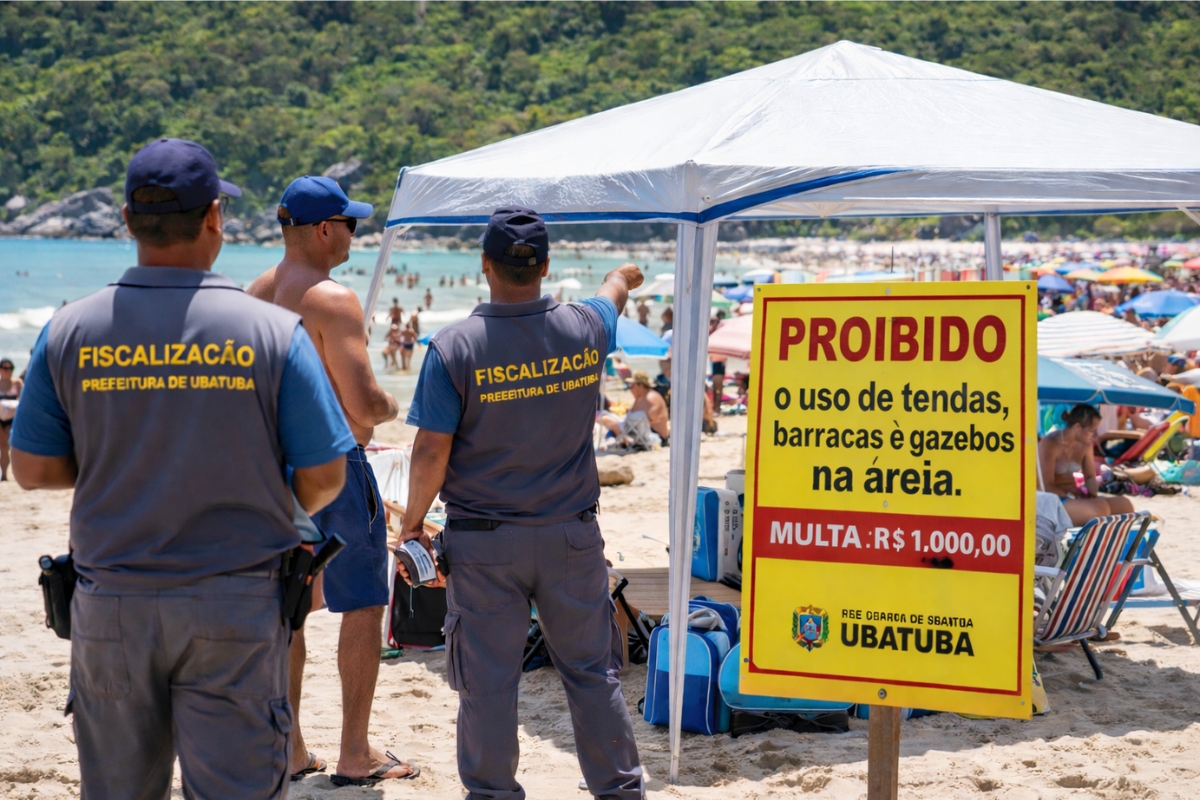


New Rule Aims to Preserve the Natural Landscape and Facilitate the Work of Lifeguards Along the Shoreline.
Ubatuba has begun to restrict the use of tents, canopies, and gazebos on its beaches with the enactment of the Law 4.676/2025.
The measure applies to the 102 beaches of the municipality and directly affects tourists and beachgoers.
Noncompliance may result in a fine of R$ 1,000.
-
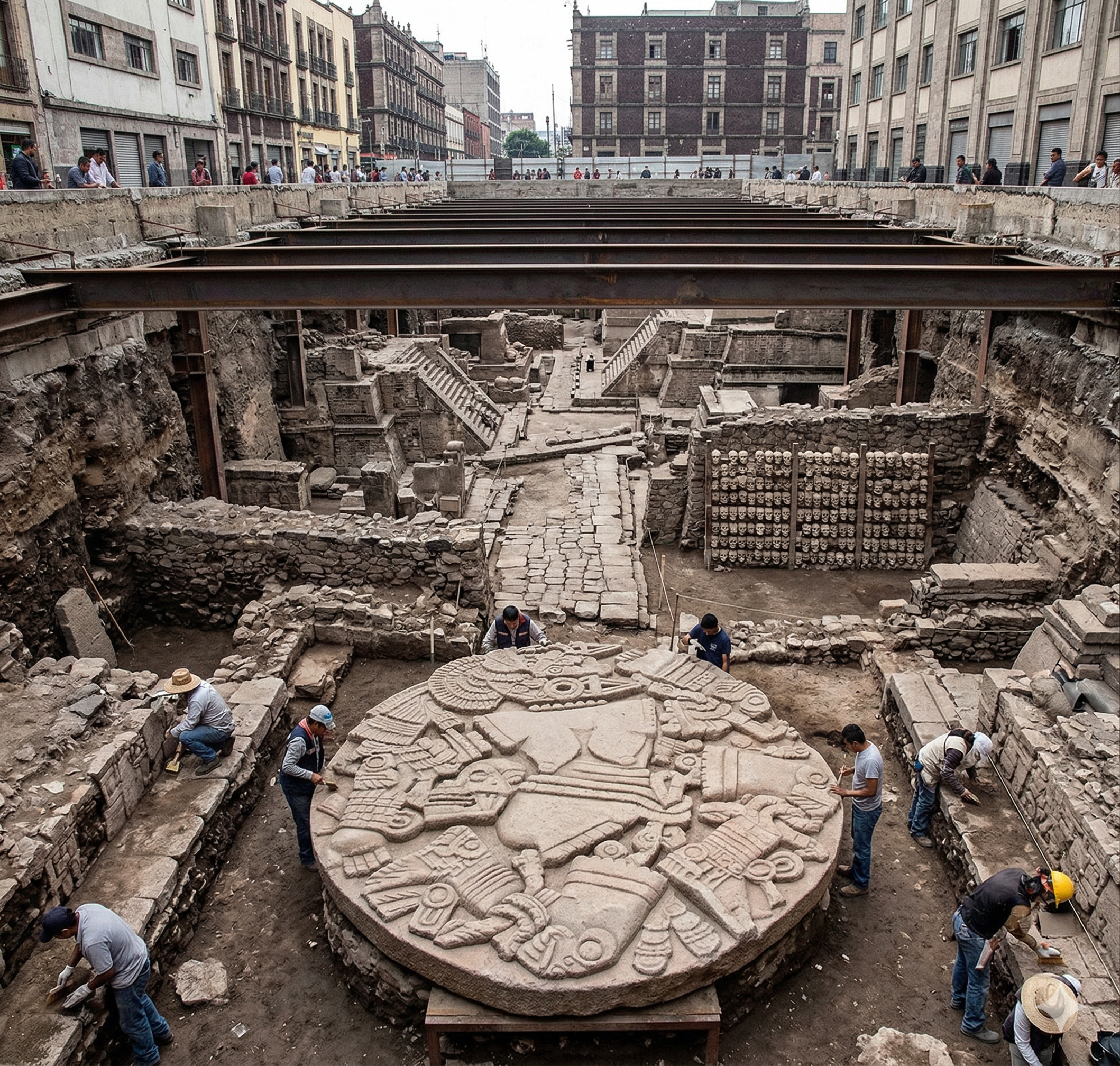
Beneath Mexico City lies an entire buried Aztec capital, and it all began when workers discovered a 3.25-meter stone disk featuring a dismembered goddess, revealing temples, skulls, and palaces beneath 22 million people.
-
How to build a 35,000-liter cistern with 60 by 50 cm panels and rainwater for drinking and cooking without relying on water trucks or the city hall.

-
A woman went out for a regular walk and ended up finding a treasure buried for over 900 years, with more than 2,000 medieval silver coins compared by archaeologists to a lottery prize and considered one of the most significant finds in recent years in the country.

-
Scientists revealed 11 signs that very intelligent people exhibit in their daily lives, and most people have no idea that some of these common behaviors are directly linked to an above-average brain.


What Has Changed with the New Law
The legislation, enacted on May 30, establishes a prohibition on these structures on the sand.
The justification involves preserving the natural landscape and improving the working conditions of lifeguards.
The irregular use of these items has come to be treated as an offense.

Fines and Exceptions Provided
The penalty for noncompliance is R$ 1,000 in case of noncompliance or refusal to remove the structures.
There are exceptions only for municipality events or health and tourism support actions promoted by public agencies.
Outside of these situations, use remains prohibited.
How Inspections Work
The municipal inspections operate in an advisory capacity during the first contact.
There is no immediate fine applied when the visitor cooperates and removes the item.
The approach aims to educate before punishing, especially with tourists.
Reaction of Visitors
There are reports that many tourists respect the rules after guidance.
The understanding is that visitors are not required to be aware of local laws beforehand.
The initial approach has helped reduce conflicts.
Comparison with Other Cities
In Bertioga, the prohibition of tents, canopies, and gazebos has been in place since 2014.
In Caraguatatuba and São Sebastião, this type of collective structure remains permitted.
The rules vary by municipality, requiring attention from those visiting different beaches.
The law in Ubatuba reinforces the trend of greater control over the use of the sand.
Before setting up any structure, it is wise to check local regulations to avoid fines.








As praias do Brasil são lindas, mas dificilmente tenho paz quando visito alguma. As praias estão virando máfia, igual a maioria das coisas nesse país de leis ‘para inglês ver”. Esses comerciantes que tentam obrigar o cliente a consumir deveriam ser processados. Pois a maioria das atitudes deles fere o Direito do Consumidor e a Constituição Federal. Quando eles começarem a receber intimações e forem obrigados a pagar indenização aos clientes, aí quem sabe vão começar a respeitar as Leis.
**** SACANAGEM POIS OS MOTIVOS PARA CRIAÇÃO DESTA LEI FERRA O TURISTA QUE É QUEM SUSTENTA A CIDADE NA SUA MAIORIA E ABRE **** PARA OS DONOS DE QUIOSQUES OU PESSOAS AUTORIZADAS POR VCS A LOCAÇÃO DE BARRACAS POR VALORES ABSURDOS. ÚLTIMO ANO QUE IREI NA CIDADE POIS JÁ PAGUEI O ALUGUEL DO APTO. SE A LEI FOR MANTIDA RECOMENDO QU TODOS SUSPENDAM PASSEIOS NA CIDADE.
Não venha mesmo ****. Não vai fazer falta nenhuma. Só vem aqui pra fazer sujeira.
Parabéns pela falta de educação. Sua cidade sem turista não sobrevive.
Fiscalização em Ubatuba? Isso não existe. No meio da praia das Toninhas tem restaurante sem licença pra montar mesas na praia e os fiscais fingem que não vêem. Guarda sois enormes pretos, horrorosos.