





 Portuguese
  English
  Spanish
  5 min of reading
  0 comments



Uber Will Review Premium Categories Starting in 2026, with New Model Year Requirements and Exclusion of Cars from Brands Such as Renault, Chery, Peugeot, and Hyundai. The Update Will Affect Drivers in Several Cities Across the Country.
The Uber will update the rules for the Black and Comfort categories starting in January 2026, with an increase in the minimum model year requirement in various areas and exclusion of specific models, including Renault, Chery, Peugeot, and Hyundai.
The change, according to the platform, stems from user surveys and analysis of the automotive market, aiming to “enhance the experience” in the premium categories.
What Changes in the Premium Categories
The new lists of accepted vehicles will take effect on 01/05/2026 for Uber Black and on a schedule that includes adjustments to Uber Comfort with an additional rule on 07/06/2026.
-
The institute that trained the greatest aerospace engineers in Brazil has just opened its first campus outside São Paulo after 75 years: ITA Ceará will have R$ 445 million, new courses in energy and systems, and classes are expected to start in 2027.

-
Luciano Hang, owner of Havan, goes to Juiz de Fora after the tragedy in February, brings R$ 1 million, hands out R$ 2,000 cards, and donates up to R$ 15,000 to victims in the region.

-
The Brazilian passport allows legal residence in dozens of countries without the need for a prior visa, and most Brazilians are unaware that they can apply for residency directly upon arriving in nations in South America, Africa, and even Europe.

-
Petrobras sends a message to Brazilian truck drivers after fuel collapse and reveals plan to have 100% domestic diesel.


The company reports that it defined the criteria based on aspects valued by passengers at the time of request, such as comfort, finish, and quality perception.
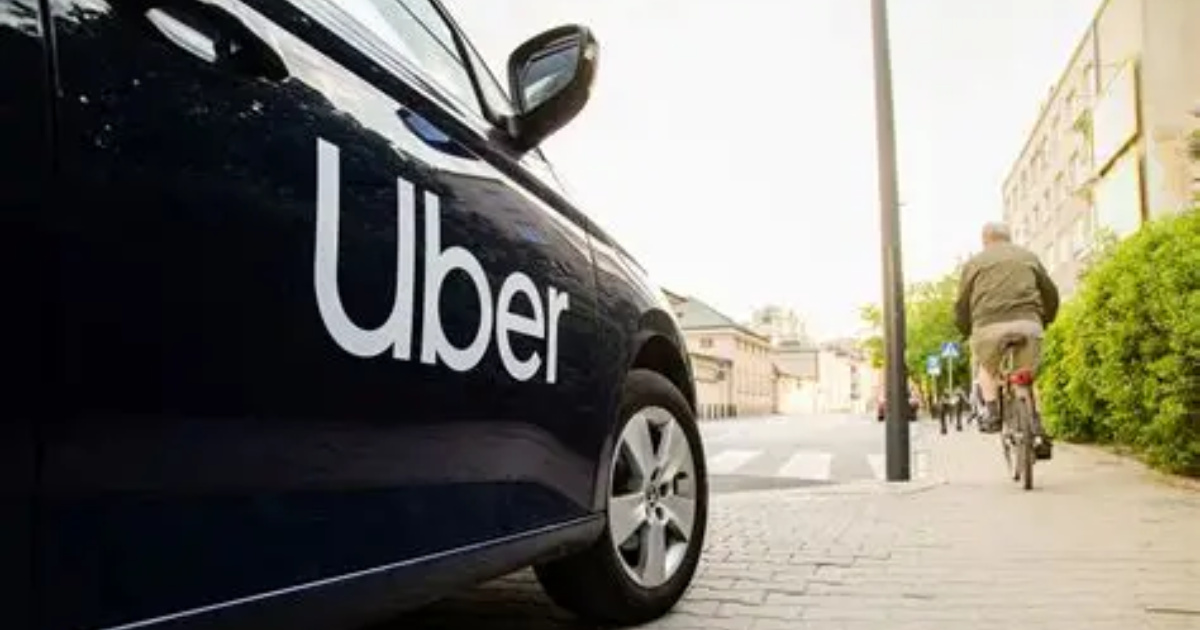
Uber Black: Minimum Year and Banned Models
In Uber Black, there will be a simultaneous update of the minimum model year and the removal of some vehicles from the base, regardless of the year of manufacture.
In all the cities covered, the Volkswagen Virtus will need to be at least 2026.
The Renault Duster, Volkswagen Nivus, and Honda City will have a requirement of 2023 as the minimum year in all listed areas.
For the other models in the category, the minimum year varies by city.
In São Paulo, Porto Alegre, Curitiba, Brasília, Florianópolis, Vitória, Fortaleza, and Goiânia, the cutoff will be 2019.
In Rio de Janeiro, the reference is 2017.
In Belo Horizonte, Recife, Salvador, and Campinas, the requirement will be 2018.
The list of models not accepted starting on 01/05/2026, with no exceptions by year, includes Renault Kardian, Citroën Basalt, Chery Tiggo 3X, Peugeot e-2008, Chery Tiggo 3, Hyundai Kona Hybrid, JAC J3 Turin, and JAC iEV 40.
The rule applies uniformly in the cities covered by Black.
Vehicle and Driver Requirements in Black
In addition to the cuts by model and year, the cars in Uber Black must have air conditioning, four doors, and paint in the colors black, charcoal, silver, gray, navy blue, brown, or white.
Drivers must have more than 100 previous rides in other categories — excluding Uber Moto, Envios Moto, and Uber Taxi — and a minimum average rating of 4.85.
Uber Comfort: Ranges by City and Specific Rule for Logan
In Uber Comfort, there will also be an increase in the minimum model year in various areas, with parameters by model and city.
For Etios Sedan, Voyage, Prisma, Logan, and Cobalt, the predominant requirement is 2019 in capitals such as São Paulo, Rio de Janeiro, Porto Alegre, Belo Horizonte, Salvador, Curitiba, Fortaleza, Recife, and cities like Campinas, Joinville, Londrina, and Maringá.
There are exceptions: Brasília, Manaus, Vitória, Campo Grande, Ribeirão Preto, Caxias do Sul, Chapecó, Volta Redonda, Angra dos Reis, and other areas maintain a cutoff between 2018 and 2016, depending on the municipality.
For Argo and Polo, the standard will be 2023 in the cities included in the adjustment, covering capitals and regional hubs.
In the grouping of other models in Comfort, the minimum year varies between 2015 and 2019, depending on the area.
In São Paulo, the cutoff will be 2018.
In Rio de Janeiro, Porto Alegre, Salvador, and Florianópolis, the reference is 2016.
In Curitiba, Recife, Fortaleza, Campinas, Belém, and Cuiabá, the cutoff is 2018.
Goiânia, Manaus, Vitória, São José do Rio Preto, Franca, and other locations will work with ranges between 2017 and 2015, as detailed by the company for each city.
There will also be a specific rule: the Renault Logan will no longer be accepted in the category, regardless of the year of manufacture, starting on 07/06/2026.
Conditions to Join Comfort
The vehicle configuration requirements for Comfort include air conditioning and four doors.
Drivers must have more than 100 rides in other categories — with the same exclusions for Uber Moto, Envios Moto, and Uber Taxi — and a minimum rating that varies by city.
In Brasília, Caxias do Sul, Curitiba, Joinville, Londrina, and Porto Alegre, the required average is 4.85.
For other cities, the minimum standard is 4.80.
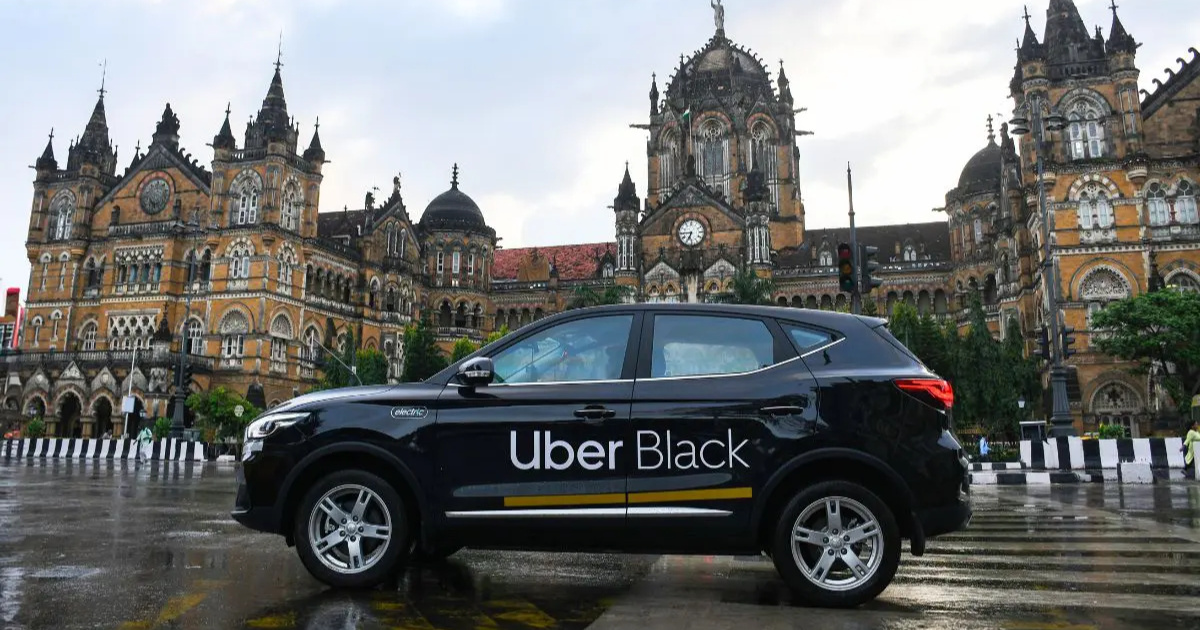
Scope and Timeline
The changes will take effect starting in January 2026, with rules already defined for 01/05/2026 and an addition in Comfort on 07/06/2026, in the case of Logan.
The company emphasizes that the vehicle base update considers the “set of attributes valued by passengers in the Comfort and Black categories”, which includes onboard comfort, finish perception, and model profiles in areas of higher demand.
How the Main Cutoffs by City Will Look
In Uber Black, the Virtus 2026 is a common requirement; Duster, Nivus, and City become 2023.
For the rest of the portfolio, Rio de Janeiro will have a cutoff in 2017; Belo Horizonte, Recife, Salvador, and Campinas in 2018; São Paulo, Porto Alegre, Curitiba, Brasília, Florianópolis, Vitória, Fortaleza, and Goiânia in 2019.
In Uber Comfort, the more traditional compact sedans (Etios Sedan, Voyage, Prisma, Logan, and Cobalt) will generally be set at 2019, with exceptions by area between 2016 and 2018.
For Argo and Polo, the cutoff is 2023.
Among the other models, the minimum years range from 2015 to 2019, depending on the city.
São Paulo adopts 2018; Rio de Janeiro, Porto Alegre, Florianópolis, and Vitória work with 2016; Curitiba, Fortaleza, Recife, and Campinas follow 2018; there are municipalities with cutoffs in 2015 or 2017, as stated in the official parameters.
Impact on Drivers and Passengers
For those driving in the premium categories, the new requirements may imply fleet renewal or category migration, depending on the year and model of the current vehicle.
Passengers should observe a higher standard of comfort and finish, especially in Black, which now requires a more stringent temporal cutoff and excludes models that the company states do not meet the expected attributes for the category.
Drivers interested in joining these categories need to verify if the car meets the model, year, color, and equipment requirements and if they achieve the minimum average rating.
Those already operating should check the timeline by area to plan any adjustments before the rules change.
As a passenger or driver, do you think the new year ranges and excluded models really elevate the standard of rides, or does the economic impact on partners weigh more in this decision?









-

-

-

15 pessoas reagiram a isso.