





 Portuguese
  English
  Spanish
  2 min of reading
  0 comments


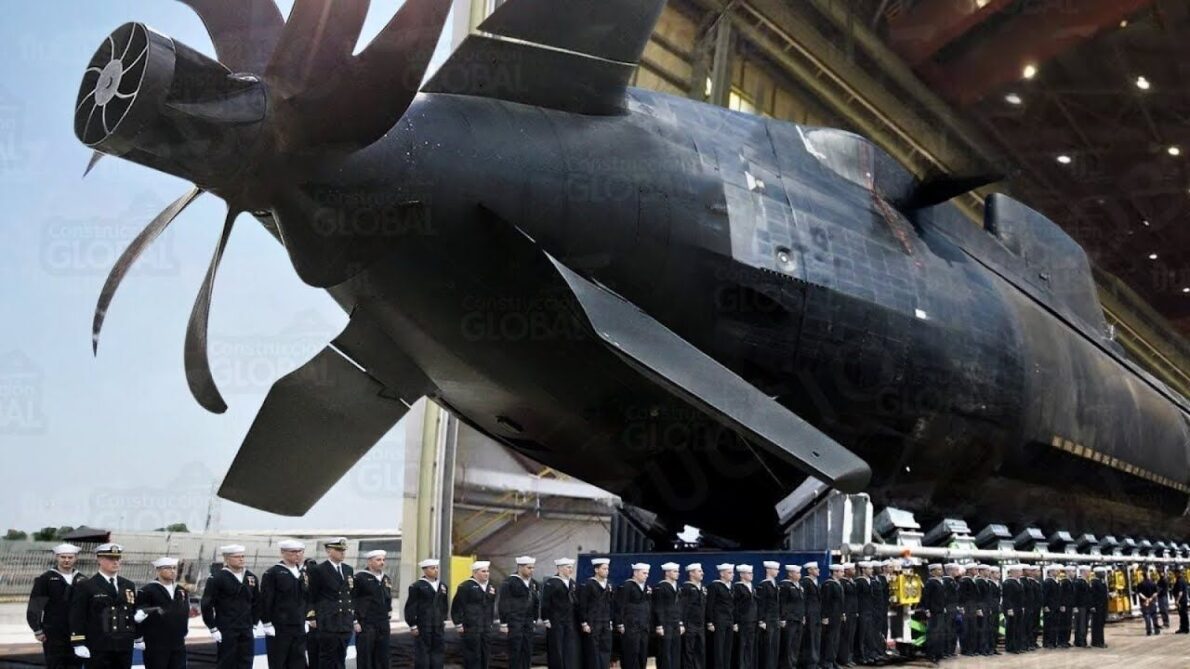
Life Inside a United States Navy Submarine Valued at US$ 4 Billion Reveals a Daily Routine of Rigor and Routine in Extreme Conditions, Where More Than 100 Crew Members Share a Restricted Space Facing Technical and Emotional Challenges While Playing a Crucial Role in the Country’s Defense and Submarine Research.
On a United States Navy nuclear submarine, each day is a unique journey into the depths of the ocean, where more than 100 crew members share a restricted space, but highly functional. Despite the monumental value of US$ 4 billion, life aboard is marked by rigor and routine, where survival depends on the precision and efficiency of operations.
Life inside a submarine is meticulously scheduled. From daily emergency drills to constant equipment maintenance, everything is done to ensure readiness for any situation. Daily activities include system checks, combat training, and rescue simulations, as well as physical exercises adapted to the available space.
Operating a Billion-Dollar United States Navy Submarine Brings Immense Pressure
Despite the value and advanced technology, the space inside the submarine is extremely limited. Privacy is virtually nonexistent, with sailors sleeping in shared bunks, often next to stored missiles. Meal preparation is a complex logistical operation, where each meal needs to be nutritious and varied to maintain morale during missions that can last for months.
-
With 74% of companies facing difficulties in hiring, technicians and engineers in renewable energy are becoming scarce in Brazil and are essential to support the expansion of solar, wind, and green hydrogen projects.

-
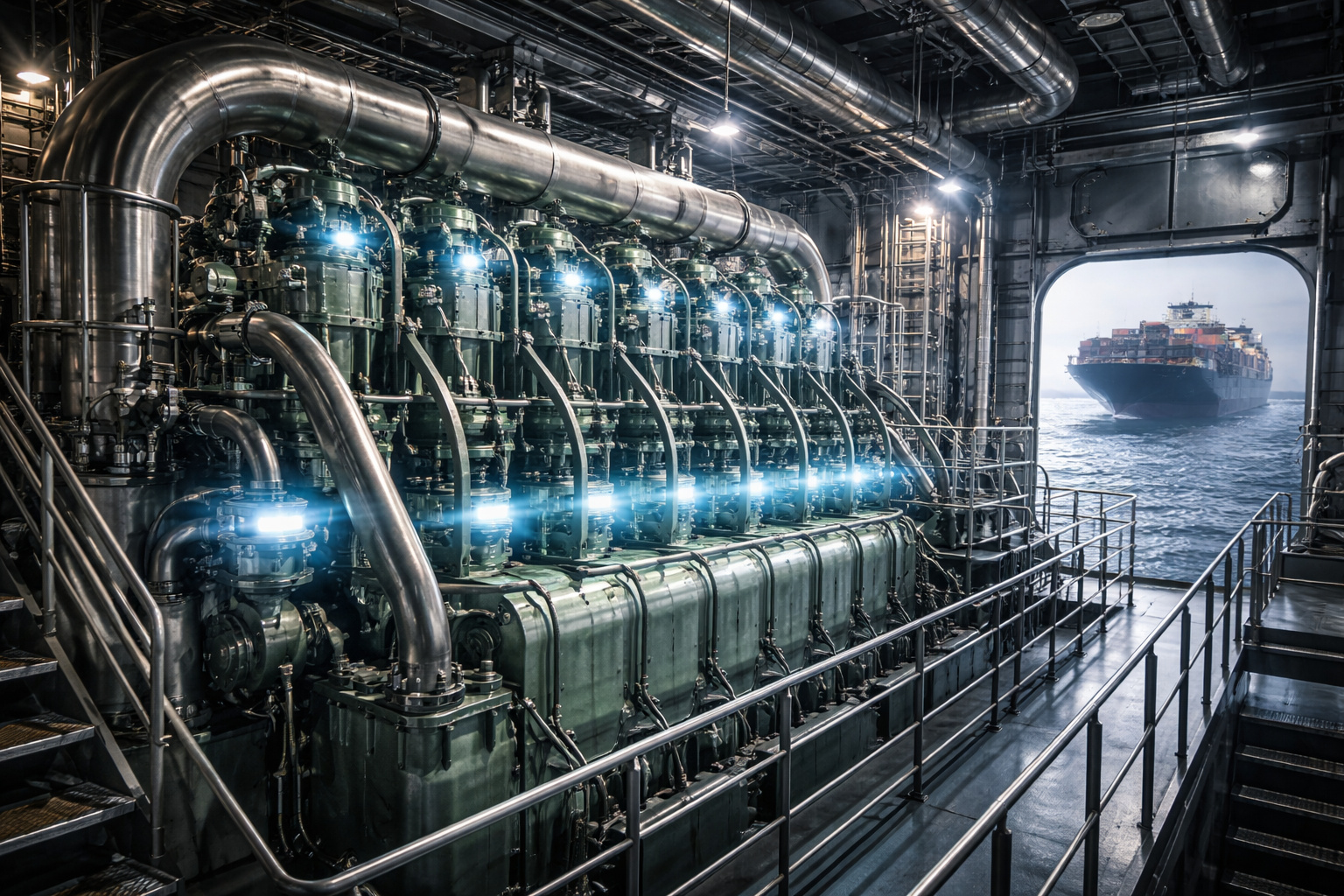
Europe is trying to create an ammonia-powered marine engine without auxiliary fuel, which could unlock the race for giant emission-free ships. The technology aims to eliminate one of the biggest obstacles to clean maritime propulsion.
-
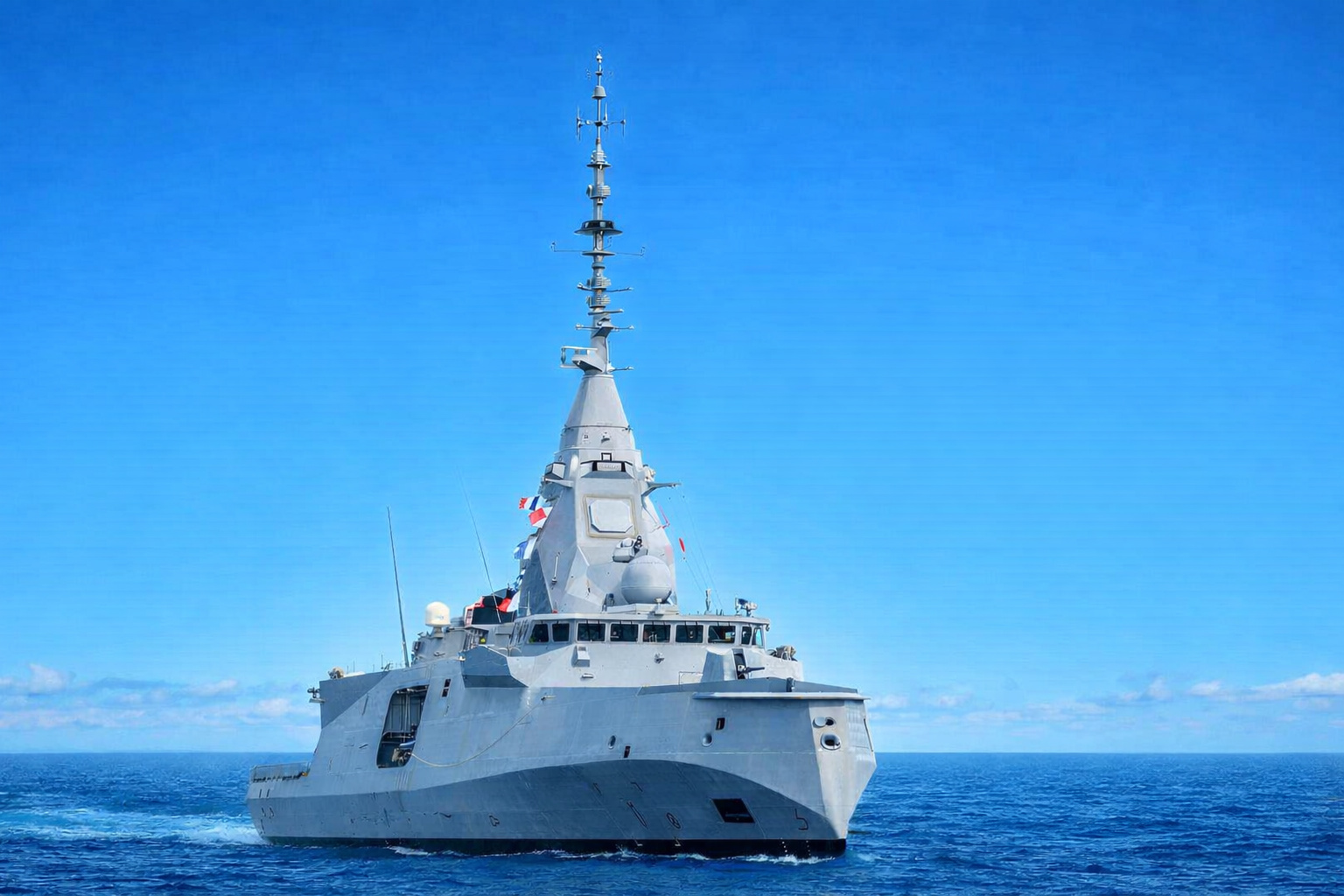
A 4,500-ton frigate with just over 100 crew members, state-of-the-art radar, and cruise missiles is being touted as the new standard of naval warfare in the 21st century.
-
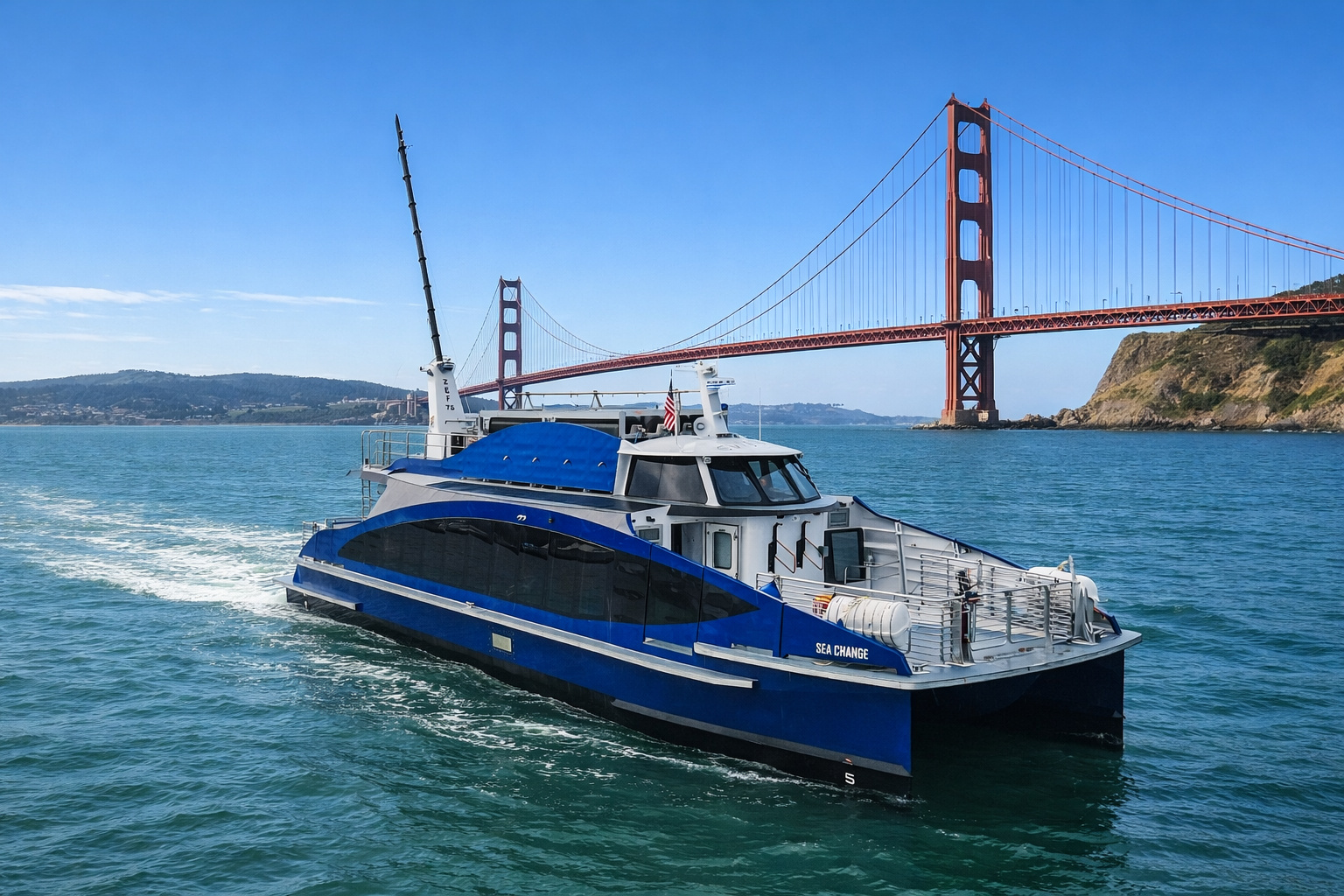
The first commercial hydrogen-powered ferry enters operation in the U.S., eliminates the use of diesel, uses fuel cells to generate clean energy on board, and transforms San Francisco Bay into a landmark of the new era of emission-free navigation.

Operating a billion-dollar submarine brings immense pressure. The constant threat of a hostile environment and the responsibility of handling nuclear weapons require rigorous mental and physical preparation. Isolation and the lack of natural light affect emotional well-being, making support among crew members vital to maintaining morale.
Submarines Serve as Laboratories for Ocean Research and Testing New Technologies in Extreme Conditions
The submarine is not just a submerged fortress, but also a key piece in the United States’ defense and attack strategy. Capable of launching nuclear missiles and conducting espionage in hostile territories undetected, the nuclear submarine is a demonstration of strength and technological advancement of the United States Navy.
In addition to its military role, these submarines serve as laboratories for ocean research and testing new technologies in extreme conditions. The studies conducted on board help improve not only military operations but also the scientific understanding of the oceans.
Thus, life inside a U.S. Navy submarine reveals a combination of discipline, camaraderie, and high technology, highlighting the necessary balance between human and mechanical capability to operate in one of the most challenging environments on Earth.








Seja o primeiro a reagir!