





 Portuguese
  English
  Spanish
  4 min of reading
  0 comments


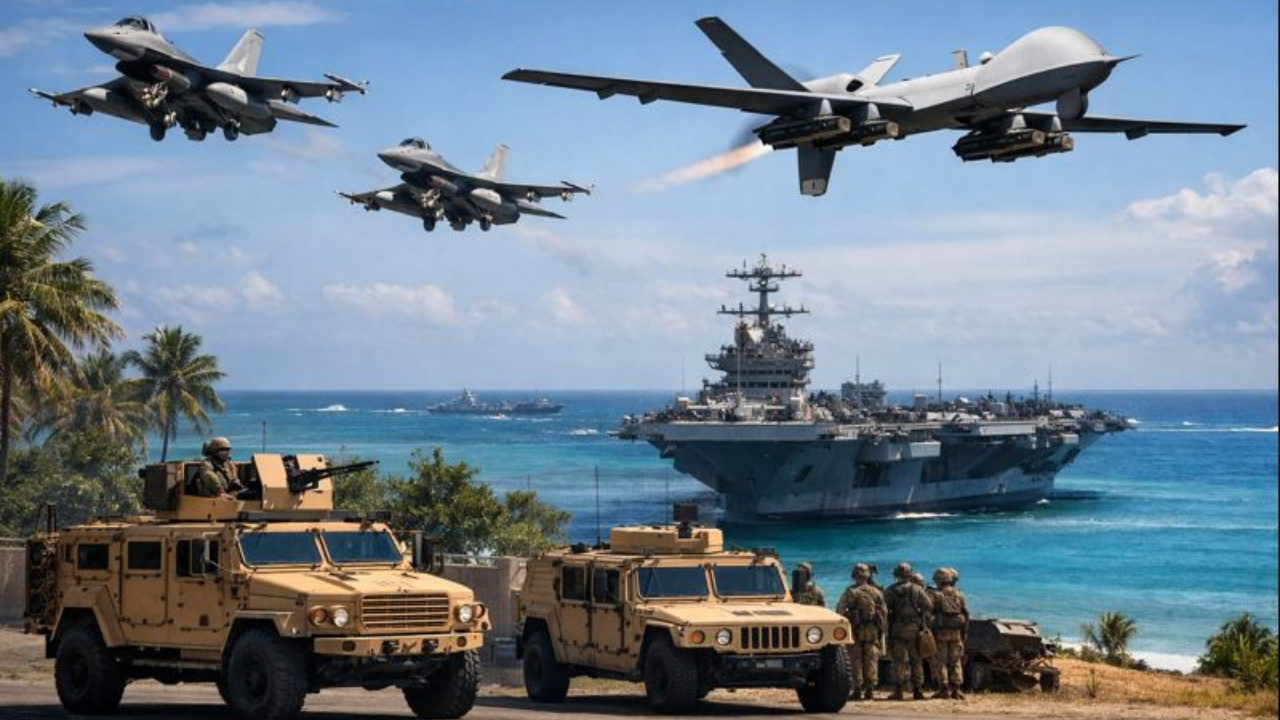
The Arrival of Airplanes and Drones from the United States to the Caribbean Increases Military Tension with Venezuela and Pressures the Regime of Nicolás Maduro.
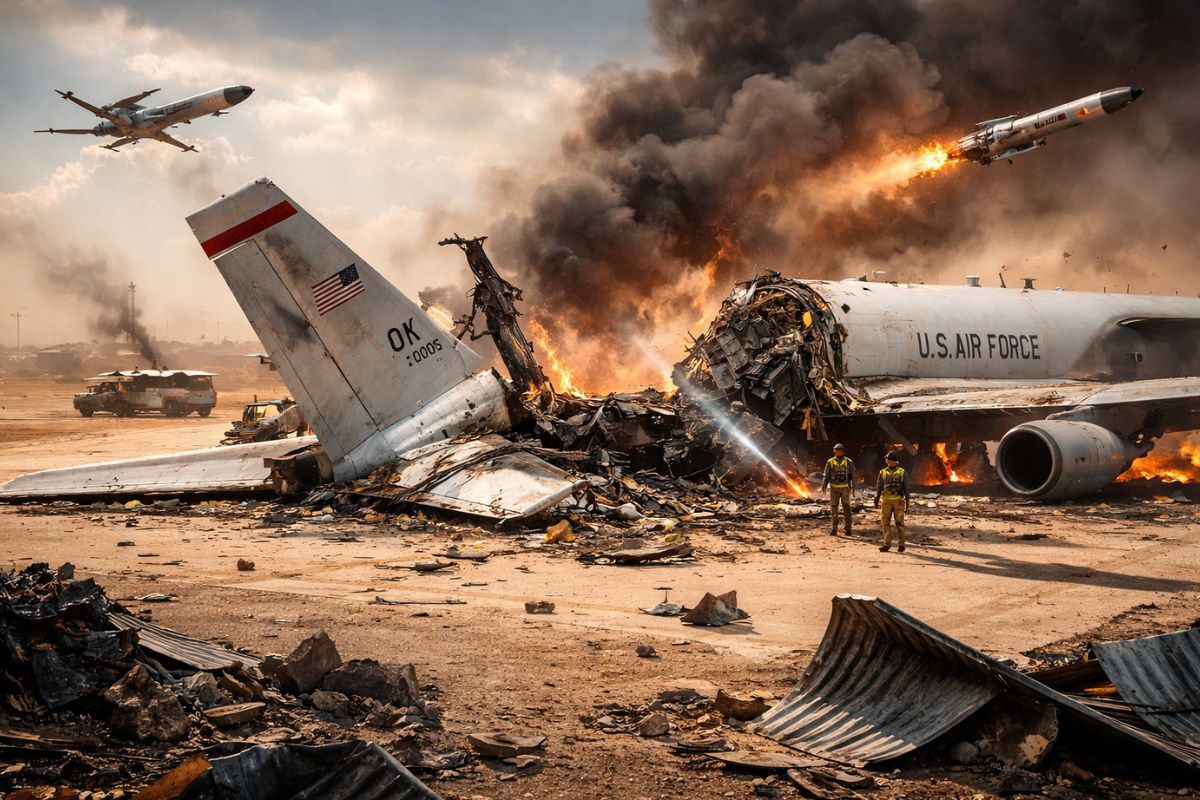
The arrival of new military aircraft from the United States, armored vehicles, and drones to the Caribbean reignited military tension with Venezuela this Sunday (28).
The reinforcements took place in Puerto Rico, where Humvees and MRAPs, vehicles designed to withstand mines and ambushes, were also spotted, in addition to the deployment of MQ-9 Reaper drones.
This mobilization involves decisions from the government of Donald Trump, amid escalating political and military pressure against the regime of Nicolás Maduro.
-
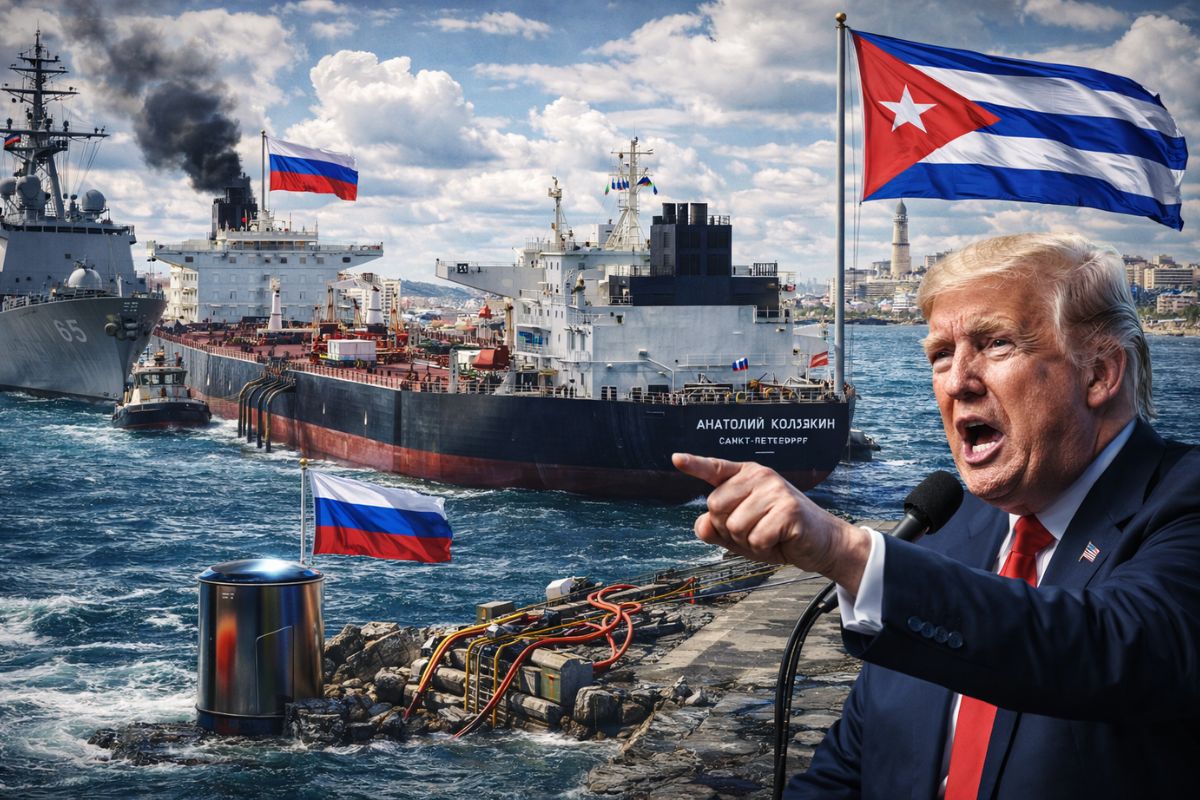
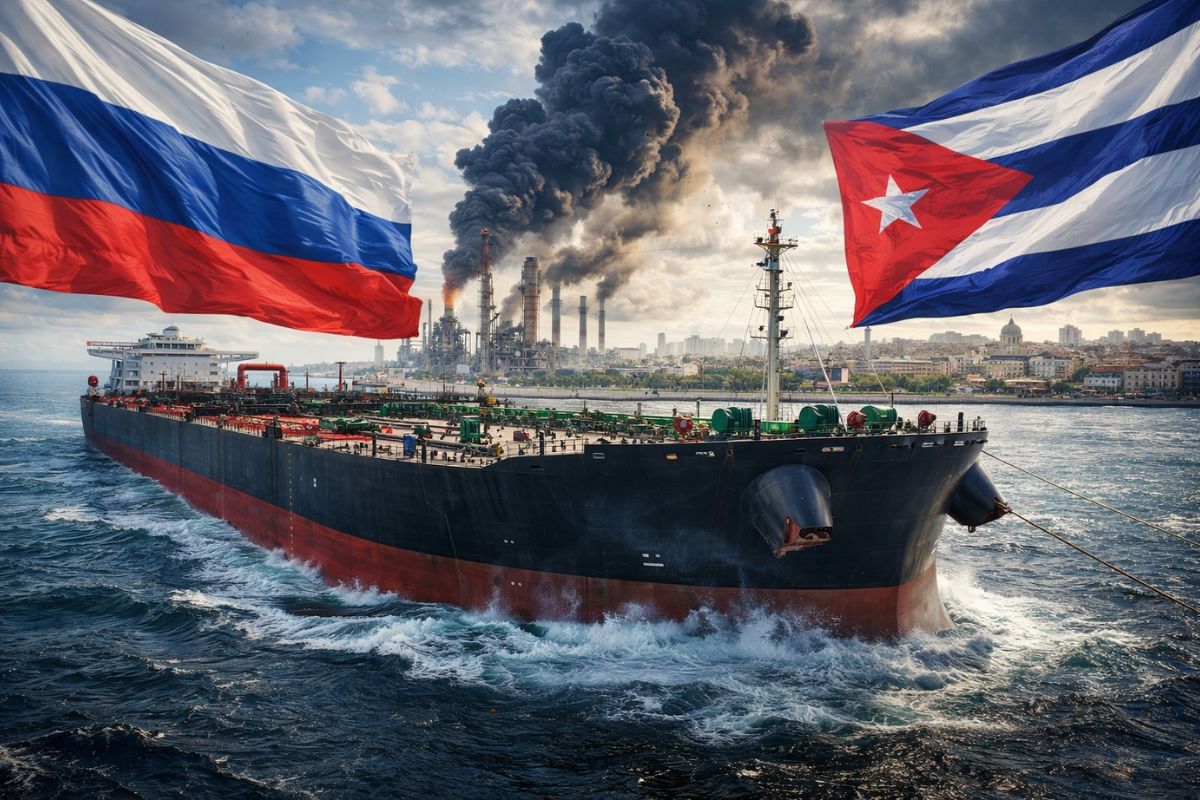
Russia has broken the U.S. maritime blockade to send oil to Cuba and is now loading a second ship while Trump says that “Cuba is next” in a possible military action against the island.
-
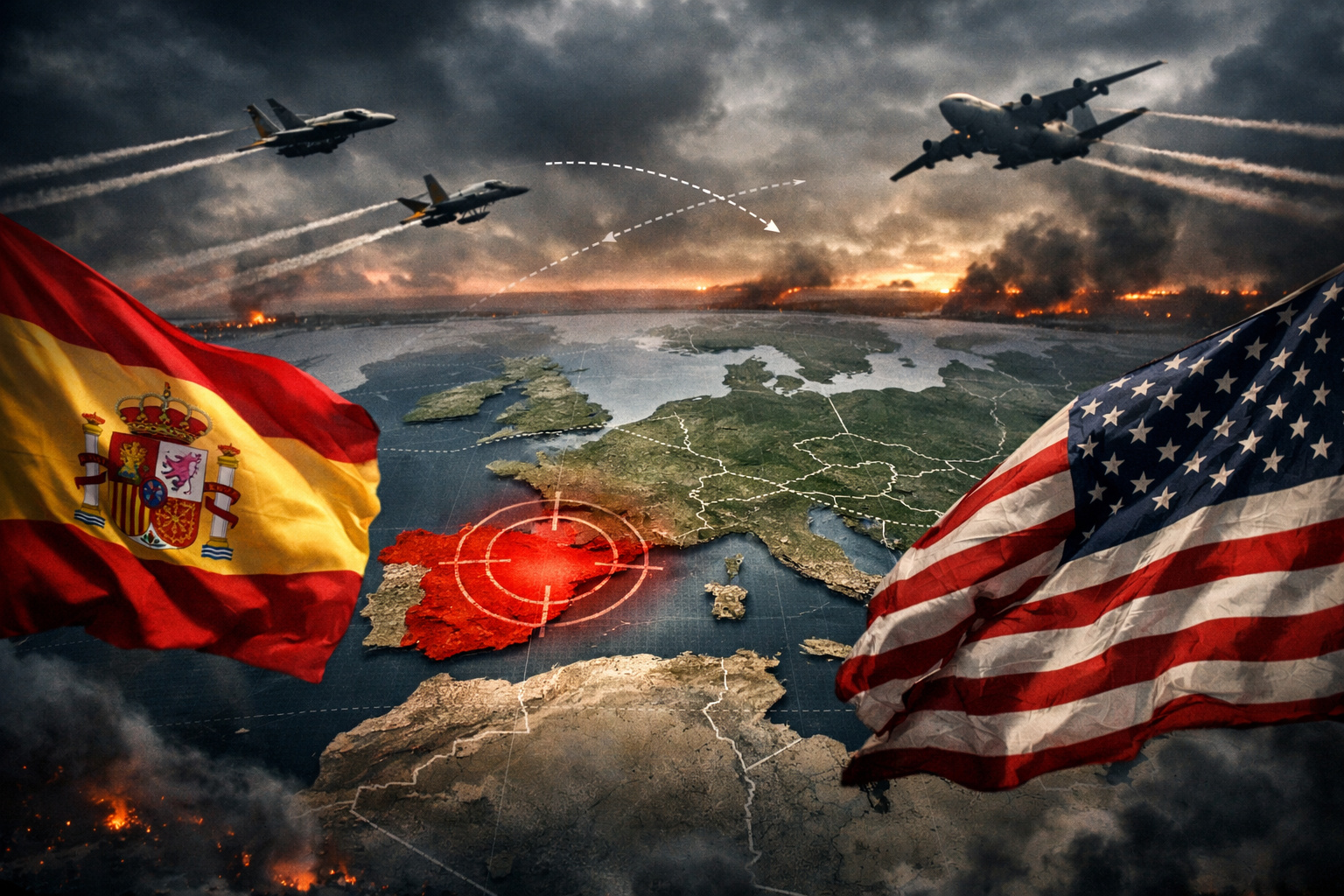
Spain challenges the USA and closes its airspace for operations against Iran, raising global tension and provoking the threat of a trade rupture.
-
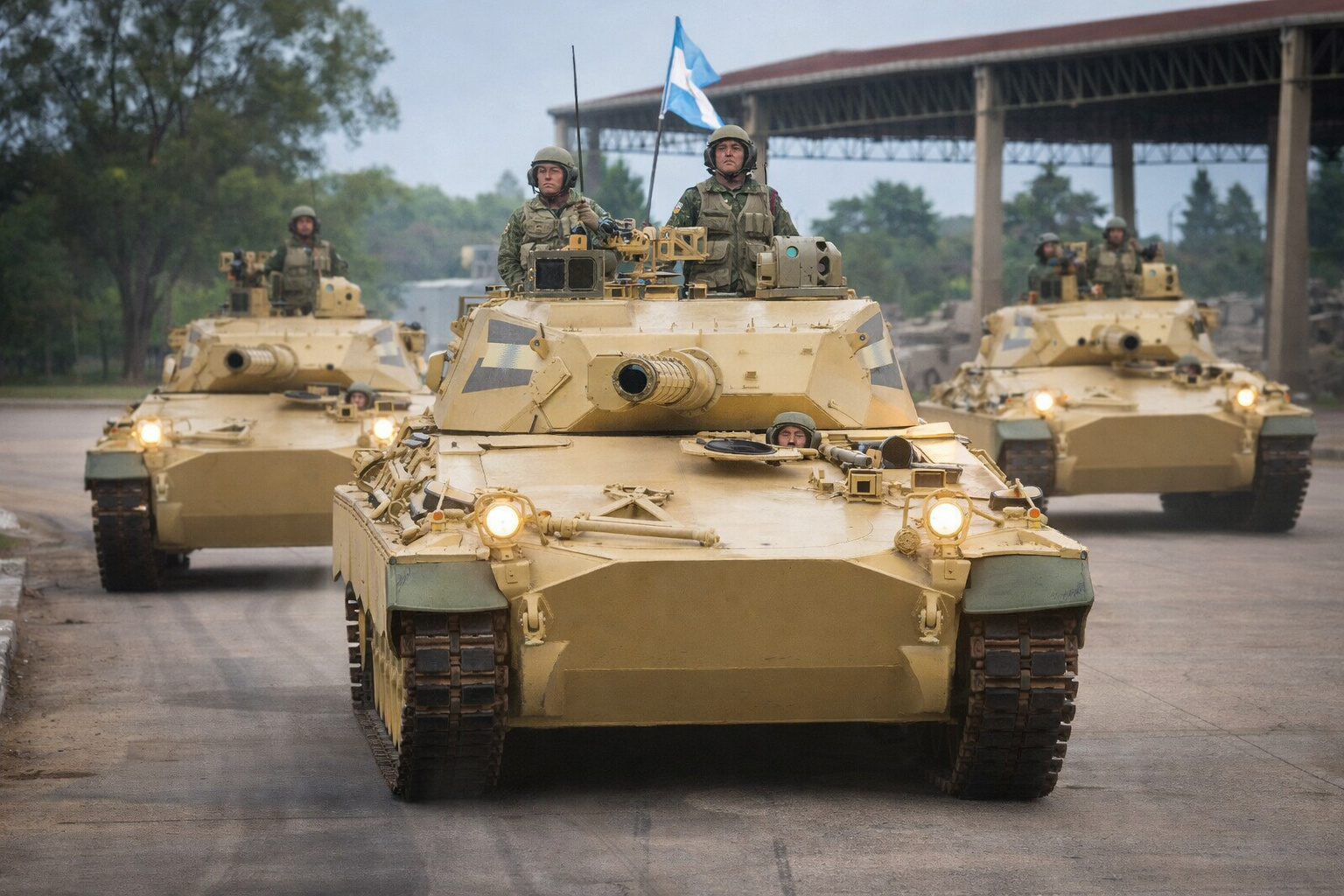
While no other country manufactures tanks in Latin America, Argentina activates the TAM 2C-A2 and raises a curiosity about the technological lag in the region.
-
A Russian ship with 730,000 barrels of oil has just arrived in Cuba while Mexico negotiates fuel sales through private companies: the communist island is desperately seeking alternatives after losing its supply from Venezuela due to American military action.

The expansion of the military presence occurs now, in the Caribbean, under the justification of combating drug trafficking, but experts point out that the movement goes beyond security operations.
The deployment of aerial, ground, and naval assets suggests a strategy of deterrence, which raises the risk of regional instability.
Military Reinforcements and Drones Raise Regional Alert
Besides the aircraft, the presence of MQ-9 Reaper drones draws attention due to their long-range surveillance capacity and armed operations.
Although the Pentagon has not detailed specific missions, the arrival of this equipment enhances the operational reach of the United States in the Venezuelan vicinity.
Meanwhile, the movement of armored vehicles and troops reinforces the understanding that military tension is not limited to isolated exercises.
On the contrary, it is a demonstration of strength with potential diplomatic and strategic impact for the entire Caribbean region.
Origin of Tension Between the United States and Venezuela
The tension between the United States and Venezuela gained new momentum in August when the government of Donald Trump raised the reward to US$ 50 million for information leading to the arrest of Nicolás Maduro.
The measure marked a shift in tone, signaling a hardening of U.S. foreign policy towards Caracas.
Since then, Washington has intensified sanctions and expanded military operations in the Caribbean, reinforcing the narrative of confronting drug trafficking.
However, Venezuelan authorities classify the actions as political pressure and a threat to the country’s sovereignty.
Operations at Sea and Legal Questions
The actions of the United States include attacks and boarding of vessels in the Caribbean and the Pacific, under suspicion of drug transportation.
On the other hand, organizations and international analysts raise doubts about the legality of these operations, especially when they occur close to Venezuelan territory.
Additionally, the U.S. government directly accuses the regime of Nicolás Maduro of ties to drug trafficking and the so-called Cartel de Los Soles, a central argument to support the expansion of military and diplomatic actions.
Political Plans and Direct Contacts Between Leaders
According to sources interviewed by CNN, the government of Donald Trump discussed scenarios for “the day after” the possible deposition of Maduro, although there is no official decision on a direct attack on Venezuela.
This information reinforces the perception that military tension is part of a broader political calculation.
At the end of November, Trump spoke by phone with Maduro, just days before the United States classified the Venezuelan as a member of a foreign terrorist organization.
The Venezuelan leader was said to have received an ultimatum to leave power and the country, but he did not comply with the demand.
Tankers, Blockade, and Diplomatic Escalation
Another critical point in the escalation was the seizure by the United States of a tanker off the Venezuelan coast.
The regime of Nicolás Maduro reacted, classifying the action as “blatant theft” and “an act of international piracy”.
Subsequently, Donald Trump announced a “total blockade” against sanctioned tankers from Venezuela, stating he would not allow “anyone to pass without due right”.
The declaration solidified the confrontation climate and reinforced the understanding that the crisis goes beyond the diplomatic field.
Scenario of Uncertainty and Regional Impacts
In this context, the military tension between the United States and Venezuela remains one of the main focuses of instability in the Caribbean.
The expanded presence of troops, drones, and warships increases the risk of incidents and pressures neighboring countries to adopt cautious positions.
Thus, while Washington maintains the narrative of combating organized crime, Caracas denounces external interference.
The result is a scenario of uncertainty, in which each new military movement reinforces the escalation and keeps the region on alert.




-

Uma pessoa reagiu a isso.