





 Portuguese
  English
  Spanish
  5 min of reading
  0 comments


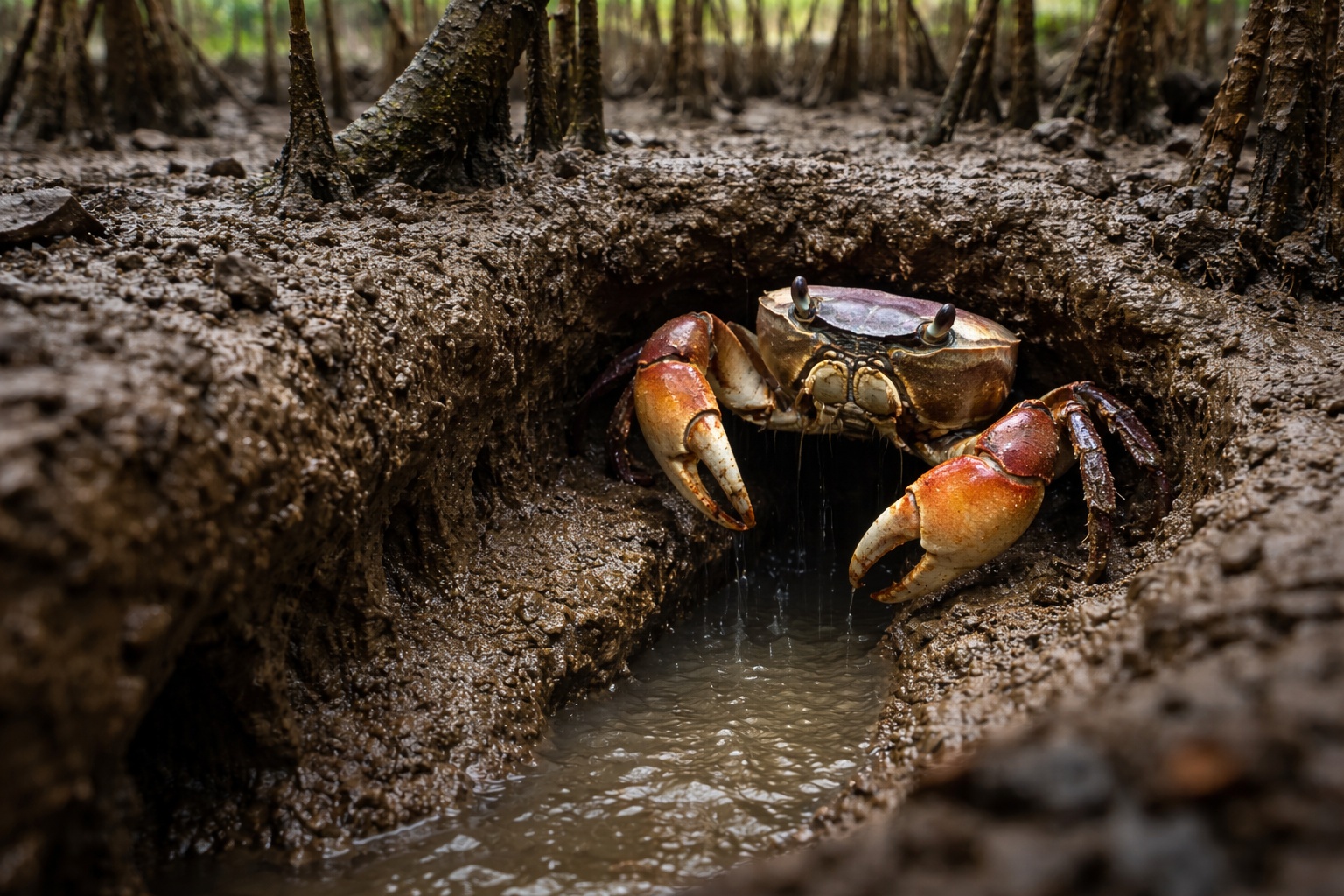
Ucides Cordatus Crab Digs Tunnels That Drain Mangroves, Oxygenate The Soil, And Influence The Carbon Cycle In Tropical Coastal Zones.
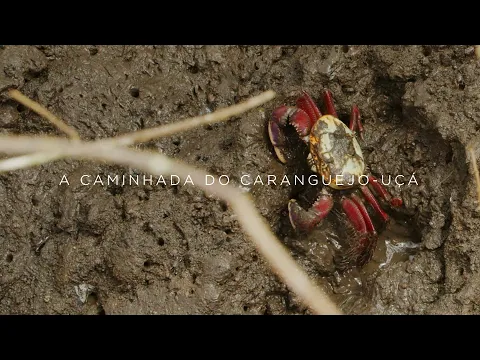
When we think of species capable of transforming an ecosystem, we often imagine large herbivores, top predators, or highly organized social insects. However, in tropical mangroves, this role of “ecosystem engineer” belongs to a discreet, small animal that is almost always hidden in the mud: the Ucides cordatus, commonly known as the ucá crab. Distributed along the Atlantic coast of South America, including Brazil, it digs deep, branched galleries that, when concentrated, alter physical, chemical, and biological processes so significantly that some scientists began to consider these crustaceans fundamental agents of coastal biogeochemistry.
And the most surprising part is that this doesn’t happen on a small scale. In certain mangrove areas, researchers have recorded thousands of tunnels per hectare, each with the potential to alter water flow, oxygen availability, sediment transport, and export of organic carbon to estuarine zones. The “engineering” of these crabs occurs silently, but its effect dominates the ecology of tropical mangroves.
Ucides Cordatus: The Hidden Engineer of Tides
The U. cordatus is a tree crab adapted to the extreme routine of the mangrove: it lives between tidal cycles, enduring abrupt variations in salinity and low levels of oxygen in the substrate. Most of the time, however, it remains inside tunnels that can exceed 1 meter in depth, usually dug in areas close to the roots of red mangrove, white mangrove, and black mangrove.
-
With a cost per shot close to zero, the DragonFire laser could change naval warfare in 2027 and provide British ships with nearly unlimited defense against drones.

-
A British startup creates tires that generate electricity in electric vehicles when passing over potholes, speed bumps, and cracks.

-
Scientists have created robots made with living cells that have their own nervous system, swim on their own, explore the environment, and self-organize without any genetic engineering, and now they want to do the same with human cells.

-
Students create a solar-powered ambulance that operates without a plug, without fuel, and still keeps medical equipment running in remote areas.


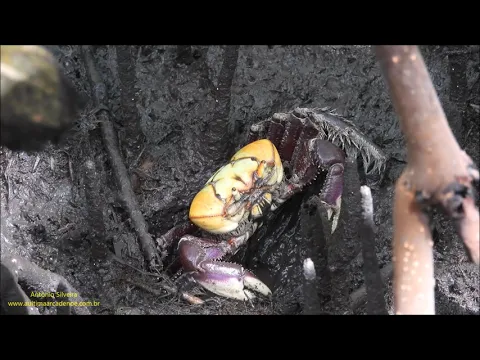

These galleries are not just shelters. They function as drainage and oxygenation structures, increasing soil permeability and altering fundamental processes for the health of the mangrove.
Continuous digging also exposes deep layers of sediment to the external environment, promoting chemical interactions that would hardly occur in the absence of the crab. It is a relentless job, repeated by large populations.
Tunnels, Drainage, and Water Transport: The Subterranean Hydrology of Mangroves
The mangrove soil is saturated with water, low in oxygen, and highly reduced from a chemical standpoint. The presence of thousands of tunnels per hectare alters this condition. These underground channels:
– increase internal drainage,
– facilitate tidal infiltration,
– connect sediment layers,
– move water between the soil and the surface.
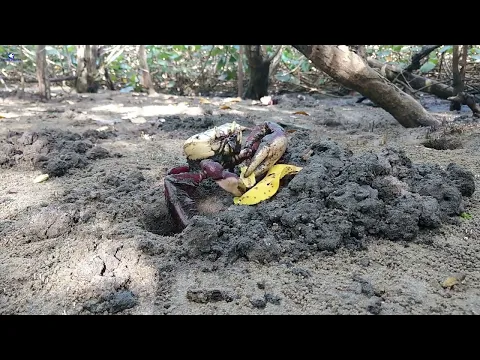
The result is less compact and more dynamic soil. In some areas, measurements have shown that regions with high tunnel density drain faster after low tide than areas without crabs, creating differences in microtopography and influencing the distribution of plant and microbial species.
This invisible hydraulic action helps explain why mangroves with healthy crab populations have better nutrient circulation and greater resilience to extreme events, such as floods and droughts.
Oxygenation and Biogeochemistry: When Digging Becomes Ecological Chemistry
Most people do not associate a crab with soil oxygenation, but that is exactly what happens. By opening channels that connect anoxic layers to the atmosphere, the U. cordatus promotes the entry of molecular oxygen (O₂) and the replacement of reduced compounds, such as sulfides, which can be toxic to plant roots.
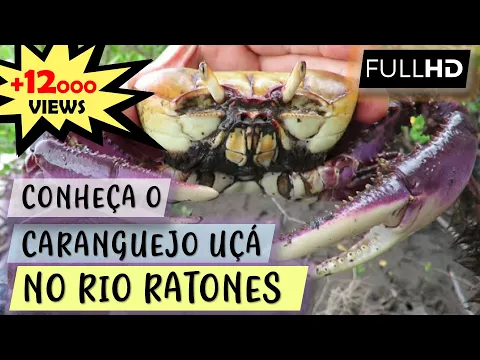
This exchange modifies the chemical conditions of the mangrove. Among the effects recorded by researchers are:
– reduction of sulfides,
– increase of oxidized iron,
– reconfiguration of microbial communities,
– stimulation of nitrification and denitrification,
– increase of organic matter decomposition.
These processes favor the cycling of essential nutrients, including nitrogen, phosphorus, and carbon, strengthening the primary productivity of mangrove trees.
Carbon Export: The Impact That Comes Out of The Mud and Reaches The Sea
One of the most intriguing aspects is that the digging behavior of the U. cordatus also influences the global carbon cycle. Mangroves are among the most efficient ecosystems at sequestering carbon, accumulating large amounts of highly stable organic matter in the sediment.
However, digging alters how this carbon is:
– degraded,
– redistributed,
– exported to subtidal areas.
By stirring the sediment, the crab:
- grinds leaves and detritus, facilitating microbial decomposition;
- exposes carbon to oxygenated areas, accelerating microbial respiration;
- carries particles out of the tunnel, contributing to export.
Part of this exported carbon goes to estuaries, bays, and open sea, where it enters food chains or deposits back in deep areas.
The magnitude of this process is still debated, but international studies suggest that digging crustaceans may accelerate lateral carbon flow, connecting coastal stocks to marine production.
Ecological Engineering and Coevolution with The Mangrove
There is evidence that mangrove trees benefit indirectly from the tunnels. By reducing sulfides and increasing oxygen, crabs alleviate root stress in plants, allowing Rhizophora mangle and Avicennia schaueriana, for instance, to grow more efficiently.
This creates a positive ecological feedback:
– the mangrove provides leaves and roots,
– the crabs grind and recycle the matter,
– soil chemistry improves,
– the mangrove grows more,
– the crabs get more food.
It is a type of community engineering, involving plants, crustaceans, and microorganisms.
What Happens When The Crab Disappears
In regions where U. cordatus populations have declined — due to overfishing, habitat loss, or diseases such as ucá crab mortality syndrome — researchers have observed drastic changes:
– lower drainage,
– increased sulfides,
– decline in organic matter recycling,
– loss of mangrove productivity.
The population collapse showed that the absence of this crustacean is not only a problem for fishermen but for the entire ecosystem dynamic of the mangrove.
An Invisible Engineering That Redefines The Value of Mangroves
What makes all this impressive is that we are talking about an animal that measures less than 10 centimeters, yet directly participates in the hydrological stability, chemical health, and biogeochemical cycling of one of the world’s most important and threatened ecosystems.
Science has begun to see the mangrove not just as a cluster of exotic trees and mud, but as an ecological machine driven by subtle interactions. And at the center of this machine, crabs are digging, grinding, draining, breathing, and exporting carbon — silently, inch by inch.
In light of this, a question arises: if a crustacean can reconfigure an entire ecosystem, how many other invisible pieces remain to be recognized in tropical coastal zones?








-

-

-

-

-

-

21 pessoas reagiram a isso.