





 Portuguese
  English
  Spanish
  4 min of reading
  2 comments


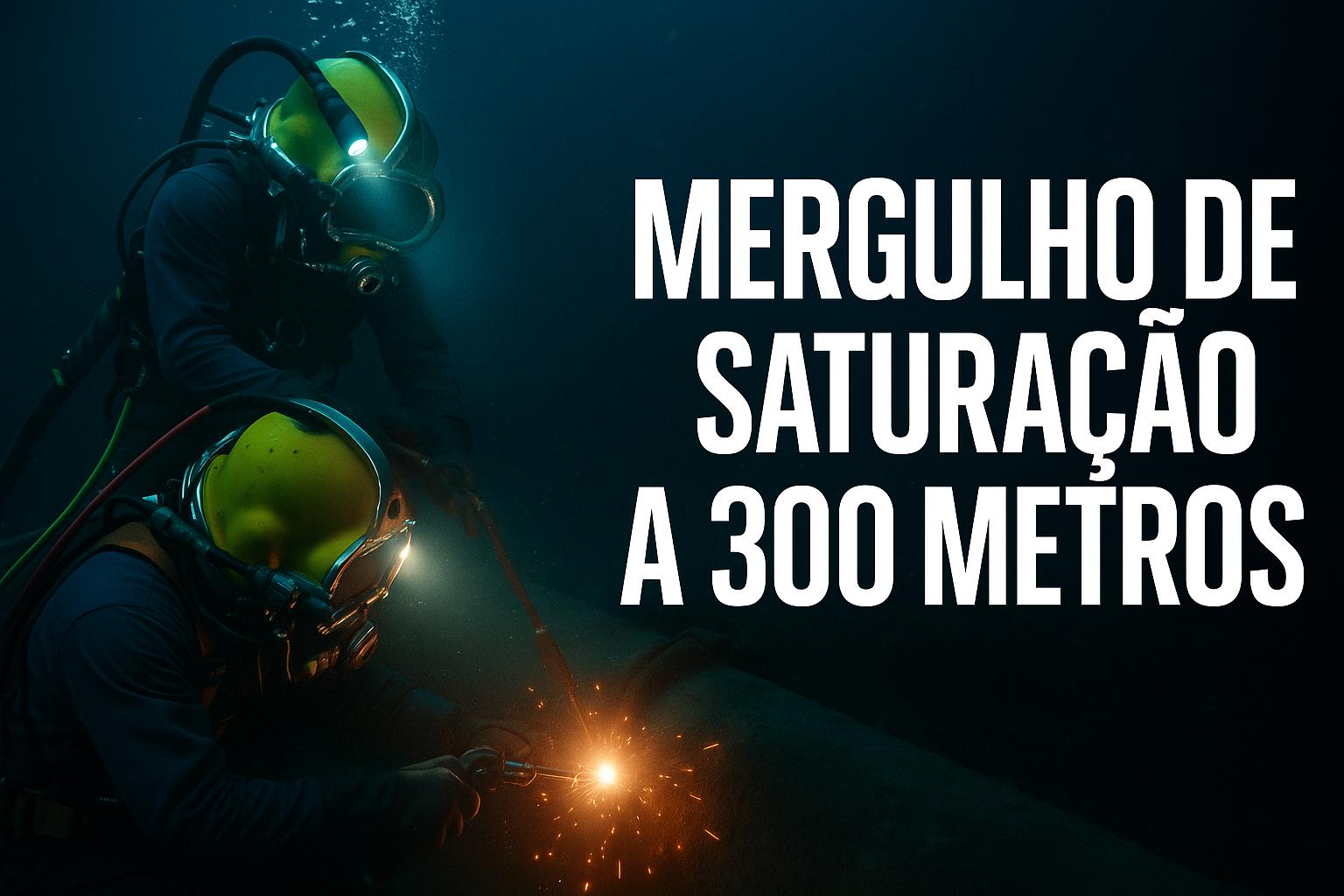


Saturation Divers Descend to 300 Metres in Absolute Darkness to Repair Pipelines Under Extreme Pressure and Can Earn Up to R$ 40 Thousand Offshore.
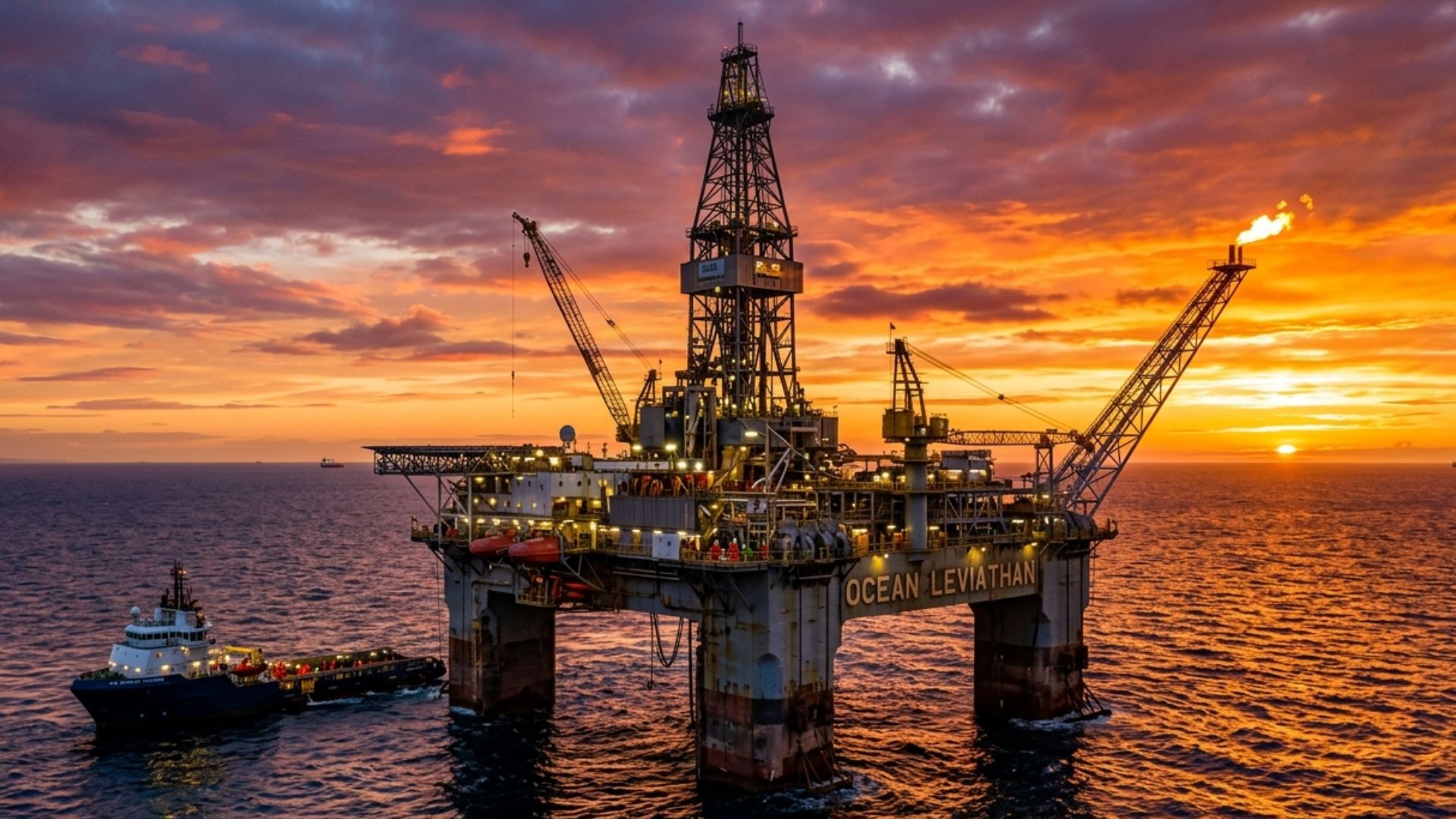
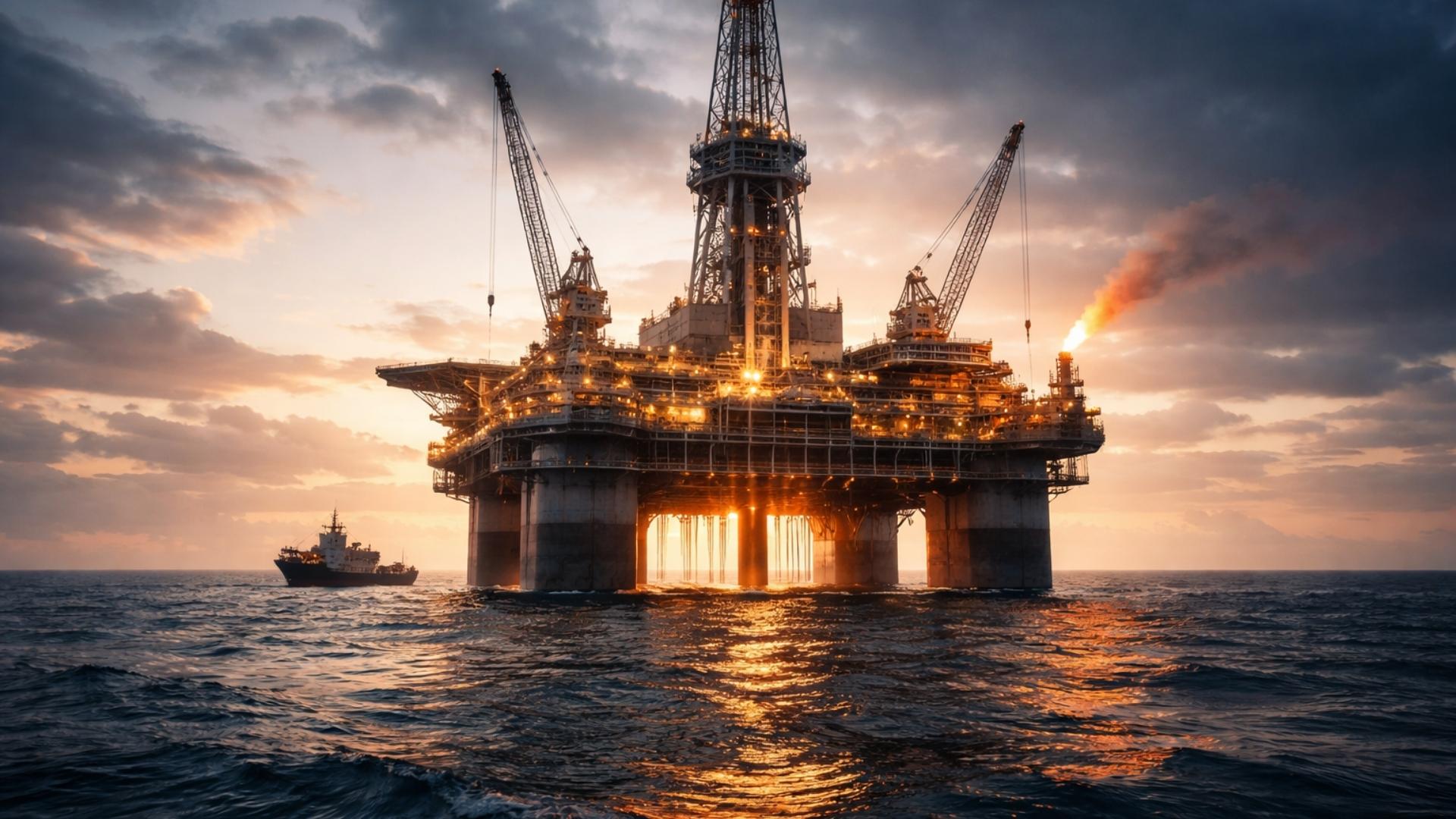
The routine of a saturation diver, known worldwide as a sat diver, is one of the most extreme, technical, and physically challenging activities in the entire oil and gas industry. These professionals descend to depths of up to 300 metres, where light does not reach, temperatures drop drastically, and ocean pressure reaches the equivalent of 30 atmospheres — a force capable of crushing any human without proper protection. In operations of this type, carried out in Brazil and in various international fields in the Gulf of Mexico, North Sea, and African coast, salaries can reach R$ 40 thousand per month, a direct reflection of the risk, required qualifications, and the rarity of these specialists.
The activity is so complex that it involves not just diving: it is a complete industrial process, with hyperbaric chambers, pressurization and decompression routines, underwater robots, specialized medical teams, and international protocols rigidly controlled by the IMCA (International Marine Contractors Association).
How Saturation Diving Works: Living Under Compression for Weeks
To reach depths greater than 150 metres, it is not possible to descend and ascend every day; the human body would not withstand it. Instead, divers live inside pressurized hyperbaric chambers, with the same pressure they will face at the bottom of the sea. It is as if they are “living” at 200 or 300 metres deep.
-
The rise in oil prices could ensure an extra revenue of R$ 100 billion for the Federal Government, indicates a recent economic study.

-
Naturgy begins an investment of R$ 1.6 million to expand the gas network in Niterói and benefit thousands of new residences and businesses.

-
A major turn in the Justice system suspends tax increases and directly impacts oil and gas companies in Brazil by affecting costs, contracts, and financial planning, leaving uncertain what could happen to the sector if these costs had increased.

-
Brava Energia begins drilling in Papa-Terra and Atlanta and could change the game by reducing costs in oil while increasing production and strengthening competitiveness in the offshore market.
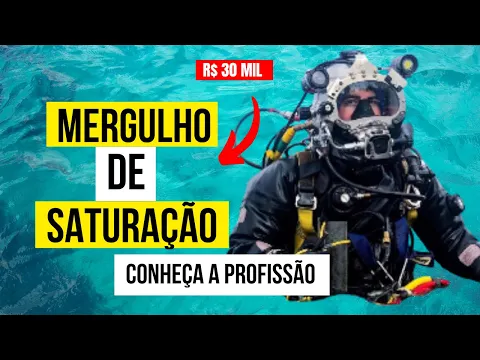

This process is called saturation, because body tissues become saturated with inert gas, preventing sudden pressure changes. The team remains in this environment for:
- 15 to 28 days, on average,
- breathing a controlled mixture of helium and oxygen,
- in chambers interconnected by transfer systems that take the diver from the chamber to the bell — a metal capsule that descends to the seabed.
Only after the mission is completed is decompression performed, which can last up to 10 days, depending on the depth and duration of the stay.
Working at 300 Metres: Zero Light, Extreme Cold, and Helium Noise
At 300 metres deep, the environment resembles nothing found on the surface. It is a silent, cold, and completely dark world. Sat divers work:
- with temperatures ranging from 2°C to 4°C,
- in nearly zero visibility,
- wearing suits that weigh over 50 kg,
- carrying hydraulic tools that operate under high pressure.
The air they breathe contains little oxygen, just enough to avoid toxicity and a lot of helium, which creates the famous “duck voice” effect but also reduces the risk of dangerous narcosis. Therefore, communication between the surface and the diver goes through electronic filters, adjusting the sound to be understandable.
The work is performed in short shifts, usually lasting 6 to 8 hours, because prolonged exposure can lead to hypothermia, extreme fatigue, and respiratory problems.
Pipeline Repairs, Underwater Welding, and Steel Cutting: What They Do Down There
The vast majority of tasks involve interventions on:
- oil and gas pipelines,
- valves and manifolds,
- flexible lines,
- BOPs (blowout preventers),
- structural bases and sections of platforms.
Actions may include:
- precision underwater welding,
- installation of repair clamps,
- steel cutting with water jets or hydraulic tools,
- visual inspections in areas where ROVs cannot reach,
- replacement of high-risk valves and connections.
The care is extreme: a failure can cause a pressurized leak capable of dragging the diver or creating an environmental accident.
Why These Professionals Earn Up to R$ 40 Thousand Per Month
The high salary can be explained by the combination of:
- Real Physical Risk — disorientation, decompression, hypothermia, technical nobility, and environmental hazards.
- Intensive Training — it takes years to train a certified sat diver.
- High Demand, Low Supply — few professionals in the world can perform this function.
- Extreme Environment — temperature, pressure, and total isolation.
- Long Shifts and Confinement — weeks living pressurized in a capsule.
Companies like Subsea7, TechnipFMC, Global Diving & Salvage, and Oceaneering confirm that divers in Brazil and abroad receive:
- base salaries between R$ 20 thousand and R$ 30 thousand,
- field, risk, and embarkation bonuses,
- which can exceed R$ 40 thousand monthly.
A Job That Combines Courage, Science, and Subaquatic Engineering
Saturation diving is a rare mix of human skill, biology, physics, and deep technology. Sat divers form one of the last frontiers where humans still perform tasks that robots cannot fully replace.
They operate under extreme conditions, dealing with critical equipment to keep platforms and pipelines running and avoiding environmental risks.
The offshore industry depends on them, and each dive, each operation, each repair at 300 metres deep shows that this profession remains one of the most extraordinary and challenging in the world.





Uma grande mentira na matéria a respeito do salário.Hoje sou o único mergulhador saturado com registro em carteira,mais estou sem mergulhar,já que a Petrobrás resolveu trocar a nossa mão de abra pelo ROV,o que fazemos em 30 dias o ROV demora uns 6 meses.Lá fora o mergulho está bombando, pois o gringo dá valor ao custo benefício,mais aqui no Brasil preferem torrar o dinheiro…
Quanta mentira junta relacionada ao salário, não se ganha entre 20k e 40k por mês, salário base de mergulhador saturado não passa de 7k e se ganha muito menos quando não está em regime de embarque pois nós mergulhadores saturados não ganhamos a mesma coisa quando embarcamos, esse glamour em cima da nossa profissão é fantasiosa, e outra, a maior empresa petrolífera do país fez questão de abrir mãos de nossos trabalhos alegando que as operações de mergulho não são seguras porém enquanto o mundo não abre mão do Mergulhador Saturado aqui simplesmente é desmerecido como numa reportagem de substituição da nossa mão de obra pelo ROV que considero fundamental para as operações subaquáticas mas nada vai substituir 100% a nossa mão de obra que é reconhecida mundialmente como uma das melhores.