





 Portuguese
  English
  Spanish
  6 min of reading
  0 comments


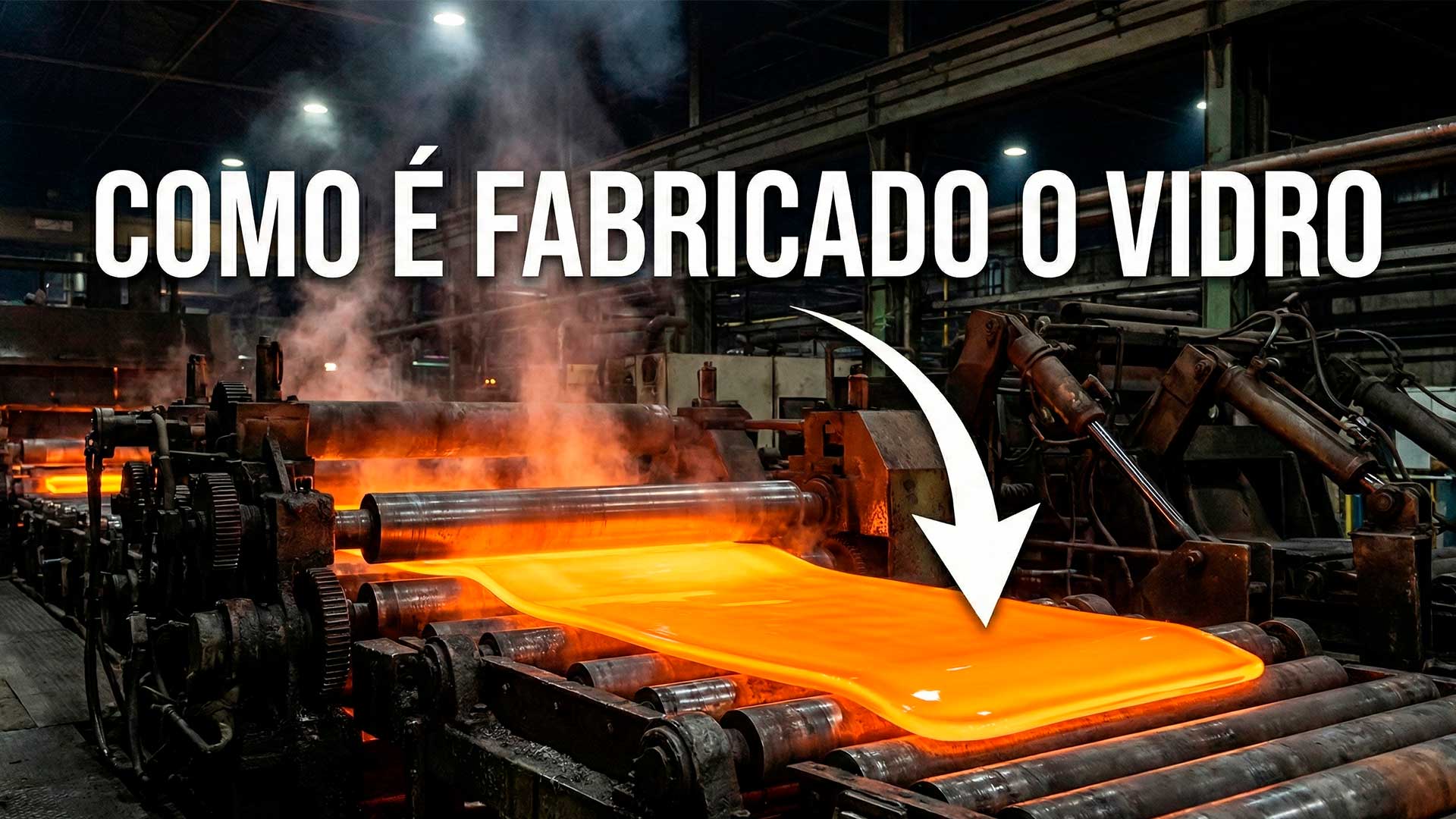
Glass Production Consumes Millions of Tons of Silica Sand Per Year and Depends on Furnaces at Extremely High Temperatures, Cutting-Edge Technology, and Recycling of Broken Glass to Meet the Needs of Construction, Packaging, and Electronics Around the World
Every year, the global industry produces tens of millions of tons of flat glass and packaging, the raw material for windows, bottles, windshields, and cell phone screens. This seemingly simple material is made from an abundant ingredient, silica sand, heated in furnaces that exceed 1,500 ºC until it becomes an incandescent mass.
The journey from grain of sand to clear sheet involves explosives in deep mines, successive washings, controlled chemical mixtures, and production lines that run continuously for years. In countries like Brazil, demand especially comes from the construction industry, the automotive sector, and the packaging industry, which require increasingly strong and uniform glass.
At the same time, concerns are growing regarding the impact of sand mining on rivers and beaches and the energy consumption of the furnaces. International organizations, such as the United Nations Environment Program, warn that sand extraction can cause erosion, salinization of aquifers, and loss of biodiversity on a global scale.
-
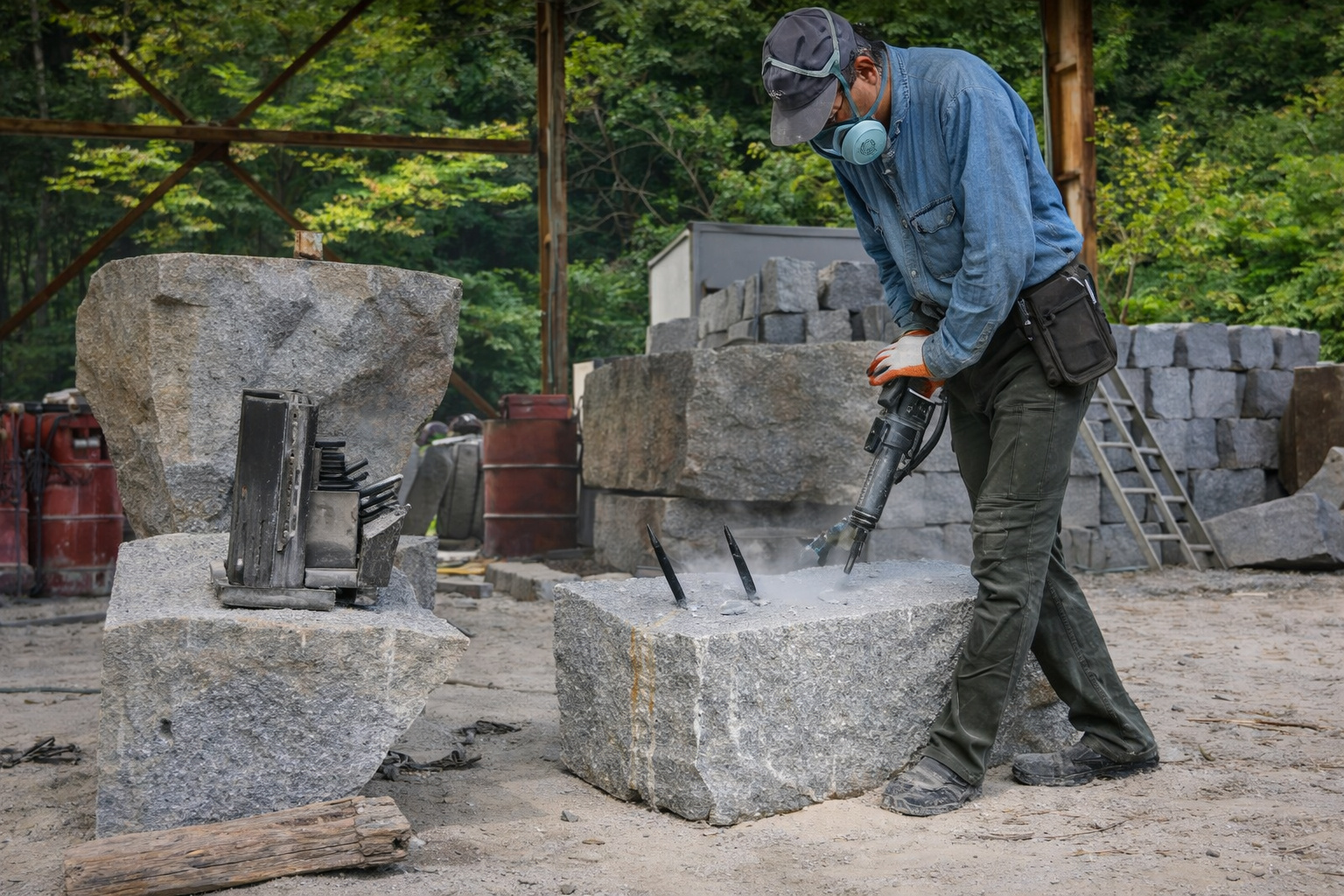
A Japanese mason transforms raw granite into small cups and handcrafted utensils, collects giant stones, cuts with precision, and impresses with detailed manufacturing and finishing.
-
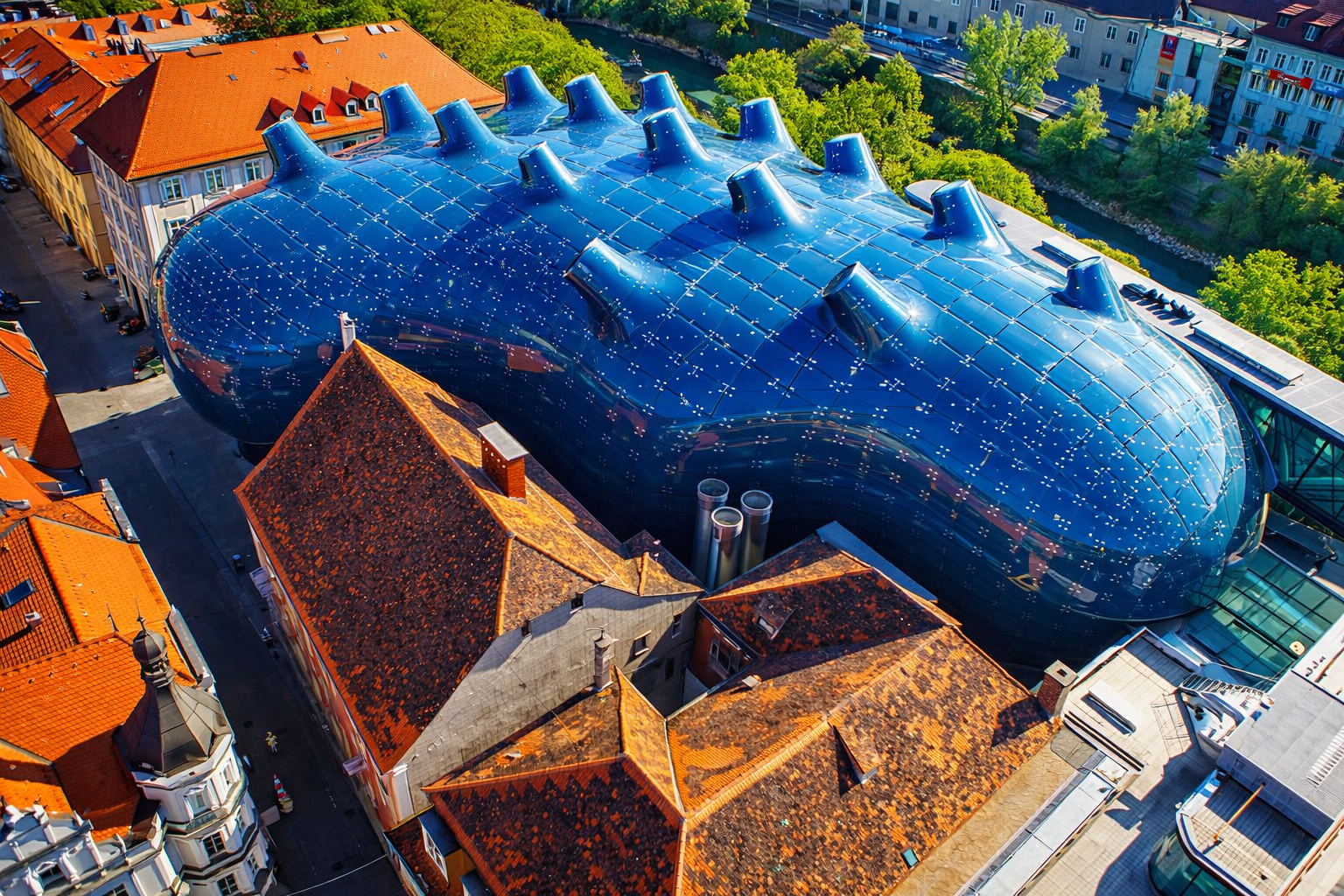
With 1,066 acrylic panels, the building known as the friendly alien is supported by a steel skeleton, has a façade that functions as a giant screen, and impresses the world without any internal columns.
-
Scientists warn that a comet about 1 km in size that has started to release gases may actually change direction in space. It was spotted by NASA and surprises with potential impacts near Earth.

-
These living root bridges and ladders are over 700 years old and help indigenous people survive in one of the rainiest regions in the world.


Next, see how glass is made, from the underground to the mirrored facades, and why glass recycling and the use of high-purity silica sand are crucial to making this chain more efficient and sustainable, including in the Brazilian context.
From Silica Sand to Ordinary Glass in Daily Life

Not all sand is suitable for making glass. The industry requires high-purity silica sand, with silicon dioxide content above 99%, usually found in specific deposits and not in the fine sands of beaches. In various regions, including open-pit mines in Brazil, extraction requires deep drilling and the use of explosives to dislodge large blocks of sandstone.
After detonation, excavators load the material for beneficiation plants. There, the washing stage begins, in tanks where the sand is agitated with water to remove clays, organic matter, and other unwanted minerals, followed by drying in large industrial dryers.
In regions like the interior of Bahia, companies are already supplying high-purity silica sand aimed at glass, solar panels, and high-performance applications.
In the factory, the clean sand enters a new phase. It is mixed with frit or soda ash and calcium carbonate, as well as small amounts of dolomite and other additives. Soda lowers the melting point of silica, saving energy, while calcium carbonate and dolomite help provide chemical stability and strength to the glass, forming what is called soda-lime glass, the type most commonly used in windows and bottles.
Furnaces at 1,650 ºC: The Heart of the Glass Industry
The batch of raw materials, known as “batch,” goes to large, continuous furnaces, usually heated with natural gas or hybrid with electricity. In these furnaces, the mixture is heated to temperatures between 1,500 ºC and 1,650 ºC, until it becomes a viscous liquid similar to lava.
In addition to new sand, a strategic ingredient enters the furnace, recycled glass cullet. For every 10% of cullet added, the industry can reduce the energy required for melting by about 2.5% and save more than a ton of raw materials for every ton of reused glass.
This decreases costs, CO₂ emissions, and the pressure on new sand deposits.
The Revolutionary Float Process and the Transformation into Sheets
For centuries, flat glass was produced by pouring the mass onto tables or cylinders, in expensive and flawed processes. This changed in 1959, when British engineer Sir Alastair Pilkington introduced the float process to the world, which quickly replaced almost all previous techniques.
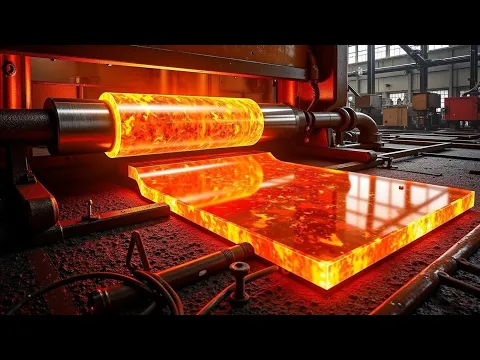
In the float process, molten glass flows continuously from the furnace and is poured onto a bath of liquid tin, inside a sealed tank. By action of gravity and surface tension, the mass spreads and “floats” on the metal, forming a perfectly flat ribbon, with uniform thickness and smooth surfaces on both sides, without the need for polishing.
Next, this still incandescent ribbon of glass enters a long controlled cooling furnace, called a lehr. There, the material is gradually cooled precisely to relieve internal stresses, which prevents cracks and increases the durability of the sheets.
A typical float line operates continuously for 10 to 15 years and can produce about 1,000 tons of glass per day, amounting to thousands of kilometers of sheets per year. Industry estimates indicate that about 90% of the world’s flat glass is already manufactured using this technology, which is used in building facades, automobiles, mirrors, and screens.
In parallel to the large automated lines, smaller factories and workshops still use crucible furnaces and more artisanal techniques for colored, decorative, or special glasses. In these units, experienced operators manually control the mixture, color, and viscosity of the glass, repeating precise movements to avoid bubbles and defects, as described in industrial videos about the routine of the largest glass factory in the United States.
From Incandescent Glow to Glass You See in the Window
After the glass leaves the tin bath or the crucible, it needs to take its final shape. In flat glass lines, carefully calibrated rollers guide the ribbon inside the furnaces, ensuring uniform thickness until the material reaches the required strength to be cut.
In the cutting stage, technicians mark the sheets with carbide-tipped tools and separate the panels into sizes required by the construction, automotive, or furniture industries.
The cutting residues return as cullet to the beginning of the process, closing part of the recycling cycle within the factory itself.
Glass Recycling, Energy Consumption, and Environmental Challenges
Due to requiring heating above 1,500 ºC, the glass industry is considered a sector difficult to decarbonize, with intense energy consumption and significant CO₂ emissions. Recent studies indicate that efficiency gains depend on both more modern furnaces and an increased share of cullet in the batches.
European countries show the potential of this strategy. According to data from industry organizations, the European Union already recycles about 75% to 80% of glass packaging, with goals to reach 90% by 2030, which significantly reduces emissions and sand extraction.
In Brazil, the situation is quite different. Surveys from Abividro and environmental organizations indicate that only about 25% of the glass consumed in the country is actually recycled, despite being an infinitely recyclable material. Experts consulted by outlets like CNN Brasil cite the lack of selective collection, insufficient reverse logistics, and low public engagement as barriers to expanding recycling.
At the same time, the global pressure for construction sand and for glass raises alarms about mining in rivers, lakes, and coastal areas. Reports linked to the UN point out that excessive sand removal exacerbates erosion, affects aquifers, and threatens communities that depend on these areas, which puts the glass industry in front of the challenge of using resources more responsibly.
In the end, the glass you see in the window or on your cell phone screen embodies a complex chain of mining, energy, chemistry, and logistics, starting in sand mines and ending in millimeter-cut sheets. Knowing this changes the way you view this material, or does it still seem like something simple and “invisible” in daily life? Leave your opinion in the comments and let us know if you think Brazil should demand more from companies and consumers to increase glass recycling or if the problem lies elsewhere in this chain.







-

-

-

-

-

-

15 pessoas reagiram a isso.