





 Portuguese
  English
  Spanish
  3 min of reading
  1 comment


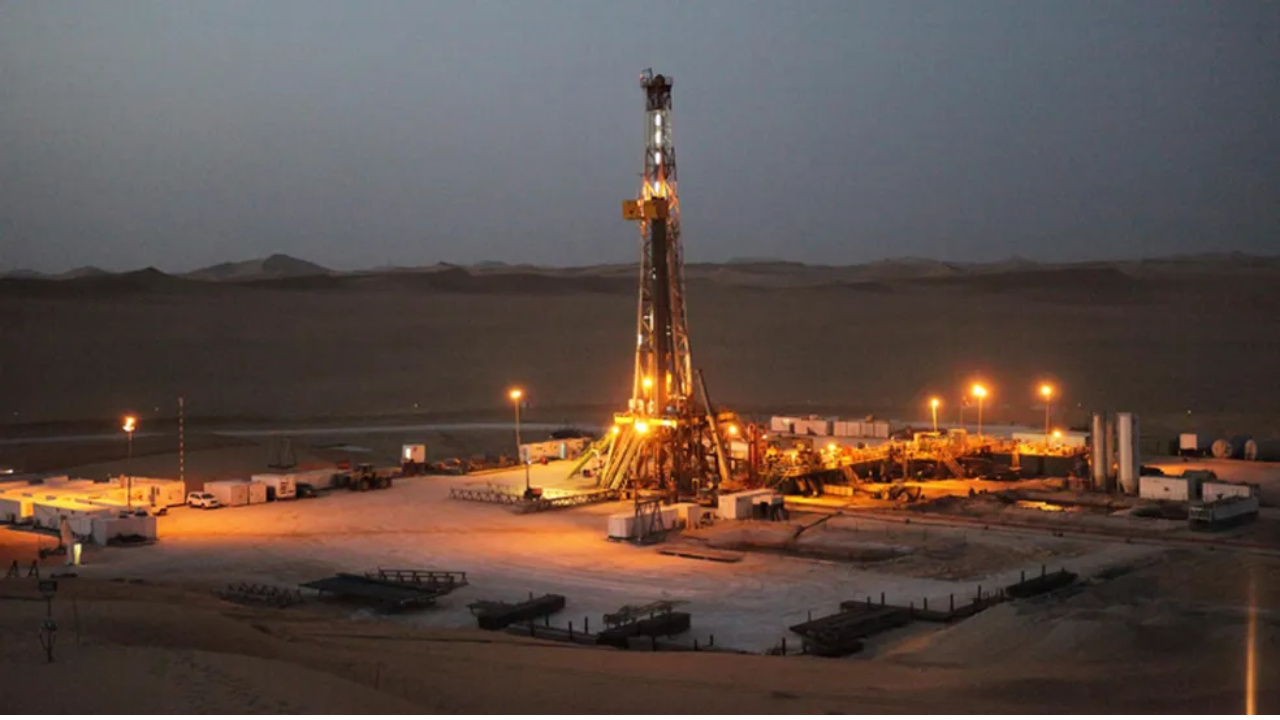


The Vaca Muerta Formation Boosts Oil Production in Argentina, Sets Historical Records and Becomes a Key Piece of the Economic Strategy of the Javier Milei Government.
Argentina is experiencing a new moment in the oil sector, driven by the rapid advancement of the geological formation of Vaca Muerta, located in the Patagonia region. In October, the country reached a historic milestone by producing 859,500 barrels of crude oil per day, surpassing the previous record of 847,000 barrels, set in 1998.
This leap occurs amid a structural transformation of the Argentine energy sector. While conventional production in other basins across the country shows an annual decline of 7%, Vaca Muerta maintains an average growth of 30% per year in unconventional production, reversing a stagnation trend that marked previous decades.
Vaca Muerta Concentrates Strategic Reserves of Oil and Gas
Considered one of the largest unconventional reserves on the planet, Vaca Muerta houses the second largest shale gas reserve in the world and the fourth largest unconventional oil reserve. The importance of the area goes beyond geological potential. Currently, the region accounts for about 60% of all oil produced in Argentina.
-
A study confirms that the natural gas sector will reduce greenhouse gas emissions in Brazil by 0.5% and accelerate the energy transition by 2026.

-
Petrobras implements a severe adjustment and confirms a 55% increase in the price of aviation kerosene with a proposal for installment payments for the companies.

-
The rise in oil prices could ensure an extra revenue of R$ 100 billion for the Federal Government, indicates a recent economic study.

-
Naturgy begins an investment of R$ 1.6 million to expand the gas network in Niterói and benefit thousands of new residences and businesses.

Official data indicates that daily production in the area exceeds 515,000 barrels. Just four years ago, this volume was approximately 280,000 barrels per day. The significant advancement reflects ongoing investments, productivity gains, and technological improvements in the extraction of oil and gas.
Energy Exports Surpass Imports Again
The growth of Vaca Muerta is already starting to directly impact Argentina’s trade balance. Last year, the country exported more energy than it imported for the first time in 14 years. This result represents a significant change for an economy historically pressured by external deficits and a scarcity of dollars.
This performance in the oil and gas sector has become one of the key bets of Javier Milei’s government to reverse the prolonged economic decline. Generating foreign currency through energy exports is viewed as strategic for stabilizing public accounts and strengthening the local currency.
Argentina Could Assume a New Regional Role in Oil
According to an analysis by The Economist, Argentina is expected to surpass Colombia this year as the third-largest producer of crude oil in South America. Colombia produced nearly 800,000 barrels per day, while Argentine production continues on an upward trajectory.
In the regional ranking, Argentina would only trail behind Venezuela, which produces about 1 million barrels per day despite restrictions imposed on its oil sector, and Brazil, whose production exceeds 3 million barrels daily. This repositioning reinforces the geopolitical weight of the country in the South American energy market.
Jobs and Economic Stimuli on the Horizon
Beyond the direct impact on oil production, Vaca Muerta also presents strong potential for job creation. Estimates indicate that the development of shale could create between 250,000 and 500,000 jobs by the early 2030s, covering everything from direct activities to supply chains and services.
Under Javier Milei’s administration, the region gained new momentum with the relaxation of currency controls, the removal of regulatory barriers, and the granting of long-term tax exemptions. These measures aim to attract foreign investments and accelerate projects related to oil and gas.
Energy Integration with Brazil Advances
In November, in a rare move of political convergence, the governments of Argentina and Brazil signed an agreement for the importation of natural gas from Vaca Muerta. The understanding directly involved the administrations of Javier Milei and President Luiz Inácio Lula da Silva.
The expectation is that Brazil will start importing up to 30 million cubic meters of gas per day from Argentina by 2030. This information was confirmed by the Minister of Mines and Energy, Alexandre Silveira, reinforcing regional energy integration and expanding the strategic role of Vaca Muerta in the context of South American oil and gas.








Milei acabou com o populismo e o falso progressismo na Argentina. Os resultados já estão aparecendo.