





 Portuguese
  English
  Spanish
  6 min of reading
  0 comments


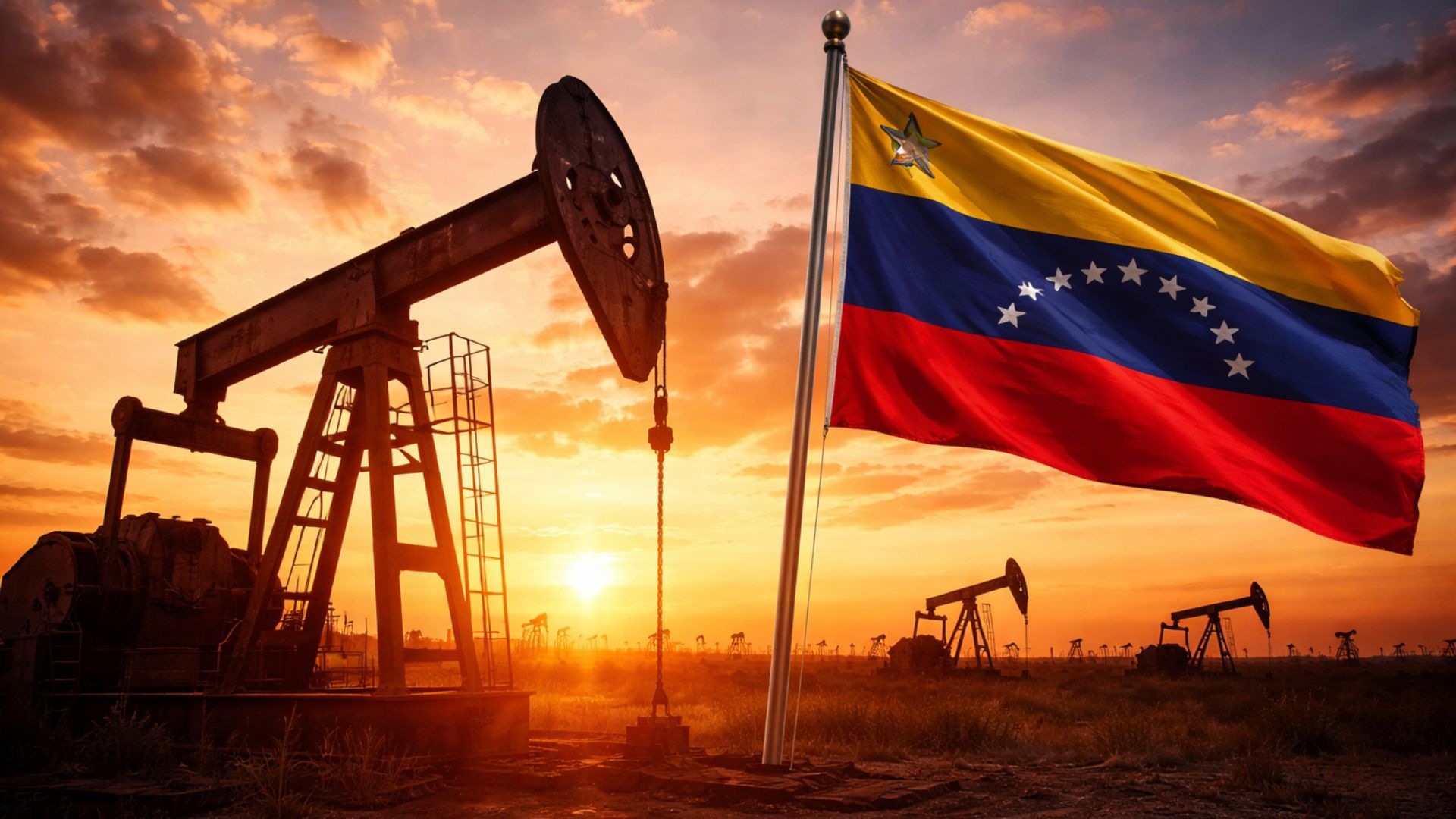
Understand How Venezuela Plans to Transform the Oil Sector by Expanding Companies’ Autonomy and Attracting Foreign Investments After Years of Crisis and Productive Decline
Venezuela proposes a reform in the oil sector to expand companies’ autonomy and stimulate foreign investments after years of crisis, in a move considered decisive for restructuring the country’s main industry and recovering the capacity to attract international capital. The proposal was presented by interim president Delcy Rodríguez to the National Assembly, and its main points were revealed this Thursday (22) by G1 and other outlets.
New Scenario of the Oil Sector Reform in Venezuela
The measure foresees profound changes in the Hydrocarbons Law, allowing foreign and local companies to operate Venezuelan oil fields under a new contractual model, with greater operational autonomy, direct commercialization of production, and profit retention, even as minority partners in the state-owned PDVSA.
The reform in the Venezuelan oil sector arises after years of economic crisis, sharp production decline, and international isolation, factors that have drastically reduced the country’s ability to explore its vast energy reserves.
-
Lula reveals a masterstroke by Petrobras to undo a deal made by Bolsonaro, which involves the return of an important refinery that currently produces less than half of what was expected and makes Brazil dependent on international diesel.
-
A study confirms that the natural gas sector will reduce greenhouse gas emissions in Brazil by 0.5% and accelerate the energy transition by 2026.

-
Petrobras implements a severe adjustment and confirms a 55% increase in the price of aviation kerosene with a proposal for installment payments for the companies.

-
The rise in oil prices could ensure an extra revenue of R$ 100 billion for the Federal Government, indicates a recent economic study.


The proposal represents a shift from the state-centric model implemented since the 2000s, when state control was expanded and private companies had their operations severely limited.
Now, the interim government seeks to signal to the international market a clear willingness to change, opening space for foreign investments as a central instrument for economic recovery and modernization of the energy sector.
Historical Context of the Oil Sector in Venezuela
The Venezuelan oil sector has always been one of the pillars of the national economy. The country has the largest proven oil reserves in the world, according to data from the Organization of the Petroleum Exporting Countries (OPEC).
However, nationalization policies, expropriations, and strong state control, especially during Hugo Chávez’s government, drove away international investors and reduced the operational efficiency of the industry.
Over the past decade, Venezuelan production has dramatically declined, reflecting a lack of investments, technical difficulties, international sanctions, and governance issues. This scenario has compromised state revenues and worsened the economic crisis, making a broad reform of the sector inevitable.
Reform in the Oil Sector and Expansion of Companies’ Autonomy
One of the central points of the oil sector reform is the expansion of companies’ autonomy operating in Venezuela. The proposal foresees contracts that would allow companies to operate oil fields with greater independence, including regarding the production, export, and commercialization of the extracted oil.
According to sources, even as minority partners of PDVSA, foreign companies could manage operations and receive profits from sales directly, which represents a significant break from the current model.
This autonomy has been a recurring demand of investors who have long pointed to operational restrictions as one of the main barriers to capital entering the country.

Foreign Investments as the Central Axis of Venezuela’s New Strategy
The attraction of foreign investments is presented as the main driver of the reform proposed by Venezuela. Executives in the energy sector and potential investors have long advocated for changes that ensure predictability, legal security, and adequate financial returns.
According to estimates cited by sources linked to the United States government, the reconstruction of the Venezuelan energy industry would require investments on the order of US$ 100 billion. The new legislation seeks to create a more competitive environment aligned with international practices, making the Venezuelan oil sector attractive once again to major global companies.
Reduction of Royalties and Incentives for the Oil Sector
Another relevant point of the reform in the oil sector is the possibility of reducing royalties charged by the state. The text allows that in projects considered special or that require high investments, the rate may be reduced to around 15%, compared to the current 33%.
This fiscal flexibility is seen as essential to enable projects in mature fields, areas of difficult exploration, or regions requiring high technological input. By reducing the initial burden on investors, the government hopes to accelerate the resumption of production and stimulate new foreign investments in the oil sector.
Legal Security, Arbitration, and Investor Confidence
Legal security plays a strategic role in the reform proposal. The text provides for the possibility of independent arbitration for resolving disputes between the Venezuelan state and private companies, a long-standing demand of international investors.
The inclusion of this mechanism aims to reduce the perceived risk for investors, especially given the history of expropriations and unilateral contract changes in the country. Experts point out that regulatory predictability will be crucial for the success of the reform and for effectively attracting foreign capital to the Venezuelan oil sector.
Relationship of the Reform with International Agreements and the United States
The reform proposal was presented in a relevant geopolitical context. This month, Venezuela signed an agreement with the United States, which provides for the supply of up to 50 million barrels of oil. The understanding opened space for greater energy cooperation and contributed to the resumption of dialogue between Caracas and Washington.
Part of the revenues generated by this agreement has already begun to be used to strengthen the Venezuelan currency market, creating a more stable economic environment for the discussion of the reform. Analysts believe that the advancement of the legislation could solidify this rapprochement and increase the flow of foreign investments in the energy sector.
Domestic Political Reactions to the Oil Sector Reform
In the domestic scenario, the reform in the Venezuelan oil sector provokes divergent reactions. Business sectors and economists see the initiative as necessary to reverse the productive collapse and recover the economy. On the other hand, political groups more aligned with the state-centric model express concern about losing state control over a strategic resource.
The proposal still needs to be debated and approved by the National Assembly to come into effect. The legislative process will be closely monitored by investors and international agents, who await concrete signals of political and institutional stability.
Challenges and Risks for Implementing the Reform
Despite its transformative potential, the reform faces significant challenges. The country’s recent history generates caution among investors, who demand guarantees that the new rules will be maintained in the long term. Furthermore, the operational capacity of PDVSA and the aging infrastructure of the oil sector represent additional obstacles.
Another area of concern is the internal political environment, which could influence the pace and scope of implementing the proposed changes. The consolidation of the reform will depend on the articulation among government, parliament, and economic agents.
What the Oil Sector Reform Could Mean for Venezuela’s Future?
Venezuela proposes a reform in the oil sector as a concrete attempt to reposition the country in the global energy market, after years of economic contraction and isolation. By expanding companies’ autonomy, reducing burdens, and creating more favorable conditions for foreign investments, the interim government seeks to recover production, generate revenue, and reactivate the national economy.
If approved and consistently implemented, the reform could mark a new chapter for the Venezuelan oil sector, with direct impacts not only for the country but also for the balance of the international energy market. The success of the initiative, however, will depend on the ability to transform legislative promises into legal security, political stability, and concrete results in the medium and long term.









Seja o primeiro a reagir!